


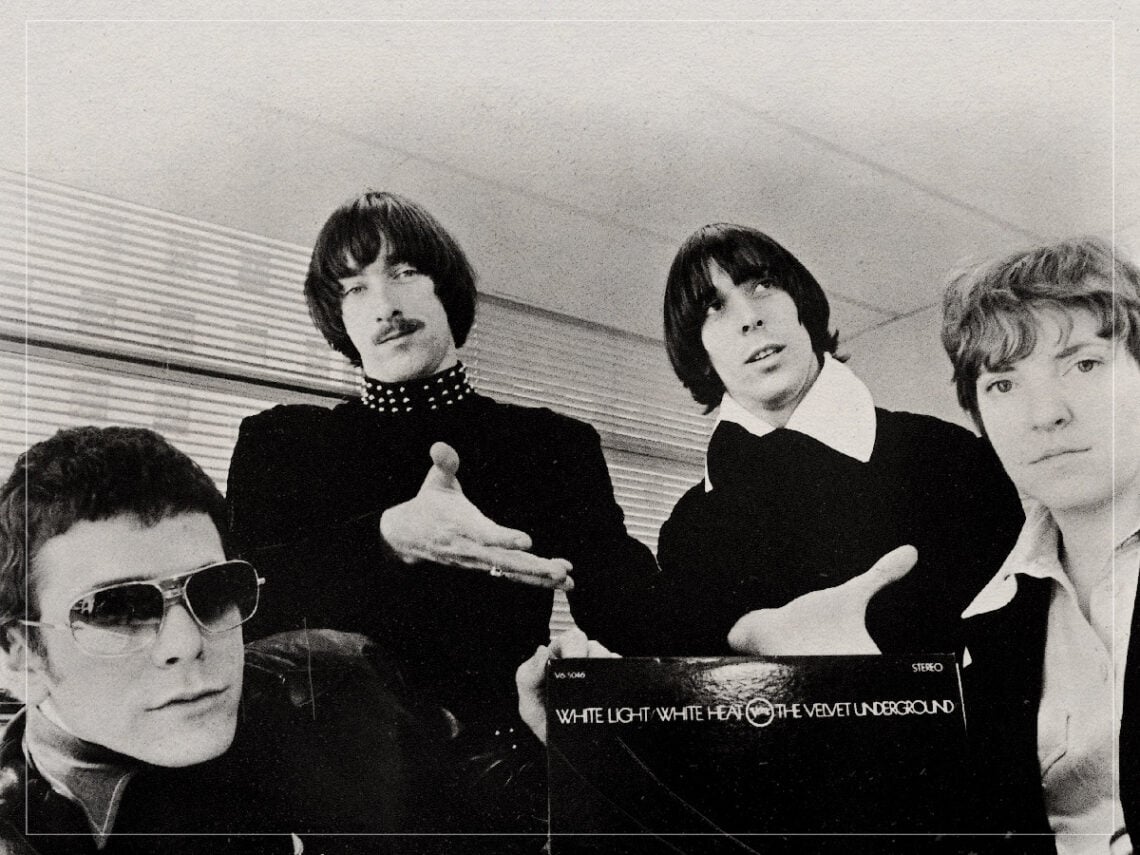
The 1968 album The Velvet Underground called their musical “orgasm”

When you think about the counterculture movement of the late 1960s, as brief as its impact on the youth of America was, it conjures up images of psychedelia, excessive drug use and hippies stating the benefits of ‘free love’ – but what exactly did it mean to be counterculture?
Counterculture was born out of a desire to rebel against societal norms and traditional values, and a large amount of its identity revolved around the idea that people ought to be allowed to express themselves in whatever way they felt comfortable. However, if you were against the idea of counterculture, did that make you a ‘square’, or were there plenty of other movements you could align yourself with?
The counterculture movement was largely concentrated on the West Coast of the US, particularly in San Francisco and the wider state of California, but on the opposite side of the country, New York had plenty of its own artistic permutations taking place, with much of it operating in a completely different manner. As far as the East Coast was concerned, there were other subversive movements happening at the same time, and their refusal to embrace what was happening on the opposite side of the country was indicative of their own identity.
While the Greenwich Village scene wasn’t exactly too far removed from the countercultural movement, the main New York act who seemed intent on upsetting the overwhelmingly positive vibes of the flower power cohort were The Velvet Underground, a band whose deliberately gnarled and gritty take on contemporary culture served as the direct antithesis of what counterculture offered.
They’d already proven themselves to be onto something completely against the grain with their impressive, if poorly-performing debut album, The Velvet Underground and Nico. Hugely influential to anyone who was paying attention to their work, but criminally overlooked at the time, the band were far more inspired by the art scene in their native city than they were by this hippie movement, and what they chose to do in late 1967, just a matter of months after they’d released their debut, was produce something with an even greater level of edge to it.
The band went into Mayfair Sound Studios in Manhattan with the intention of taking all of the subversive topics they’d covered on their debut and using them alongside a greater utilisation of noise and improvisation. If the ‘Summer of Love’ that was taking place on the opposite side of the US was all about beauty and wonder, then The Velvet Underground wanted to make something truly ugly.
“Inspired by media hype, and encouraged by deceitful songs on the radio, teenage ninnies flocked from Middle-America out to the coast,” guitarist Sterling Morrison said in the band’s biography, Uptight: The Velvet Underground Story.

“At the height of the ‘Summer of Love’, we stayed in NYC and recorded White Light/White Heat, an orgasm of our own,” he continued. Morrison couldn’t have made it clearer that he wanted no part of the counterculture movement, and that what The Velvet Underground were collectively trying to do was offer something that felt like a genuine rejection of popular culture.
White Light/White Heat, an even more impenetrable record than their debut, showed The Velvet Underground were truly counter-counterculture, and the closest thing the world of music had come to having its own rebellious punk trailblazers. As far as they saw it, counterculture was a fad, and what they were making had the potential to make an impact that would leave its mark on music forever.

Never Miss A Beat
The Far Out Punk Newsletter
All the latest Punk content from the independent voice of culture.
Straight to your inbox.