


The 1968 record that ruined The Beatles’ plans for ‘The White Album’

While not the official title of The Beatles’ ninth LP, The White Album is perhaps as succinct as you can get in terms of coming up with a suitable name for a record.
As simple and obvious as it might seem, rather remarkably, they were the first major band to adopt this naming convention. Ever the trailblazers that they were, given how large swathes of the pop and rock music landscape were sculpted by them after their period of dominance in the 1960s, they would see plenty of other acts follow suit and give their albums colourful monikers for years to come.
Shortly after the release of The White Album, The Band had their Brown Album, as did Primus in the 1990s, while acts as diverse as Metallica and Jay-Z have both had notable Black Albums in more recent years. Plus, if you ever need an example of an act who went somewhat overboard with their many-hued discography, Weezer have adopted close to a full colour spectrum when it comes to giving their self-titled albums a different shade, ranging from Blue to Teal.
But the thing is, The Beatles weren’t even the ones who called The White Album as such; it was their fans who decided that they should give it the name, owing to the fact that it came with a plain white sleeve which featured nothing other than the band’s name embossed in the bottom right-hand corner.
Not only that, but they hadn’t even intended for The White Album to be a self-titled release either, and while this expansive double LP is officially known as The Beatles, this plain name was a long way from what they’d initially planned to call the album.
The original planned title during the production of the album was meant to be A Doll’s House, but four months prior to its release in November 1968, the British progressive rock outfit Family coincidentally released Music in a Doll’s House, which The Beatles considered to be too similarly titled for them to continue using the planned name.
Rather than heading back to the drawing board so late in the process, the band opted to eschew giving their album a proper title and artwork altogether, breaking their tradition of having themselves depicted on the front cover of their albums and avoiding an elaborate design. Conceptual artist Richard Hamilton designed the plain sleeve in collaboration with Paul McCartney, and opted to simply have the embossed name on a white sleeve, with early pressings also featuring the serial number.
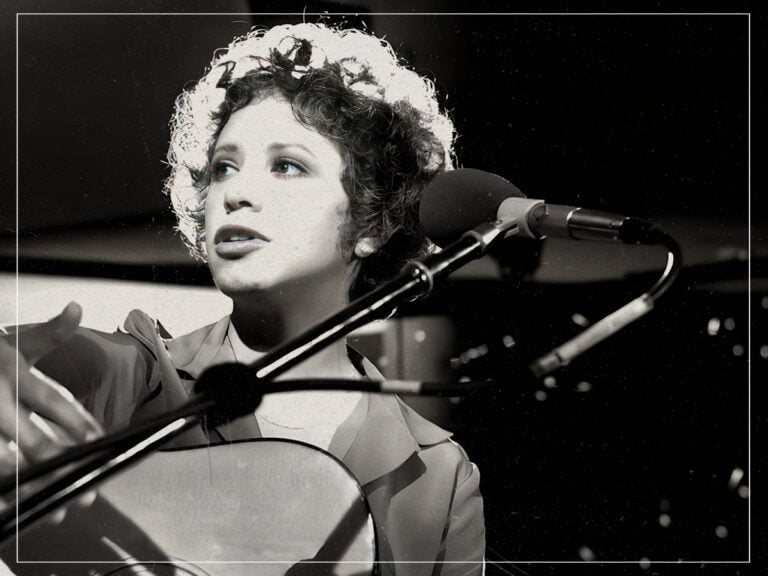

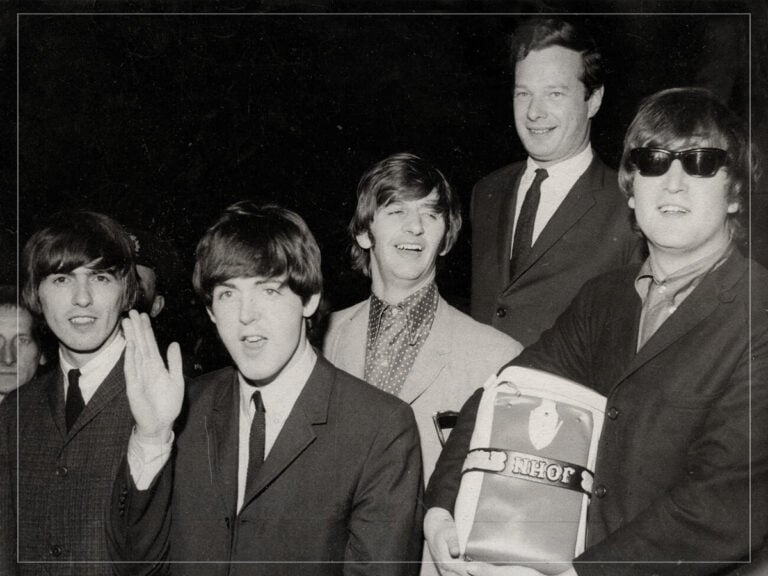
It was only after its release that fans began to refer to it as The White Album rather than by its official title, and while Family had beaten them to using the title they had wanted to use, would it have made a difference if they’d been able to proceed with A Doll’s House?
As plain as it is, The White Album is bold, brave, and iconic, and for a band whose image was so ingrained in their identity, for them to completely remove any semblance of themselves from the cover and try to make it stand out with its stark simplicity, they arguably made something more memorable. Music in a Doll’s House, on the other hand, while a cult favourite among prog devotees, is far less ubiquitous, but then again, you’d always back The Beatles to be able to outperform Family, wouldn’t you?

Never Miss A Beat
The Far Out Beatles Newsletter
All the latest stories about The Beatles from the independent voice of culture.
Straight to your inbox.