


1966: a timeline of the greatest year in music history

It takes a lot to make a case for any year being the pinnacle of musical innovation, especially when there are so many factors to consider, but between the explosive British invasion and the broader counterculture movement, 1966 seems to be the only clear winner.
After all, aside from the obvious legendary musicians like The Beatles, The Beach Boys, and Bob Dylan gifting the world records that they’d forever be enchanted by, there were countless debuts by other future revolutionaries, including Buffalo Springfield, Cream, and David Bowie, proving the year to be of its own standard entirely when it came to new talent across all genres.
All things considered, then, it truly was the year when music entered a new realm, with innovations across the board spearheaded by the very names that changed the industry forever. The Fab Four also reached a personal creative peak with the revolutionary Revolver, while The Beach Boys broke new creative ground entirely with arguably the most significant record of all time, Pet Sounds.
In other arenas, generational mouthpieces like Nina Simone were releasing little slices of heaven with the timeless masterpiece Wild Is The Wind, while Simon & Garfunkel were sowing the seeds for the forthcoming singer-songwriter boom that would come to define the early 1970s. And when all is laid out, it’s clear that there were no signs of slowing down, with 1966 presenting a smorgasbord of consistently great releases throughout the entire year.
1966 – A timeline:
January 17th
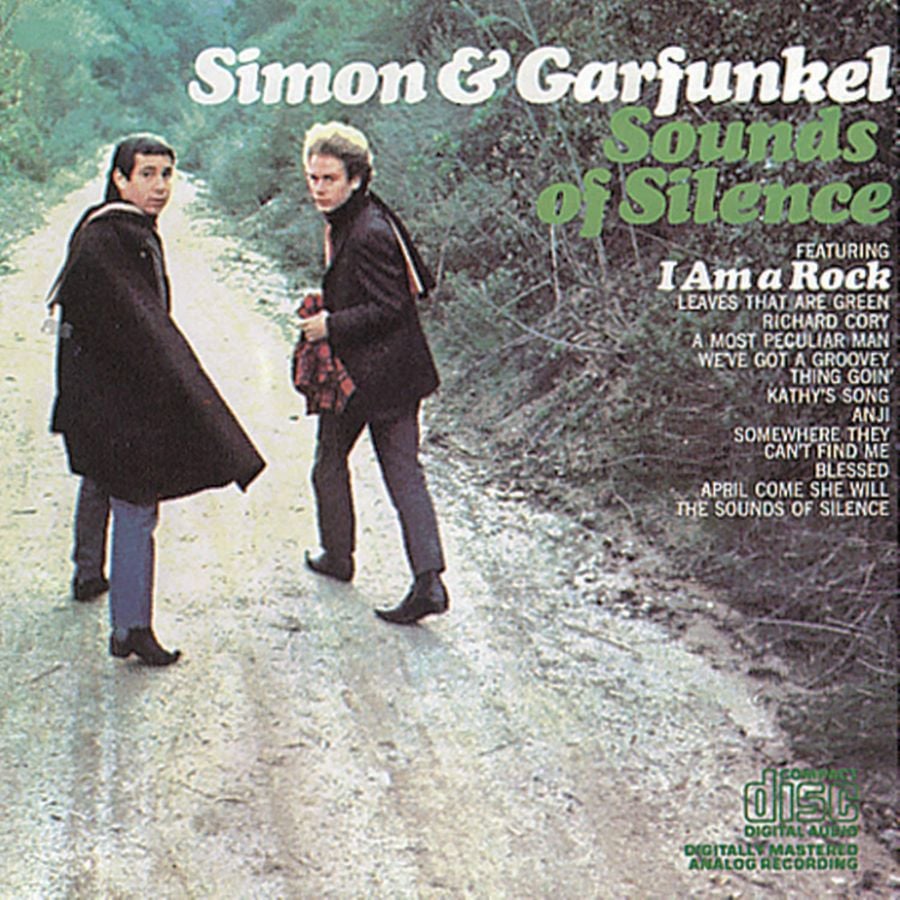
Simon & Garfunkel – Sounds Of Silence
While Simon & Garfunkel had already made a splash with their debut record, Sounds of Silence really cemented their positions as leaders of the modern folk-rock movement, altering the landscape in ways that many of our biggest musicians still cite as major influences today.
It also set a new standard for songwriting and placed those ideas into earth-shattering harmonies that gave the era its definitive sound, bringing folk-inspired sounds into the mainstream without losing its core integrity. In other words, it ticked all boxes for innovative music that remains timeless, incorporating pop-leaning melodies and blending them with something fresher and more nuanced.
February 28th
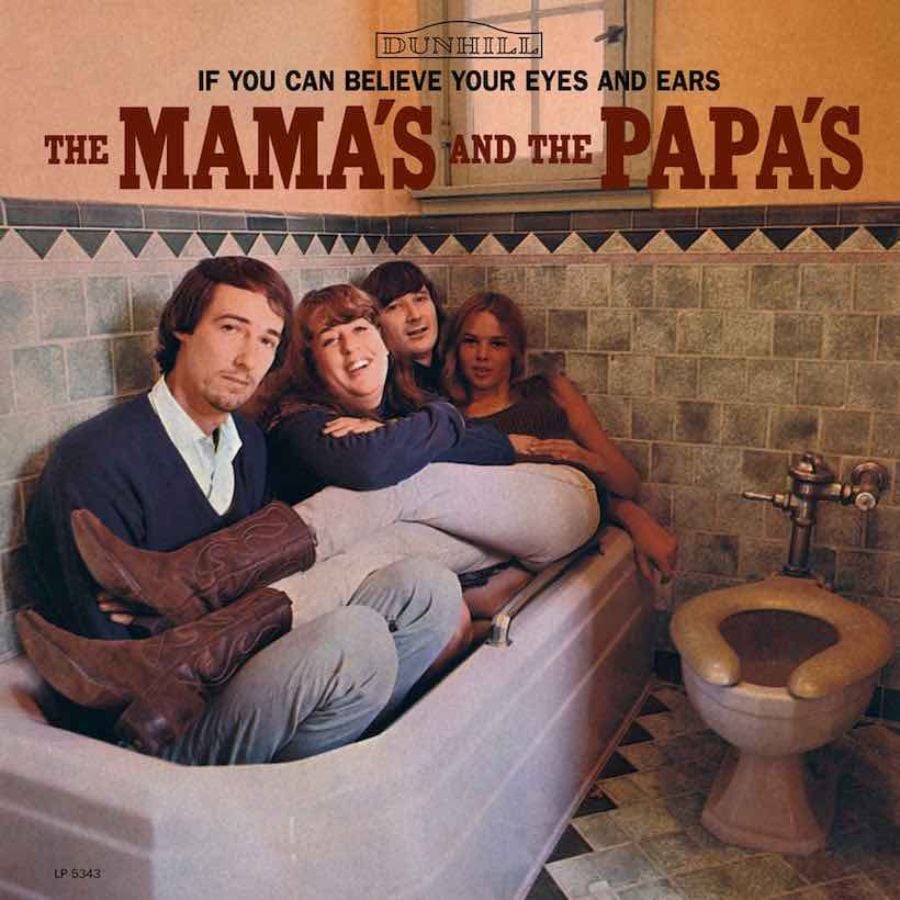
The Mamas & The Papas – If You Can Believe Your Eyes And Ears
The Mamas & the Papas were only together for a handful of years, but in that time, they all but changed the musical landscape forever, proving that you didn’t have to follow in the same footsteps as era-defining bands like The Beatles to make a bigger impact.
During their time in the sun, If You Can Believe Your Eyes And Ears provided many of their career-defining tracks, from the gorgeously timeless ‘California Dreamin’ to their number one hit, ‘Monday Monday’. The record also sat firmly in the midst of the entire counterculture movement with a subtle, casual defiance that dared others to be as confident, if not more.
April 15th
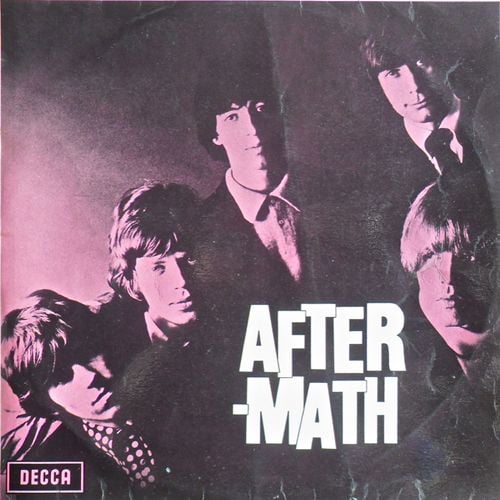
The Rolling Stones – Aftermath
A major turning point for The Rolling Stones for many reasons, Aftermath has a legacy that speaks for itself, signalling an important manoeuvre towards reclaiming everything they were about, as well as a much-needed and powerful answer to their competitors in the rock arena at the time.
It also came at a time when the band were swiftly stepping into the shoes of the generational mouthpiece, firming up their rock ‘n’ roll position while also providing the framework for almost every single Stones record that came after. This was a recalibration for the band, but one that strengthened what they already had and laid the groundwork for countless other offshoots of rock.
May 16th
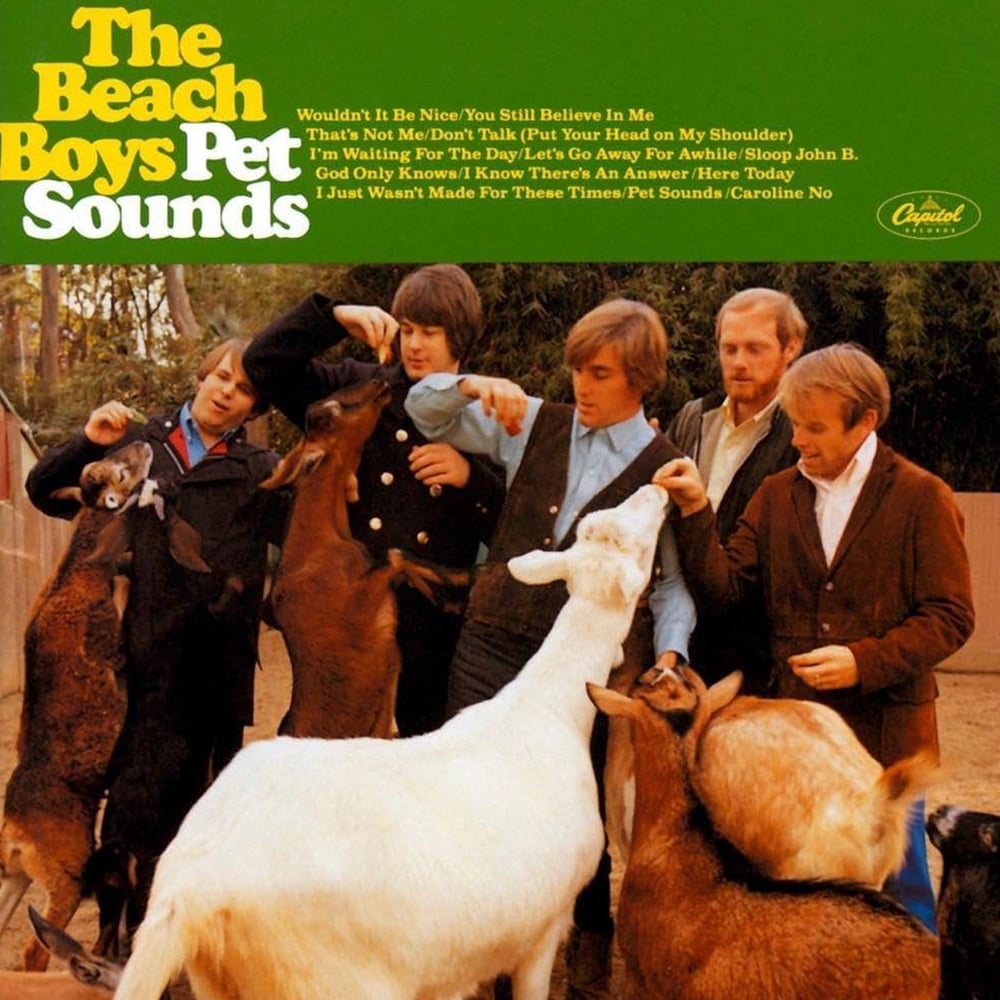
The Beach Boys – Pet Sounds
If you were to do a deep dive into the influences of most musical legends, past and present, the chances are that you’ll eventually encounter The Beach Boys’ Pet Sounds. Another record with a legacy that speaks for itself, Pet Sounds changed the parameters for musical innovation, inspiring others to push a little harder to reach a level of excellence that nobody knew even existed before.
At the helm of this masterpiece was Brian Wilson, whose approach to production shifted the way countless others approached the production of their own material, making it clear that when something worked and felt right, it didn’t matter whether it made sense or not, as that’s what true art was all about.
June 20th

Bob Dylan – Blonde on Blonde
Hearing Blonde on Blonde for the first time in 1966 must have been akin to seeing clearly for the first time, with Bob Dylan even later saying himself that it was “the closest I ever got to the sound I hear in my mind”. He added, “It’s that thin, that wild mercury sound. It’s metallic and bright gold, with whatever that conjures up.”
Often seen as the final instalment of Dylan’s mid-1960s trilogy with Bringing It All Back Home and Highway 61 Revisited, Blonde on Blonde solidified his transformation into the innovative electric arena he’d been teasing over the last two records, establishing new ground not just for himself, but for anybody who’d ever chased musical excellence.
June 27th
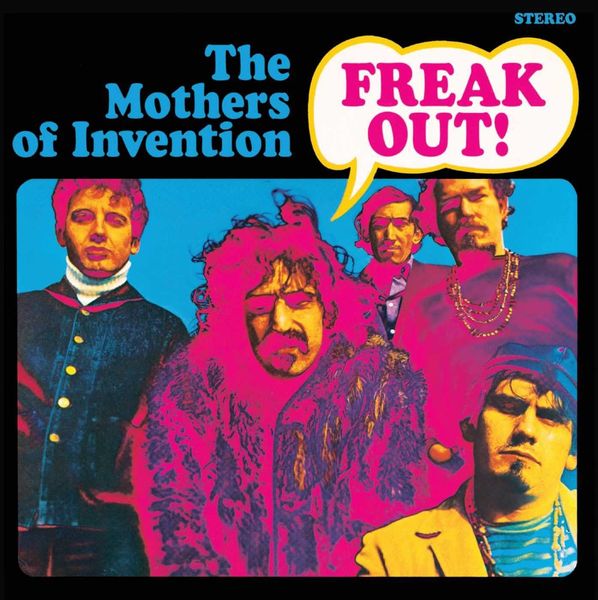
The Mothers of Invention – Freak Out!
Highly regarded as one of music’s first-ever concept albums, The Mothers of Invention‘s Freak Out! proved that rock no longer had to stick to any strict rulebook and could venture out past the usual formulas to create something that not only sounded great but which also told a story.
Influencing other masterpieces, like The Beatles’ Sgt Pepper’s Lonely Hearts Club Band, Freak Out! provided the industry with a much-needed shake-up, placing anti-etablishment rhetoric in an intellectually creative light, and in turn introducing an entirely new offshoot of rock.
August 5th
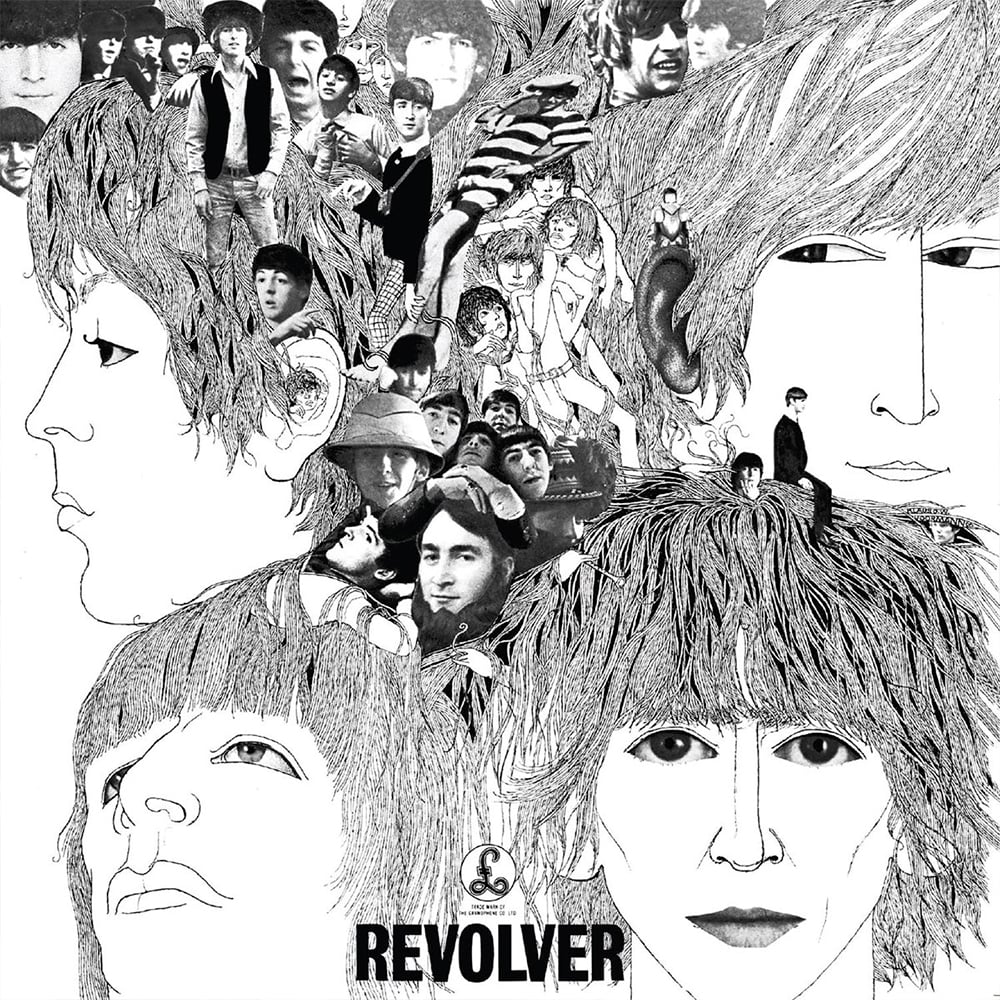
The Beatles – Revolver
In the early days of The Beatles’ reign, it’s unlikely that anyone would have predicted a full transition from cutesy pop-rock to fully experimental rock. However, at the peak of counterculture’s psychedelic era, Revolver proved just that, which is the Fab Four were still front and centre of one of the most significant movements in history.
Until that point, they’d also been seen primarily as a force of live performances, but Revolver shifted this perception, placing their expertise in the one place that would come to define their legacy: the studio. In doing so, they proved that there was no set paradigm for greatness, rather, that true value comes from chasing whichever thread of genius presents itself, no matter how unconventional.
September 26th
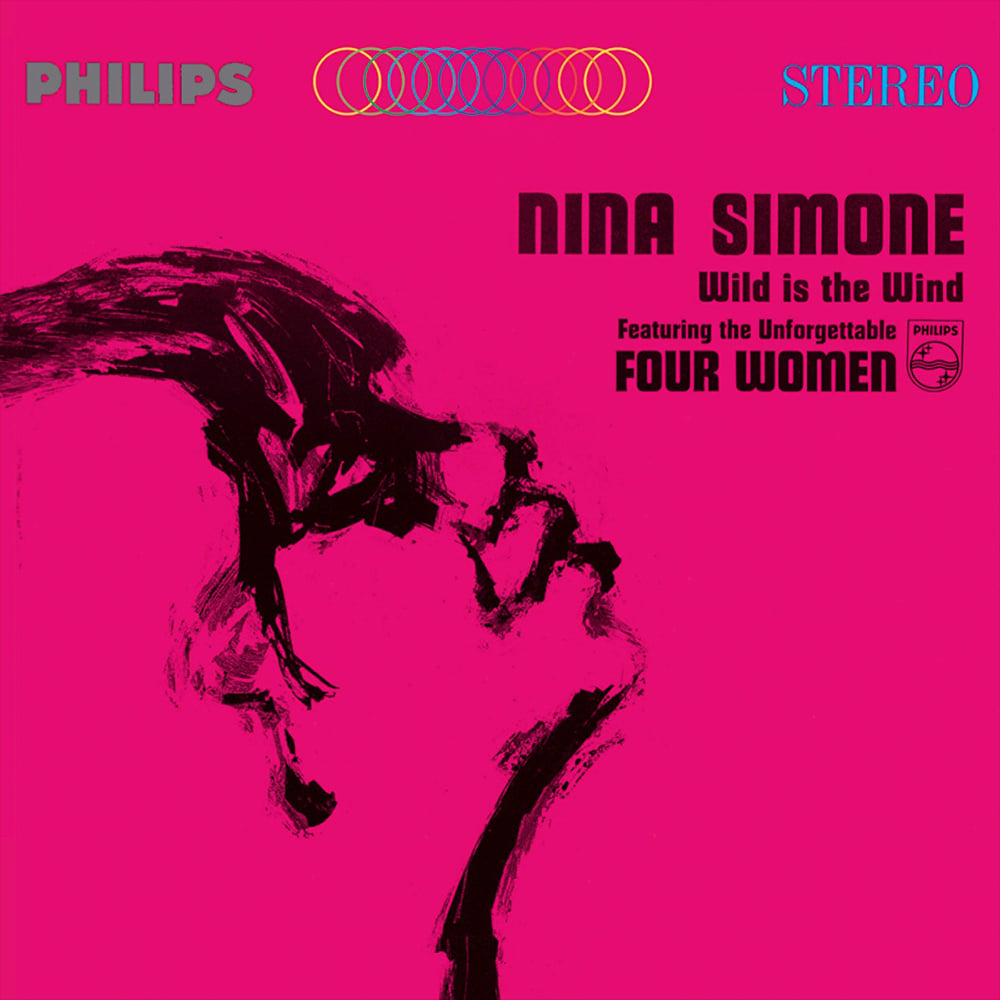
Nina Simone – Wild Is The Wind
The name Nina Simone itself is enough to evoke chills in anybody at any given time, but Wild Is The Wild signalled the pinnacle of everything she had to offer, blending emotional storytelling and deeply visceral music theory with her powerful sociopolitical positioning during the Civil Rights movement.
Between the more hard-hitting numbers, like ‘Four Women’, Simone also provided the ideal soundtrack for those late-night ruminations, when the only company is a half-drunk glass of wine and the crackling burn of a nearby candle. It’s for the thinkers and the romantics, but it’s also for those who want to get lost every once in a while in something that truly holds all meaning.
October 28th
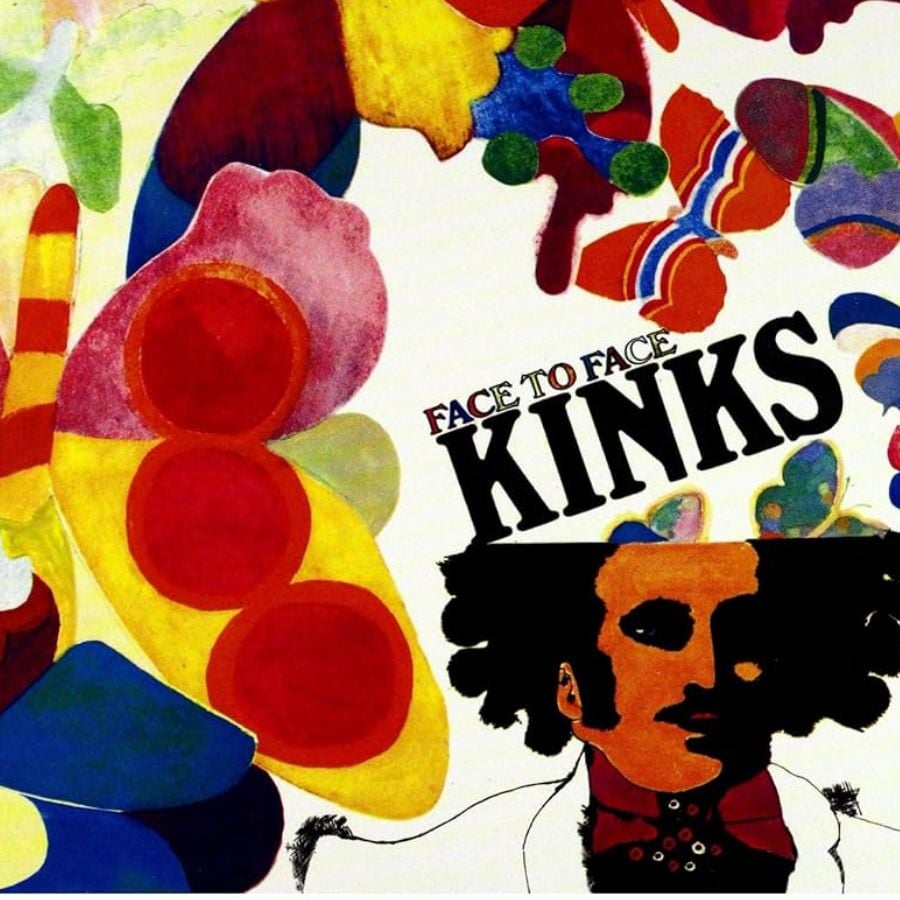
The Kinks – Face To Face
Kicking off one of the greatest chapters in The Kinks’ story, Face To Face signalled a turning point for the band, transitioning from quintessential garage rock into something with more cultural rooting and musical flavour.
Another major asset to the early concept album boom, Face To Face also demonstrated Ray Davies’ affinity for rock experimentation, bridging the gap between his relatable, everyday musings and the sort of music he wanted to be remembered for.
December 9th
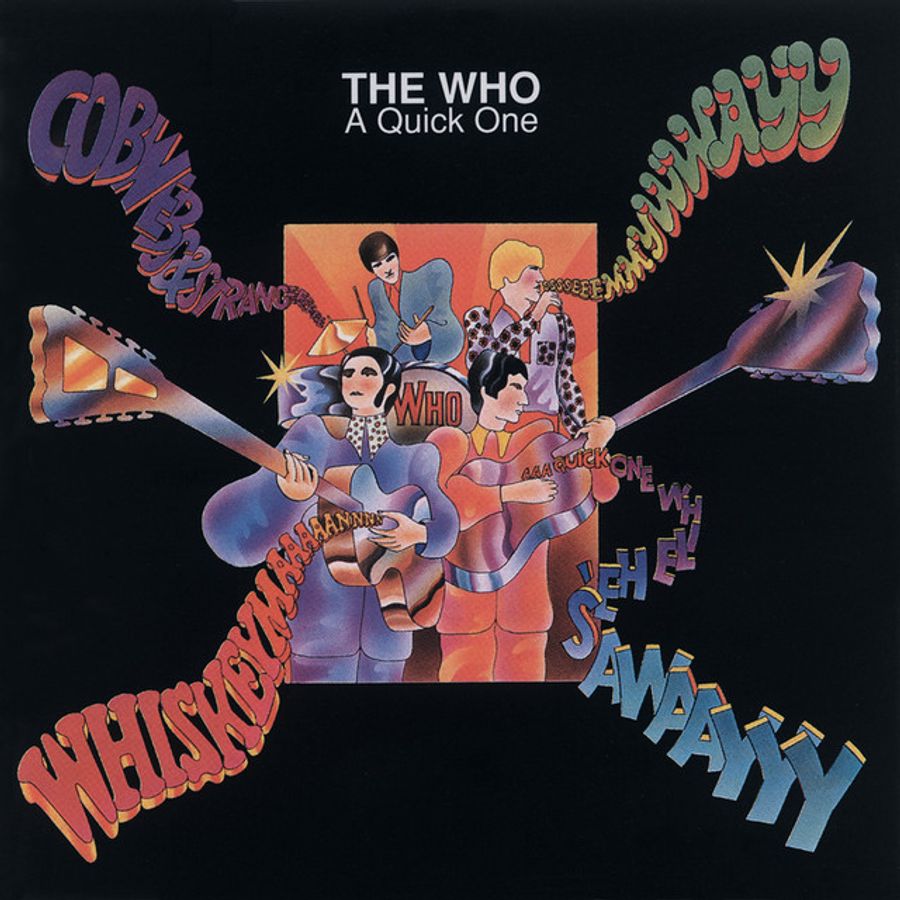
The Who – A Quick One
Even today, it’s hard for most musicians to move past the image generated by a single big-hitter, but usually, it’s achieved by reassessing what it is specifically that they have to offer. Upon the release of A Quick One, The Who made it clear that they weren’t just here for a string of hits, but a fully-realised artistic vision that had a deeper impact on the rock scene around them.
With song contributions from all band members, A Quick One, despite its namesake, was a more coherent display of everything that The Who stood for, bringing together all that made them great from the off, including melodically charming structures and lyrics that stick with you long past the record’s runtime.

Never Miss A Beat
The Far Out Beatles Newsletter
All the latest stories about The Beatles from the independent voice of culture.
Straight to your inbox.