


“A dumb fuckin’ song”: How The Mamas and the Papas wrote a defining counterculture anthem and then disowned it

When you think of the 1960s, you think of an essence and a sound. The counterculture movement was so formative that, more so than most eras, there was a sense of singularity to it. You can picture the decade clearly. Lord knows what the future will picture when they look back at the fractious present.
But in the swinging ‘60s, the whole decade unfurled like constant seesaw counterbalanced by the Summer of Love of the Winter of Discontent in an ever-deepening circle of highs like The Beatles blowing people’s brains out in the best possible way – and lows like Lee Harvey Oswald, well, blowing people’s brains out in the worst possible way. Few bands captured this quite like The Mamas and the Papas.
So, it proves fitting that the song that perhaps sounds as close as possible to the defining anthem of the whole era is about the oldest comedown in the book: bloody Mondays. When The Mamas and the Papas were wondering how on earth they could top ‘California Dreamin”, they wanted to come up with a track that boasted “universal appeal”.
John Phillips went away and thought about something every worker on the planet is forced to reconcile. But when he came back to the studio with ‘Monday, Monday’, his bandmates were far from impressed. “Nobody likes Monday, so I thought it was just a song about the working man,” Denny Doherty, who sang lead vocals on the track, proclaimed.
That was the whole point of the song. It dwelt on the mundane, and found unvirsality in the things that culture usually likes to gloss over. Yet, it is easy to see why the rest of the band didn’t pick up on the poetry of that and likened the track to an anthem about concrete. “Nothing about it stood out to me,” Doherty bemoaned, “it was a dumb fuckin’ song about a day of the week.”
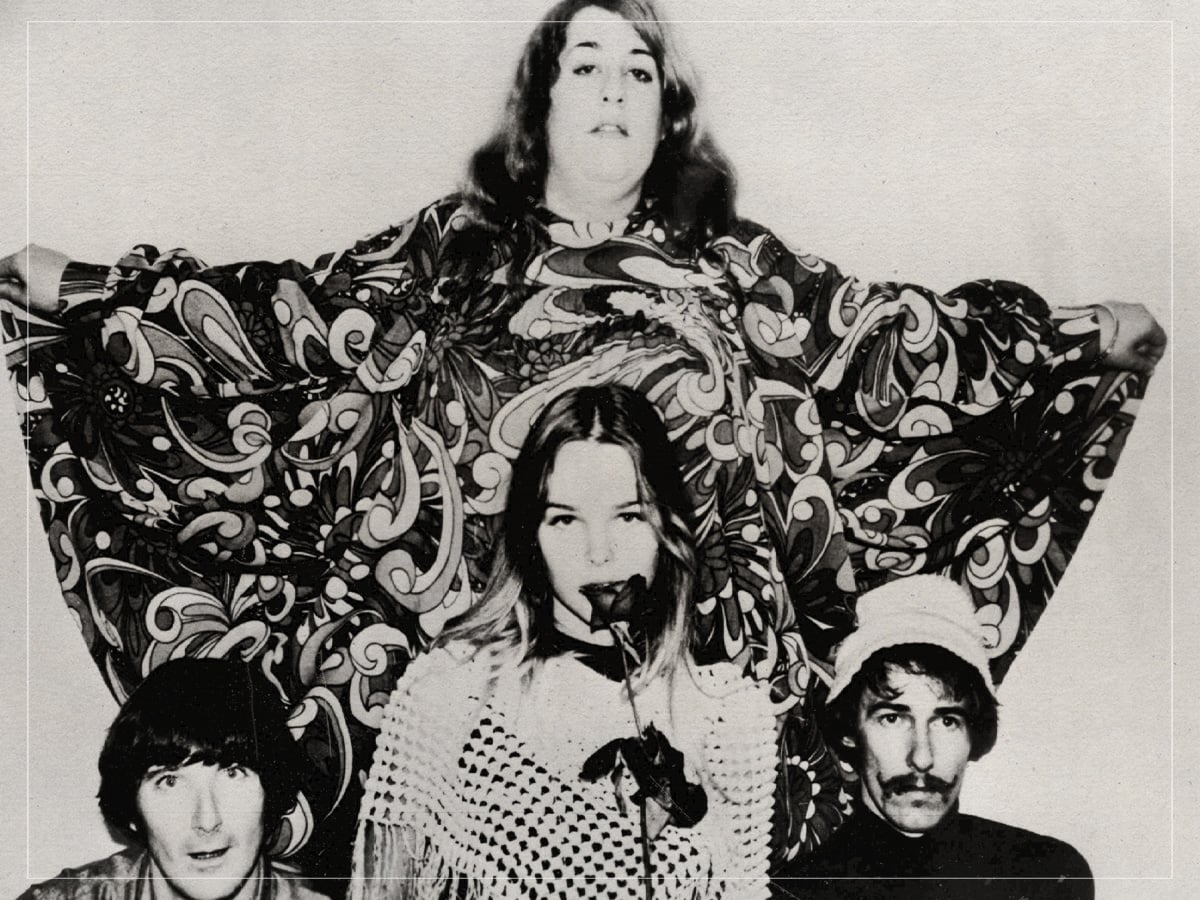
The rest of the group were equally nonplussed. From their perspective, in an age searching for new meanings, the song was as vapid as they came. It just repeated a word in a catchy tune – what’s new age about that?
However, that ‘tune’ had all the makings of a would-be classic regardless of what they made of the banal lyrics that Phillips had married to it. Its sound was a perfect distillation of Laurel Canyon’s emerging pop-rock, and its sentiment was so easy, catchy and true to the highs and lows of the scene that it ‘caught on’ instantly.
This is why when directors are searching for a sound that immediately conjures the ’60s, they often turn to ‘Monday, Monday’. Alas, the band didn’t turn to it much. Even when it rose through the charts, they still largely scoffed at it.
The song was the band’s third single and quickly rose to number one. It affirmed The Mamas and the Papas as one of the premier outfits of the period. Comically, it feels highly indicative of the period and the buzz in the creative waters that John Phillips wrote it in about 20 minutes straight.
With the weary working week approaching, he simply wrote what he knew. This was always the modus operandi of the band, which is perhaps why they captured the counterculture zeitgeist with such visceral fidelity.
Yet, you can also clearly see the role of history, here: it might be bewildering to think that anyone would scoff at ‘Monday, Monday’ in retrospect, but imagine a young kid in a band in 2026, rocking up to midweek practice with a daft ditty about not being keen on their midweek work meeting that they had written in minutes – it isn’t that much of a stretch to imagine their bandmates dismissing it like the Mamas and the Papas before them.
Why did The Mamas and the Papas split?
It also seems fitting that the band were never built to last. According to Michelle, they “never went into the studio without a case of Crown Royal and a bag of pot.” Doherty also explained in The New York Times that the first thing he “did in the morning and the last thing I did at night was have a blast of rum.” When you also factor in the fact that they existed as a love triangle with unrequited affections thrown in for good measure, you get the sense that their end was always impending.
This led to endless squabbles and increasing substance abuse. The whole thing became a pressure cooker of vying egos and a need for hits. “It was endless,” Michelle Phillips told Goldmine, reflecting on her time within the band. “Believe me, everybody wanted out,” she continued, “but we owed albums to Dunhill and then Dunhill was sold to ABC and then we owed albums to ABC. It was horrible because all we wanted was to get away from each other.”
