


The 1965 song that shaped the life and career of Jack White: “Transformative moment”

When the indie resurgence of the early 2000s took flight, bands like Arctic Monkeys and The White Stripes led the charge because they repackaged old rock ‘n’ roll elements while offering something new. The White Stripes, in particular, knew exactly what they were doing, mashing together all their heroes and yet still appearing entirely authentic and original.
According to Jack White, this was the secret ingredient to becoming successful. After all, in his view, a good band can’t offer anything meaningful if they don’t start somewhere, and for him, creating good music was as much about paying homage to all his favourite artists and incorporating their styles into his own music as trying to come up with something original.
As he once put it, “It’s important for anyone that calls themselves a musician to know who came before them… Me, as a songwriter, I wanted to join that family, join that tradition, you know, and not pretend that I’m so good that I’m so original that I exist in this vacuum and those people don’t mean anything to me.”
White revealed many of these influences last year when the Stripes were inducted into the Rock and Roll Hall of Fame. During his speech, he name-dropped some of the most pivotal names in music, claiming that some of his most cherished heroes were the likes of Loretta Lynn, Fugazi, the Misfits, Jethro Tull, the Troggs, Emerson Lake & Palmer, Merle Haggard, the Hives, Them, the Damned, Captain Beefheart, and more.
Much of what made White and the Stripes sound out in the beginning was that, while they incorporated all of these elements into their music, there was also a uniqueness to what they were doing that seemed special in its own way. After all, aside from the obvious infectious anthemic riffs they were continuously delivering, there was also something about them that seemed a little off-kilter, almost like those oddballs you meet on the school playground had somehow grown up and become cooler than you.
If you were to ask White what made them so appealing, he’d probably say that was a big part of it – they didn’t seem a part of the bigger crowd, but they had enough of that outsider-but-cool factor that made you want to be a part of whatever they were doing… They were more appealing to the outcasts in the beginning, but that’s why their explosion meant more than whatever it was that most of the other indie-rock bands in their circle were doing at the time.
Essentially, it was the type of endearing edge and mystique that White had carried all his life. After all, White grew up in a predominantly Mexican neighbourhood where hip-hop was all the rage, and yet, he gravitated more towards blues and rock, which immediately made him an outlier and gave him a lonely kind of independence that he later recognised as his superpower.
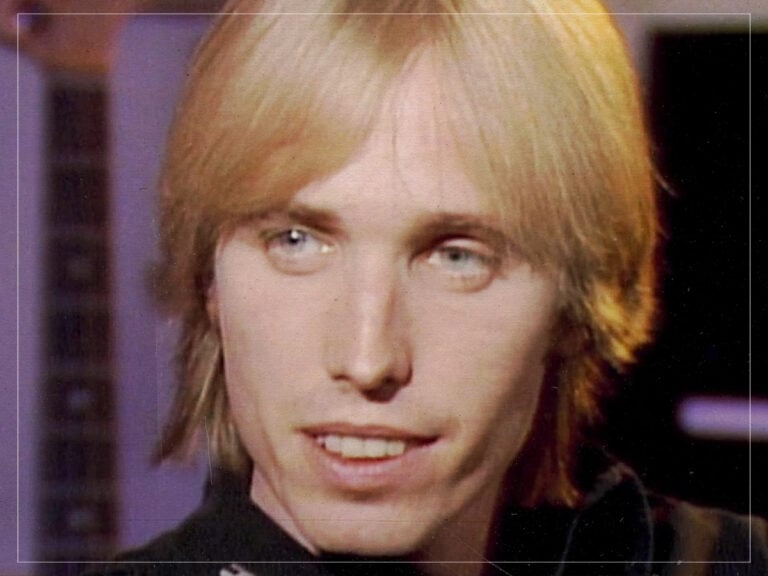


Recalling his upbringing and how it shaped his music to Rolling Stone, White shared a story about how he ended up working in his next-door neighbour’s upholstery shop. At the time, his neighbour, called Brian, would play “all kinds of music”, like the Cramps and The Velvet Underground. Then, in his late teens, he discovered blues, with one song in particular providing a “transformative moment” that completely changed both his career and his outlook on life.
White had already become acquainted with the music of Robert Johnson and quite enjoyed it, but it was Son House’s 1965 classic ‘Grinnin’ In Your Face’ that “was it for me”. According to him, the song “meant everything about rock ‘n’ roll”, and the message made complete sense, too.
“Don’t care what other people are saying about you, what they think,” said White, concluding, “It was what I had been struggling through my whole life. I never liked the same music anyone else did.”
