


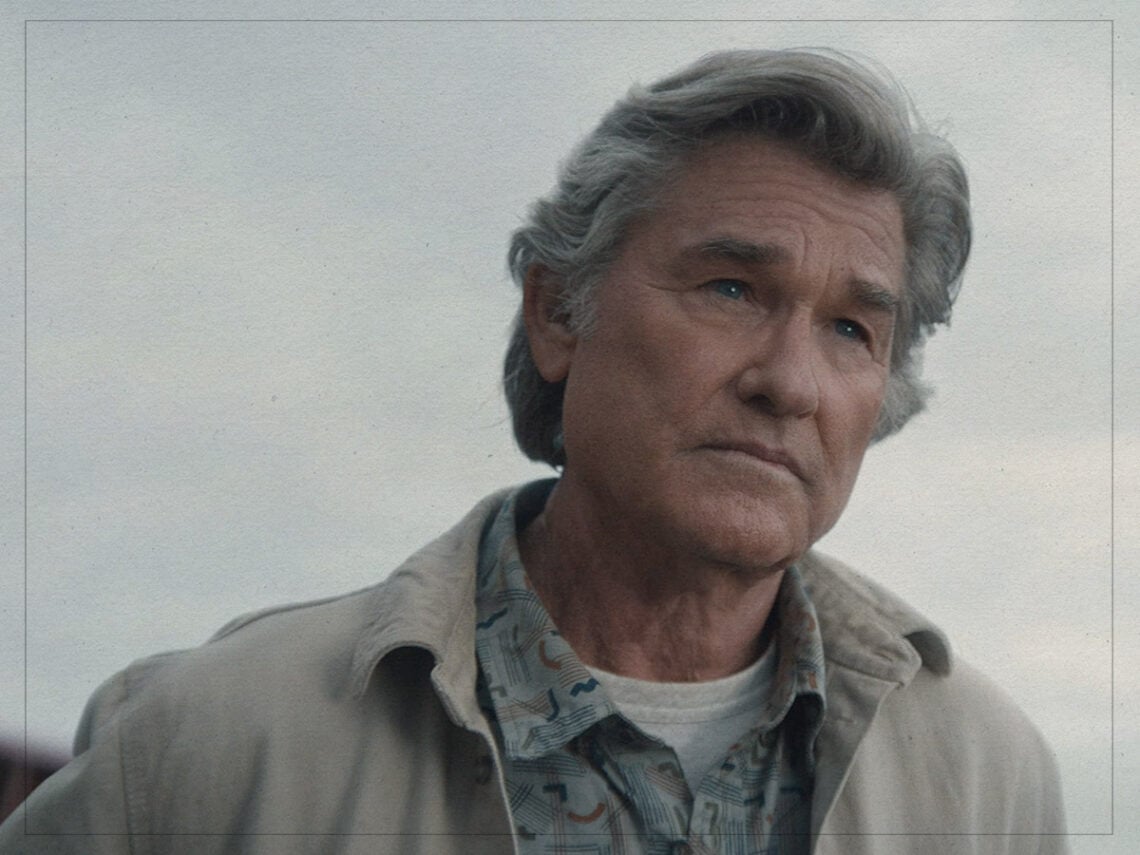
The 1965 movie masterpiece Kurt Russell told Walt Disney he couldn’t stand: “Tell him the truth”

With over 60 years of experience in the industry under his belt, if Kurt Russell has a suggestion for how to improve a movie, he’s been around long enough that it’s worth taking any of his advice on board.
However, over 60 years ago, when his career was in its very earliest stages, the actor had much the same impact on an undisputed movie masterpiece, one that sent its legendary creator back to the drawing board to ensure that the end result would be more palatable to viewers in Russell’s demographic.
More than anyone else, and for entirely different reasons, three names have come to define the veteran’s professional life: John Carpenter, who became his creative muse and most frequent collaborator, Elvis Presley, with whom he shared the screen in his screen debut, played in a made-for-TV movie, and played again in Forrest Gump, and Walt Disney.
The latter became a mentor and father figure for Russell when he was planting his feet on the bottom rungs of the Hollywood ladder, with the youngster quickly becoming one of the studio’s go-to guys, appearing in The Strongest Man in the World, The Computer Wore Tennis Shoes, The One and Only, Genuine, Original Family Band, The Horse in the Gray Flannel Suit, and other Disney flicks.
He was a fixture of the studio’s output from the mid-1960s to the mid-1970s, but before he’d even made his ‘Mouse House’ debut in 1966’s Follow Me, Boys!, it was clear that Russell had the boss’s ear, to the extent that his dismissive response of an eventual classic necessitated some last-minute changes.
“I watched Mary Poppins with him before Mary Poppins was finished, before it had any of the animation in it,” the king of the cult classic explained. “I don’t think half of it was scripted. I sat down in the theatre and watched Mary Poppins with my mom and some other people. At the end of the movie, he said, ‘So, what do you think?’ I said, ‘That’s good, it’s really fun.'”
He wasn’t being completely honest, though. “But you wouldn’t tell your friends to see it?” Disney asked him, and after shooting a look at his mother, Russell came clean. “She said, ‘Tell him the truth, he’s asking a question,'” the actor recalled. “I said no. He said, ‘Yeah, neither would I’. And I watched him invent some things then and there.”

Based on his relatively apathetic response to an early cut of Mary Poppins, Disney knew that the picture needed a little something extra to widen its appeal to the target audiences, and as a direct result, the iconic penguins scene was added, and Russell’s fairly dismissive opinion on Julie Andrews’ and Dick Van Dyke’s song-and-dance spectacular was instrumental in its creation and addition.
Did he prefer it with the penguins? Well, Russell has neither confirmed nor denied his feelings on the version of Mary Poppins that everyone knows and loves, but since it’s impossible to imagine the film without it, he doesn’t really need to, seeing as he was pivotal in its mere existence.
