


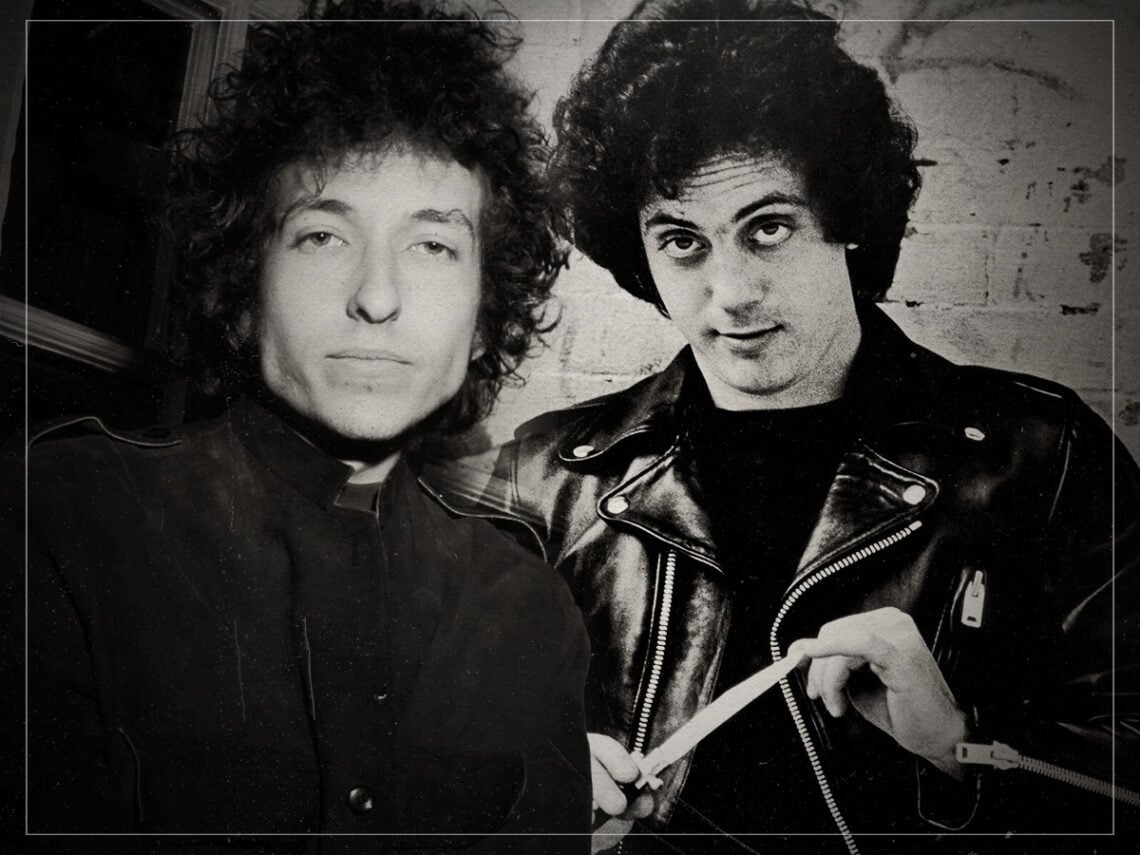
The 1965 Bob Dylan lyric that changed Billy Joel’s mind about rock stars retiring at 50

Considering how prominent he still is across many threads of modern culture, it’d be difficult to imagine Billy Joel ever throwing in the towel. However, long ago, he believed he’d have packed it in long before he turned 50, expecting his youth to run out before he’d start “falling apart and selling insurance”.
Now, at 77, Joel is not only one of the most significant forces in music but also one of the most significant presences across music history, carrying more influence on modern music than most people will ever truly understand. He might have stepped away from studio production a good handful of years ago, but he’s still, well – he’s still very much Billy Joel.
That said, Joel’s earlier opinion on growing older in the rock ‘n’ roll community isn’t without justification. After all, if we’re to look past the more obvious ageist implications of why certain rockers step away from the spotlight after they reach a certain age, it’s also difficult for some ‘legacy’ acts to keep up the momentum, regardless of how old they are.
And those who do maintain their creative streak and credibility often find challenges elsewhere, like keeping up with the demands of touring, or navigating the cesspit that is the age of social media, and while Joel has always followed his heart and soul when it comes to music, even he can probably admit that the landscape is much different now than it was back then, and not always in a good way.
Still, like many who emerged from the same scene, Joel’s attitude has been shaped by experience and circumstance – much like his music, he allows these experiences to shape his thoughts and how he expresses them, and never shies away from taking the road less travelled, even if it’s clear that remaining in one specific place will always guarantee success.
Because that’s the thing: even if that was true, it doesn’t always guarantee artistic satisfaction. As Joel once reflected to Malcolm Mayhew – in 1999, when he believed he was on his final tour – the problem with staying in one place or sticking to ‘pop’ music is that there’s a “strict orthodox to it”. In other words, you have to be a certain kind of artist, and you can’t experiment or branch out, which is precisely what he wanted to do at the time.
This is also sort of where his thoughts on hanging it all up stemmed from. In his words, being in rock ‘n’ roll is “like being an athlete”. He elaborated on this, claiming he saw the same patterns in people like Paul Simon, Sting, and Bruce Springsteen, who also wanted to move on to something different. He added, “You’ve had your day, it was a good game, so maybe it’s time to coach or write a book about it. Make room for the newer people.”
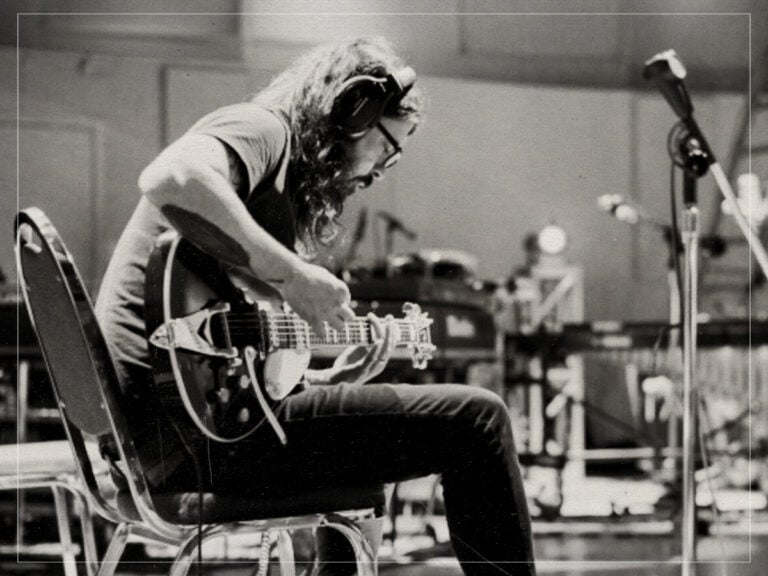
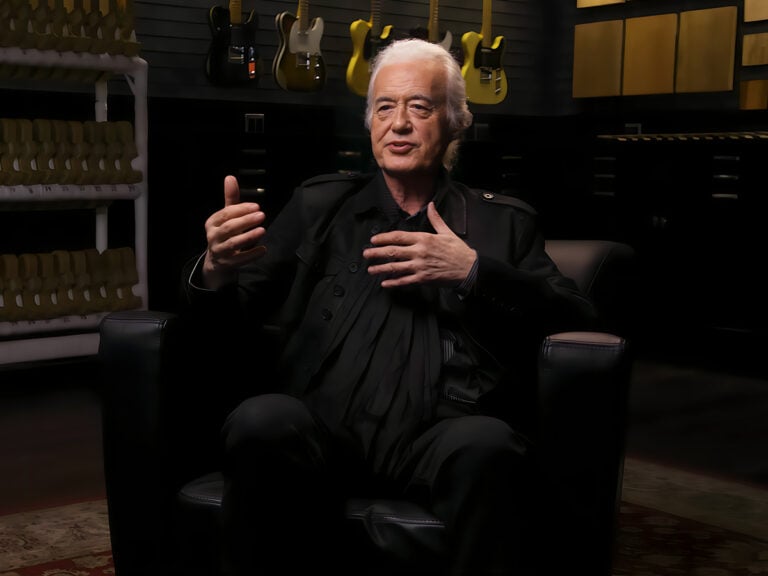
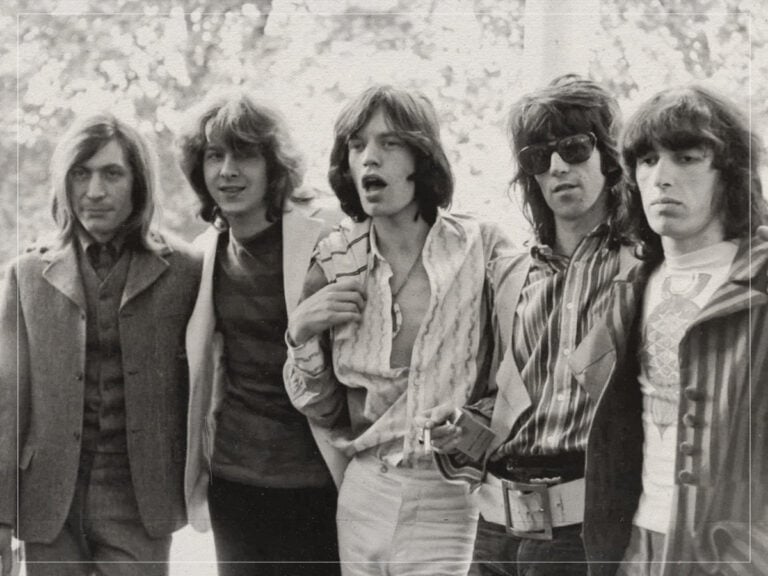
However, this mindset became a little more nuanced when Joel began living by one specific lyric from Bob Dylan’s 1965 classic, ‘It’s Alright, Ma (I’m Only Bleeding)’: “He not busy being born is busy dying.”
Carrying his newfound mantra and desire to avoid getting his “feet stuck in clay”, Dylan showed Joel that he didn’t have to put an end to it all at a certain age; he just needed to try something new – perhaps he already knew that, deep down, but Dylan’s words still served to remind him that feeling disillusioned with an established path is rarely ever cause for despair, rather the exact opposite.

Never Miss A Tale
The Far Out Bob Dylan Newsletter
All the latest stories about Bob Dylan from the independent voice of culture.
Straight to your inbox.