


The 1951 song that became the first ever to use multi-tracking

The art of multi-tracking is as essential to rock and pop’s development as plugged-in guitars and modular synthesisers.
It’s the key craft that realised the studio as an instrument in itself, paving the way for the album’s emergence as a sonic experience wholly separate from the artist’s live set. Prior to such innovations, the point of music recordings was simply to capture the audio event with the best possible reproduction of the performance. There was serious pressure; on the band’s part, they had to be immaculately rehearsed and tight to play their perfect take, and engineers meticulously placed members and microphones strategically around the room to ensure as much separation and balance as possible.
But, whether a big jazz band or a full orchestra, all the music recorded was sent to tape via one centralised source. It took a while before the developments in multi-track technology entered the music industry, twin-track mono and stereophonic becoming a mainstay of commercial classical records before finding a presence in the pop world.
Jazz pianist Bill Evans dabbled in novel overdubbing for 1963’s Conversations with Myself for its ‘solo duet’ effect, but the introduction of the four-track arrived at the right time for a new generation of rock and pop groups eager to push music to new realms. Combined with the practice of ‘bouncing down’ mixes to incorporate more recordings within the four-track limits, the likes of The Beatles and The Beach Boys were able to utilise such expanded studio scope to realise their pop ambitions, their respective Sgt Pepper’s Lonely Hearts Club Band and Pet Sounds being milestone examples in multi-track complexity.
Now, any budding artist or producer can enjoy as many as 2000-odd digital tracks on a DAW like Pro Tools, but such technical possibilities were first pioneered way before the ‘album era’ or even rock and roll itself.
So, what song ushered in multi-tracking in 1951?
As well as lending his name to the famous solid-body electric guitar, Les Paul was also something of a technician, who, alongside building his storied career in blues, country, and jazz playing, was combining his Americana performances with an interest in electronics, repurposing radios and telephones to fashion custom PAs early in his career. “I knew from the beginning that there was a great marriage between electronics and music,” he once said with remarkable prescience.
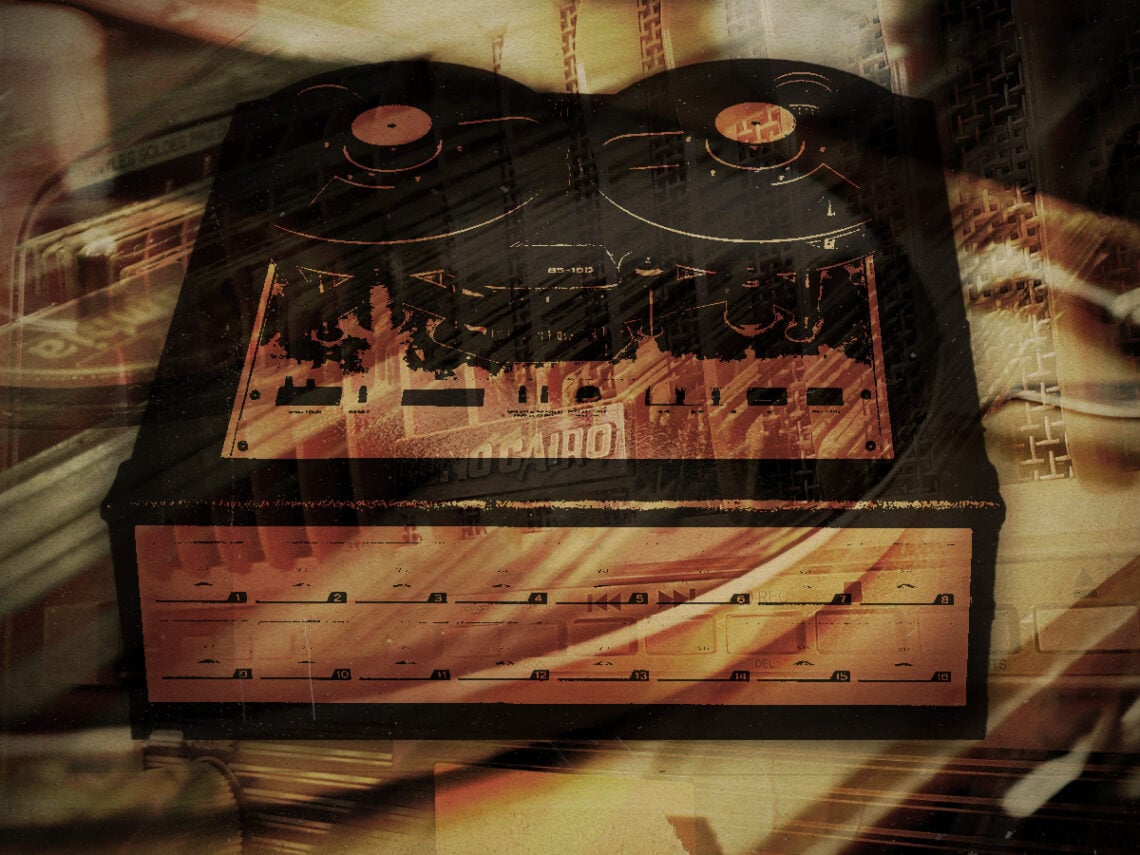
Such a marriage would shape one of his biggest hits. Pioneering multi-track along with his singing partner and wife, Mary Ford, a custom Ampex 300 in their Queens apartment was backed by a home-made mixer, a Bell & Howe amp, and a ribbon mic to stand with equal stature to his guitar on their cover of the old jazz standard, ‘How High the Moon’.

While some minor overdubs had been hinted at on Patti Page’s ‘Confess’ in 1947, it was Les Pal and Mary Ford’s ‘How High the Moon’ four years later that placed such sonic innovations front and centre. Paul played all lead, rhythm, muted strings, and basslines on guitar, while Ford cut three vocal takes with a blanket over her head to mitigate the travelling lest she annoy the neighbours.
Pop history was made as ‘How High the Moon’ spent nine weeks at number one, and the dazzling sounds captured proved that multi-track recordings need not be confined to novel trickery but are an essential instrument in any artist’s arsenal. The road to Sgt Pepper, The Dark Side of the Moon, and ‘Bohemian Rhapsody’ was all paved by Paul and Ford’s little swing number from 1951.
