


Ridiculous to Revolutionary: 10 truly ludicrous concept albums

The concept album is usually one of the defining moments in any artist’s career. For all of the time spent making simple songs about rock and roll, love affairs, or just the downright strange tune, this is the moment where you prove yourself to be a true artist independent of your peers. That doesn’t mean everything has to make sense, and even the biggest acts in the world, like David Bowie, have made albums that have fans scratching their heads as to what they mean.
During the rollouts of every one of these albums, fans were given a ride through some of the strangest stories that have ever been put to vinyl. From songs about the cast intricacies of life to the kind of long-winded fiction that would make even Peter Jackson blush, many of these albums will have people wondering what the hell they were getting at in the first place.
Does that mean that every one of these albums is terrible? No, far from it. While there are more than a couple of records on this list whose concept swallows the quality of the music, there are just as many insane concepts that actually turn out far better than anyone would have realised, even turning a corner for the artists in question in the process.
No matter how many weird additions the band put into their sound, that didn’t stop every one of these albums from standing as a strange oddity in their catalogue. It may be a bit strange going in, but if you spend time with these albums, you’ll either find the moment where everything clicks or the whiny pretentious artist hidden underneath it all.
10 truly ludicrous concept albums
10. Welcome to My Nightmare – Alice Cooper
Alice Cooper was always destined to do more outside of his main band. From the first time that he started decapitating baby dolls live, there were just as many people coming into the show to see the spectacle as they wanted to hear the band perform. Once the band went AWOL, Cooper had only one idea: why not give them a trip to the theatre?
Centering around a deranged look into the night, Welcome to My Nightmare is packed to the brim with every single horrific sound to come out of the 1970s. While there are some serious subject matters to be tackled here, like ‘Only Women Bleed’, the best moments are when Cooper is hamming it up, even getting Vincent Price to do a little voiceover for the album before Michael Jackson got the idea.
The biggest indicator of what the album has to offer is ‘Stephen’, telling the story of a deranged man who still wants to get back in touch with his childhood self. For all of the disturbing tales Cooper made up until this point, Welcome to the Nightmare is the closest he has ever come to telling the story of what really lives in his head.
9. Danger Days – My Chemical Romance
Every single My Chemical Romance album was intended to be somewhat of a concept record. Even though the band never set a storyline behind their first albums, The Black Parade was where everything came together, putting together Queen-level theatrics with a story about a patient slowly withering away in a hospital. When you make something that good, though, what kind of concept do you possibly follow that up with? Simple: neon-coloured Mad Max.
Taking inspiration from a comic book that Gerard Way was making on the side, Danger Days is the kind of album that feels like a dance party happening at the end of the world. While there are a few theatrics left over from the band’s last record like ‘Scarecrow’, the majority of the album feels like the band channelling that same angsty energy through synthesisers, including some truly squelchy performances on songs like ‘Planetary (GO!)’.
Whereas most of the last album had one story, this whole thing feels like an attempt at making anthems for the source material, including punk rock scorchers at some points and melodramatic tracks when they want to. The momentum wasn’t enough to keep the band going for much longer, but Danger Days is still a decent finish to the classic era of the band before their lengthy hiatus.
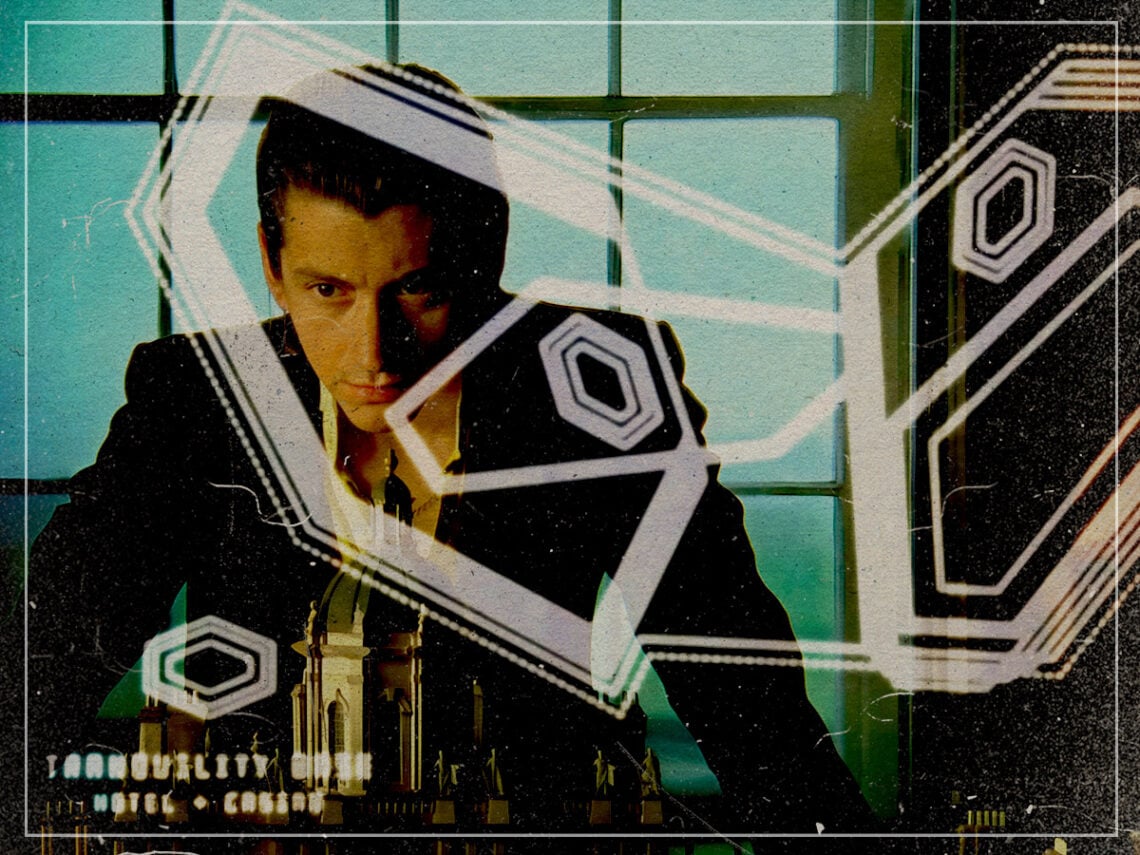
8. Tranquility Base Hotel and Casino – Arctic Monkeys
Is it just me, or are the Arctic Monkeys one of the last rock bands still standing? Make no mistake, rock still exists in corners of the galaxy, but Alex Turner has been happy to fly the flag in the mainstream more than anyone else has ever dared to try in recent memory. Or at least…that’s what he had been doing for the past few years before he traded in his bluesy influences for a lounge piano.
Right after the success of AM, the band went through a major shift on Tranquility Base Hotel and Casino, making the kind of album that sounds like it could have been made for elevator music in a space-themed hotel. While this is primarily the exact opposite of what many were expecting out of the band, the fact that they made songs with Richard Cheese-levels of hamminess and pulled it off is at least somewhat commendable.
For every song that doesn’t really work, there are songs like ‘Four Out Of Five’, which feel like the band is trying something new and actually putting their own spin on it. In a world that frowns on any rock band that is not staying in their genre, Arctic Monkeys adapted to the times just like David Bowie did back in the day: never stop experimenting, and maybe you’ll find diamonds along the way.
7. Kilroy Was Here – Styx
Has there ever been a band that looked more like a business than Styx? Sure, they may have some anthemic songs in their time, but there are just as many times when their songs sound less like they were played from the heart and more like Dennis DeYoung created a committee for what constitutes a prog-rock tune. If the band had had enough of the concept albums by the 1980s, though, DeYoung had one of the most bizarre albums ever made just waiting in the wings.
Centred around the dangers of technology, Kilroy Was Here was supposed to be a dystopian concept album about keeping rock and roll alive in the age of technology. Instead, what we got was some of the most unintentionally hilarious songs that the band had ever made, with DeYoung painting himself as a rock and roll hero on ‘Mr Roboto’ and James ‘JY’ Young being the evil televangelist ‘Dr Righteous’.
While the cheese factor of many of these songs is half of the appeal, there comes a point where even they overstay their welcome just a little bit, especially towards the end, where they forget the concept altogether on ballads like ‘Haven’t We Been Here Before’. Compared to every progressive rock concept they had tried in the past, this feels like the band created half a concept record and then slapped some cheesy synthesisers on it to make everything sound finished.
6. Hounds of Love – Kate Bush
If there’s one thing to be gained from Styx’s case, it’s that you have to commit to a concept album. No one is able to just half-ass their way through any of them, so it’s in your best interest to do right by your fans and make something that you feel in your heart rather than what you think will sell. Kate Bush may have also made half a concept record, but the back half of Hounds of Love is the kind of conceptual masterwork that no one can touch.
Since the first half of the album was intended to be the main singles like ‘Cloudbusting’ and ‘Running Up That Hill’, the B-side is an entire movement referred to as The Ninth Wave. Taking place at sea, the song sequence is the story of a woman who’s involved in a boat wreck and left drifting in and out of consciousness as she desperately waits for help to arrive.
Compared to the other mind-expanding songs on the rest of the album, Bush puts us right in the middle of the chaos throughout most of the piece, with the baroque instrumentation practically serving as foley instruments as they toss and turn her throughout the mix. While Bush has been cagey about giving away the details behind The Ninth Wave, it’s one of the few times when pop music has reached a level of sophistication on par with Shakespeare.
5. American IV – Johnny Cash
Johnny Cash was never someone to be trifled with. Even though it was never confirmed that he served any hard time, ‘The Man in Black’ was always an intimidating presence with a guitar in his hands, singing songs about the wrong side of the tracks as if he had a personal background with it. Everyone comes to the end of the line at some point, though, and Cash’s final album while he was alive serves as an unintended epitaph to the man’s work.
Since this is the fourth in a series of albums made with Rick Rubin, much of the album involves Cash’s usual mix of country favourites alongside covers of rock artists like Depeche Mode and the Eagles. While that doesn’t always make for the best fit, this only feels like a concept album when you realise that Cash passed away within a few months of the album being finished.
From the gripping performance of Nine Inch Nails’ ‘Hurt’ to ending with ‘We’ll Meet Again’, the entire album feels like Cash is making peace with every single aspect of his life, especially towards the end where he delves into religious territory. After years of being the fixture of outlaw country, Cash’s final album during his lifetime feels like a man sitting at the pearly gates and taking inventory of his sins before taking that last big jump.
4. A Thousand Suns – Linkin Park
No nu-metal band was ever supposed to be taking themselves that seriously. Or, more accurately, no nu-metal could take themselves seriously and have everyone else take them seriously, with most of the biggest names in music singing about their internal pain and coming off as more than a little bit whiny at times. Linkin Park were always the outliers of the genre, though, and their bid to become ambitious rockstars led to one of the most forward-thinking rock albums of the 2010s.
Taking inspiration from the fear of nuclear annihilation, A Thousand Suns was the band fully embracing the technical side of their sound, keeping loud guitars in the background while letting DJ Joe Hahn take centre stage. The result feels like the band is walking you through the wreckage of a nuclear explosion, painting graphic pictures of swimming in smoke on ‘Burning in the Skies’ and furious tirades on those who drop bombs on ‘Wretches and Kings’.
While the interludes can get a bit indulgent for some, they are also incredibly necessary, including reminders of humankind’s compassion from Martin Luther King Jr and forewarnings from J Robert Oppenheimer of what could come of a nuclear strike. Linkin Park may have coated themselves in electronic noise, but beyond the concept, they also wrote the blueprint for how rock would sound going forward.
3. The Final Cut – Pink Floyd
No one was really going to question Pink Floyd’s judgement after making The Wall. The band had made a concept so sturdy that it could be used as the soundtrack to a film, a massive stage production and a concept album all in one go, so what was going to next? The short answer: the kind of table scraps stitched together to look like another conceptual work.
While The Final Cut is a decent album for what it is, it’s hard to look at it as a companion piece to what already happened on The Wall. Since most of the material was left over from what the band threw out, not everyone was on board, with David Gilmour questioning why some songs were suddenly good enough for the band.
The nightmarish recording schedule also didn’t help, with the band eventually parting ways with Waters once the sessions wrapped up. Their ambitious side may not have gone anywhere, but there’s only so long that someone can be creative before everything starts crashing down around them…kinda like a tall structure made of bricks that is oddly familiar.
2. 1. Outside – David Bowie
Every single project that David Bowie ever made could justifiably be considered a conceptual record. He never shied away from bringing theatre into his act, and the kind of strange approach to Ziggy Stardust was just odd enough for the rest of the world to fall in love with Bowie’s resident alien. After shedding his skin multiple times in the 1970s, his turn as a pop star in the 1980s led to Bowie restructuring himself for the back half of the decade.
One of the longest projects Bowie had ever released, Outside is the sound of him getting weird with electronic textures inspired by the sounds of industrial music. The concept is another macabre story altogether, telling the story of a dystopia where people murder each other as a means of artistic expression.
Even though Bowie was already known as a master of different mediums, this feels like one of the best albums that Nine Inch Nails never made, with Bowie even standing alongside industrial rock musicians when ‘The Hearts Filthy Lesson’ was used for the soundtrack of David Fincher’s Seven. Still, after years of being a fixture of rock and roll, Bowie was still peeling back his sound to see what fit.
1. Sgt Peppers – The Beatles
The concept album is by no means a new medium. Not all albums have to tell a story, but artists like Frank Sinatra were paying careful attention to what made songs speak to each other as far back as the 1950s. The Beatles always saw their craft as something different from the norm, though, and when they left the road, Paul McCartney came up with an idea that was just crazy enough to work.
Not wanting to play the same music one more time, Macca thought the entire band could adopt a new persona, making songs that were from the perspective of Sgt Peppers Lonely Hearts Club Band. Since the whole thing was draped under someone else’s name, the band used that freedom to do whatever they wanted, with John Lennon embracing whimsy on ‘Being for the Benefit of Mr Kite’ and McCartney making some of his most chipper songs on ‘When I’m 64’.
While Lennon and George Harrison admitted that they weren’t in love with the concept, songs like ‘A Day in the Life’ were proof enough that the experiment at least partially succeeded. Released right in the midst of ‘The Summer of Love’, Sgt Peppers was a reminder from the Fab Four that anything was possible as long as someone was counting off the take.
