


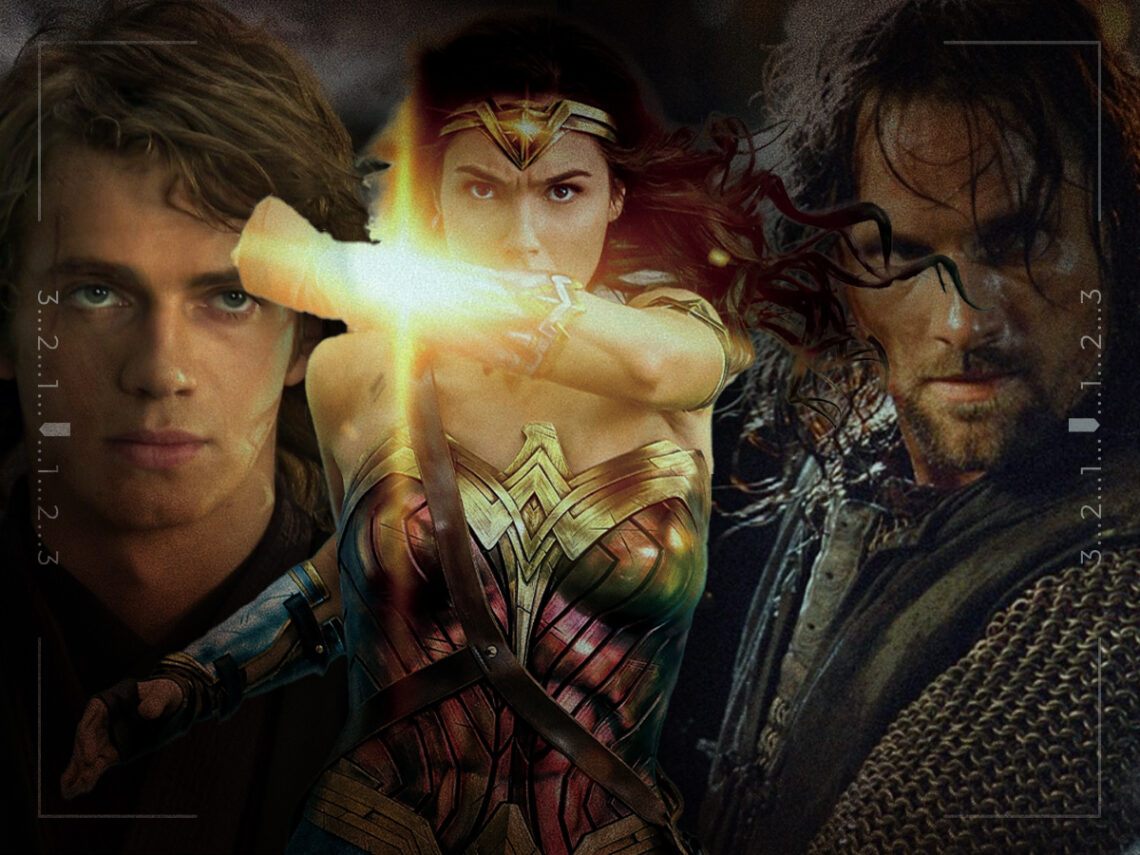
10 terrible lines of dialogue that ruined a perfectly good movie scene

Screenwriting is one of the hardest parts of making a film because of how easy it can be to misinterpret what’s written on the page.
A truism that is often said about Hollywood is that there can be a great script that’s made into a terrible movie, but never a terrible script that’s made into a good one. Screenwriters have the task of putting down everything that will be visualised, and if something doesn’t work on the page, it’s not going to be worse onscreen.
Dialogue is a difficult aspect to tackle because it’s entirely dependent on delivery and performance, such that the way a line is read can entirely change its meaning, with the writer, director, and actor all needing to share a common perspective on what its intentionality can be. There’s nothing better than a great one-liner, but those that are particularly terrible can stick in the minds of moviegoers and become the subject of ridicule.
There comes a point where lampooning the script of a bad movie serves no purpose, where the line, “He was in the Amazon with my mom when she was researching spiders right before she died”, is truly awful, but it didn’t single-handedly make Madame Web an awful movie; thus, it’s more interesting to look at films that were otherwise working before a notably bad dialogue moment ruined their intentions.
10 terrible dialogues that tainted perfectly good movies:
‘American Beauty’ (Sam Mendes, 1999)<br>
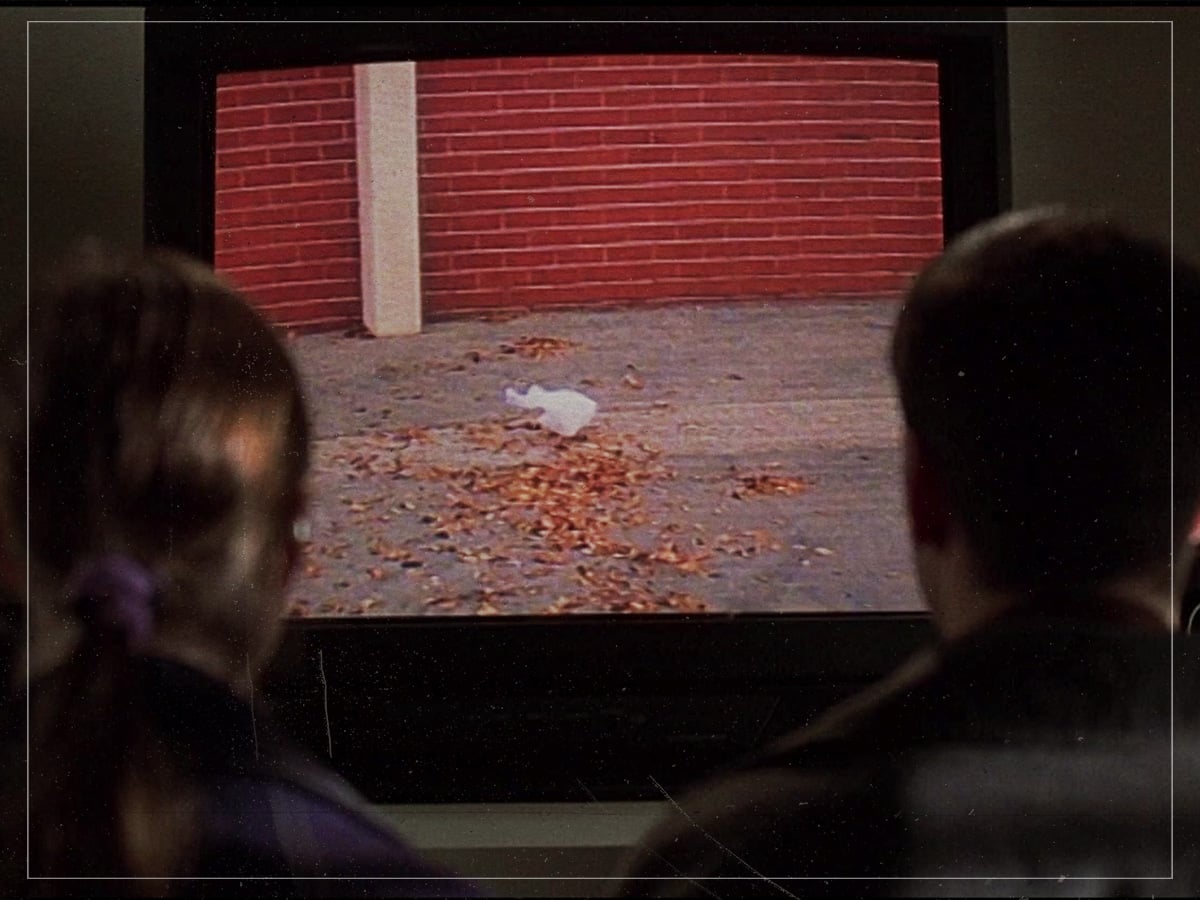
“Sometimes, there’s so much beauty in the world, I feel like I can’t take it. Like my heart’s going to cave in”.
Although crowned ‘Best Picture’ in 1999 and met with critical adoration, American Beauty has been a somewhat contentious movie in the years since its release, with the themes of the film reassessed, especially in the wake of the controversy surrounding its star, Kevin Spacey, who plays a predatory character. However, its most mocked line actually comes from the character Rick Fitts, played by Wes Bentley.
Alan Ball’s screenplay was clearly trying to say something profound about how easy it can be to watch life pass by, but to have Bentley delivering such a serious monologue while watching a plastic bag just felt ridiculous. In many ways, its desperate attempts to be existential and moving represented the manipulative, self-important tone of American Beauty that struck so many people as feeling insincere and phoney.
‘X-Men’ (Bryan Singer, 2000)<br>
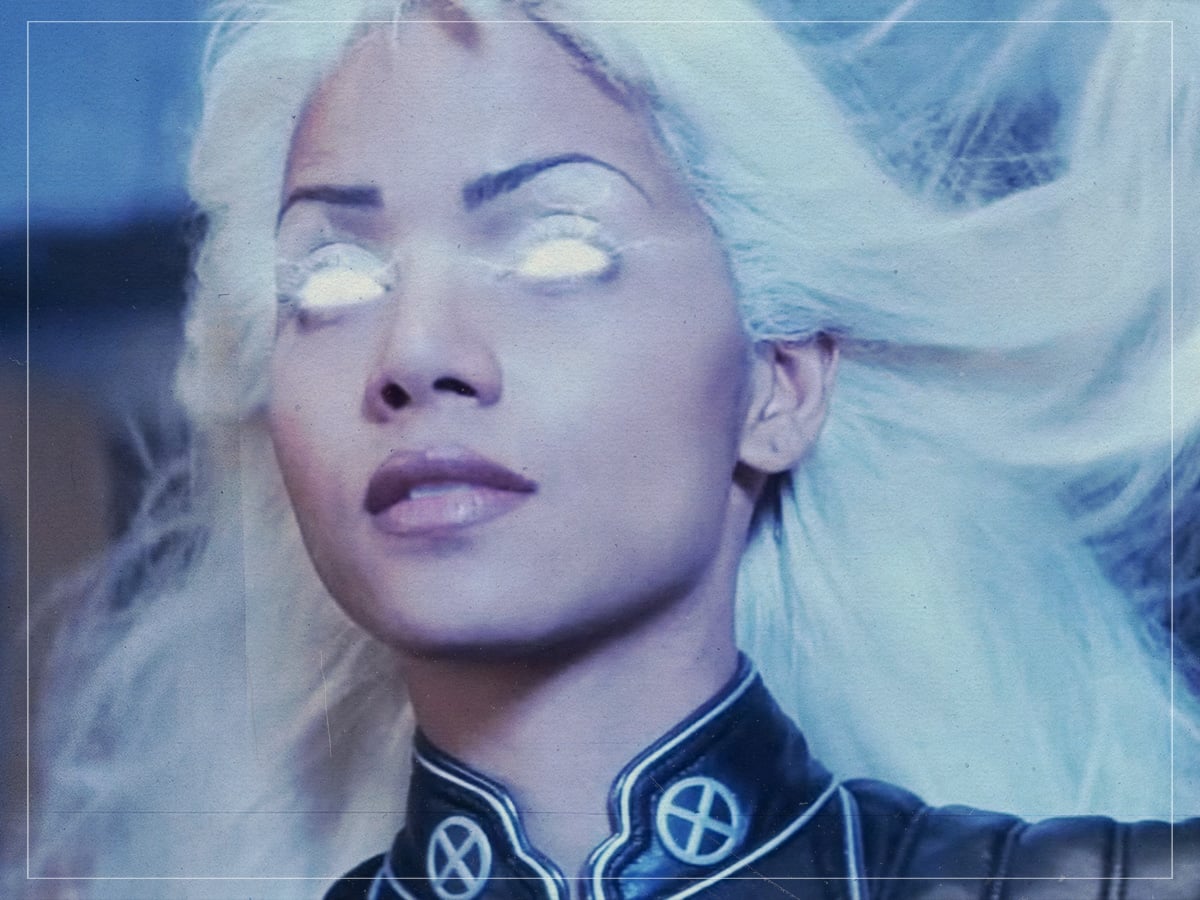
“Do you know what happens to a toad when it’s struck by lightning? The same thing that happens to everything else”.
The X-Men franchise has had plenty of ups and downs, but the original film from 2000 was responsible for much of what the comic book genre has turned into today. Bryan Singer was able to retain all the best science fiction and fantasy components from the original Marvel comics, but developed more realistic dialogue and helped flesh out the characters into authentic people.
The more serious tone of X-Men made any of the overt attempts at replicating the snarky humour of Stan Lee’s original material stand out even more; so, although the line that Storm Halle Berry’s Storm delivers to the evil mutant Toad, played by Ray Park, may have fit within a more light-hearted comic or episode of X-Men: The Animated Series, it destroyed the spirit of a film that was trying to be more grounded and reflect the interests of those who didn’t have any prior interest in the comics.
‘As Good As It Gets’ (James L Brooks, 1997)<br>
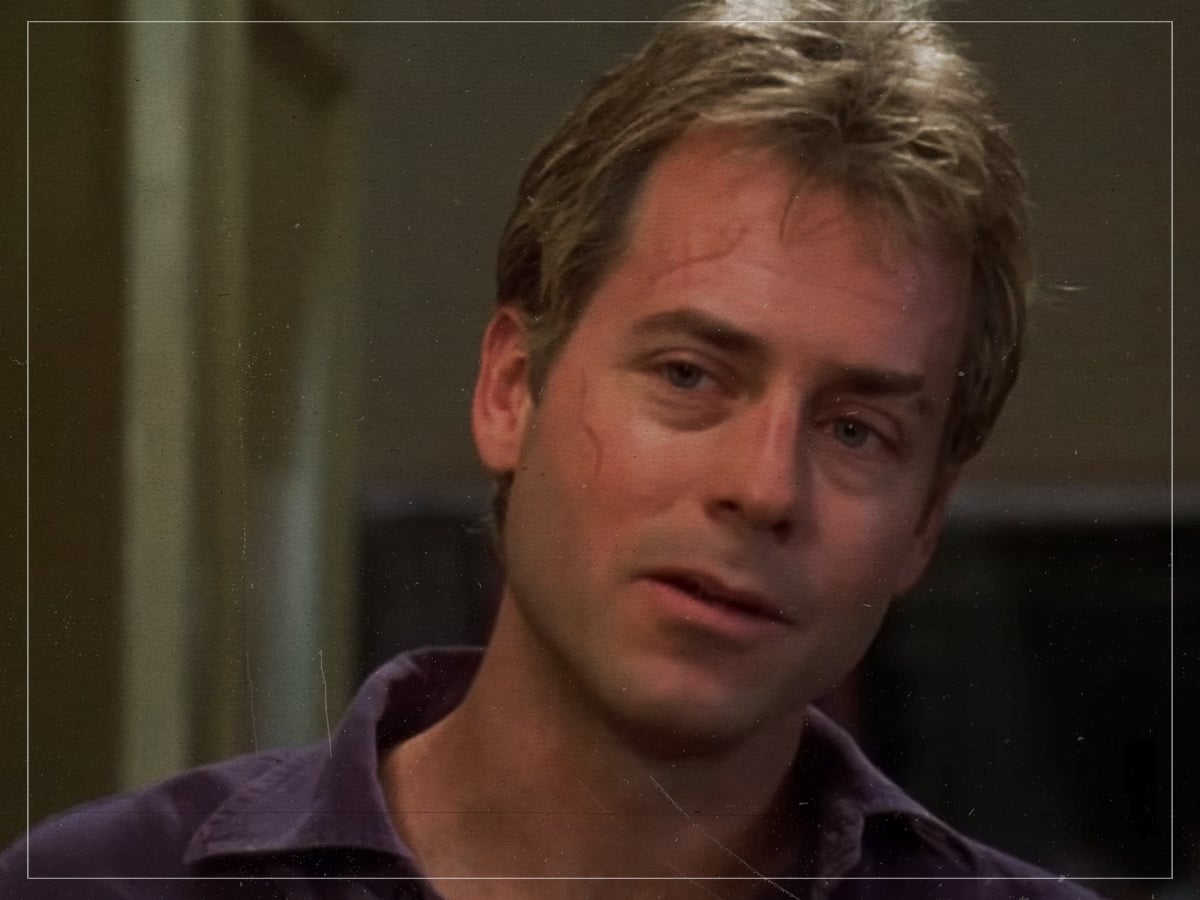
“But you’re beautiful, Carol. Your skin, your long neck. The back. The line of you. You’re why cavemen chiselled on walls”.
As Good As It Gets was a true phenomenon that solidified James L Brooks as a writer/director who could tell thoughtful, authentic stories about aspects of the human experience, and wasn’t afraid to be sentimental. Although Jack Nicholson won the third of his three Academy Awards for his work in the film, it served as a breakout for Greg Kinnear and Helen Hunt, both of whom hadn’t been treated with as much attention by the industry up until that point.
Kinnear’s performance in the film has aged surprisingly well, as he was able to avoid stereotyping gay characters by playing his role as someone sensitive, funny, and endearing. However, he has a few lines that are so flowery and obnoxiously overwritten that they made the character feel far more one-note than the rest of his performance would indicate, especially this one.
‘The Lord of the Rings: The Two Towers’ (Peter Jackson, 2002)<br>
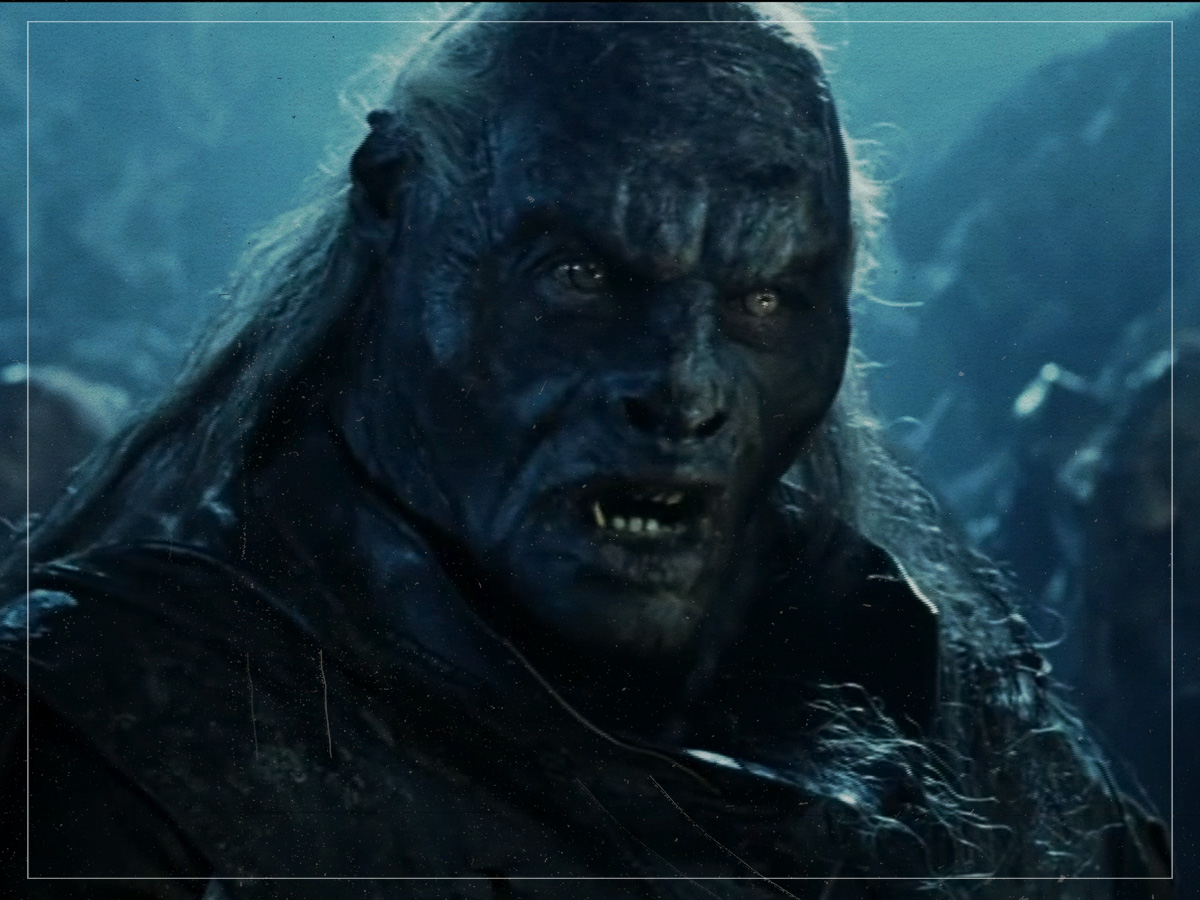
“Looks like meat’s back on the menu, boys”.
The Lord of the Rings isn’t just the greatest movie trilogy of all time because of JRR Tolkien’s source material, but because Peter Jackson was the perfect director to interpret the world of Middle-earth. Jackson used his interests in both horror and dark comedy to flesh out Tolkien’s characters to make them more approachable, and added touches of personality to even the monstrous creatures.
The film takes place in a completely different universe, and any direct comparisons to reality tend to break the magic, hence this line from the Uruk-hai chief to his followers in The Lord of the Rings: The Two Towers seemed to imply that there is such thing as a ‘menu’ for the armies of Sauron, which doesn’t make sense given everything that is revealed about how the evil armies of Mordor came into existence.
‘Wonder Woman’ (Patty Jenkins, 2017)<br>
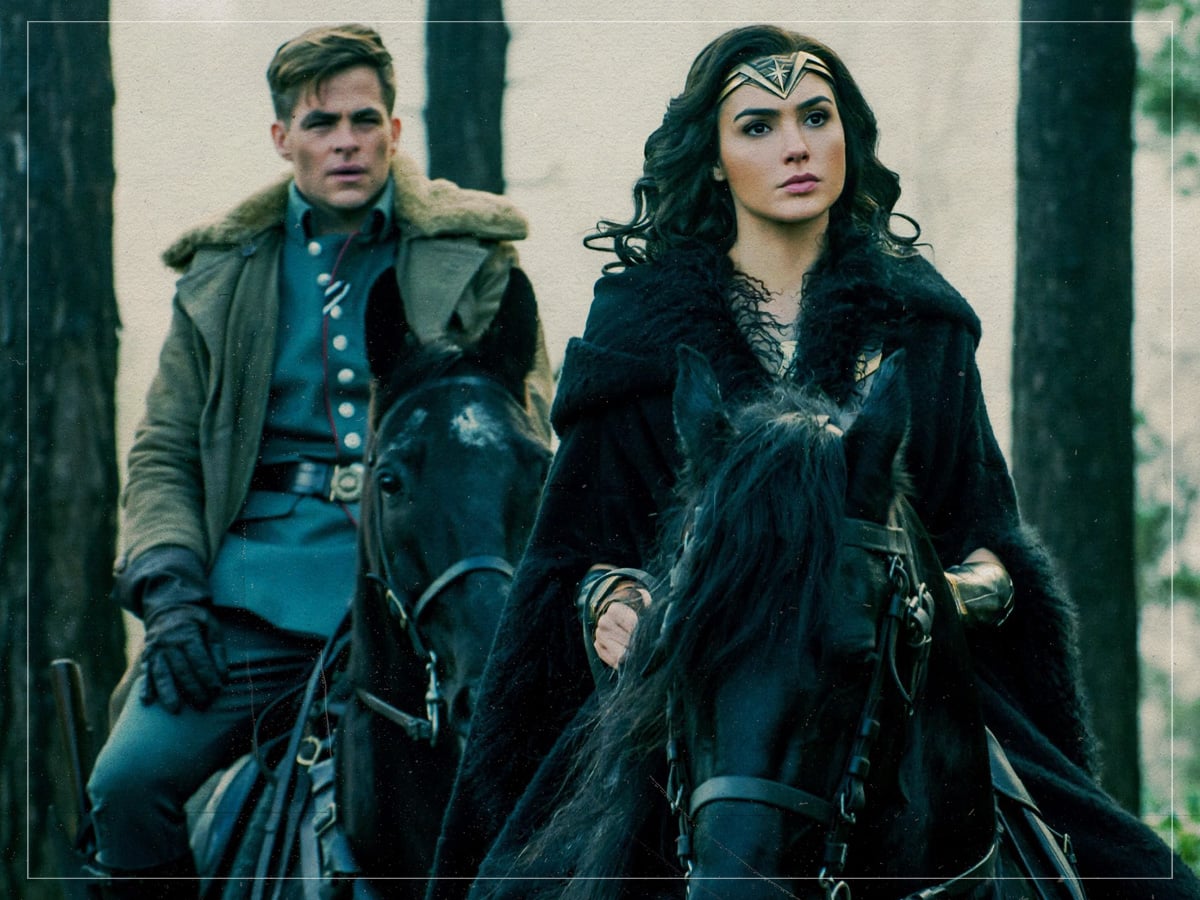
“We are a bridge to a greater understanding”.
Wonder Woman was a strange cultural touchstone because of what it represented to the industry at the time of its release. While the film was hailed as being the first truly successful female superhero film after the failures of Catwoman and Elektra, it also saved the trajectory of the DCEU after the highly negative reactions to Batman v Superman: Dawn of Justice and Suicide Squad.
In hindsight, those who poked holes in Wonder Woman were correct; even if the film did away with the unnecessary cynicism of Zack Snyder, the stilted, monotonous dialogue delivery and performance of Gal Gadot’s Diana Prince made it difficult to engage with, best represented in a particularly cringe-inducing scene where she tries to explain the majesty of her Amazon people to the pilot Chris Pine’s Steve Trevor, and can seemingly only speak in over-the-top metaphors.
‘Star Wars: Episode III – Revenge of the Sith (George Lucas, 2005)<br>
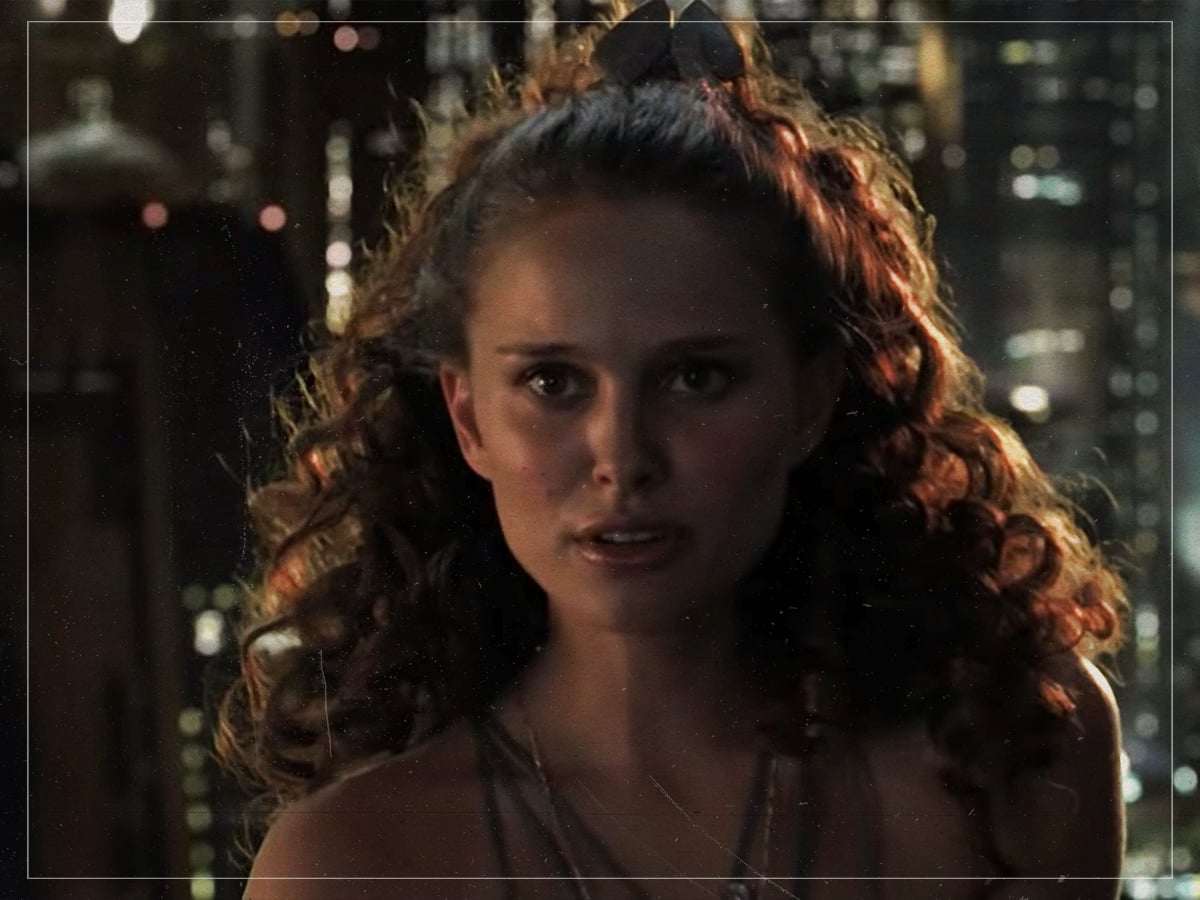
“So love has blinded you?”
Star Wars: Episode III – Revenge of the Sith is the one instalment in George Lucas’ Star Wars prequel trilogy that fans might genuinely defend, as it did manage to fix a lot of the issues of its predecessors when it came to pacing and action. Although it does get a lot closer to the magic of the original trilogy, the film wasn’t able to improve upon the unconvincing romance between Hayden Christensen’s Anakin Skywalker and Natalie Portman’s Padme Amidala.
Christensen and Portman are both talented performers, and their lack of chemistry can’t be blamed on anything but Lucas’ dialogue writing. A sequence early on in the film, after the Battle of Coruscant, where Anakin and Padme are flirting, is so awkward and obtuse that it ends up making both characters feel like completely impenetrable psychopaths who have no means of processing any identifiable human emotions.
‘Love Story’ (Arthur Hiller, 1970)<br>
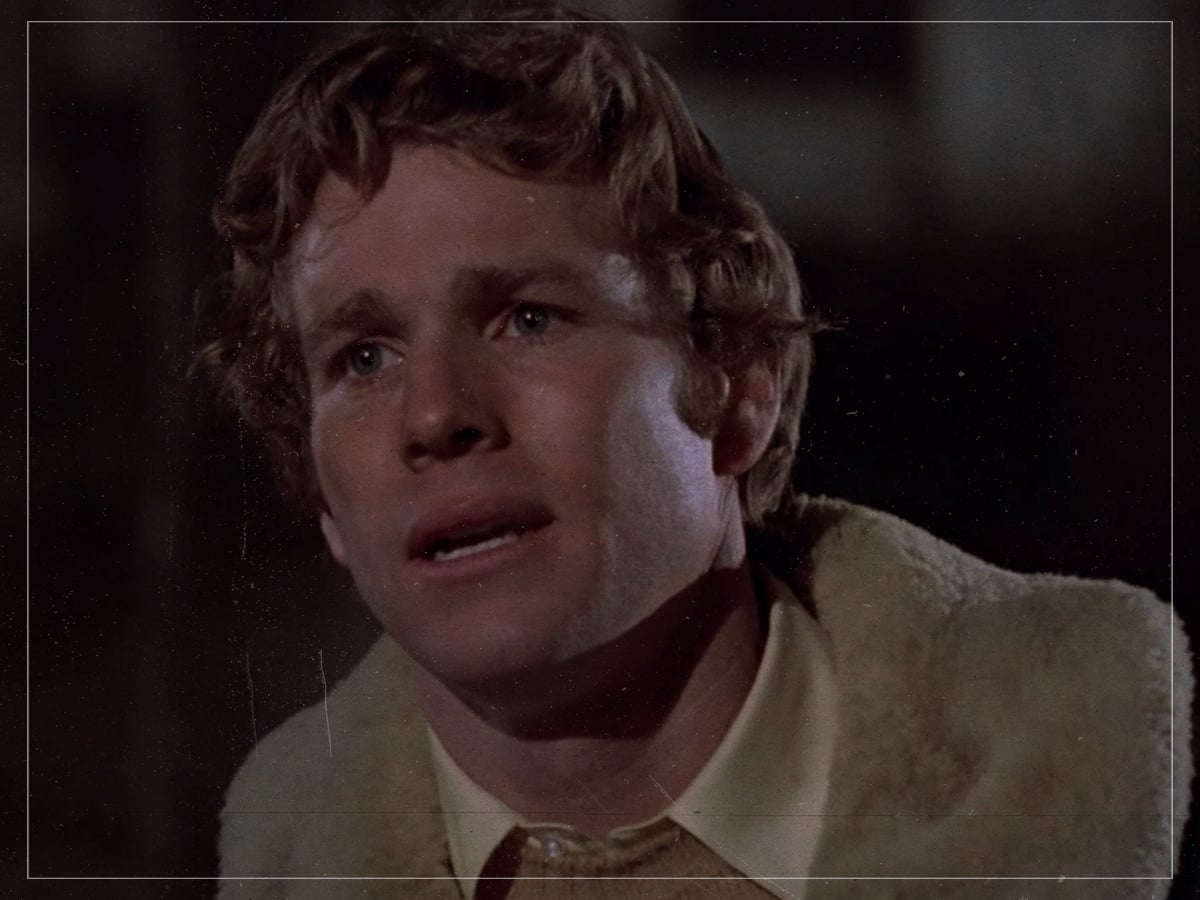
“Love means never having to say you’re sorry”.
Love Story was a rare phenomenon in 1970 because it proved that a best-selling book could become a hit film as well, and in a time before the modern romantic comedy had taken off, the highly sincere, emotional saga of a wealthy young man and his lower-class girlfriend swept the nation by storm and became both the highest-grossing film of the year and a major contender at the Academy Awards.
Times have changed, and in the nearly six decades since Love Story was released, some of the dialogue that seemed charming at the time now feels out-of-touch and even slightly malicious. While Ryan O’Neal is as charming as ever and does his best to deliver bold proclamations about romance, the idea that love gives people an excuse to never admit to their faults is admittedly a much tougher pill to swallow in 2026.
‘Armageddon’ (Michael Bay, 1998)<br>
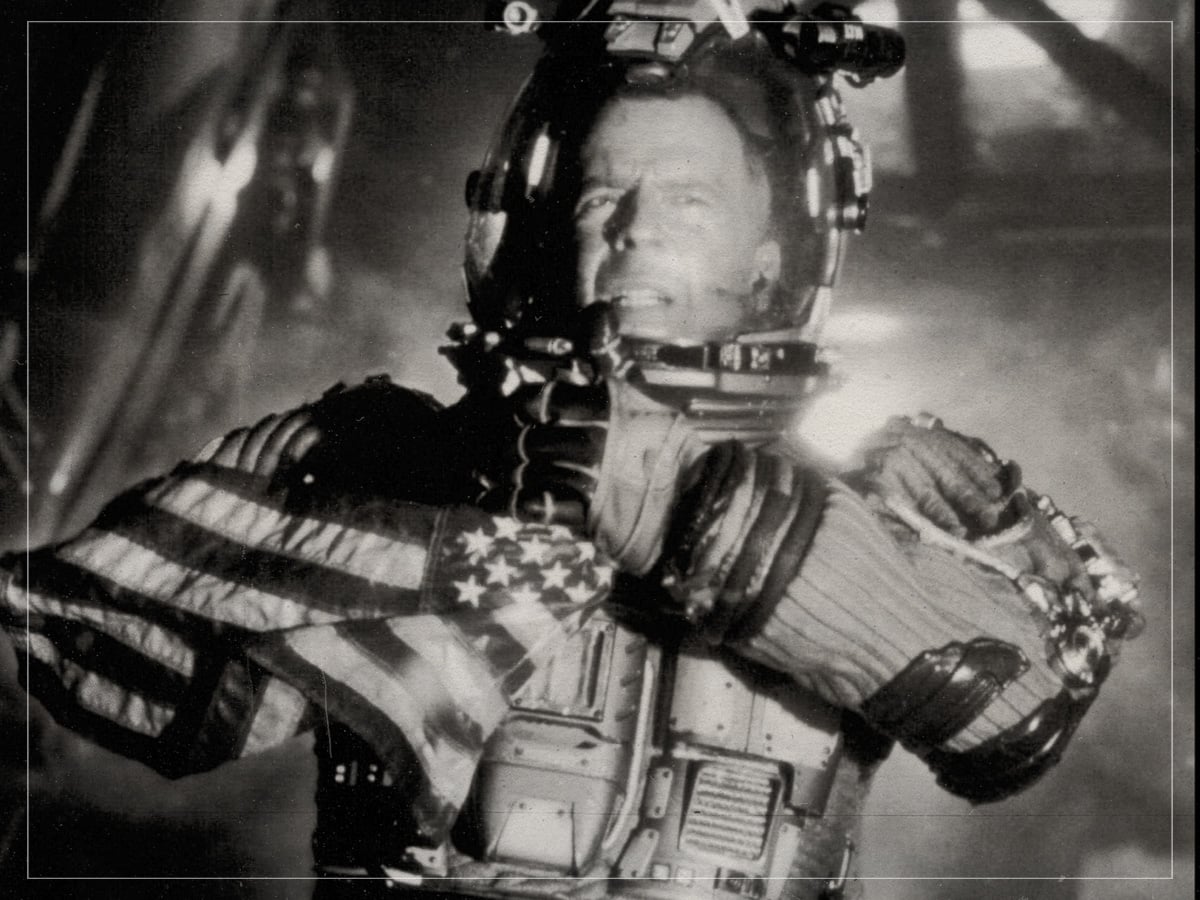
“He’s got space dementia”.
Armageddon is the rare film in which critics and audiences were on completely opposite sides of the debate; while the film’s cheesiness and illogic made it a target for pundits like Roger Ebert, audiences seemed to embrace Michael Bay’s over-the-top space adventure and admired how unambiguously corny and silly it was.
None of the dialogue in Armageddon is particularly profound, but there’s a point where it just becomes illogical to be delivering snarky one-liners when the fate of the world is in the balance. William Fichtner is a great actor who is able to give a surprisingly respectable performance, despite how underwritten his role is, but his observation about the mental state of Bruce Willis’ character is simply hilarious, and not in the way that Bay and his screenwriter JJ Abrams intended it to be.
‘Watchmen’ (Zack Snyder, 2009)
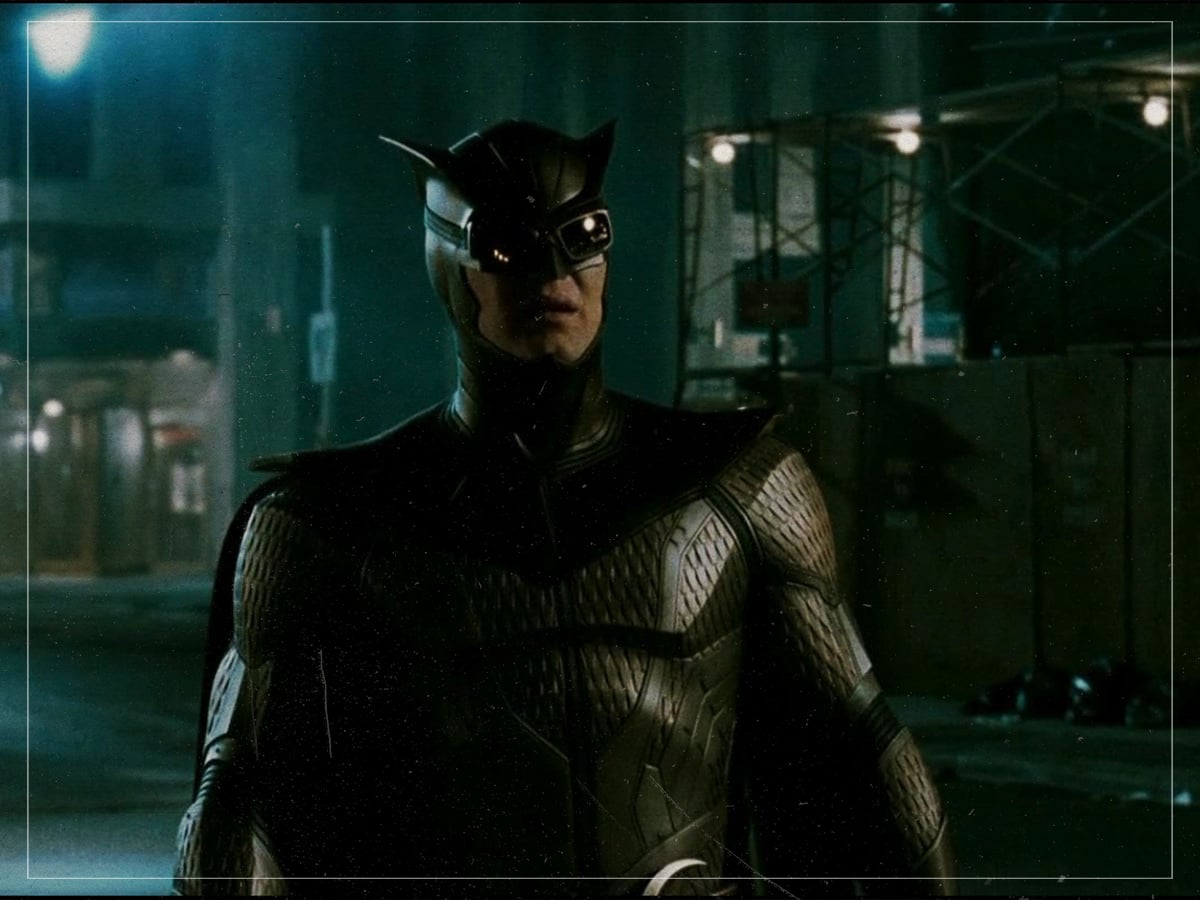
“What happened to us? What happened to the American Dream?”
Zack Snyder’s 2009 version of Watchmen is the rare adaptation that suffered from being a bit too close to the source material. While he was able to capture the essence of Alan Moore’s pages, including some frames that are nearly exactly replicated, his obtuseness as a filmmaker meant that some of the more subtle political and social commentary became far too overt in the final cut.
A pivotal instance in Watchmen involves Owl Man, played by Patrick Wilson, realising that Jackie Earl Haley’s Rorschach has gone too far, and that the superheroes now represent the type of threat that they were initially formed to protect the world from. It should be easy to imply that Owl Man is witnessing the fall of the ‘American Dream’ that occurred during the back half of the 20th century, but Snyder couldn’t help but express that with the most obvious line ever, beating audiences over the head with the concept.
‘Avengers: Age of Ultron’ (Joss Whedon, 2009)<br>
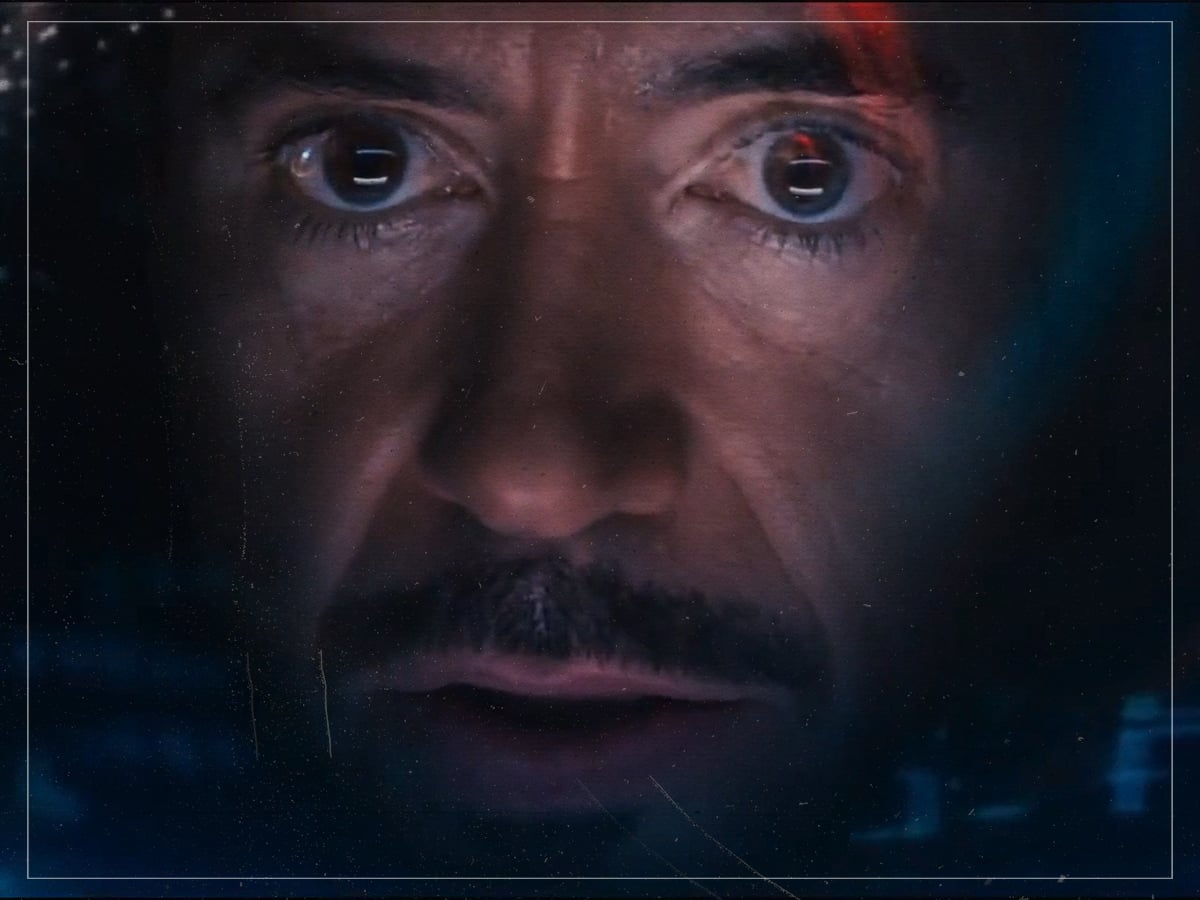
“Romanoff, you and Banner better not be playing hide the zucchini”.
Although all of the films in The Avengers series have been pretty well-reviewed, Avengers: Age of Ultron is notable because of the frustrations that writer/director Joss Whedon expressed about his experiences making it. Many of the storylines that he had come up with became controversial with fans, including a romance that emerges between Natasha Romanoff, portrayed by Scarlett Johansson and Bruce Banner, played by Mark Ruffalo.
The connection between the characters always felt a little bit off, especially with Robert Downey Jr’s Tony Stark making lewd comments about the two of them. It’s one of the elements of the film that the rest of the Marvel Cinematic Universe has essentially abandoned, as Banner and Romanoff don’t share any major scenes until the latter’s shocking death in Avengers: Endgame, which occurs on an entirely different planet far away from the Hulk.
