



10 songs that paved the way for the psychedelic movement

Scientific research often comes with unexpected consequences, and when discovering what would soon be known as LSD back in the 1930s, Albert Hofmann could never have predicted that the mind-altering substance would soon become the basis of one of the greatest cultural eras of the 20th century: the psychedelic age.
Emerging onto the American airwaves during the mid-1960s, spurred on by the likes of Ken Kesey, the Grateful Dead and their infamous ‘acid tests’, the kaleidoscopic realm of LSD changed the musical landscape forevermore. Almost overnight, the rock and roll airwaves went from short, sharp bursts of rebellious amphetamine-fueled energy to expansive jam sessions, sometimes stretching across entire LPs with an overarching narrative and a litany of experimental techniques that might as well have landed from the outer cosmos.
Certain groups quickly rose to the forefront of the psych scene, with The Beatles playing a key role in introducing the transformative nature of the drug onto the mainstream pop scene, thanks to revolutionary albums like Revolver, while Brian Wilson’s doomed experiments with acid spurred on Pet Sounds the very same year. From there, the psychedelic rock world ushered in the age of hippie counterculture, with San Francisco becoming the de facto destination for those who wanted to tune in and drop out.
Ultimately, though, the distinctive sound that defined the emergence of psychedelic rock didn’t arrive out of nowhere, and it wasn’t spurred on exclusively by the acid trips of LSD-riddled songwriters.
In fact, the psychedelic sound can be traced back, in one form or another, to the years before the drug was ever even discovered, when scenes like musique concrete began to experiment with non-traditional compositional techniques. Meanwhile, closer to the wire, the mid-1960s saw various lo-fi and obscure garage rock outfits experimenting with their own sound and accidentally landing upon the kind of atmosphere that would soon become known as psychedelia.
Like every emerging scene, psychedelia was a vast amalgamation of influences coming together under a cloud of mind-expanding drugs, and here, we have collected ten prime examples of tracks that paved the way for the countercultural realm of psychedelic rock, with or without the aid of the newfound drug.
10 songs that paved the way for the psychedelic movement:
The Gamblers – ‘LSD-25’
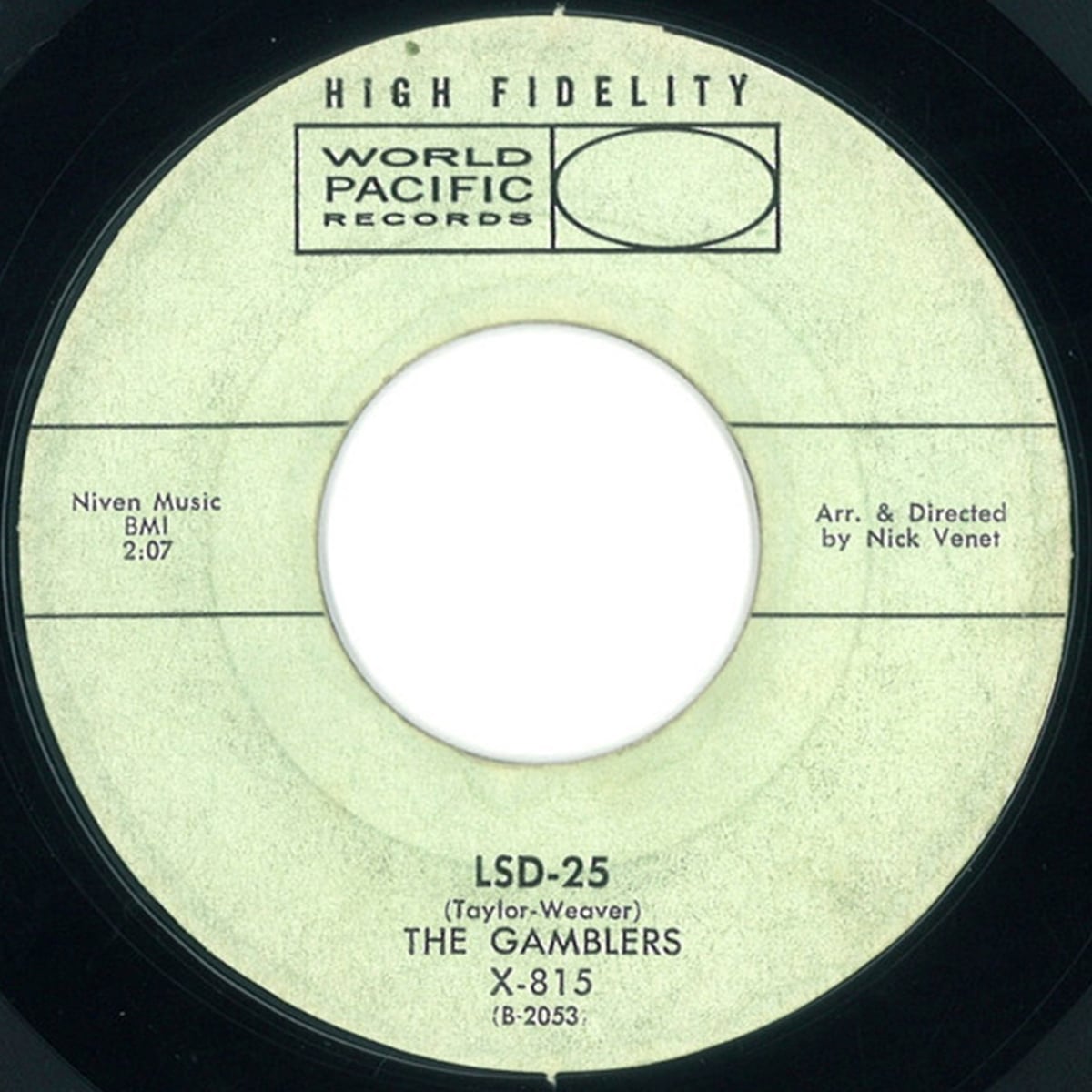
Not only did the California outfit The Gamblers stake a claim to being the first surf rock outfit with their 1960 single ‘Moon Dawg!’, but its lesser-known B-side, ‘LSD-25’, might be one of the earliest overtly psychedelic rock tracks. Although the instrumental track is predominantly a surf track, it does bear the hallmarks of some of the psychedelic jams that followed years later, not to mention the fact that the song directly namedrops LSD in its song title.
Reportedly, band members Derry Weaver and Larry Taylor, who wrote the song together, read about the drug in a magazine article and, presumably, decided it was a cool enough name and topic to christen the B-side. In doing so, the pair released the first-ever musical recording to mention LSD by name. Hence, while its sound might be pretty far away from the expansive mastery of the Summer of Love, this list simply wouldn’t be complete without it.
Ravi Shankar – ‘Raga Jog’
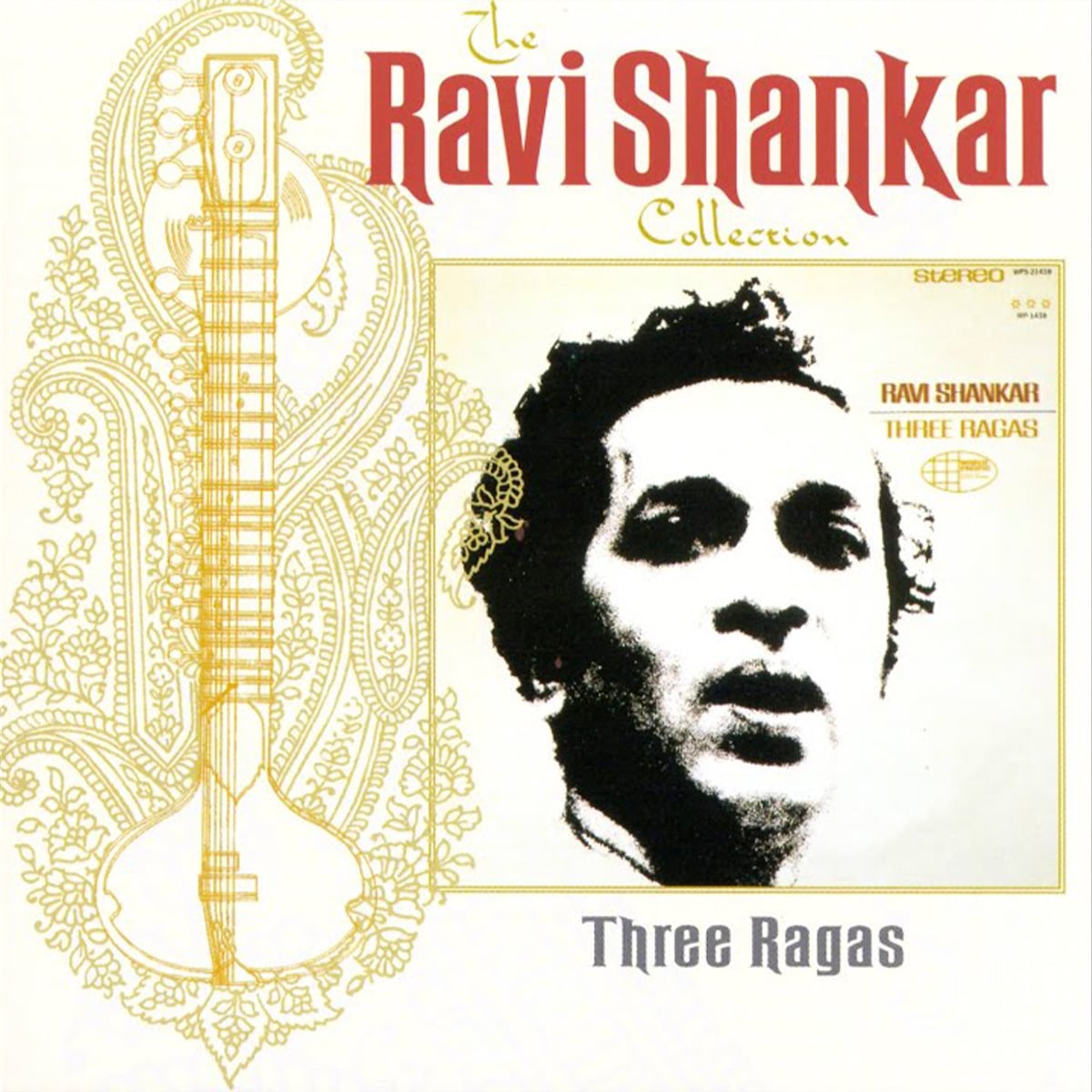
Eastern traditional music, and particularly Indian classical music, seemed almost naturally suited to the emerging world of psychedelic rock back in the 1960s. For Western audiences who had never previously heard the unmistakable sounds of a sitar, much less one being played by the master, Ravi Shankar, recordings like ‘Raga Jog’ were enough to blow their third eye wide open without any chemical aid.
Released in 1956 on his Three Ragas record, this is one of the earliest Shankar recordings that was directly aimed at Western audiences, and its influence on the psychedelic scene can – inevitably – be heard on The Beatles’ Revolver. After all, the Fab Four’s spiritual awakening and psychedelic reinvention simply would not have sounded the same without the incredible inspiration provided to them by Shankar during their voyages to India.
Pierre Henry – ‘Psyché Rock’
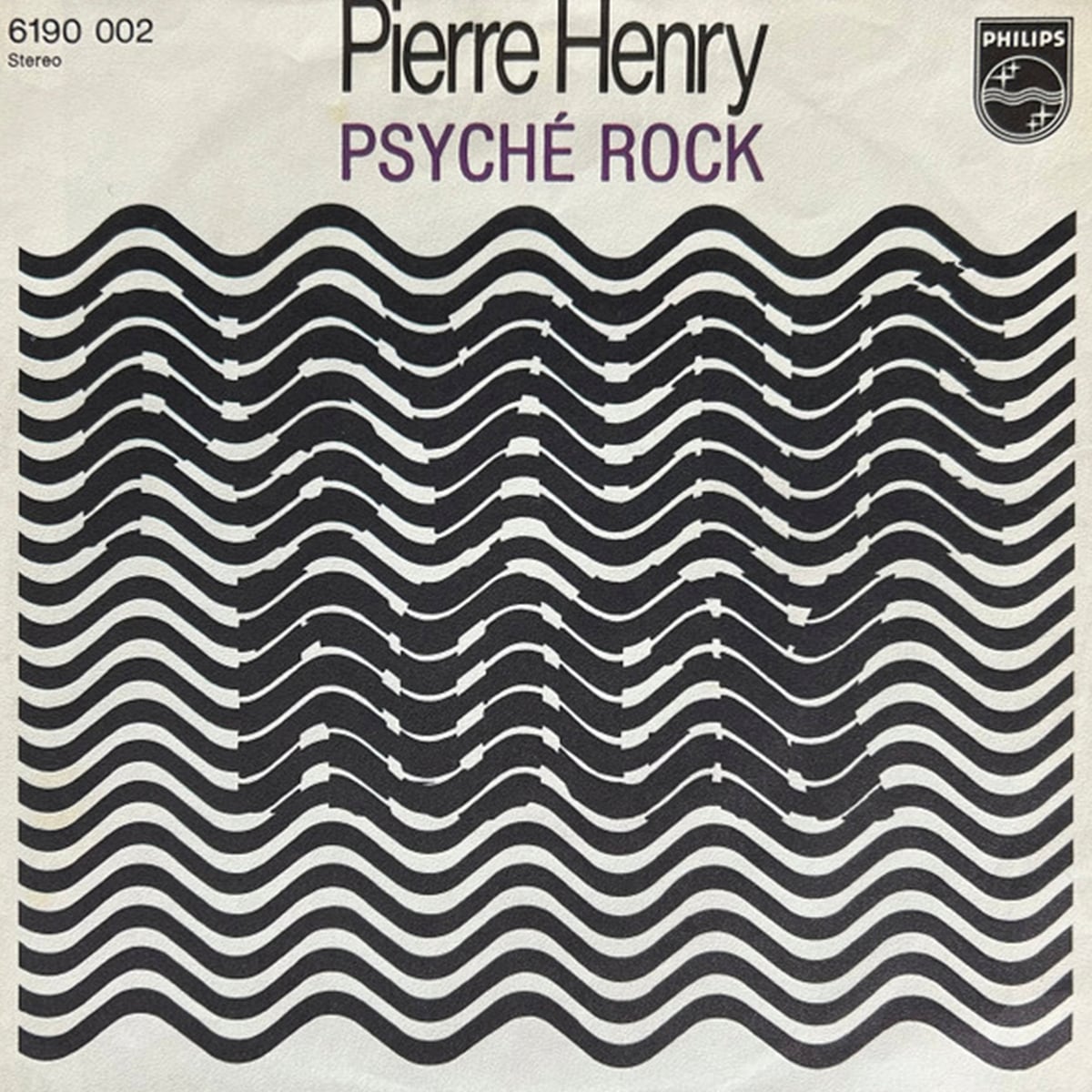
It is worth mentioning, immediately, that this experimental slice of musique concrète mastery was first released in 1968, during a time when the psychedelic ‘Summer of Love’ was in full swing. However, the track still serves as an unparalleled signifier of how the experimental world of musique concrète manifested itself within psychedelic rock.
Pierre Henry had, after all, been a key figure within the movement since the early post-war period, and his countless stunning contributions to that trailblazing realm of tape loops, organic noise, and sonic synthesis not only spurred on the emergence of modern experimental music but also provided psych with its otherworldly atmosphere. Ironically, therefore, this particularly cosmic track ended up being sampled for the theme tune of Futurama in the decades that followed its obscure original release.
Sandy Bull – ‘Blend’
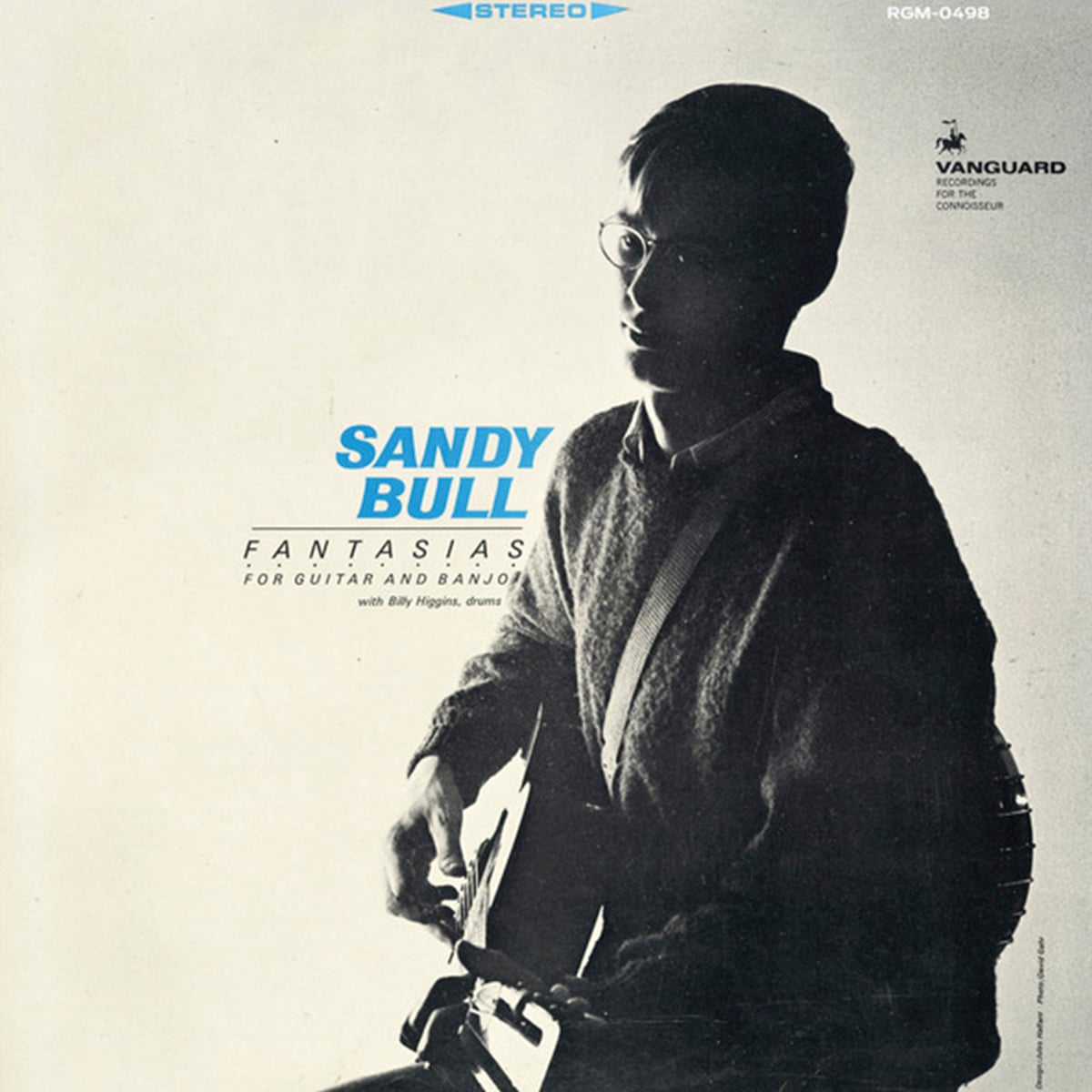
Folk music and psychedelic rock might seem like unnatural bedfellows upon initial glance; one being largely acoustic, with roots going back multiple centuries, and maintaining a particular focus on historical accuracy, and the other soundtracking the wildly out-there emergence of a newfound drug. Nevertheless, New York City’s Sandy Bull might form the bridge between those two very disparate worlds, injecting his acoustic folk sound with extensive, improvisational jams and ragas.
‘Blend’ was the 22-minute opening track of Bull’s 1963 debut album Fantasias for Guitar and Banjo, and it certainly lives up to the album’s title. Taking key inspiration from non-Western instrumentation and, in particular, the work of the aforementioned Ravi Shankar, the extensive improvisation rises and falls in intensity over the course of its runtime, and despite arriving years before the popular advent of LSD, it does a far better job at capturing that trip-fueled sound than most spaced-out hippie records.
Les Baxter – ‘Quiet Village’
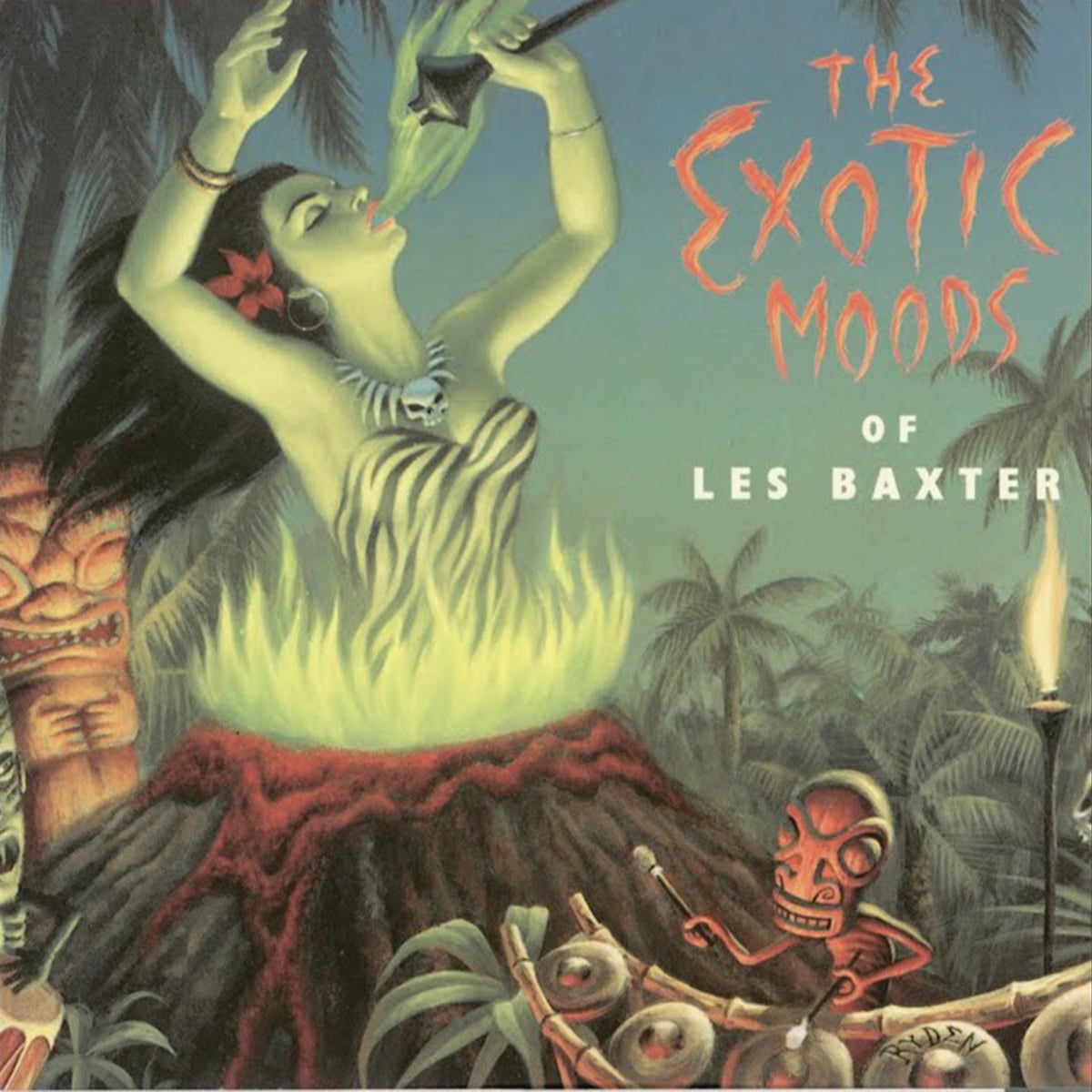
Pre-dating not only psychedelic rock but rock and roll itself, Les Baxter’s 1951 single ‘Quiet Village’ is a masterclass in exotica, and how that much-misunderstood genre is capable of painting entire worlds within its grooves. Given the title of this single, you can likely tell what kind of atmosphere Baxter creates, blending ancient tribal rhythms and traditional instrumentation with a grandiose, cinematic quality.
It might not be as wildly anarchic or youthful in its spirit as the kind of psychedelia that dominated the Summer of Love, but the far-out sounds struck upon by the exotica scene, and composers like Les Baxter in particular, inarguably paved the way for the expansive, border-defying sounds of the psychedelic age. Psych bands of the late 1960s could create intricate sonic narratives within their work, but it was people like Baxter who first perfected that art form years prior.
The Tornadoes – ‘Telstar’
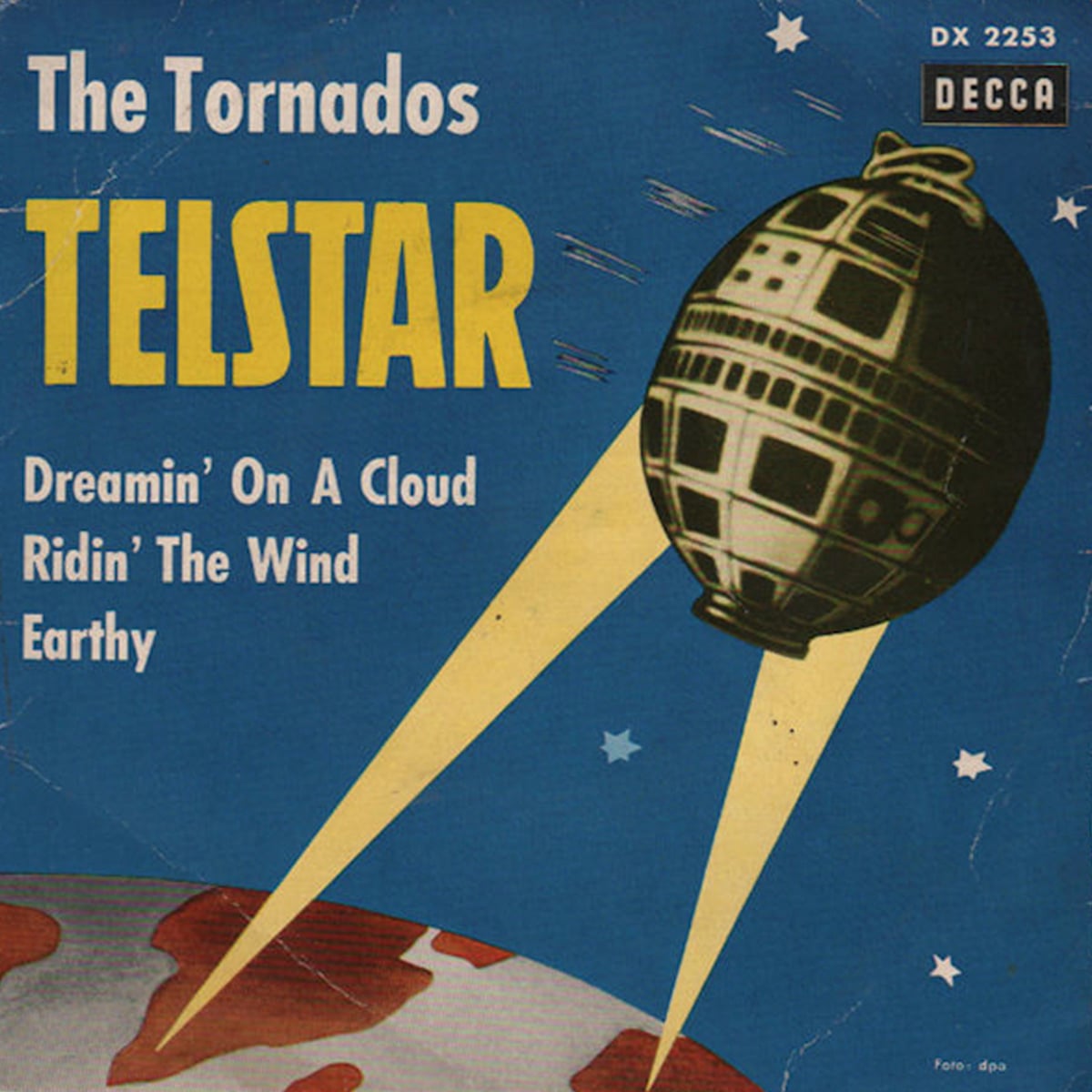
Rooted in the inspiration of the outer cosmos, and taking its name from the space age communications satellite launched in 1962, The Tornadoes’ chart-topping instrumental hit was a real oddity as far as the pop charts of the early 1960s were concerned. Featuring some anachronistic production mastery from Joe Meek and a selection of early electronic instruments, like the clavioline, this surf-come-space rock track was one of the first mainstream hits to expand its pool of inspiration beyond the confines of Earth.
While not all the psychedelic rock that followed was overly concerned with space travel, the sense of journeying and exploring previously untrodden grounds of inspiration is common between both this track and the psych scene that followed in later years. Still, it is difficult to imagine the sharp-suited, fresh faces of the typically English instrumental outfit ever growing out their hair and adopting flared trousers with pockets stuffed with blotting paper.
The Great Society – ‘Somebody To Love’
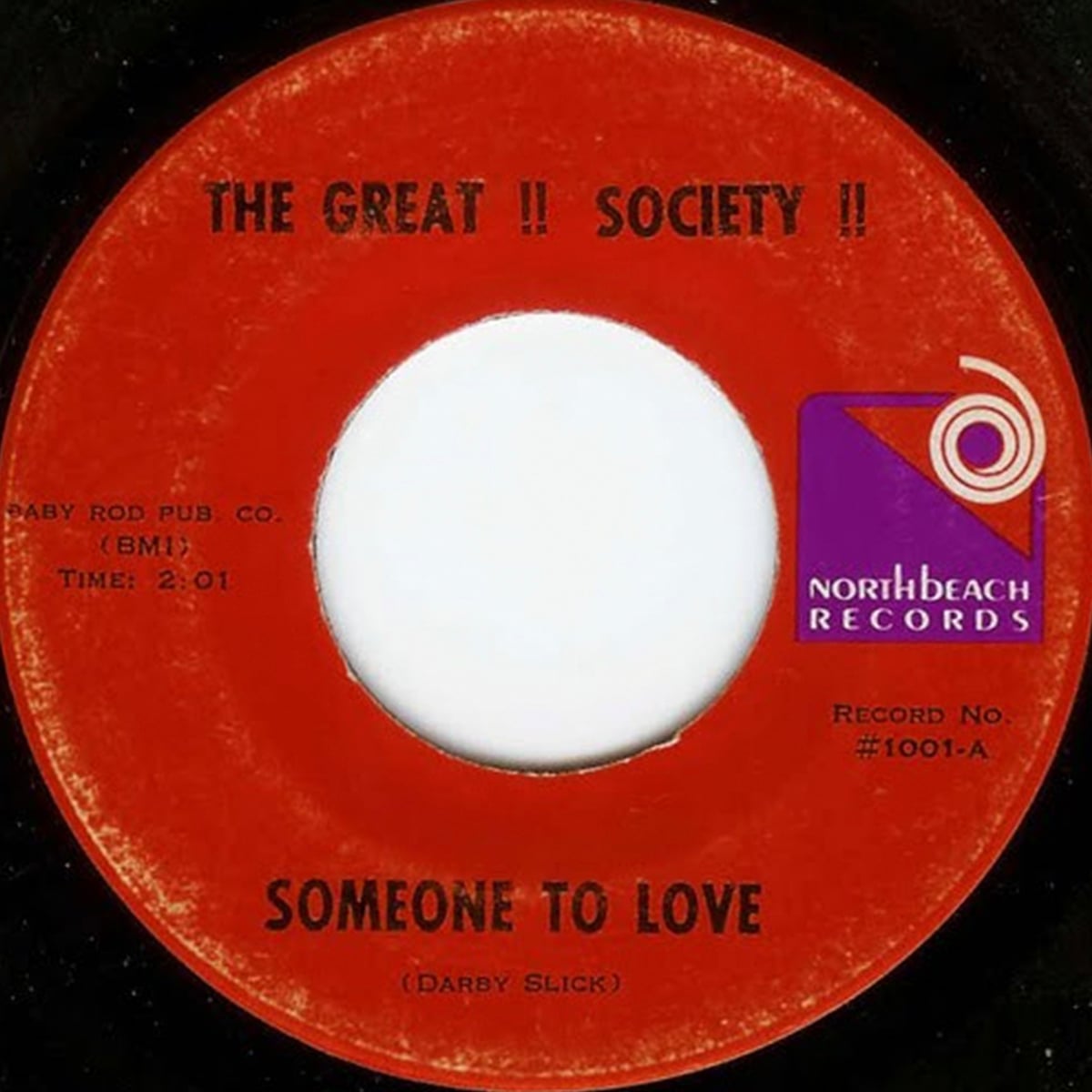
One of the all-time greatest tracks from the psych boom of the 1960s is Jefferson Aeroplane’s ‘Somebody To Love’, which, along with ‘White Rabbit’, highlighted the San Francisco outfit among the leaders of this bold new world. Originally, though, those tracks had their roots in Grace Slick’s first band, The Great Society. Her vocals are still awash with the revelatory nature of the Surrealistic Pillow recordings, but the backing music is far more subdued, mellow, and understated.
More than merely being novel demo versions of songs that everybody knows and loves, though, those early Great Society recordings perfectly demonstrate the emergence of the psychedelic sound, and how even the very same song could be completely transformed by the introduction of enough LSD. Admittedly, it is difficult to imagine Slick being overly sober at the time, but she certainly wasn’t yet the acid queen of later years, and so this early incarnation of ‘Somebody to Love’ marks an essential point in the history of psych-rock.
The Yardbirds – ‘Shapes of Things’
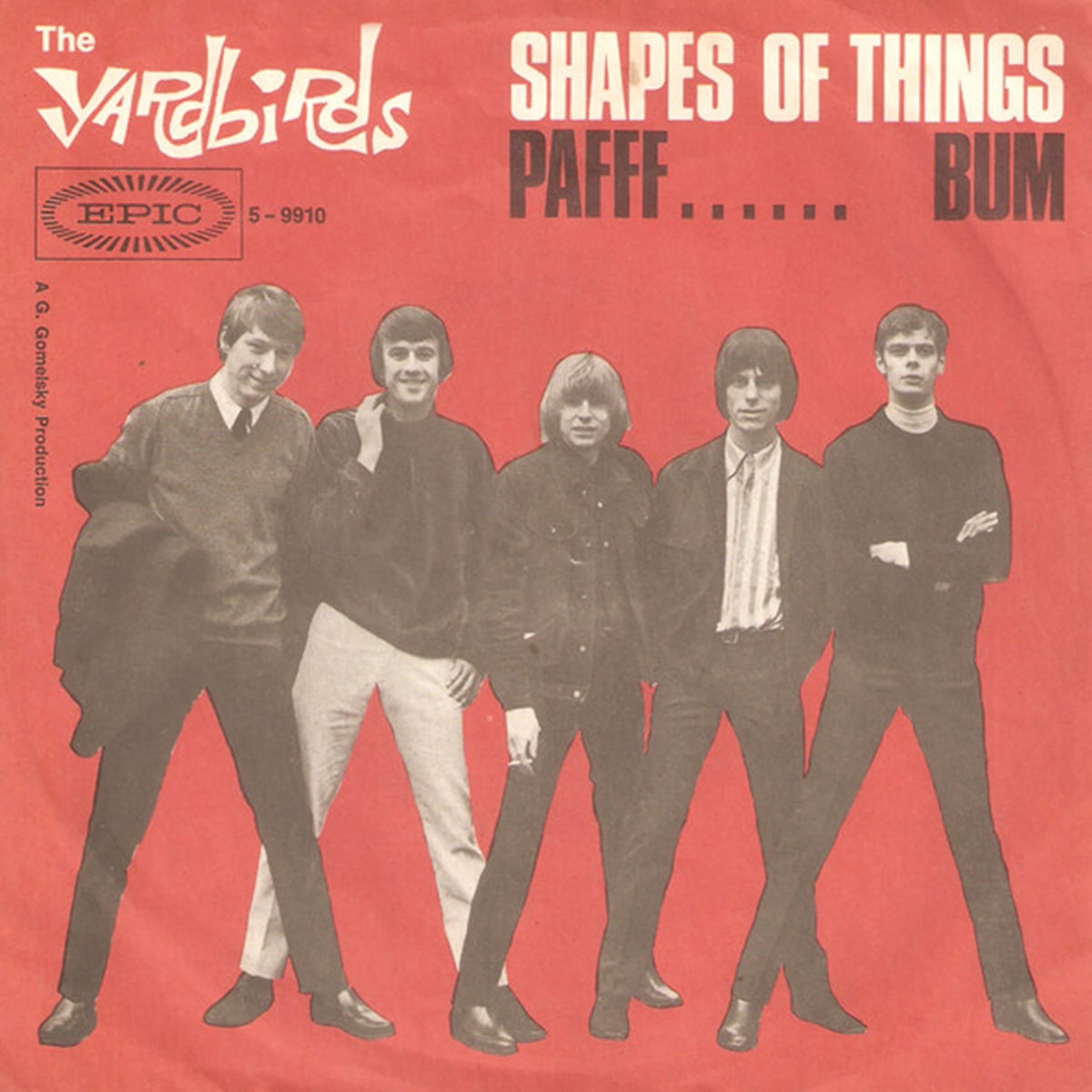
A tangible watershed moment as far as psychedelia was concerned, this 1966 single from The Yardbirds is about as close to the recognisable sounds of ‘peace and love’ psychedelia as the airwaves of 1966 got. With anti-war lyrics and a far-out guitar tone courtesy of Jeff Beck, whose work on ‘Heart Full of Soul’ is equally deserving of a mention on this list, there is no doubting the influence that this track had on the entire future of psychedelic music – particularly given that both Paul McCartney and Jimi Hendrix cited it as a major influence at one point or another.
That influence was undoubtedly spurred on by the success of the song, which peaked at number three in the UK Record Retailer charts, and very nearly breached the top ten of the US singles charts too. In truth, there is no telling just how different psychedelic rock would have sounded were it not for the essential inspiration provided by this landmark single.
The Kinks – ‘See My Friends’
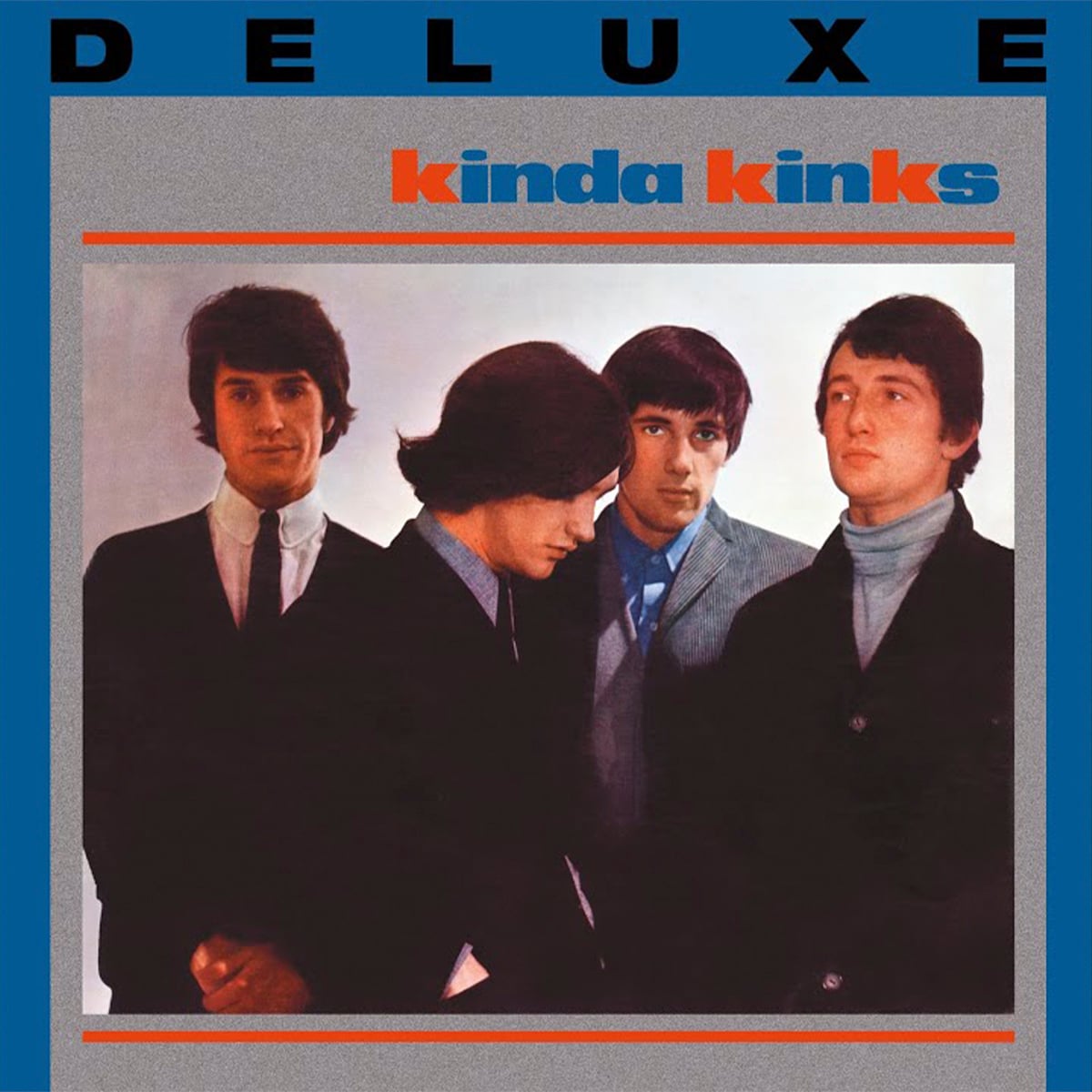
Ray Davies’ songwriting genius seemed to know no bounds during his 1960s heyday, darting sporadically from high-energy mod-rock masterpieces to pulchritudinous romances and even a few ambitious concept albums. A particular highlight, however, is 1965’s proto-psych stormer, ‘See My Friends’.
Primarily, the song’s psychedelic atmosphere comes from the droning guitar of Dave Davies, apparently employed in an effort to evoke the sounds of a tanpura, a traditional Indian instrument. That distinctive sound is itself spurred along by Ray Davies’ elongated vocals and repetitious lyrics evoking a sense of togetherness, sorrow, and human connection. As if that wasn’t enough for its psych credentials, it also predated The Beatles’ adoption of Eastern influences, even if it rarely gets the same kind of credit in the development of the acid-fueled genre.
The Byrds – ‘Mr. Tambourine Man’
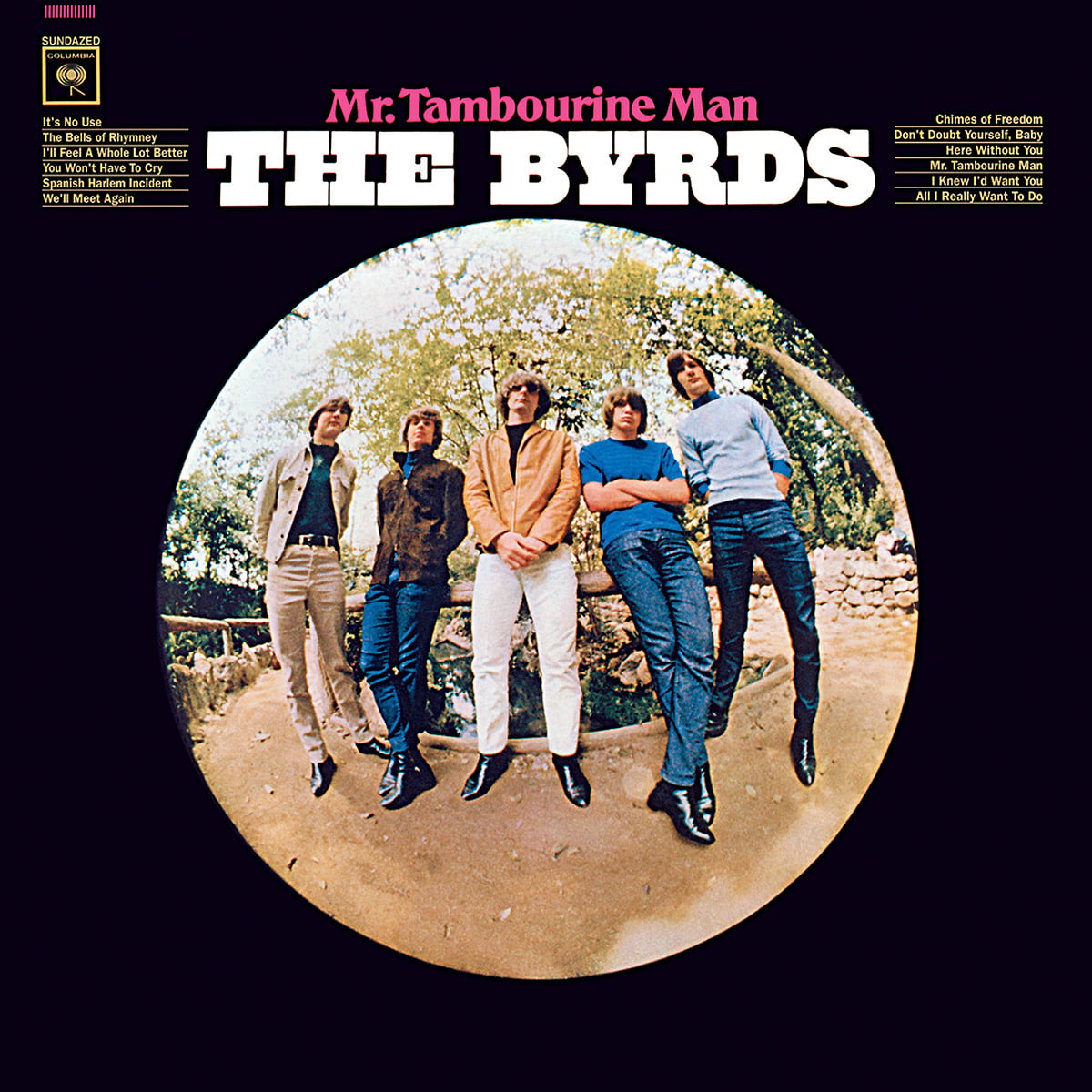
Regardless of genre or any specific scene, the prevalence of Bob Dylan was impossible to ignore back in the 1960s, and his omnipresence undeniably impacted the development of psychedelic rock. His 1965 track ‘Mr. Tambourine Man’ is worthy of a mention in its own right, essentially forming the blueprint for the hippie generation, but it was The Byrds’ reimagining of that track, released only a few weeks later, that brought that incredibly composed track into the fold of early psychedelia.
Broadly, the cover’s blend of Dylan’s folk sound with jangly flower-power guitars is more befitting of the folk-rock realm than overt psychedelic rock, but those reverberating guitar tones coupled with Jim McGuinn’s slightly spaced vocal performance, and even the fish-eye image included on the LP cover screams psychedelia. Certainly, without The Byrds, America’s psychedelic age wouldn’t have sounded the same, and it might never have sparked at all.
