


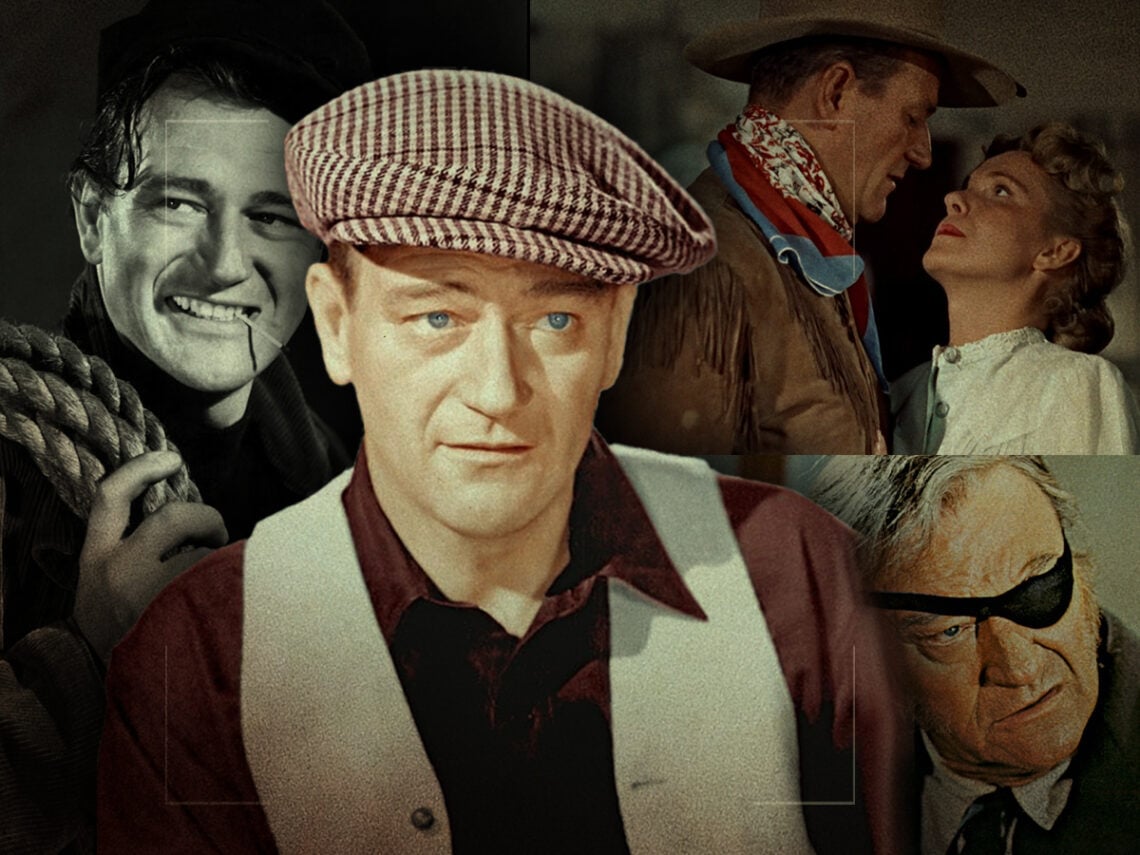
10 John Wayne scenes that should be deleted from history

John Wayne remains one of American cinema’s greatest and most controversial stars, and even those who don’t appreciate his work can’t deny the impact he has had on the art form.
Wayne emerged as one of the most definitive movie stars ever after his breakthrough in the John Ford classic Stagecoach, which would be the first of 14 films that they made together. Although he was best known for starring in westerns, he did many action films and even invented a new style of stage combat.
While he also became a director in his own right, helming epics like The Alamo, Wayne often was at the centre of feuds, his extreme conservative beliefs making his legacy more difficult to assess, especially given his support for white supremacy.
Many of the films Wayne has starred in are all-time classics, such as The Searchers, which created the modern cinematic anti-hero, The Man Who Shot Liberty Valance, which was the perfect commentary on a new generation in American politics, and Red River, an epic filled with thoughtful insights on masculinity.
Although Wayne has made bad films, many of them are worth disregarding entirely. Outside of the fact that it was highly racist, the biopic The Conqueror (in which Wayne played Genghis Khan) was shot in dangerous conditions and resulted in many crew members developing terminal illnesses. There’s always going to be an asterisk next to any praise of Wayne’s body of work, and even his great films have moments that have become regrettable.
10 John Wayne scenes that need to be erased
Jake argues with James about heritage – ‘Big Jake’ (George Sherman, 1971)

The 1970s were a rather rough decade for Wayne, as there wasn’t much room for him to evolve as an actor after winning his Oscar for True Grit. Although he turned down some more challenging parts, he agreed to star in the derivative western adventure Big Jake, in which he plays a veteran gunfighter who tracks down the criminal gang that kidnapped his grandson. Along the way, Jake has to bond with his estranged son James, played by his real son Patrick Wayne.
Jake and James nearly get into a fistfight in a very awkward scene when the young man continuously refers to his father as “daddy”, which infuriates him. It’s not only a weird dash of comedy within what should be a serious thriller, but an instance when it felt like the Waynes were getting their personal issues resolved on the big screen.
Rooster Cogburn saves Mattie Ross from Chaney’s gang – ‘True Grit’ (Henry Hathaway, 1969)

True Grit isn’t only the film that won Wayne the Academy Award for ‘Best Actor’, but the role that he is most proud of. Although he is restrained and sensitive in a way that was surprising, the film is dampened by the casting of Kim Darby as the young girl Mattie Ross, who gives what may be the single worst performance in an otherwise great film.
Mattie is an obnoxious presence who never feels believable as someone who could join forces with Rooster Cogburn to track down her parents’ killers, and the scene in which she teams up with the Texas Ranger to fight Tom Chaney (Jeff Corey) feels ridiculous because of how terrible Darby’s performance is. The greatest improvement made by Joel and Ethan Coen in the 2010 remake was casting Hailee Steinfeld as Mattie, who turned in an Oscar-nominated performance.
McLintock shames Katherine – ‘McLintock!’ (Andrew V McLaglen, 1963)
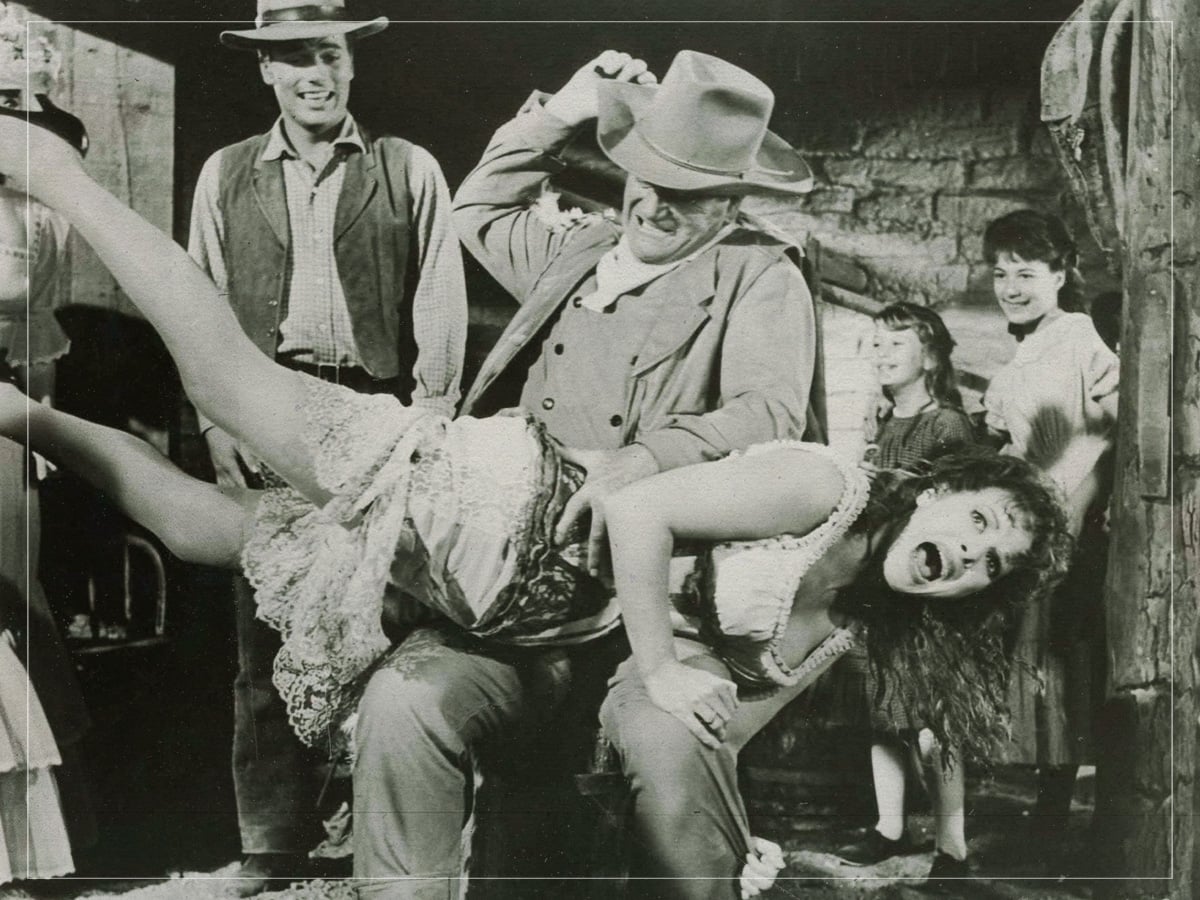
Strangely enough, McLintock! is the second of two Wayne films that were directly inspired by the William Shakespeare romantic comedy The Taming of the Shrew, and both of them happen to co-star Maureen O’Hara. In McLintock!, Wayne plays the cattle baron GW, who reunites with his wife Katherine two years after she abandoned him to become a socialite in New York.
While The Taming of the Shrew is a great work of satire, McLintock! doesn’t turn Katherine into an empowered character, and implies that she needs to be ‘tamed’ of her East Coast pretension by a hardworking ‘man of the people’ like GW The scene in which he parades his wife in front of the town and spanks her wasn’t exactly progressive in 1963, and it’s aged even worse when considering the various disparaging comments Wayne has made about women over the years.
Hondo kisses Angie – ‘Hondo’ (John Farrow, 1953)
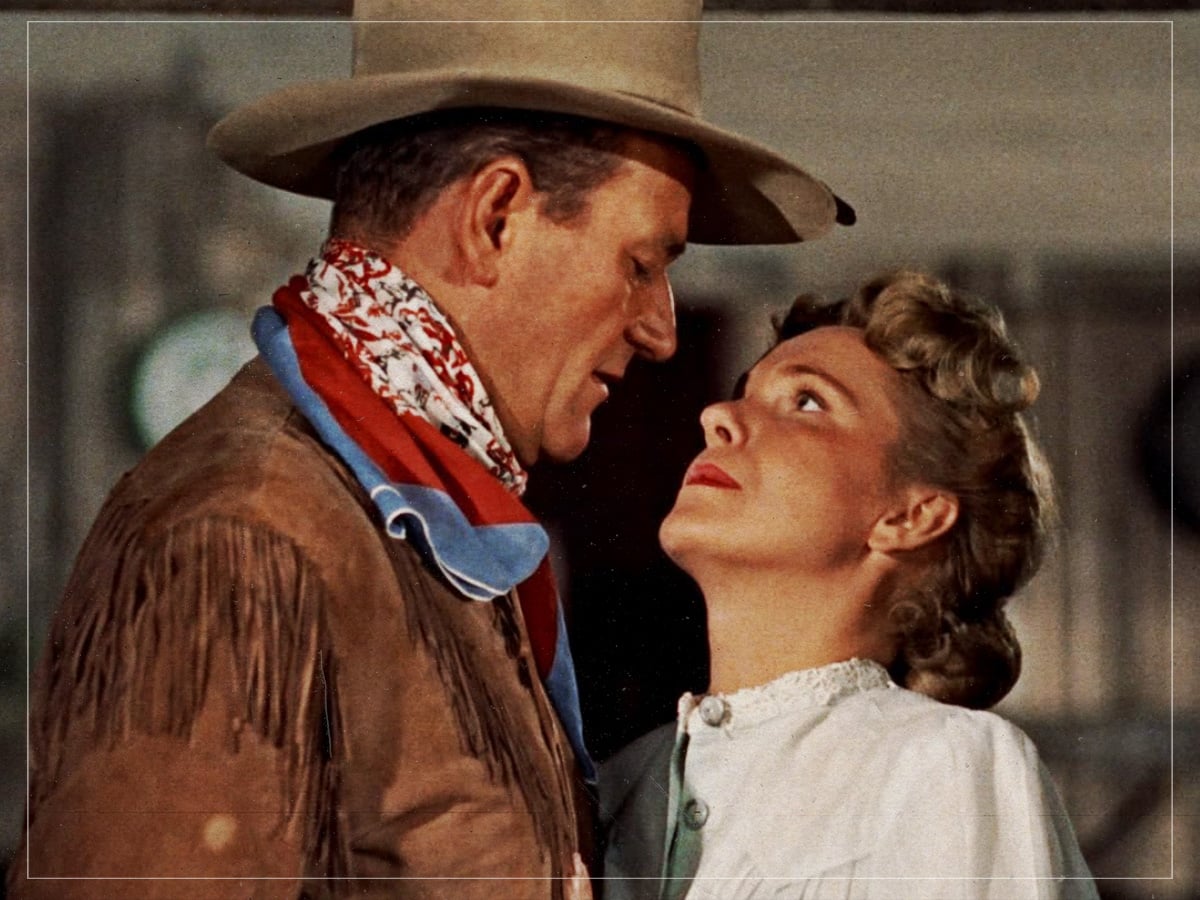
Hondo was a notable film within Wayne’s filmography because it was shot in 3D, but it ended up provoking a different type of on-set controversy when he began to clash with his co-star, Geraldine Page, who played Angie, a single mother trying to protect her son. Page’s performance was much better than the film called for, and ended up getting her an Academy Award nomination for ‘Best Supporting Actress’.
It was evident that Wayne knew he was getting upstaged, causing him to relentlessly bully Page while filming. While the friction between them actually makes the film work better because the characters seem at odds with one another, the scene in which Hondo first meets and embraces Angie (who he feels looks like his dead wife) doesn’t hold up as well because of the threatening demeanour that comes across in Wayne’s performance.
The Apaches sack the ferry- ‘Stagecoach’ (John Ford, 1939)
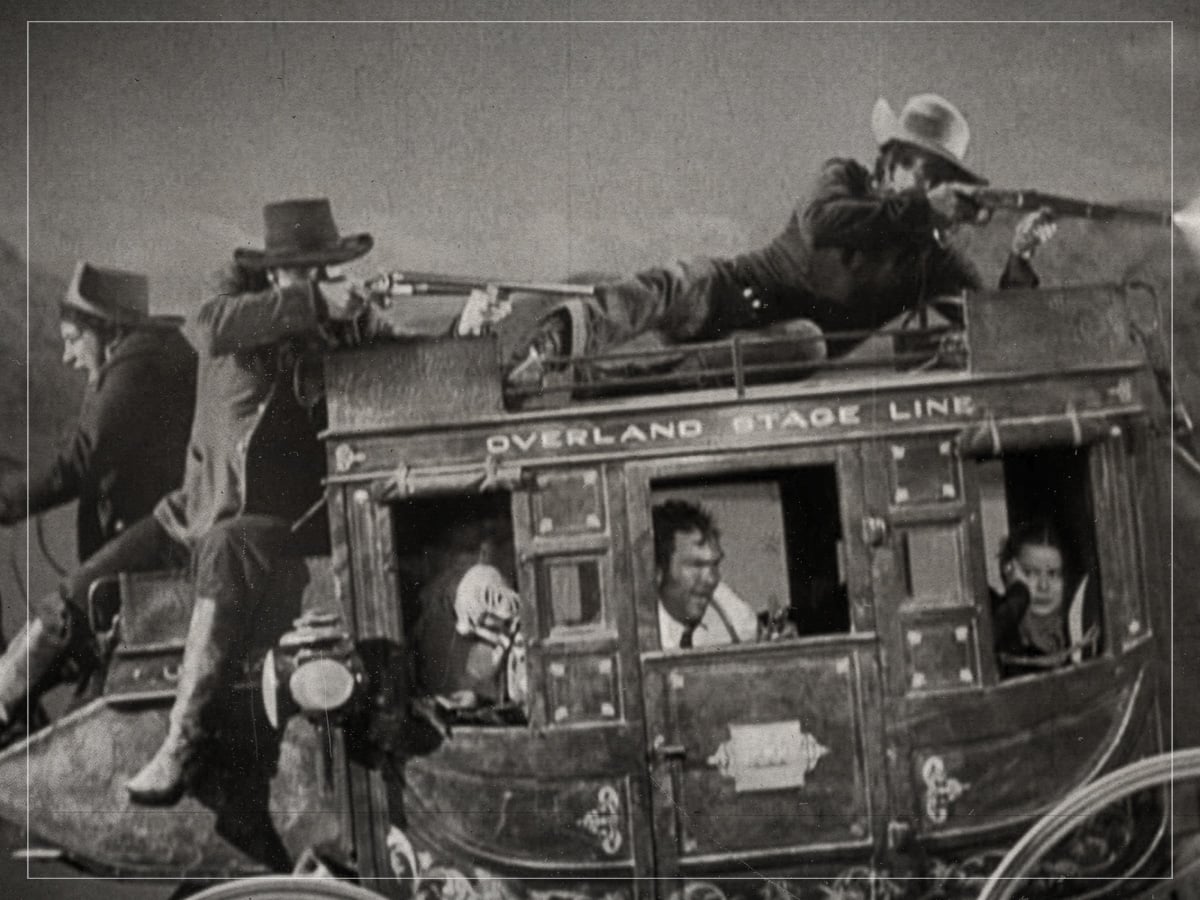
John Ford is one of the greatest filmmakers of all time, and his collaborations with Wayne represent only a fraction of his amazing filmography; of the four films in which Ford won the Academy Award for ‘Best Director’, only one of them was with Wayne. Nonetheless, Stagecoach was a career highlight for them both because it essentially set the template for what the Hollywood western would look like for the next 80 years, and drew praise from other directors, like Orson Welles.
Given that Stagecoach was made in 1939, it shouldn’t come as a surprise that it has a dated depiction of Native Americans, as the Apaches are seen as being remorseless savages. It’s particularly disappointing because Ford has always been a fairly progressive filmmaker, and Stagecoach was ahead of its time with its positive depiction of female characters.
Ole explains his backstory – ‘The Long Voyage Home’ (John Ford, 1940)
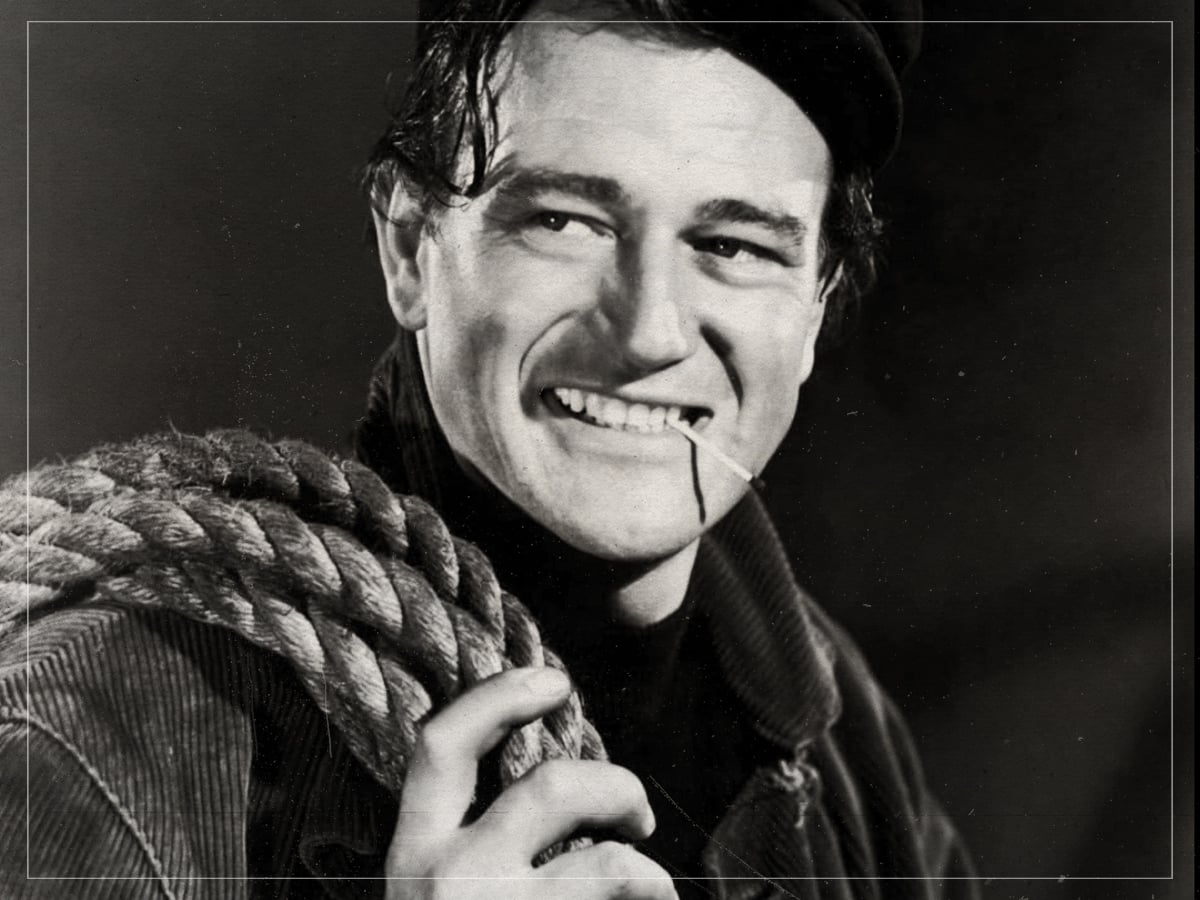
Hollywood began making films about World War II as soon as it began, and The Long Voyage Home was made by Ford before the United States officially got involved. It’s a beautiful, thoughtful naval adventure that showed the best of Ford’s craftsmanship, making it easy to see why he’s still so admired among top directors.
Ironically, the only weak link in The Long Voyage Home is Wayne himself, who is miscast as a Swedish sailor trying to make it home to his family. Although it is relatively easy to ignore his terrible accent because of how action-packed the rest of the film is, a scene in which Wayne has an extended monologue explaining why he wants to get back to his home country makes it more than evident that Ford should have just found a Swedish actor to play the part.
Bob is given his sentence – ‘3 Godfathers’ (John Ford, 1948)
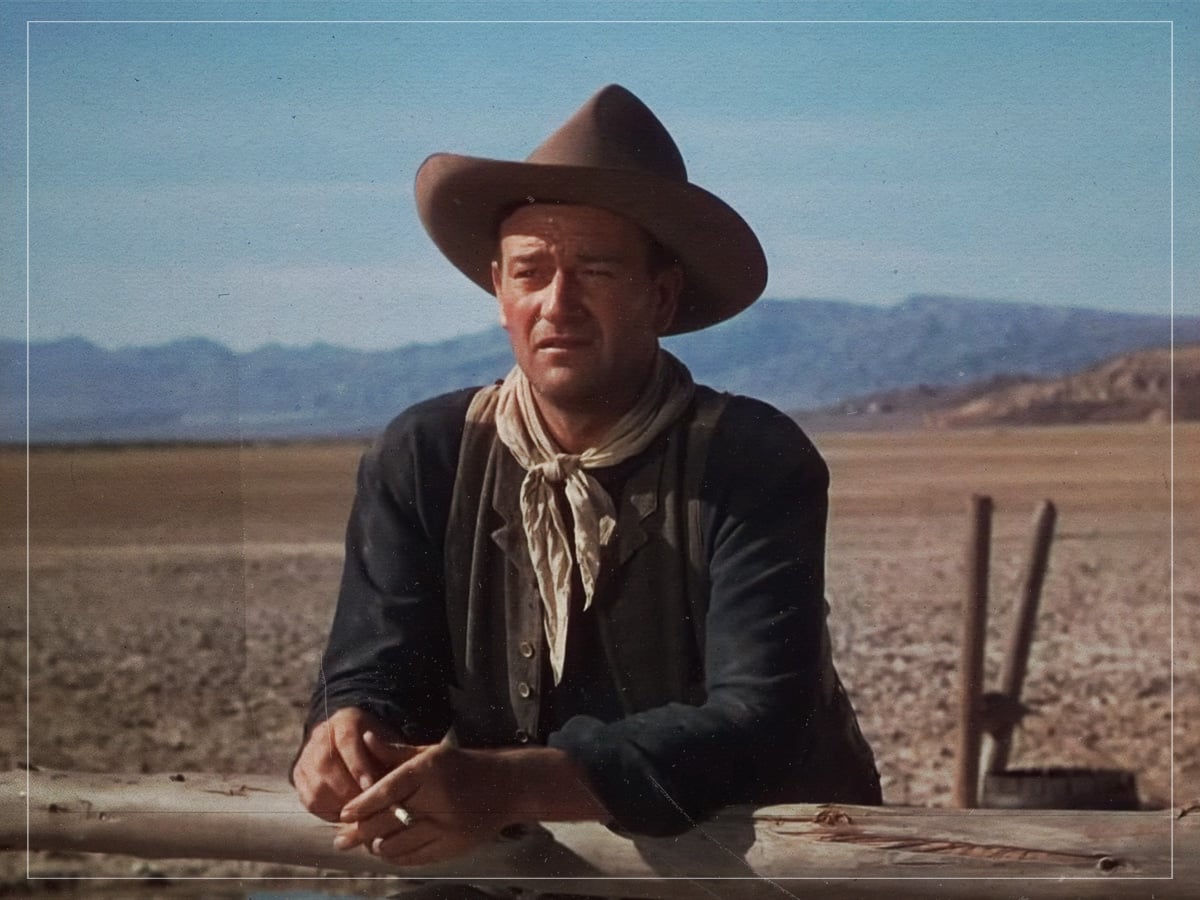
3 Godfathers isn’t just one of the best collaborations between Ford and Wayne, but a Christmas classic that serves as a non-traditional retelling of the story of the ‘Three Wise Men’. The story follows three gunslingers played by Wayne, Pedro Armendáriz, and Harry Carey Jr, who find a pregnant woman dying and decide to protect her baby.
The brilliance of the film is that the act of caring for a child reveals that these flawed men actually have hearts of gold, and that the mission of bringing the baby to safety becomes more important than any personal consequences they might face. This makes the end of the film a bit of a cop-out, where Wayne’s character Bob is only sentenced to a year of prison for his crimes, meaning that his road to redemption is far easier than what would be dramatically nuanced.
The PT boats attack the Philippines – ‘They Were Expendable’ (John Ford, 1945)
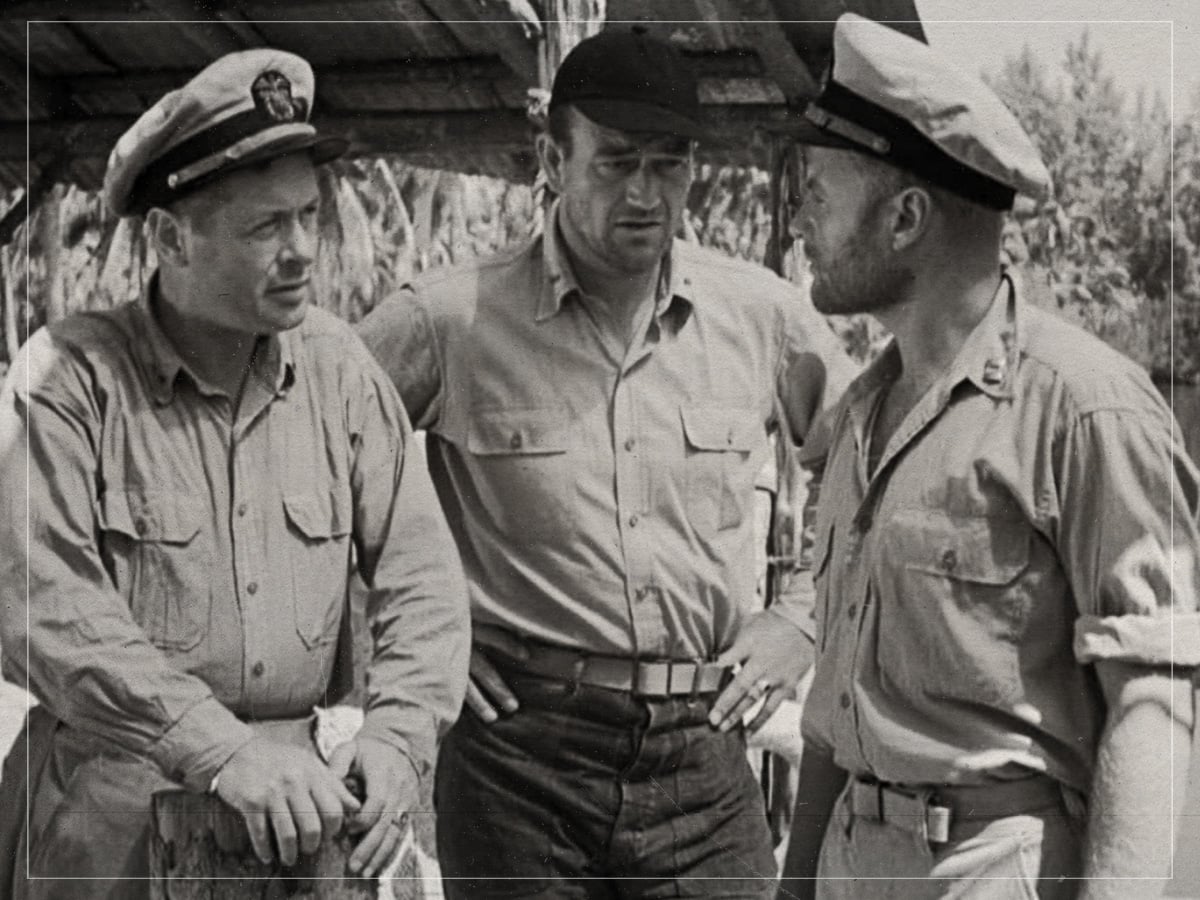
Another underseen masterpiece from Ford and Wayne is They Were Expendable, a bleak World War II drama about the gruelling combat waged by the Allied forces in the Philippines. Despite the reported on-set clashes, the film stood out amongst some of the more propagandist work that Ford put out during the era because it fearlessly showed war as hell. Ford may have served in the military, but They Were Expendable was criticised for its depiction of the PT boat units used to defend from Japanese invaders.
In reality, these PT boats were hardly accurate and were looked down upon for their ineffectiveness by many veterans, including President John F Kennedy. They Were Expendable is otherwise a fairly accurate depiction of what combat actually looked like during the Pacific Theatre, but its inaccuracies regarding naval combat have come under fire from historians and military experts.
Dr Hostetler returns to visit the Rogers Family – ‘The Shootist’ (Don Siegel, 1976)

Wayne’s last film was the brutal revisionist western The Shootist, in which he portrayed an ageing gunslinger who reflects on life after he begins to fall in love with Lauren Bacall’s character and mentors her son (Ron Howard). It was clearly intended to be a self-reflective commentary on Wayne’s career, making it fitting that his friend and frequent co-star, James Stewart, makes a cameo as a doctor concerned about the older cowboy’s health.
Initially, Stewart’s performance is a fun homage that doesn’t detract from the story, as The Shootist becomes a more moving drama once Bacall and Howard appear. However, having Stewart’s character return in the final act felt one step too far, as it added an instance of sentimentality within an otherwise brilliant film that held cynical views on the cyclical nature of violence in the American West.
The pre-fight dragging- ‘The Quiet Man’ (John Ford, 1952)
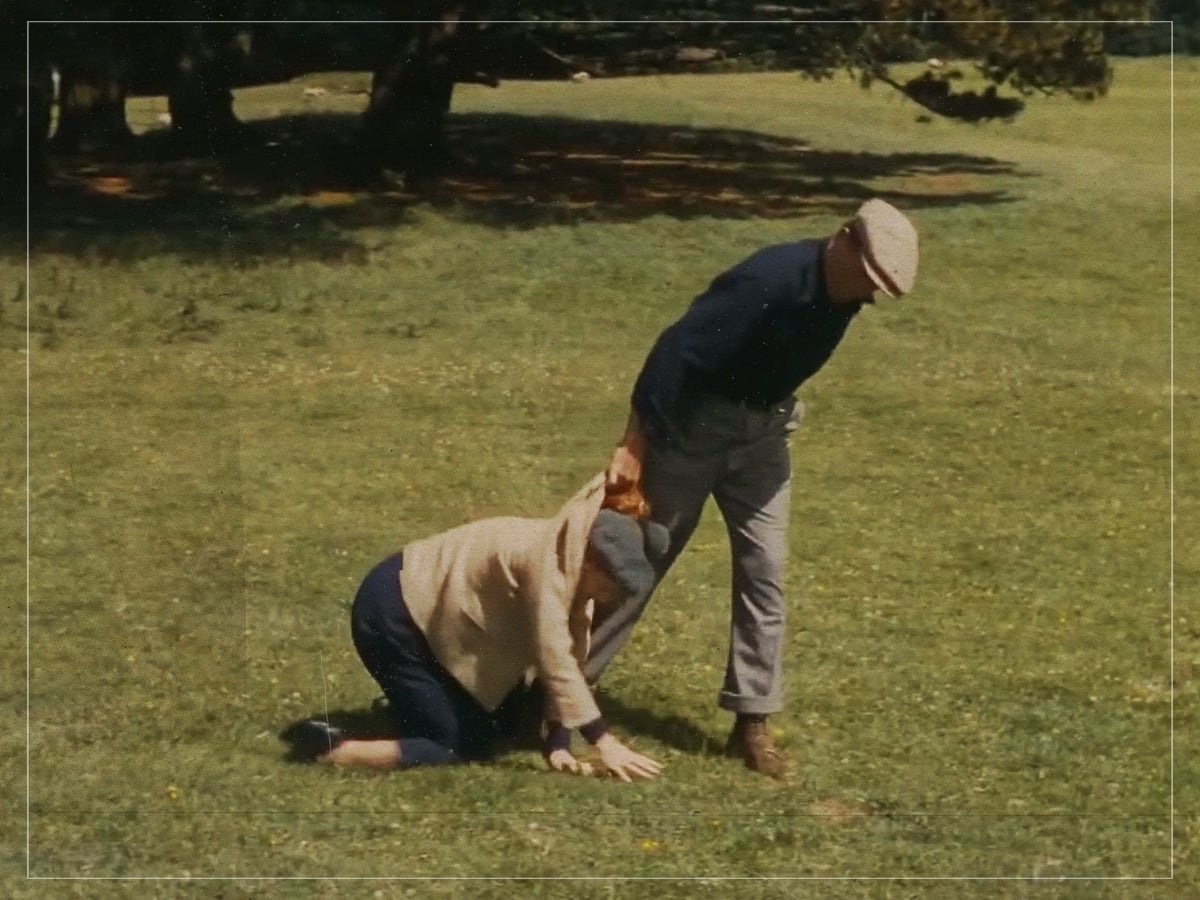
The Quiet Man won Ford a ‘Best Director’ Oscar, perhaps because he decided to actually shoot the film in Ireland instead of going to a soundstage. Wayne plays the Irish-born boxer Sean Thornton, who returns to his childhood home in Inishfree after he quit the sport following a tragic accident. It’s upon buying his family home that Sean falls in love with Mary Kate Danaher, played by Maureen O’Hara, sparking another romantic story inspired by The Taming of the Shrew.
The sexual politics of The Quiet Man are more nuanced than they’re sometimes given credit for, as it’s often noted that Mary Kate has the real power in the relationship. The one scene that crosses the line into potential spousal abuse is when Sean drags Mary Kate across the town so that he can fight her brother, Victor McLaglen’s Will, in order to win back his honour.

Never Miss A Tale
The Far Out John Wayne Newsletter
All the latest stories about John Wayne from the independent voice of culture.
Straight to your inbox.