


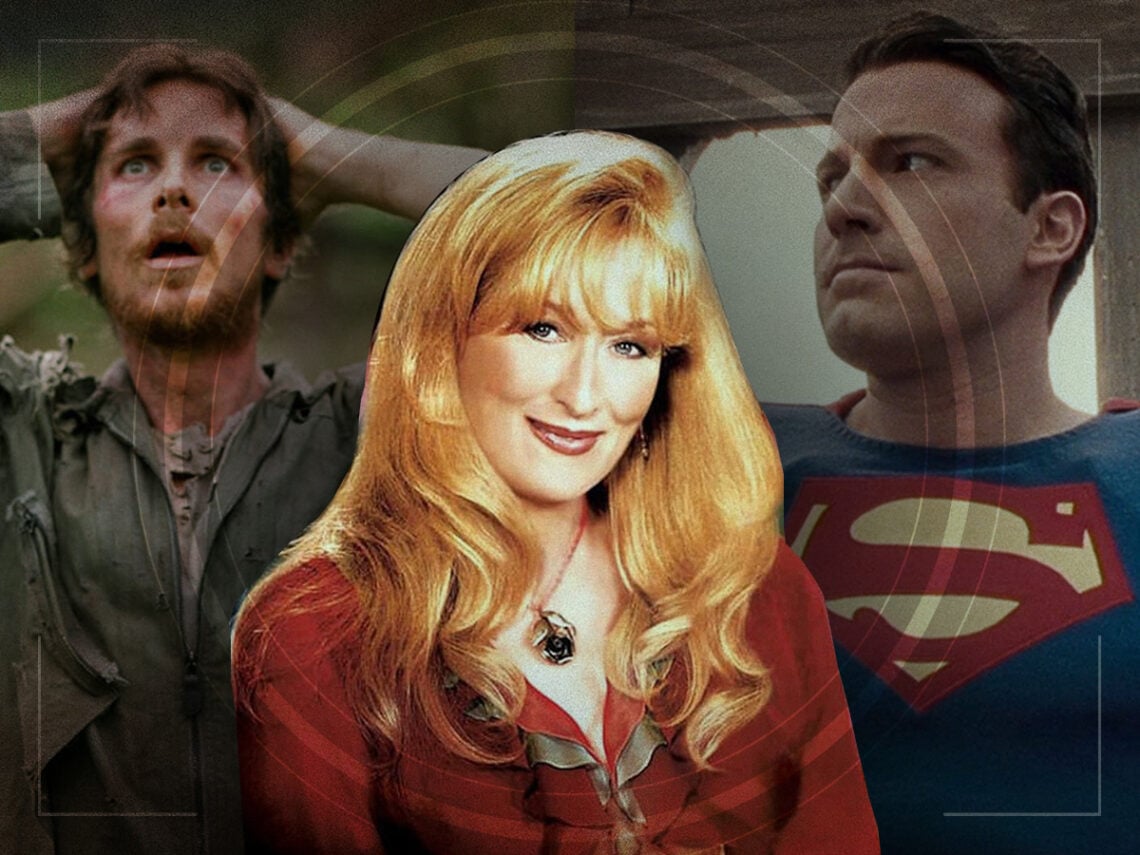
10 hidden gem movies from 2006 that are begging to be rediscovered

2006 had many great films that have left behind a significant legacy, but there are others that have become underrated.
While 2007 is often considered to be the best cinematic year of the 21st century based on the sheer number of masterpieces that debuted in the 12-month period, 2006 isn’t too shabby. It was a year where there were interesting independent films, blockbusters that had auteur sensibilities, original stories that became hits, and one of the best recent Academy Award winners for ‘Best Picture’ with The Departed, which finally won Martin Scorsese the Oscar for ‘Best Director’ that he had long since deserved.
It’s remarkable to see how much the industry has changed in such a short amount of time, as there are many films from 2006 that wouldn’t be made today under the current ecosystem of Hollywood. 20 years is an appropriate amount of time to assess how well a film has aged, as it’s easier to understand what it did in the context of its genre, release strategy, and the careers of its cast and crew.
The days have passed in which films that underperformed or didn’t have an impact upon their initial release can be saved by DVD sales or playing on cable; while there is more access to older films than ever before thanks to streaming, it’s not often that Netflix or Amazon Prime sees a classic title becoming a breakout sensation, as they often cater to audiences interesting in new releases.
The films of 2006 tackle themes and topics that are still relevant today, but they are representative of a slightly more fruitful cinematic marketplace in which there was room for a little bit of everything.
10 movies from 2006 waiting to be rediscovered:
‘Brick’ (Rian Johnson, 2006)
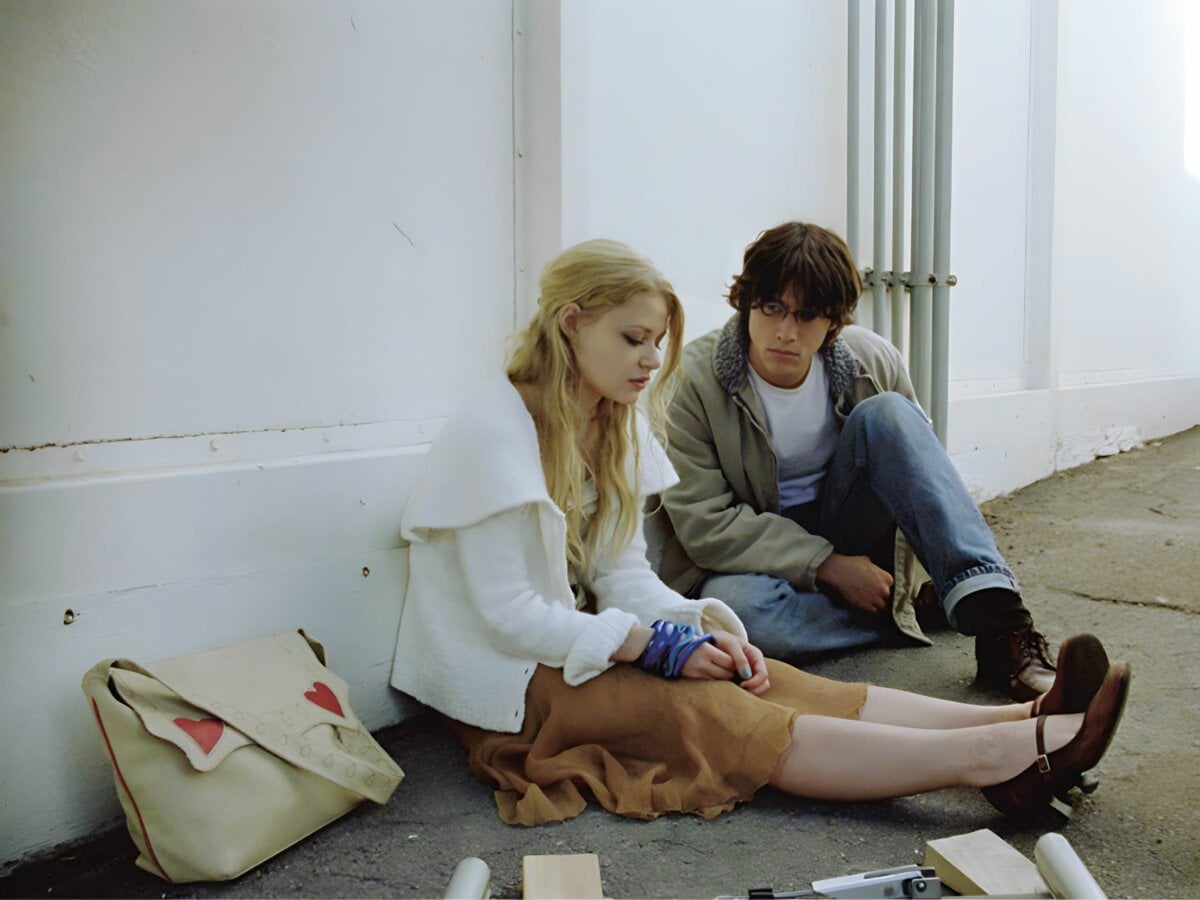
Rian Johnson had spent years trying to sell his spec script for Brick before he followed the inspiration of his heroes and decided to self-finance the brilliant independent thriller that recontextualised the hard-boiled detective genre. It is set at a Los Angeles high school, and stars Joseph Gordon-Levitt as a loner who searches for his missing girlfriend, who may have been involved with a ring of drug smugglers.
Brick is highly creative in how it repurposes elements of mystery stories into a high school setting, with different school clubs representing the social circles of an urban underworld, with its low-budget nature only making it feel more vibrant and exciting. It debuted to great reviews at the Sundance Film Festival in 2006, but the film eventually became a cult classic when it earned a theatrical release the following year.
‘The Good Shepherd’ (Robert De Niro, 2006)
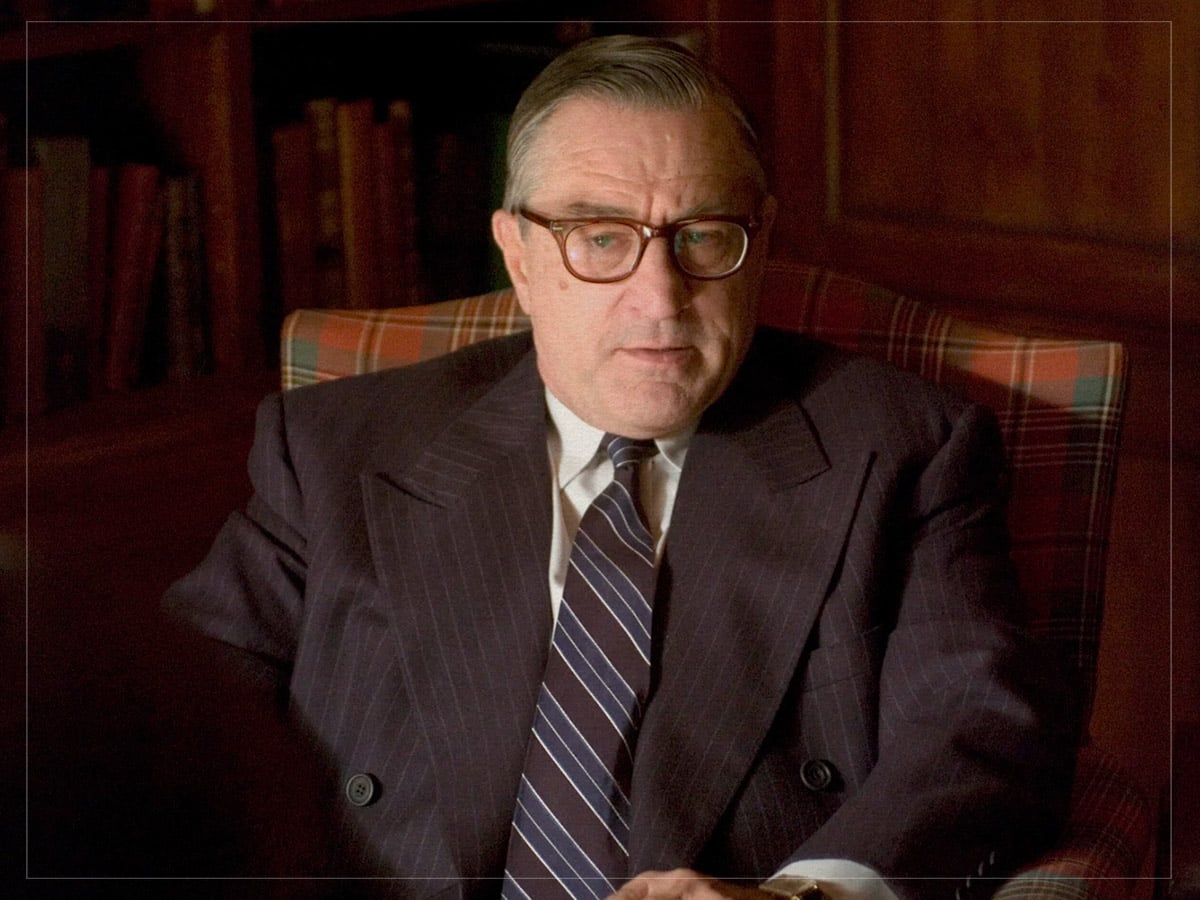
Robert De Niro has surprisingly only directed two films in his career. One being 1993’s A Bronx Tale, which went on to become a cable classic that earned a cult following, and his second outing, the 2006 spy drama, The Good Shepherd, a severely underrated title that is deserving of the same amount of praise.
An ambitious, yet lightly fictionalised take on history, the film examines the backstory and growth of the CIA through the perspective of one of its most defining agents, played by Matt Damon. De Niro clearly drew a number of directorial tactics from Martin Scorsese, as The Good Shepherd is a worldly epic that spans many years, yet remains tightly focused on the moral decisions made by a complicated protagonist. It’s good enough to make it disappointing that De Niro has yet to direct another film since.
‘The Good German’ (Steven Soderbergh, 2006)
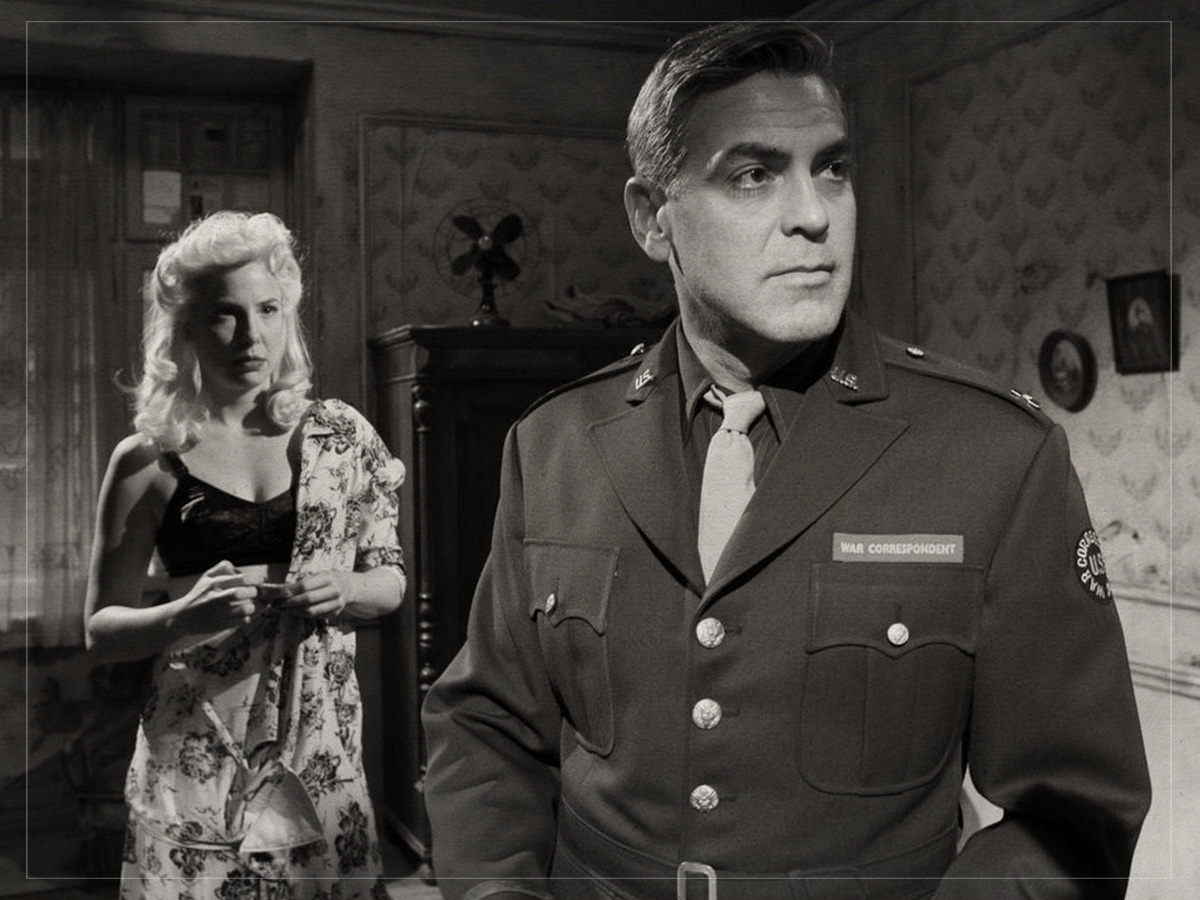
Set in 1945 after the conclusion of World War II, Steven Soderbergh‘s The Good German was inspired by dramas like Casablanca, using old-fashioned camera and stock, akin to directors in the 1940s, in order to emulate the black-and-white of the era.
Despite its classical approach, The Good German offered a provocative narrative about an American journalist, played by George Clooney, and his former lover, played by Cate Blanchett, who he suspects shares a connection with Germans trying to stage a resurgence of the Nazi Party. While the director has never been shy about experimenting with new technology, Soderbergh also made the interesting choice to cast Tobey Maguire against type as a pugnacious, nasty villain, and his genuinely creepy performance adds a subversive streak to what was already a fairly transgressive film.
‘Starter for 10’ (Tom Vaughan, 2006)
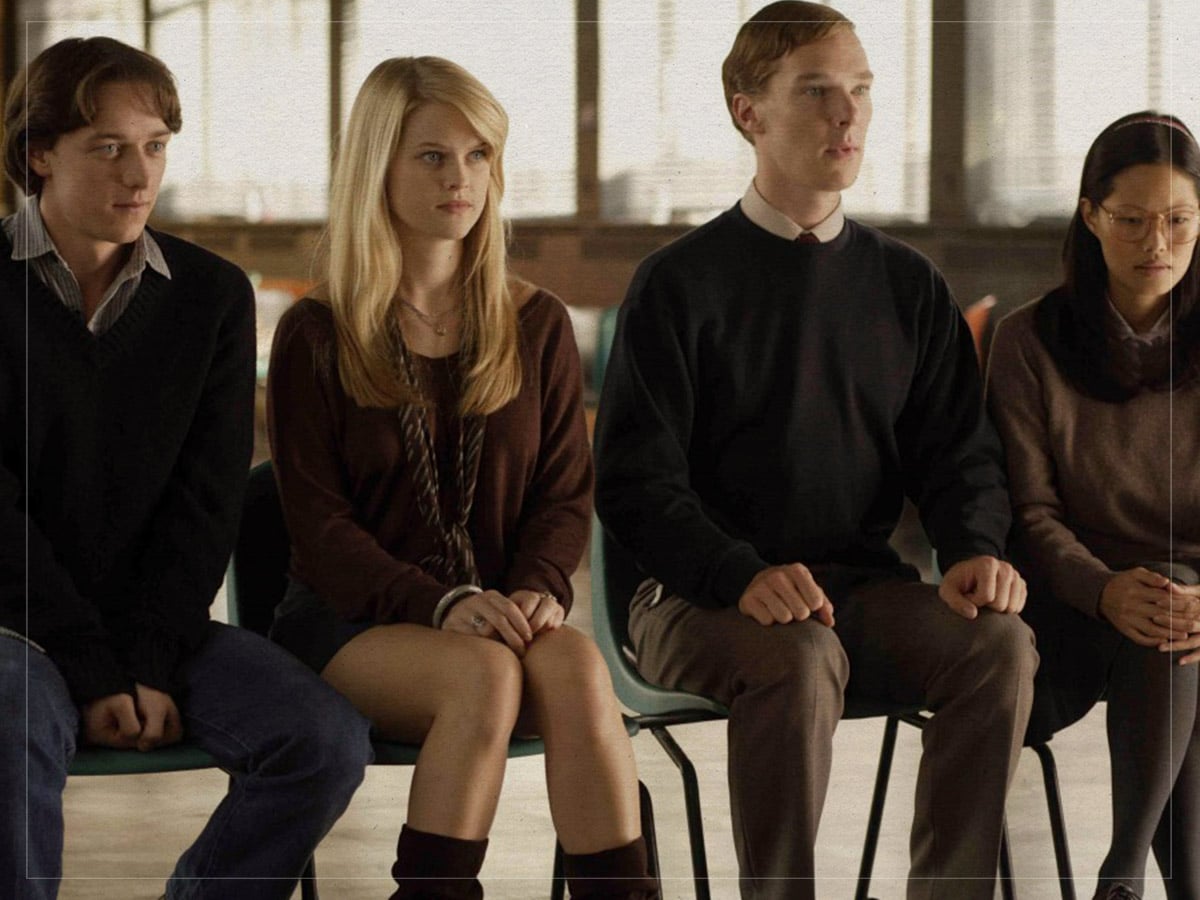
While James McAvoy remains an underappreciated actor, Starter for 10 was the first example of what he could bring to a leading role following his breakout supporting performance the previous year in The Chronicles of Narnia: The Lion, the Witch and the Wardrobe. A surprisingly thoughtful film, it gave him the chance to star as a bright-eyed young university student in a competitive trivia team, which inspires him to go on an ambitious winning streak before he humbled spectacularly during a crucial climax.
As he wrung all the dramatic potential out of what can be the most challenging point in any young person’s life, making McAvoy’s performance the star of the show, Starter for 10 also includes an incredible ensemble of actors who would go on to be huge success stories in their own right, such as Rebecca Hall and Benedict Cumberbatch.
‘Stranger Than Fiction’ (Marc Forster, 2006)
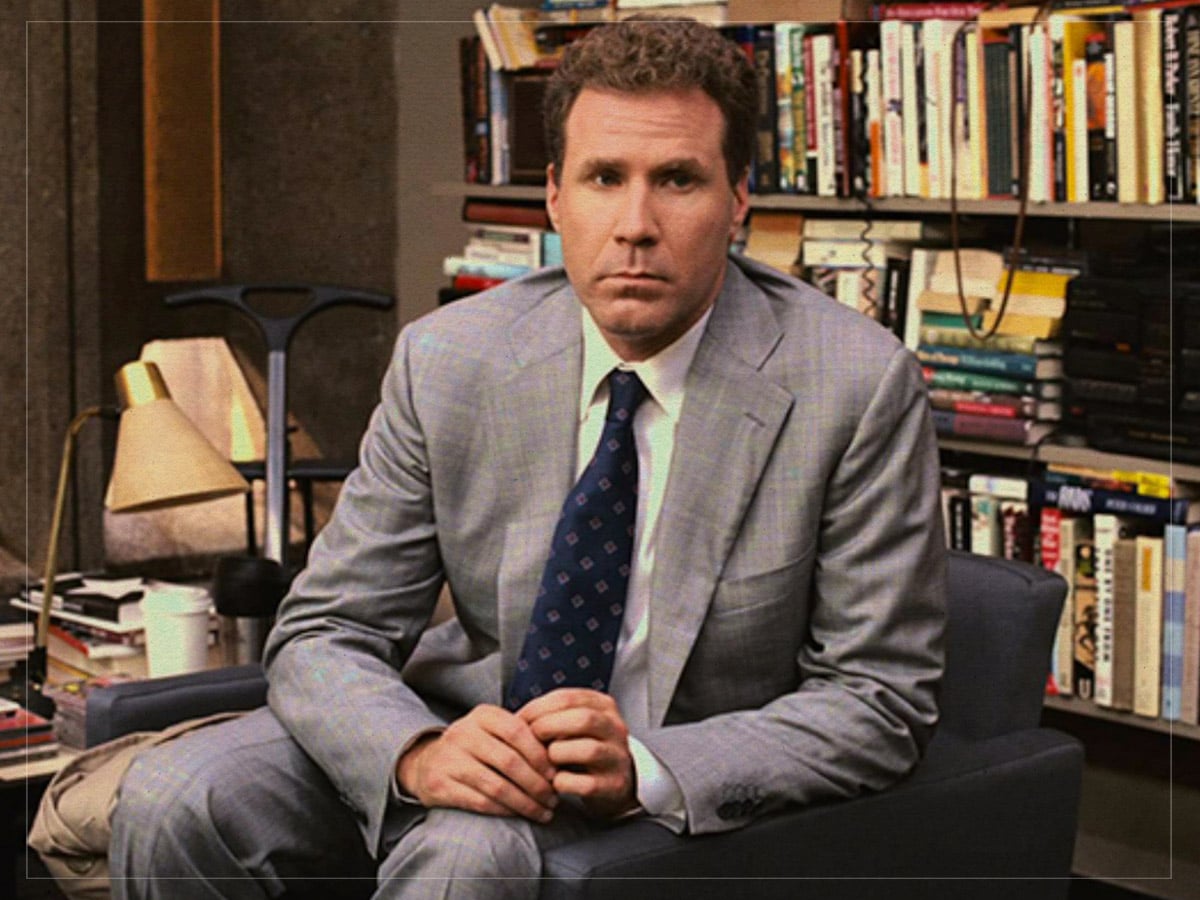
Titan of comedy Will Ferrell surprised all and sundry when he decided to turn in a more serious performance in the high-concept dramedy Stranger Than Fiction, playing a seemingly normal man who discovers that he is a character in a story being written by a prestigious author, played by Emma Thompson, who has, to his dismay, decided to kill him off.
Ferrell is able to be surprisingly vulnerable as a shy, self-loathing character who goes through a process of self-actualisation, and he has genuinely great chemistry with Maggie Gyllenhaal, who plays his love interest. While there have been many recent examples of comedic actors trying to go ‘dark’ in order to be in the Academy Awards conversation, Stranger Than Fiction offered Ferrell an opportunity to be slightly more mature without losing his inherent charms as the industry’s funny man.
‘Rescue Dawn’ (Werner Herzog, 2006)
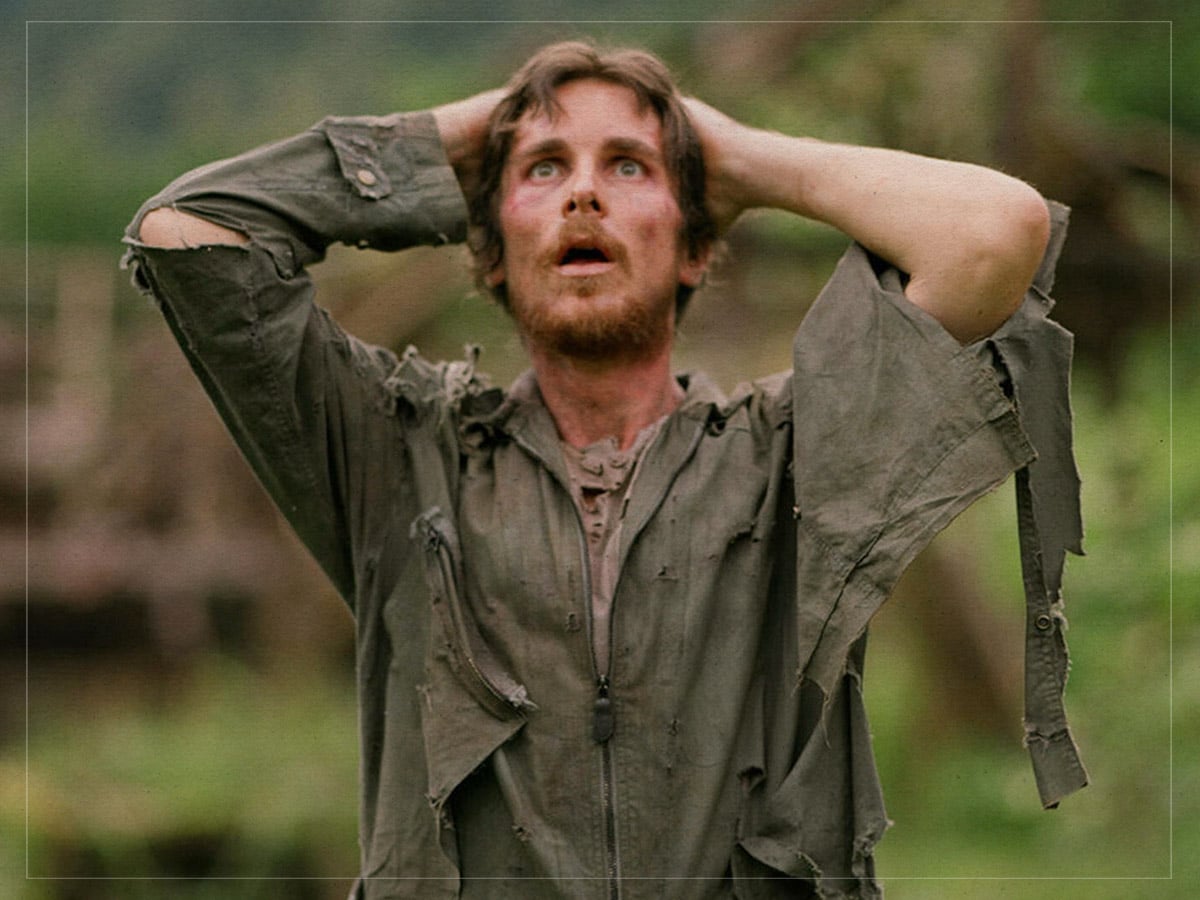
Set during the Vietnam War, Rescue Dawn is a unique spot that Werner Herzog decided to direct after making a documentary about the same subject, starring Christian Bale as an American pilot who is shot down during a mission and imprisoned, where he befriends other prisoners-of-war who are barely hanging on to their lives.
It’s a gruelling historical drama that has all the intensity and detail that one would expect from Herzog, making for a nice companion piece to the documentary. While it was another case in which Bale lost a dramatic amount of weight in order to physically transform himself into a starved character, Rescue Dawn also features a stellar dramatic performance from Steve Zahn as one of the other soldiers held hostage.
‘Hollywoodland’ (Allen Coulter, 2006)
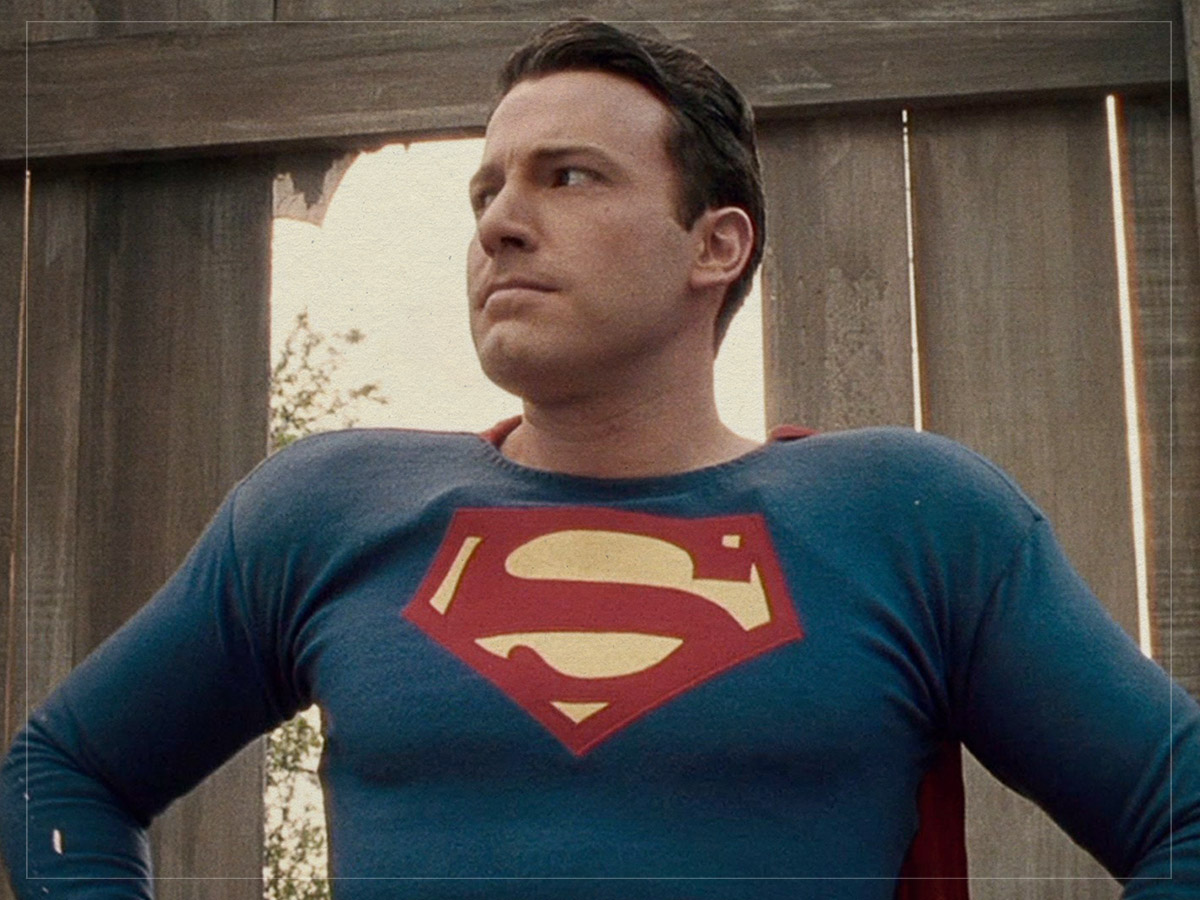
Superman is often deemed to be ‘cursed’, and Hollywoodland examines the legend that established that reputation. Adrien Brody plays a reporter who begins digging into the mysterious circumstances of the death of television’s original Superman, George Reeves, which was officially ruled a suicide, but rumours have always swirled that he was murdered for having an affair with the wife of a studio head.
Ben Affleck, who has been fairly open when discussing his issues with depression and alcoholism, bagged the comeback role he needed after appearing in several flops in playing Reeves in the flashbacks. Affleck was also the ideal choice to portray Reeves, who went on a downward spiral after feeling that his career had collapsed, and it’s arguably the role that saved his career and led him to become a great director.
‘Art School Confidential’ (Terry Zwigoff, 2006)
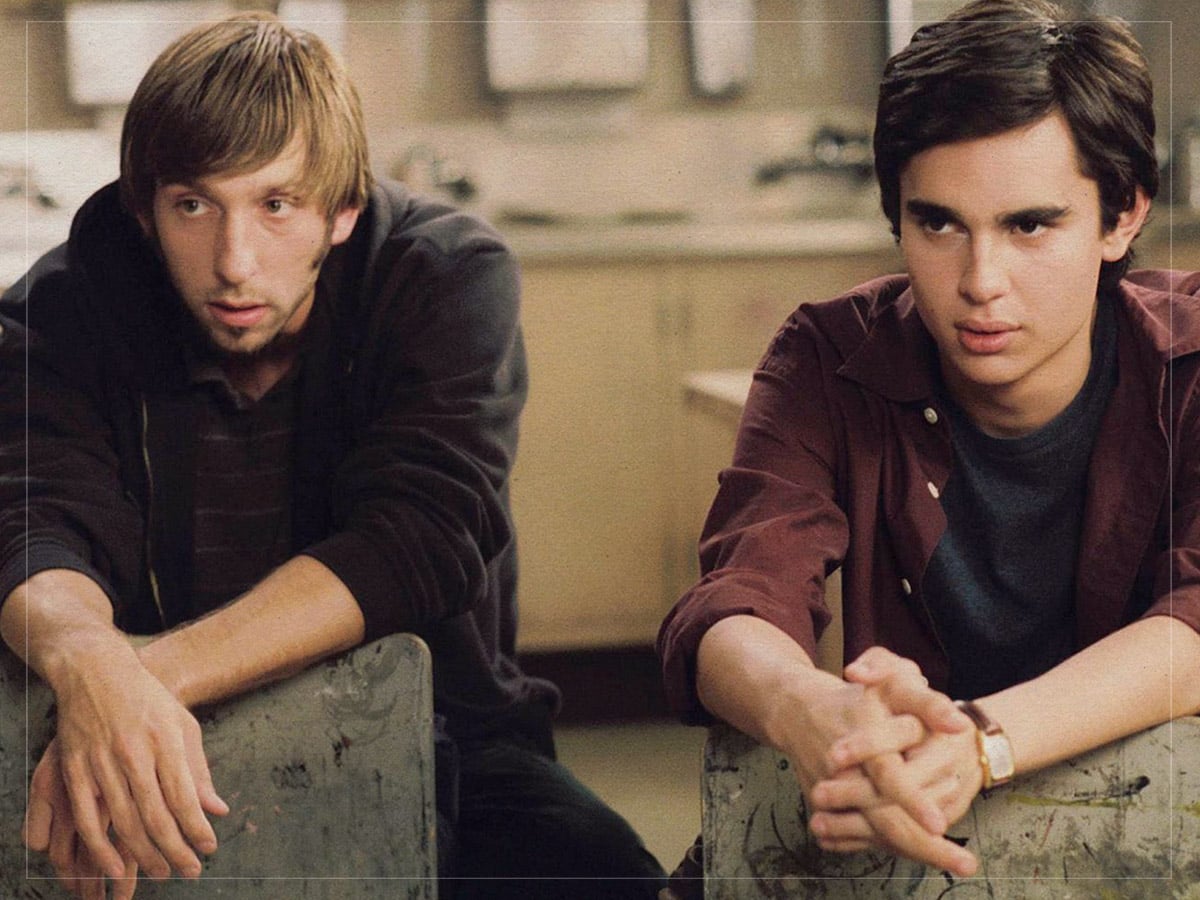
Director Terry Zwigoff had established a modern cult classic with Ghost World, and Art School Confidential was another unusual coming-of-age story that saw Max Minghella, son of the Academy-Award winning director Anthony Minghella, starring as a passionate college freshman who dreams of becoming a great artist, a path he begins to question when his first year on campus proves to be completely bizarre.
Although there’s a great performance by John Malkovich as an unusual professor, Art School Confidential was a real showcase for Minghella, who would later follow in his father’s footsteps by becoming a director. The film is strange with unusual subplots involving pop stars and a serial killer, but it accurately represents how overwhelming it can be for incoming college students to make decisions that will impact the rest of their lives.
‘Lucky Number Slevin’ (Paul McGuigan, 2006)
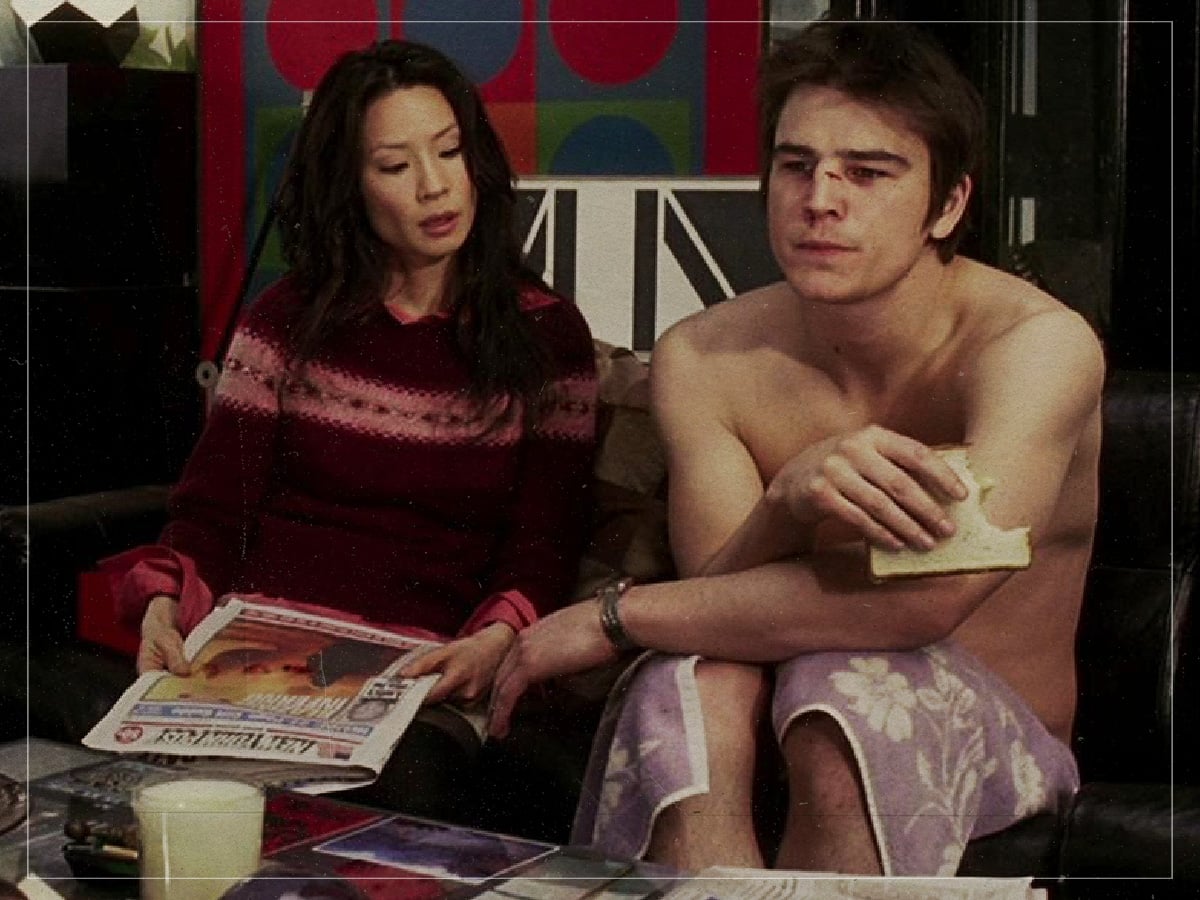
Josh Hartnett named the unusual neo-noir thriller Lucky Number Slevin as one of the best films that he ever made, and it’s not hard to see why. While it has the propulsive editing and non-linear narrative choices that were reminiscent of Pulp Fiction and that era of ‘90s crime films, Lucky Number Slevin also contains the stylised excess of the 21st century, which saw Hartnett play a young man caught in a feud between two rival gangsters, portrayed by Morgan Freeman and Ben Kingsley in playfully over-the-top performances.
The terrific ensemble is rounded out by Bruce Willis as a mysterious mastermind who orchestrates the plan, as well as Lucy Liu as the love interest to Hartnett’s character. It’s a film that is much smarter than it is given credit for, and manages to steal from other crime classics while still feeling original.
‘A Prairie Home Companion’ (Robert Altman, 2006)
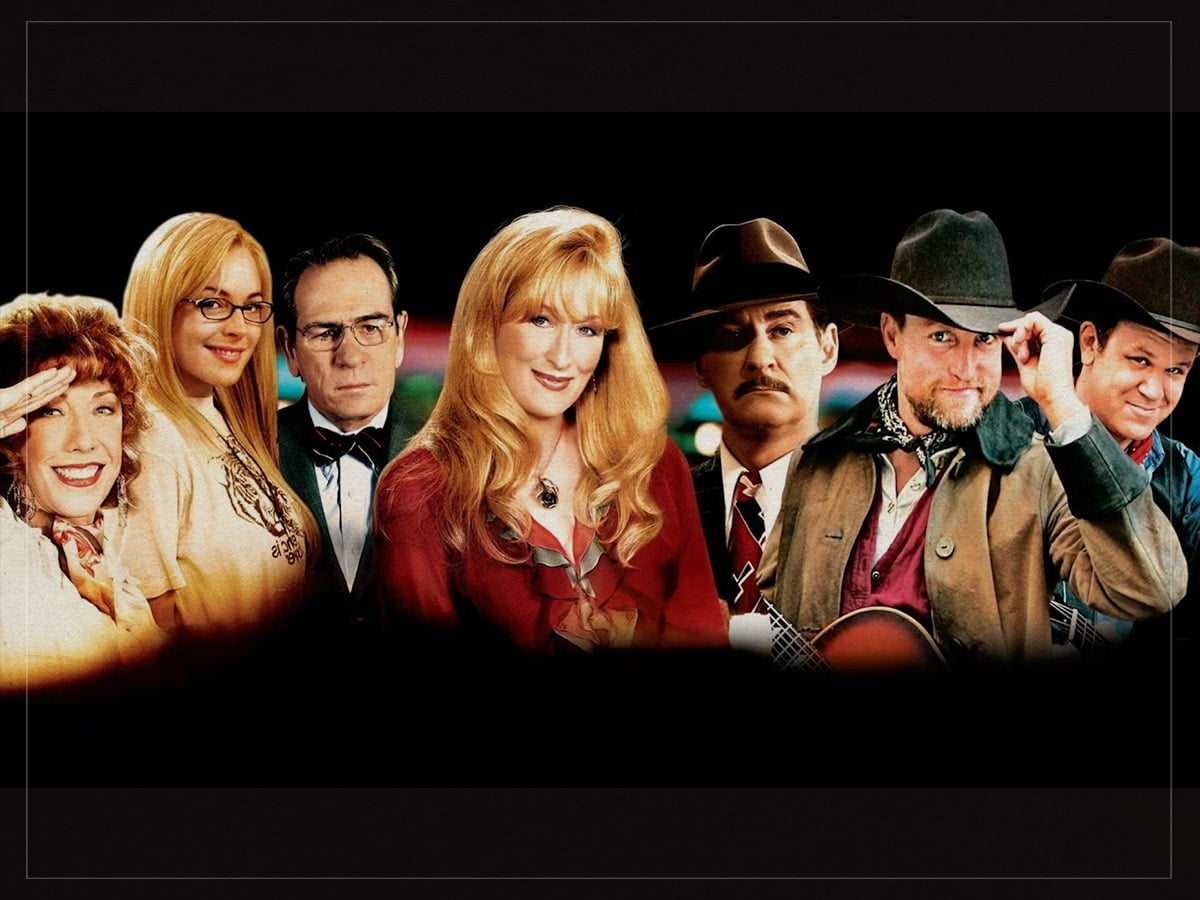
A Prairie Home Companion was the last film ever made by the great Robert Altman, who died only a few months after it was released; he was in such poor health during filming that he had his protégé, Paul Thomas Anderson, serving as a standby director who could potentially take over in the case of his death.
A Prairie Home Companion is a fitting conclusion to Altman’s body of work because it is the story of a community of artists who form a misbegotten family, even though they know that they are part of an industry that is evaporating around them. Despite some comical side performances from Woody Harrelson and John C Reilly, the film has a sense of melancholy that only Altman could conjure, as he examined the challenges these artists faced without ever making them the butt of the joke.
