


10 debut albums that sound nothing like the band

For any artist, the debut album is usually the first major hurdle to jump over. It’s hard enough to score a record deal right out of the gate, but the minute that people actually hear what you sound like in the studio is what they will judge you on whenever you’re onstage. And while there are some people who storm out of the gate with a fantastic debut album, it took bands like Bruce Springsteen a little while until they finally learned the tools of the trade behind the scenes.
That’s not to say that any of the records they made were bad, per se. There are many interesting moments that came out of their first tries, but when thinking about the trademark sound that everyone knows the band or solo artist for, this is a rough facsimile of what they sounded like in a live setting or them completely going against the grain of what most people would know them for.
It’s hard to blame them when it’s their very first attempts, but there are also some tunes that would be forgotten for a damn good reason. Some artists might like to relive their past and find the kind of music that got them excited back in the day, but there’s a good chance that could also produce some bad memories as well, especially when they were nailing down a sound that hadn’t yet been invented.
Not all of these are absolute dumpster fires by any stretch of the imagination, but when combing through an artist’s catalogue, this is a case where their first album should be the last thing that you should listen to. Because if you start here, you are going to be in for a rough ride before landing on the real classics.
10 debut albums that sound nothing like the band
Aerosmith – Aerosmith

From day one, Aerosmith never apologised for being children of their influences. It was clear that they worshipped bands like Led Zeppelin and The Rolling Stones, and they would gladly flaunt any kind of bluesy tune that they could muster up on one of their albums. But one of their most neglected influences is The Yardbirds, and even if you didn’t realise that the band liked the British R&B groove, they made sure that their entire first album was practically a love letter to their favourite band.
While that’s not inherently a bad thing, many of the classic songs on this record are missing something compared to their live counterparts. Since Steven Tyler was still testing the boundaries of his voice, a lot of his singing on here feels more like a half-hearted impression of what he thinks a blues singer is supposed to sound like, especially when he starts sounding incoherent on tracks like ‘Somebody’ and ‘Write Me A Letter’.
The album itself is excellent, but its one fault is the fact that it’s so close to the band’s sound. Songs like ‘Dream On’ and ‘One Way Street’ have moments where you can hear the ‘Bad Boys From Boston’ coming into full view, but they’re still buried underneath a mountain of blues cliches. Those would be fixed the minute that ‘Same Old Song and Dance’ started on Get Your Wings, but they still had some growing up to do before dropping some of their most obvious influences from their sound.
39/Smooth – Green Day
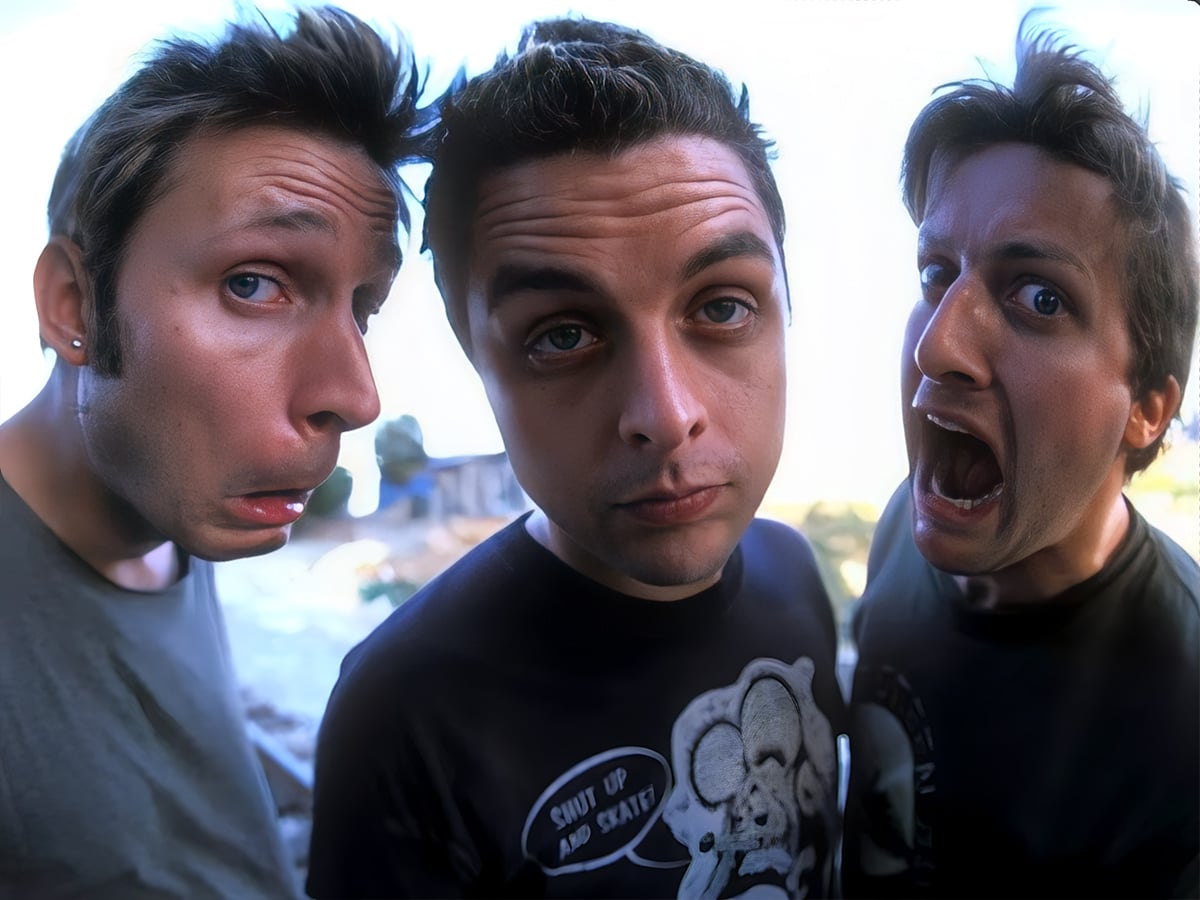
When Green Day first started, pop-punk wasn’t even a proper term yet. No brand of punk rock had ever breached the mainstream, and even if Ramones had a catchy side to their sound whenever they played their classics, it’s not like there was a market for Billie Joe Armstrong to write his own classics in the age of Jane’s Addiction and Red Hot Chili Peppers. The band still needed to get their record done, but without the proper production behind them, 39/Smooth feels more like a demo tape than an album half the time.
Kerplunk couldn’t exactly brag about its pristine sound or anything, but since Al Sobrante is still behind the drumkit, the band feel confused about what they want to be. There are some unmistakable Green Day tunes that land on here like ‘Going to Pasalacqua’, but there are also a handful of tunes that sound completely out of place, like when they decide to go for a psychedelic soundscape in the middle of the song ‘Rest’ or the Van Halen-esque guitar squeals on ‘At The Library’.
Tre Cool may have helped to put things in perspective a little bit more, but if anyone had heard Dookie beforehand and wanted to dig deeper, they would have been shocked seeing where everything started. Producer Rob Cavallo was used to whipping bands into shape when he got hold of them, but even for a bunch of kids working things out on a budget less than what a used car is worth, it’s still a fantastic time capsule.
Cold Spring Harbor – Billy Joel

Billy Joel always set a higher standard for himself compared to most songwriters. Whereas most singer-songwriters only needed a handful of chords to get by while pouring their heart out, Joel was always a student of classical music, so nothing that he played needed to be that simplistic. He wanted to wow people with something more complex, but the fact that Cold Spring Harbor sounded so dull by comparison might not be his fault.
Because the songs themselves are already intact. When looking at the record next to Piano Man, it’s not like Joel had much growing up to do, but the production of the first record is what sank everything down. Since they were working on the wrong machines when the vinyl was being pressed, the whole thing ended up being sped up, which made Joel’s voice sound almost comically fast on a handful of the songs.
While Joel has learned to take the good with the bad throughout most of his career, it’s no big shocker that he resurrected ‘She’s Got A Way’ when it came to make his live album Songs in the Attic. That record was reserved for the album tracks that people never gave the time of day, too, and since it’s one of his best ballads, it deserved a lot better than being restricted by the Mickey Mouse treatment it had been given.
Metal Magic – Pantera
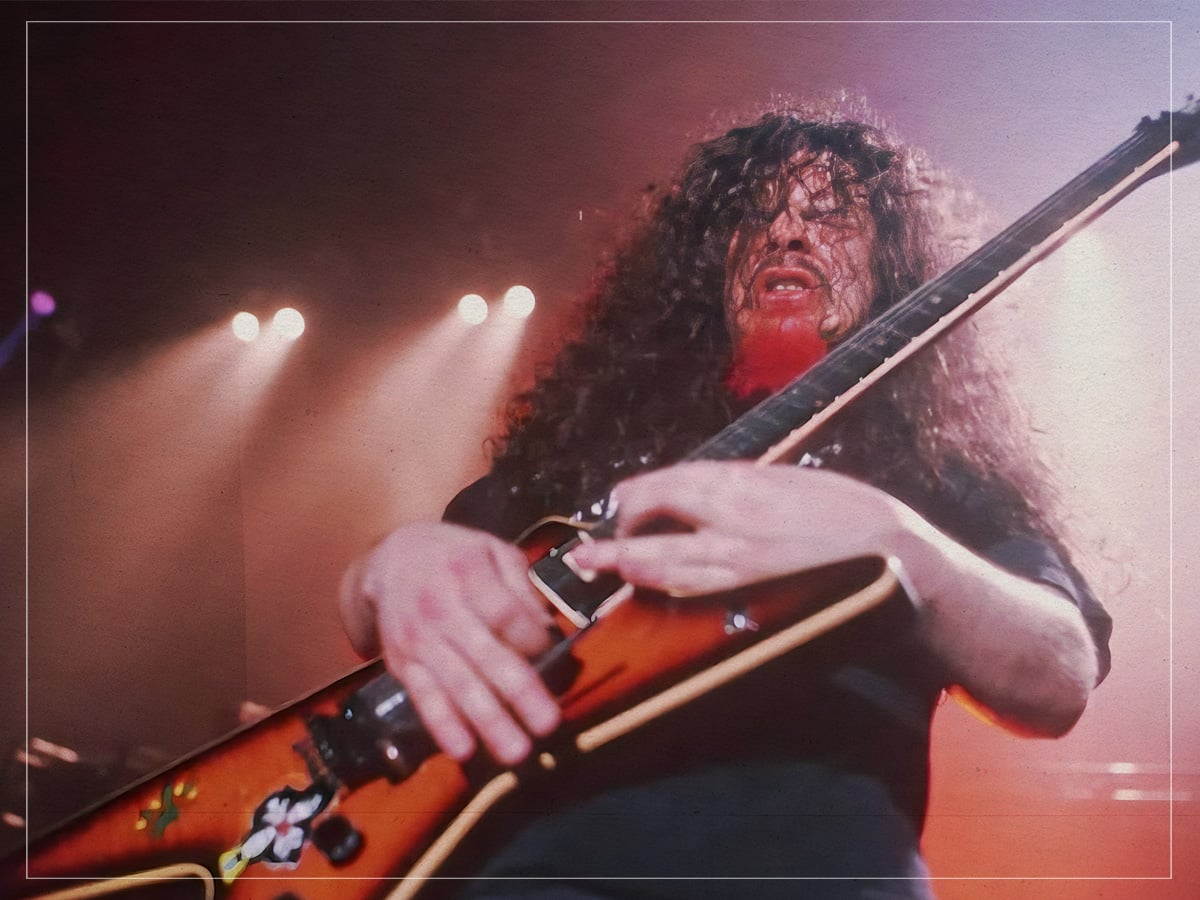
Most Pantera records are reserved for the hardened badasses of the world half the time. Although they have scared off more than a few people along the way, a lot of what the metal icons did revolved around making heavy music with the same insistent backbeat you would find out of a band like ZZ Top. The metalised band from Texas never forgot their sense of swing, but before they found their voice, they were probably the most adorable hair metal band anyone had ever seen.
Since the first half of their career was spent making records while they were in their teens, Metal Magic is a bit of a rough ride for anyone expecting Cowboys From Hell. Phil Anselmo wasn’t even a thought in their mind at this point, and while Dimebag Darrell was already becoming one of the biggest guitarists in his area, Terry Date always gave the band a strange imbalance, almost like listening to a version of Metallica if a hard-edged version of David Lee Roth fronted them.
It took a while for them to grow out of this phase as well, with Anselmo eventually having to hit some of those high notes when making the Power Metal album when he joined. They were going for the kind of metal that even casual fans could get into, but as most of us would come to find out, most Pantera songs only work if they’re hitting someone like a smack in the mouth right out of the gate.
McCartney – Paul McCartney

So, yeah, we might be going with a bit of an obscure artist on this one. While this little old upstart kid named Paul McCartney was starting to make a name for himself in the 1960s, fans seemed to be waiting meticulously to finally hear what this hopeful songwriter could get up to without working with his friends. All joking aside, though, McCartney was definitely a shock coming from someone known as one of the biggest perfectionists of The Beatles.
While Ringo Starr also had a strange turn towards adult contemporary on Sentimental Journey, this is far more drastic a turn than anyone was willing to take. Outside of having the classic ‘Maybe I’m Amazed’, more than half the record was nothing but McCartney working in his home trying to make a record in the most ramshackle way he could, whether that’s experimental tracks like ‘Hot As Sun’ or acoustic ditties on ‘Junk’ or ‘Man We Was Lonely’.
Everyone might have been baffled not to hear another Beatlesque epic on first glance, but McCartney wasn’t trying to match what he did with his old mates. He could only be himself once his record came out, and considering how much he embraced the sounds of DIY, he laid the groundwork for what many modern artists are working with. Yes, even when The Beatles are completing the side missions of their career, they are still making pieces that influenced generations to come.
Rocka Rolla – Judas Priest

There’s always been some debate about who officially started heavy metal. It would be easy to put down Led Zeppelin and Black Sabbath as the proverbial parents of the genre, but it wasn’t truly embraced by either of them until their successors started making different extensions on what they had done. Judas Priest may have been among the first to claim the genre, but they certainly didn’t have much to show for it if all they had to work off of was Rocka Rolla.
Although all of the key members of the band are already in, the songs feel like something that came off a bad AM radio rock record. That’s because none of these songs are truly theirs. A lot of what the band had been working on had been finished by original singer Al Atkins apart from the vocals, and in this case, it might have been better if he were the one to have sung them, especially since it leaves no room for Rob Halford to showcase his signature scream like he’s used to.
It wouldn’t be that bad if they had a slow growth, but considering Sad Wings of Destiny comes out right after this, it’s insane to think that they got strong-armed into making an album that they didn’t believe in. Because if they had a song like ‘Victim of Changes’ in their catalogue and hadn’t got the chance to release it, heavy metal would have lost one of the core pieces of its backbone.
Three Imaginary Boys – The Cure
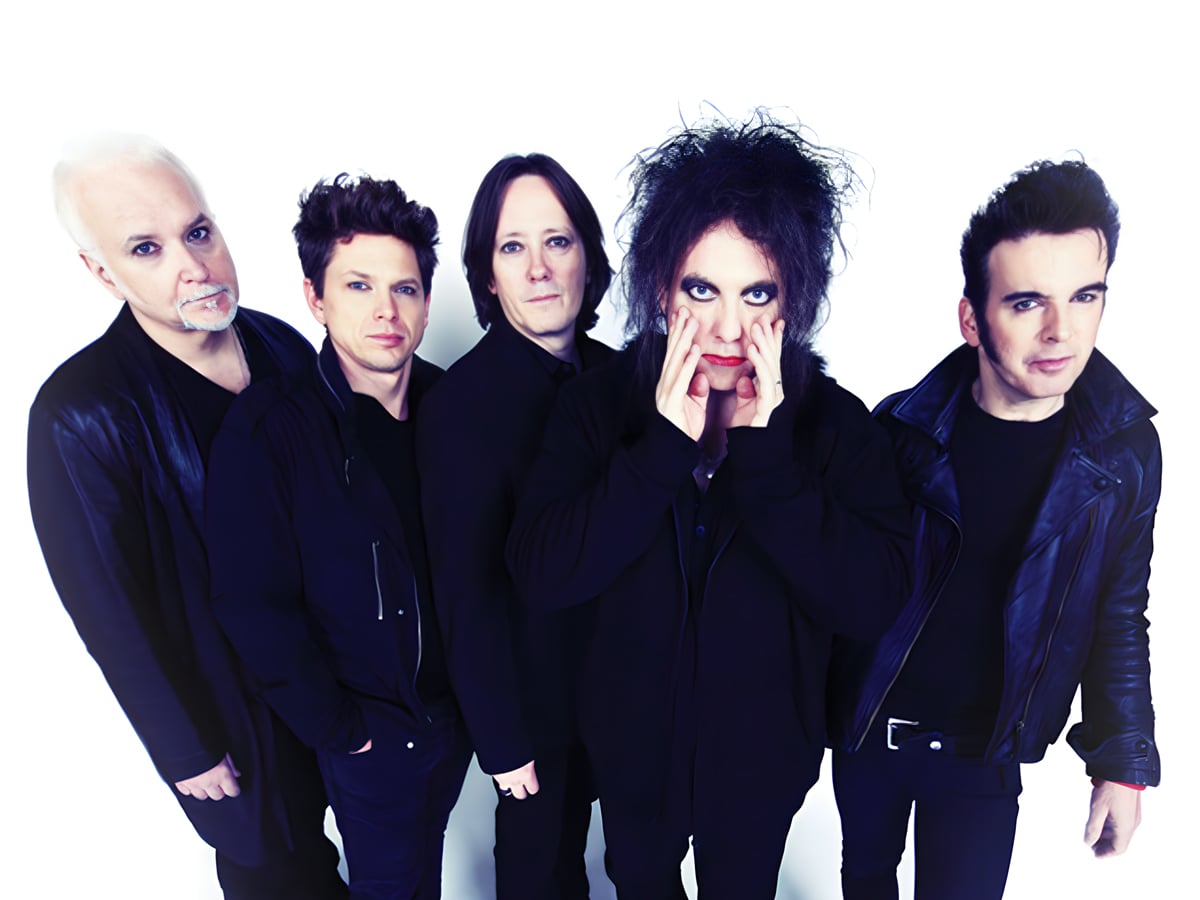
The end of the 1970s was a very complicated time for popular music. The biggest names in stadium rock were starting to look pompous, and while punk did a great job at stamping them out, it was hard to judge what the next big thing was going to be when the biggest names in rock were Van Halen, The Police, and The Cars. The Cure fit somewhere in between all of them, but it was nowhere near the kind of emotional rollercoaster that Robert Smith would eventually morph into.
Despite being known as one of the biggest names in gothic rock, Three Imaginary Boys feels like it’s caught between the worlds of new wave and post-punk half the time. Smith isn’t half bad at this kind of thing, and even singles like ‘Boys Don’t Cry’ point to where Smith would eventually be going, but something about his melodic sensibilities feels too chipper here. The Cure could write pop songs, but the perfect balance comes when Smith has more of a tremble in his voice.
And while Seventeen Seconds had the makings of the same thing happening over again, ‘A Forest’ was the moment where everyone realised there was more to them than being a knockoff version of Television or Talking Heads. Smith had a stronger vision for what the band should be, and he wasn’t going to rest until he painted the world a certain shade of black.
Fleetwood Mac – Fleetwood Mac
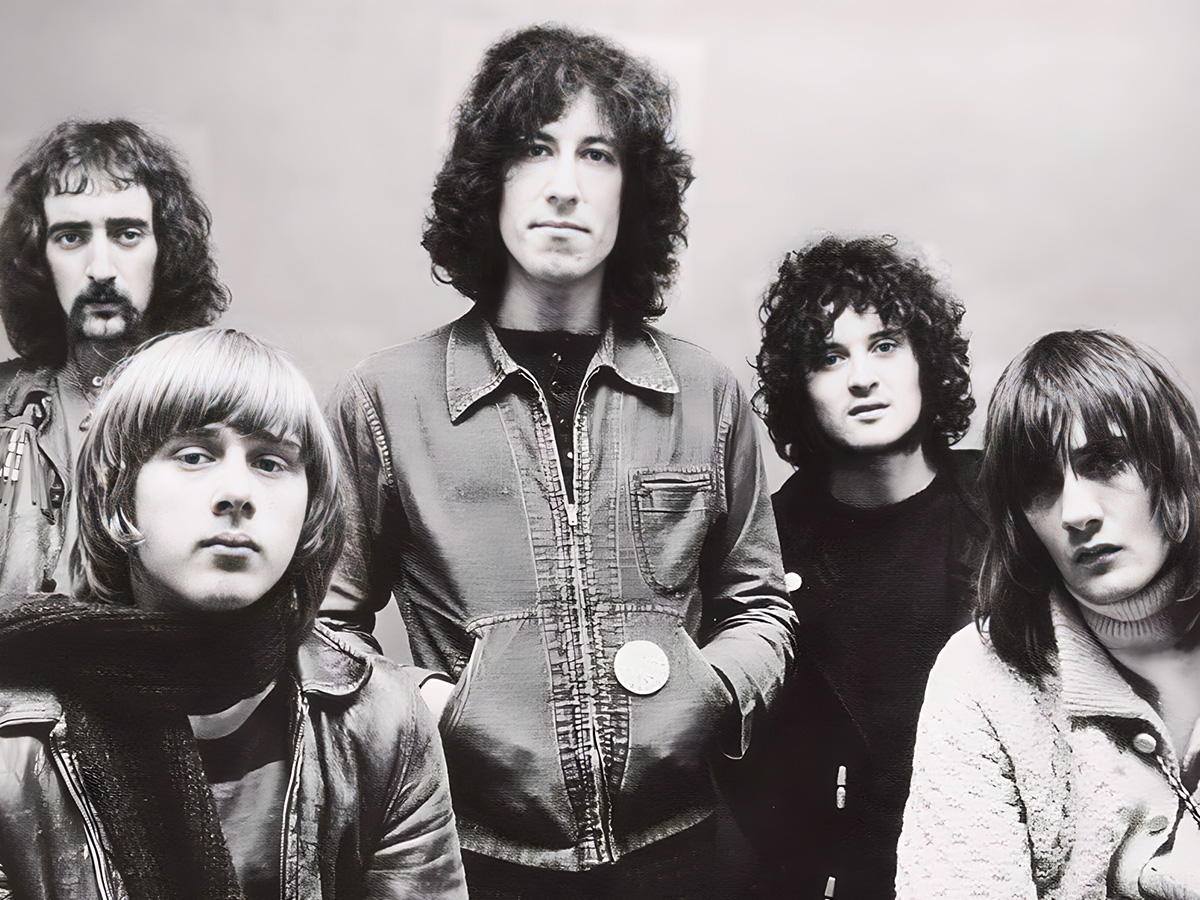
So this one might need a bit of a caveat. For many rock and roll enthusiasts, it’s with some trepidation and a little bit of pain that Fleetwood Mac earns a spot on this list. Because while the band have become known as one of the biggest bands in the history of classic rock, this is a case where their debut is a completely different band that happens to share the same name as the Stevie Nicks and Lindsey Buckingham incarnation.
Does that mean it’s any less? Hell no. Fresh out of John Mayall’s Bluesbreakers after replacing Eric Clapton, Peter Green is one of the finest blues players that the 1960s ever produced. His voice on the guitar was unlike anyone else, thanks to singles like ‘Oh Well’, but while their debut is more straight-ahead blues than anything they did, their versions of songs like ‘Hellhound On My Trail’ are more than worthy of being put next to any of the greatest names in blues like Cream.
So, while this would be the blues equivalent of including something like The Piper at the Gates of Dawn since it’s technically the Syd Barrett era of Pink Floyd, this is included as a piece of musical homework for those uninitiated. Fleetwood Mac have more than earned their right to be considered one of the greatest bands of their generation, but anyone who was expecting a more ramshackle version of Rumours needs to be exposed to one of the greatest blues guitarists of the time.
Greetings From Asbury Park – Bruce Springsteen

Bruce Springsteen never once tried to be anything other than a kickass rock and roll singer. His entire motivation was to make some of the best music he could, and even if he got a bit rambly on more than a few songs, it was worth it when he had some of the best musicians he could think of behind him. So for as much power as the E Street Band holds, why the hell are they so muted on his debut album?
While Greetings From Asbury Park is full of fantastic songs, it can’t help but feel a little bit stilted knowing what Springsteen’s band could do. As it sounds, it feels like a standard singer-songwriter album, and while tunes like ‘Lost in the Flood’ and ‘Growin’ Up’ sound fantastic, it feels like the band is intentionally sidelined here, and not in the good way like on Nebraska. Those songs didn’t demand bells and whistles, but this record can’t help but feel sparse without them.
And since ‘The Boss’ was already running away from the tag of ‘new Bob Dylan’, this album certainly didn’t help his case, especially with his rambling style, songs about everyday people and a voice that wasn’t exactly award-winning. Springsteen’s performance is packed full of soul throughout every minute of these songs, but when listening to Born to Run, his debut feels like a giant missed opportunity.
David Bowie – David Bowie

There’s no real roadmap for how to navigate David Bowie’s career. The man was a phenomenon in terms of genre-hopping, and there was no telling whether he was going to break out the acoustics, go fully synthetic, or hit you with an obscure jazz record whenever he came out with a new project. If there was one genre that seemed to be off the table after the 1960s, though, it would be whatever kind of vaudeville sideshow he was doing on his first debut record.
While it’s easy to cut Bowie some slack since this came out around the same time as Sgt Peppers, hearing him make an album full of lighthearted story songs feels like what happens if Paul McCartney’s ‘granny music’ were distilled into a person. It’s far from a poor record, but outside of the strange sound design on ‘Please Mr Gravedigger’, this sounds exactly like every other kind of psychedelic act that was coming out of the 1960s, complete with a strange vocal cadence that makes ‘The Starman’ sound like he’s auditioning for the role in some kid’s show.
But that’s because this is what Bowie sounded like if he were confined to Earth. Once Space Oddity came into everyone’s lives, they got their first look at the rock and roll alien that would go on to wow listeners for generations to come. And given the fact that Bowie practically disowned his debut after a while, it’s easy to discard this as a nice bit of fluff in between the real meat of his discography.
