


The album Billy Joel hated so much it “humiliated” him: “This horrible sounding thing”

For a handful of Billy Joel fans, hearing him retire from making original compositions in 1993 feels like sacrilege. The songwriter was one of the most potent of his era, and left charts and audiences in his wake as he moved through decades as a powerful creative.
Even though Joel has graced his ardent followers with some of the greatest classic rock of the previous century, his knack for writing melodies never sat well with him, saying that he would rather celebrate what he had written than contemplate what to write next. Although Joel may have a strong love for all of his albums, there was one project that he felt was never laid down properly, and it has left him scathing ever since.
Before Joel had started writing original material, he was already honing his craft behind the ivories as a studio musician. After working in various bands in the New York club scene, Joel initially thought that his calling lay in hard rock, working with various musicians to put together the hard rock outfit Attila.
Once the band fell through, Joel would find himself in a bleak place as a songwriter. Going through a massive relationship breakdown, Joel would even consider suicide before being resuscitated by paramedics after two failed attempts. It’s a near-tragic ending that befalls many creatives who simply can’t find the right route to express themselves. Though he was still writing music daily, his first experience working in a proper studio was less than admirable.
Working with producer Artie Ripp, Cold Spring Harbor would introduce the Billy Joel that most fans would recognise, complete with his knack for vivid human relationships on songs like ‘She’s Got a Way’. While it looked like everything was going well behind the scenes, things quickly turned south when Joel when working alongside Ripp.

Talking about his experience working on the record, Joel would explain in his biography, “It was like pulling teeth.” It’s not one of the most alluring introductions to making records. The dream that a young boy from New Jersey had held on to for so long, now felt like a nightmare he couldn’t escape.
The instruction wasn’t great either, “‘This time can you do it with more feeling?’ I hated the strings. I didn’t want the sessions players. The whole thing was completely overproduced”. Outside of the massive expectations from the producer, Joel’s confidence as a singer was also shaken, never mastering his signature style until the follow-up Piano Man.
Even though the album was put together through pain, the final results still didn’t sit well with Joel. When mixing, the tapes would speed up, leading to decent songs sounding like they were comically sped up in post-production and making Joel sound like a strange cartoon character.
When playing the album back for friends, Joel remembered being beside himself with anger, explaining, “I was humiliated…I was so bent out of shape I just whipped the thing off the turntable, ran outside, and threw it down the street. After deciding just to go with it, that maybe [Artie] was right, that all our hard work would end up creating a great album, to have it be this horrible sounding thing – it was so depressing”.
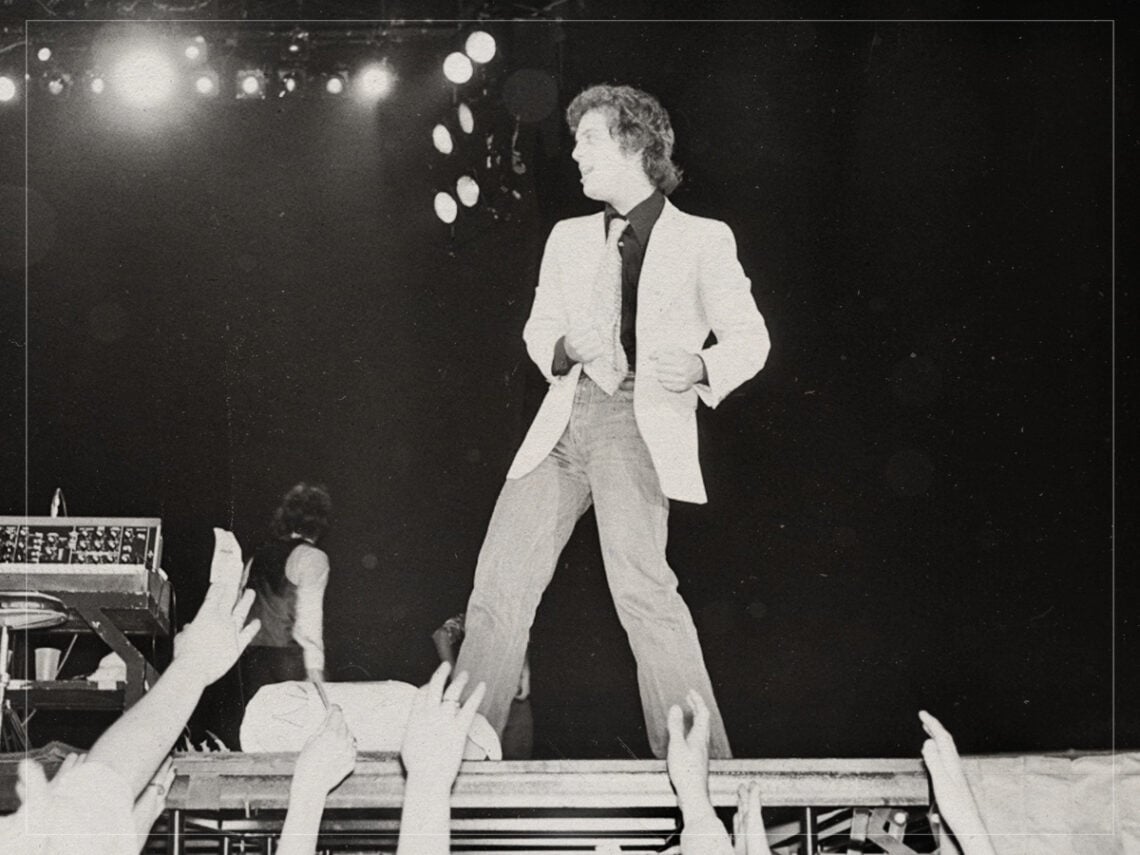
Rather than spend time wallowing, Joel would go on the road to promote the album, honing his craft on the stage rather than in the studio. By the time he released Piano Man, he had finally understood how he should sound, creating soon-to-be iconic tracks like the title song and ‘Travelin’ Prayer’.
Any songwriter might look at their compositions as their children, but Joel still considers Cold Spring Harbor as a botched job of what could have been a great album. The opportunities lost often hurt more than them never being chances at greatness in the first place, and there’s a good reason some might call this the most hated record of Joel’s entire career.
