


10 classic rock songs that everybody got wrong

Every classic rock song tends to be subjective. As much as fans might like to sing along to their favourite artists whenever they come on the radio, every soul belting at the top of their lungs could walk away with a completely different take on what that song is about.
Artists like The Beatles and The Police aren’t usually that keen to disclose what their lyrics are about, so it’s up to the listener to make up their own story.
Throughout rock history, some of the biggest tunes to hit the charts have also contained the most confusing lyric sheets known to man, as artists either become too esoteric or downright confusing with each line. Although some fans claim to have some of the songs fully figured out, the artists have come forward to set the record straight time and time again.
In many cases, however, an artist’s explanation doesn’t necessarily invalidate the listener’s interpretation. Once a song enters the public consciousness, its meaning often evolves beyond its creator’s original intent, allowing different generations to attach their own experiences and emotions to the same lyrics.
Compared to some of the outlandish fan theories that have come out regarding these songs, the artist in question would probably prefer to reveal what the songs are about rather than constantly arguing with their fans as to what their words are supposed to mean. Just because the artist sets the record straight doesn’t mean the rumours stop, though, with some of the theories persisting to this day.
The Beatles’ ‘Lucy in the Sky with Diamonds’, for instance, remains synonymous with speculation about psychedelic drugs despite repeated denials from John Lennon and Paul McCartney. Similarly, songs like The Police’s ‘Every Breath You Take’ are still widely mistaken for straightforward love songs, despite Sting describing them as far darker in intent.
Granted, the misguided interpretation of the lyrics tends to be far more interesting, with fans looking to get a closer look into the psyche of their favourite artists. There’s a good chance that all of the misinterpretations may be off the mark, but that’s the beauty of all great tunes: it’s in the ear of the beholder.
10 misinterpreted classic rock songs:
‘Good Riddance’ – Green Day

For the first half of their career, Green Day was never known to be the sentimental type. Throughout albums like Dookie, Billie Joe Armstrong was far more likely to write songs having to do with teenage angst than anything remotely about love. As they started to mature beyond their punk rock roots, Nimrod brought God’s gift to graduation ceremonies everywhere…or so most people thought.
Featuring in the closing moments of sitcoms like Seinfeld, ‘Good Riddance’ could easily be interpreted as a song about moving on to the next phase of life and growing up. In reality, Armstrong wrote the song about a pretty heavy breakup that he had gone through, which ultimately left him feeling jilted.
Instead of trying to spew his venom about his old flame, Armstrong admitted to sounding as polite as possible in this song, even though every line is meant to be a touch sarcastic by telling her to take the still frames in her mind while she can. Although nothing about this song is going to taint fans’ images of their teenage years, Armstrong’s tone is a reminder that not everything that happened back then was exactly perfect either.
’99 Red Balloons’ – Nena
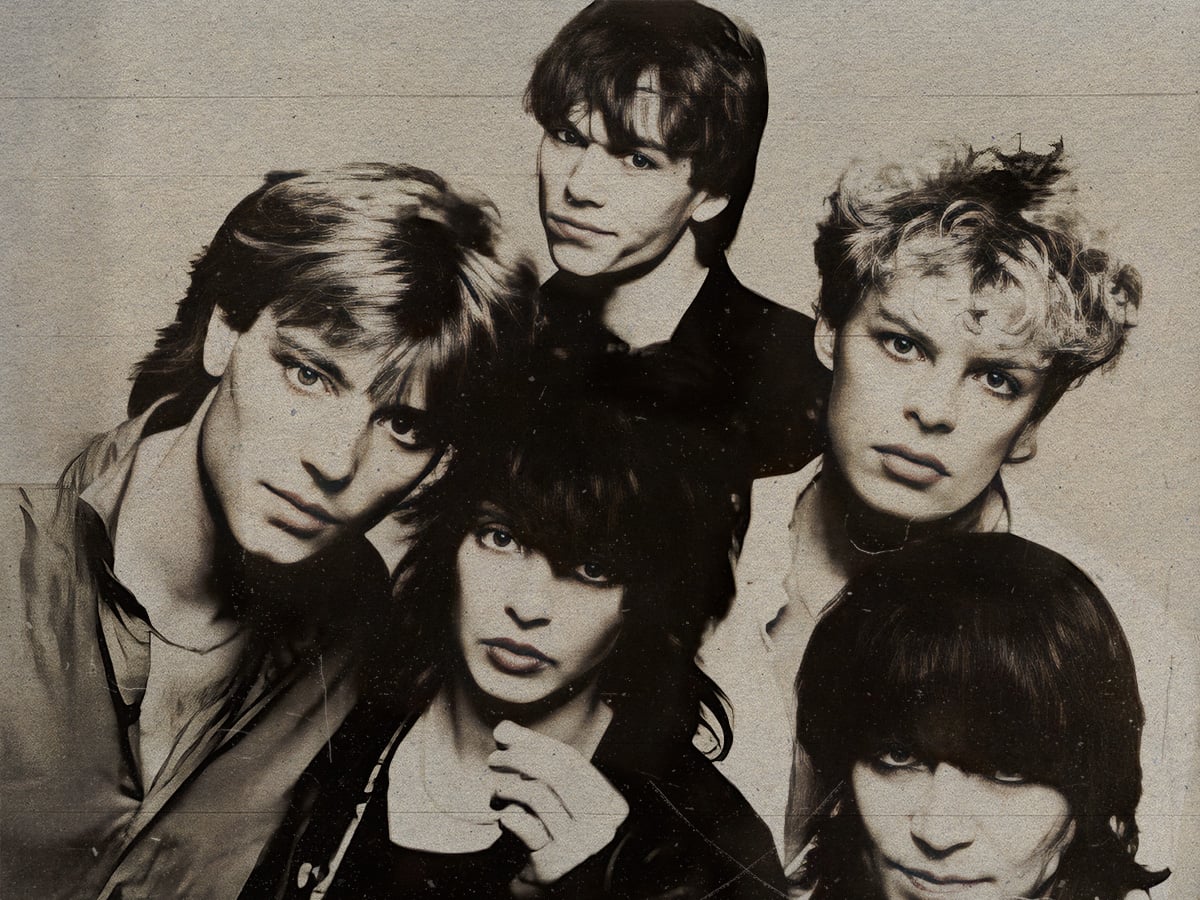
As the ‘80s got underway, the new wave scene was just starting to hit its peak. After the strange gestation period with Devo and Talking Heads, the sounds of artists like Duran Duran were beginning to take over MTV with lavish videos and amazing pop hooks. In the middle of it all was Nena, who skyrocketed in more ways than one on the song ‘99 Red Balloons’.
Originally entitled ‘99 Luftballoons’, the German version of the tune brings to mind the sounds of childhood innocence as Nena watches those red balloons fly by in the wind. Since this was about Germany in the mid-80s, there was something far more dangerous going on when people bothered to translate the lyrics.
Instead of the usual peppy energy of the song, the lyrics deal with weapons specialists mistaking those red balloons for bombs and unintentionally starting World War III, as Nena is thrust into the middle of things and is crawling through the rubble by the end of the song. The song even started from a real event, where the band’s guitarist questioned what would happen if the Berlin Wall was breached by balloons from a Rolling Stones concert. Even if it’s not as happy-go-lucky as one thought, this still makes for one of the best soundtracks to the apocalypse.
‘Fortunate Son’ – Creedence Clearwater Revival

It’s easy to see how not everyone was exactly on board with the Vietnam War looking back. As much as the US might have been willing to go into the fracas with all guns blazing, some of the biggest names in music didn’t see the logic in senseless violence, paving the way for the hippy movement protesting the war. Although CCR’s ‘Fortunate Son’ became a backdrop for those subterranean jungle scenes in movies, John Fogerty was a staunch protestor in the lyrics.
Going through every verse, Fogerty meant the words as a satire of what the suits down in Washington saw in the unsuspecting public. As they make business deals day after day and raise their kids with silver spoons in their hands, all of the common people on the ground are being forced out of their homes and onto the battlefield with no real say in the matter.
Although the government may have seen serving one’s country as patriotic, Fogerty isn’t looking to be any senator’s son, denouncing the behaviour that focuses more on war politics than the innocent people dying before they even knew what happened. Every American had the right to give their lives for their country, but Fogerty wanted to see the plan’s mechanics before fighting any unjust war.
‘Today’ – Smashing Pumpkins
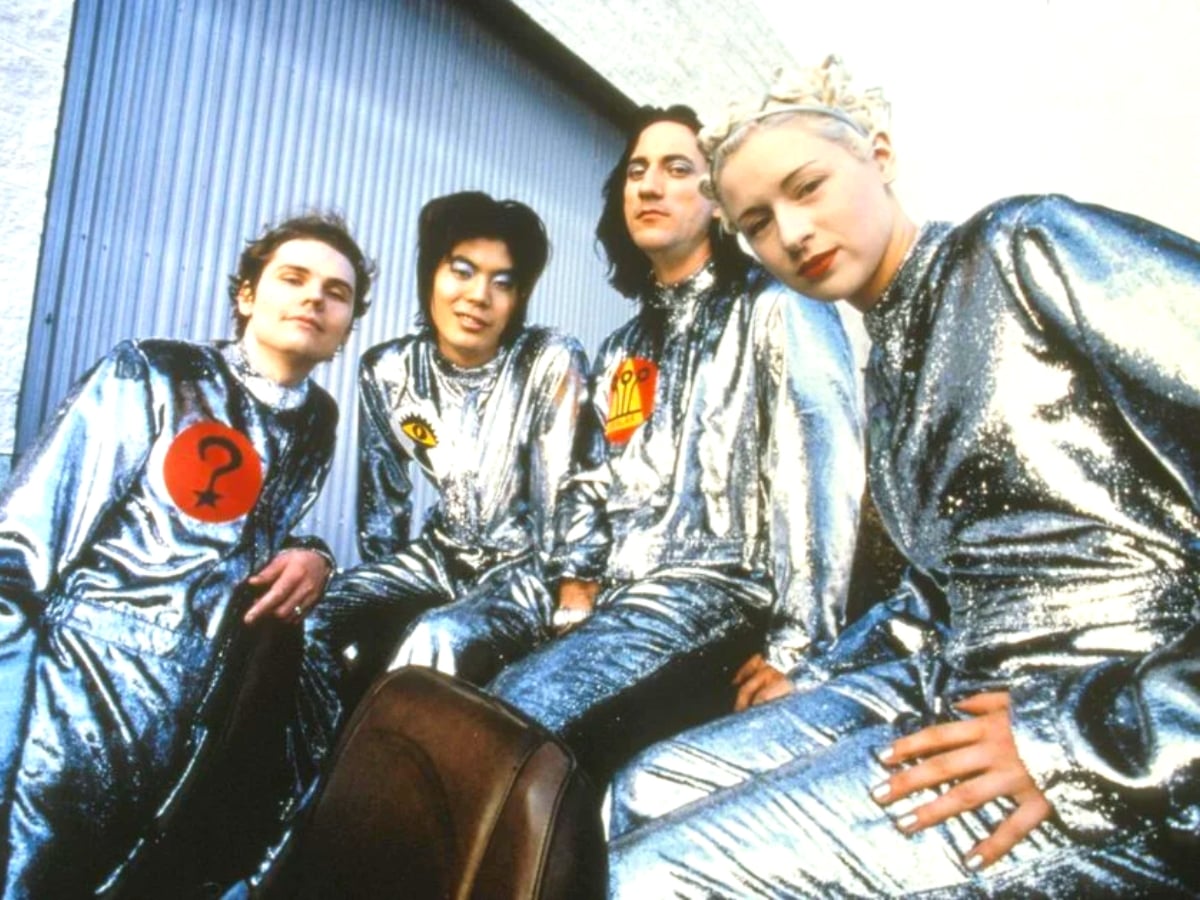
For all the great bands that came out of the first wave of grunge, Smashing Pumpkins were a bit of an outlier. Not springing from Seattle, Billy Corgan’s unique approach to alternative music put him on the cusp of grunge half the time, often playing songs a lot more tuneful than the likes of Soundgarden. Just because the tunes were easy to sing along to didn’t mean that Corgan let up on any of that darkness.
Compared to most ‘90s albums, Siamese Dream feels the closest to the golden age of AOR rock, with Corgan adding bells and strings to ballads like ‘Disarm’. While ‘Today’ is the most radio-friendly song that Corgan would ever write, he confessed that the lyrics were about his depression and contemplating suicide, wondering if he’ll even have long to see tomorrow before his demons get the better of him.
Corgan always claimed to have an eclectic taste in music, and this song is an amalgamation of both extreme parts of his taste, putting a happy face on one of the ugliest situations imaginable. Little did Corgan know that this kind of writing would become even more widespread, with Radiohead embracing this mentality on nearly every one of their ‘90s hits. The ‘90s may have been a golden age for rock music, but it wasn’t necessarily the happiest of times.
‘Stairway to Heaven’ – Led Zeppelin

For as long as Led Zeppelin has been together, critics have been lining up to tear them to ribbons. Despite Jimmy Page’s immense knowledge of blues traditions and mind-bending riffs, most blues connoisseurs thought that Zeppelin was nothing more than a glorified cover band, interpreting other people’s work and not giving due credit to the real blues masters. Even when Zeppelin shed their blues skin on ‘Stairway to Heaven’, they still weren’t off the hook with concerned parents.
Then again, the misinterpretation of Zeppelin’s lyrics has more to do with what happens when played with a broken record player. For years, radicals have insisted that the backwards message behind the Zeppelin epic is about secretly praising the devil, with Robert Plant allegedly saying the lines “here’s to my sweet Satan” during one of the verses. It’s not that far off the mark for Zeppelin, either, with Page immersing himself in the work of Aleister Crowley for years while writing Zeppelin’s classics.
The band have always denied the claims, with Plant not remembering what the song is about and remarking that it came much too quickly to have some hidden subtext. Although there isn’t much to consider regarding the song’s Satanist message, that take on the Zeppelin classic almost makes too much. Since the song is about a stairway to heaven, it’s only logical that playing it backwards would be marching down to Hell.
‘Lucy in the Sky With Diamonds’ – The Beatles

As The Beatles left the road for the final time, the ‘60s revolution was just getting underway. For all of the great songs from the Lennon/McCartney songwriting machine, just as many exciting artists were springing up in their wake with new takes on standard rock and roll. Alongside them was the drug revolution, and it didn’t take long for people to find some strange images in ‘Lucy in the Sky With Diamonds’.
Inspired by the strange visions going on in stories like Alice in Wonderland, John Lennon started the crux of the song after seeing a drawing by his son Julian. Modelled after his school friend Lucy, Julian’s picture featured the verbatim title of the song, which led to Lennon and McCartney thinking up surrealist images like newspaper taxis and plasticine porters with looking glass ties.
After the album hit stores, some concerned parents took issue with the beginning letters of all three nouns in the title, noting that it spelt out ‘LSD’. Lennon always stuck to his guns, thinking it was nothing more than a surrealist image, much like Salvador Dalí might have made if it were on a canvas instead of a record. Then again, it’s easy to imagine the song sounding as good if the listener had some…let’s say, “chemical enhancement” beforehand.
‘Alive’ – Pearl Jam
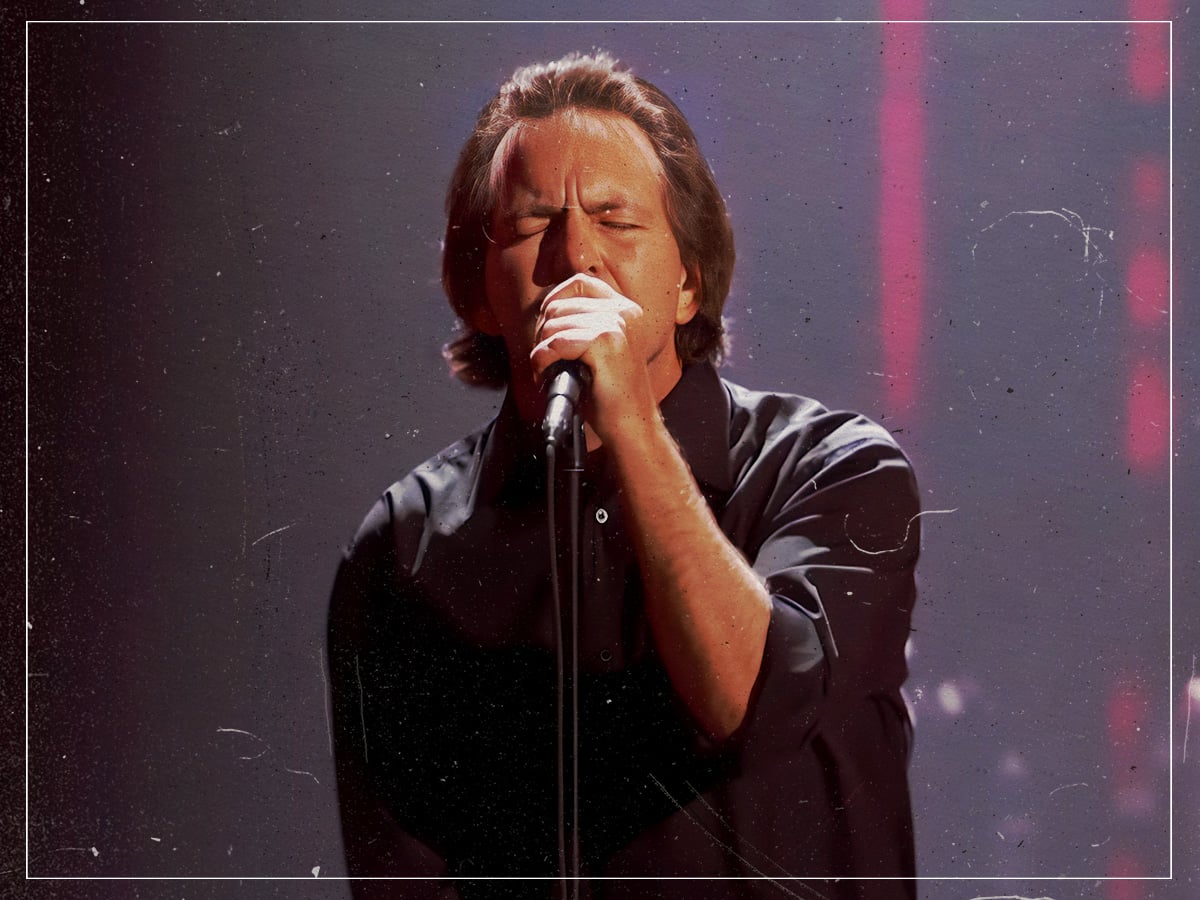
The beginnings of Pearl Jam already started with tragedy. From the ashes of Mother Love Bone, both Stone Gossard and Jeff Ament were trying to move on past the death of singer Andy Wood when they got a tape from Eddie Vedder, possessing a brooding range unlike anyone else in Seattle. Though Vedder became the perfect fit for Gossard’s riffs, he had a few hangups of his own going on back home.
Being separated from his birth father for most of his life, ‘Alive’ was Vedder’s first song confronting the subject, appearing on the first demo tape that he was sent by Gossard. The first verse is a real account of how Vedder’s story started, with his mother telling him when he was a teenager that the person he thought was his father was actually his stepfather and that his blood father had passed away years ago.
The song gets even darker from there, with the mother trying to force sex upon the protagonist because of his uncanny physical resemblance to his father, causing him to go insane. Though the key line of ‘Alive’ is supposed to be a cry of pain from the narrator, the fans took the more optimistic side, seeing the song as a celebration of surviving such a horrible ordeal. Despite Vedder’s mindset at the time of writing, he has admitted that the audience helped take the hurt out of the song.
‘Born in the USA’ – Bruce Springsteen

There is no other rock star that is more proud to be an American than Bruce Springsteen. Across most of his discography, ‘The Boss’ has taken to making songs about the world around him, telling in-depth stories about the blue-collar side of society, where people have to pay their dues and often have to fall out of love in the worst way possible. Springsteen is one of the embodiments of the American dream, but that doesn’t mean he likes everything that the country has to offer.
Towards the beginning of the ‘80s, Springsteen penned ‘Born in the USA’ from the perspective of a man coming back from Vietnam and the effect that seeing that carnage had on him as a young man. Compared to the star-spangled melody, Springsteen is at his most cynical, talking about all of the brothers that this man had to leave behind in the Asian jungle before coming home to find most people wanting nothing to do with him because of his role in the war.
Since this was coming off of tortured albums like Nebraska, this was the next step for Springsteen, only for fans to completely miss the point and think that their favourite artist was endorsing meaningless flag-waving. The backdrop on the album certainly has the heir of patriotism, but being born in the USA comes with as many hardships as it does fortunes.
‘One’ – U2

It’s impossible to imagine how close U2 were to breaking up when making Achtung Baby. After coming off one of the most lucrative concert tours in music history, their trip to Berlin for their next record to deconstruct everything led to one tense situation after another, leaving the band wondering if they should carry on. Though they found their answer through music, a song like ‘One’ isn’t exactly a picture of the good times.
From the downtempo rhythm to the open-hearted vocal from Bono, the song sounds like it should be a fantastic love song about survival. When Bono was asked about the lyrics, though, he had a lot more to say about how fractured the relationship in that song is, knowing that they are both bad for each other and can barely stand their partner for a second.
Although there’s toxicity in the air, the message behind it is one of tolerance for the human race, knowing that people might not see eye-to-eye but also need each other to survive on the Earth in peace. Compared to usual love songs, ‘One’ almost feels like a warning about what could happen in the future. We’ve all got one shot, so it’s best to share it with everyone to have a happy life.
‘Every Breath You Take’ – The Police

For a band that wrote some of the biggest hits of the ‘80s, The Police always had a wicked streak going through most of their lyrics. From day one, Sting wasn’t interested in writing meaningless love songs for the hell of it, so most of his tunes tended to be about the sour side of society or downright dark subjects that would be laughed out of the room if they didn’t have a brilliant melody behind it. Though ‘Every Breath You Take’ is the most cut-and-dry pop song that Sting ever wrote, the lyrics are just as sinister as before.
Though the song has been used in various forms of media to soundtrack simple love stories, this tale of devotion is entirely one-sided, with Sting singing from the perspective of a man watching a woman’s every move. While there is some context given in the breakdown when Sting talks about this woman walking out of his life, that doesn’t make the stalking part any less creepy, as he morbidly sings that he’ll be watching her through various situations.
Regardless of how many times he’s clarified the lyrics, the song’s allure has only gotten strong, being one of the most celebrated songs of the decade and one of the greatest hits that The Police have ever had. There’s nothing wrong with singing along to a great pop tune, but most fans need to make sure that they aren’t acting on any of the impulses that Sting is singing about.

Never Miss A Beat
The Far Out Beatles Newsletter
All the latest stories about The Beatles from the independent voice of culture.
Straight to your inbox.