


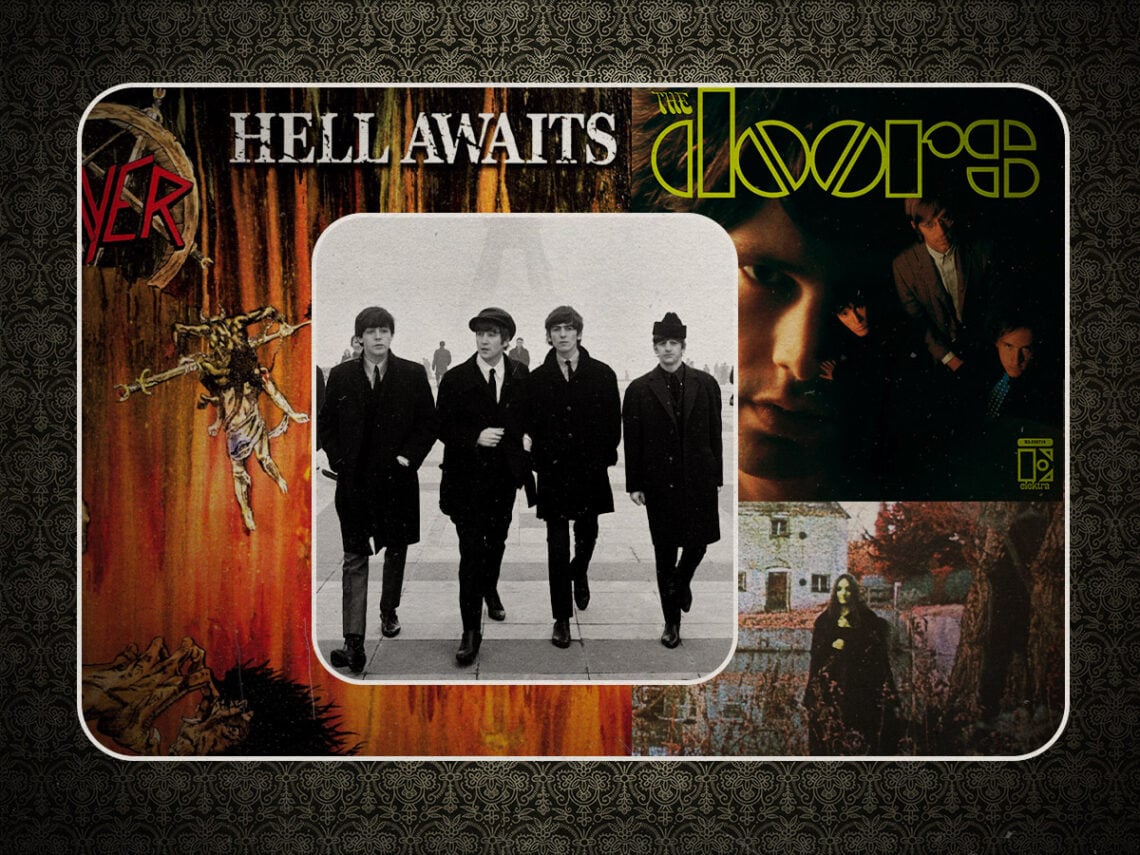
10 classic rock songs so troubling they should be banned

There’s nothing wrong with a song that gives you chills; in fact, those dark numbers are often some of the most emotional, as artists like The Beatles, The Doors, and Lou Reed have all written songs that are haunting both in meaning and execution.
People usually have two trains of thought when they make a troubling song. The first is that they want to write from a place of fiction, and that means creating stories based on horrifying images, which you can then put to music. Music will then help accentuate these twisted tales, and so the end result can often be a truly disturbing number.
On the other hand, a lot of songs don’t come from a place of fiction, but even more hauntingly, a place of honesty. Artists sometimes feel comfortable enough to really open up within their music, and that means reaching into some of the darkest parts of their mind and pulling out whatever they stumble across.
Regardless of the reasoning behind such a song, there is no escaping the fact that there are a lot of rock songs out there that are incredibly troubling, and these are ten of the worst, which are so bad they should be banned.
10 rock songs so troubling they should be banned:
The Doors – ‘The End’
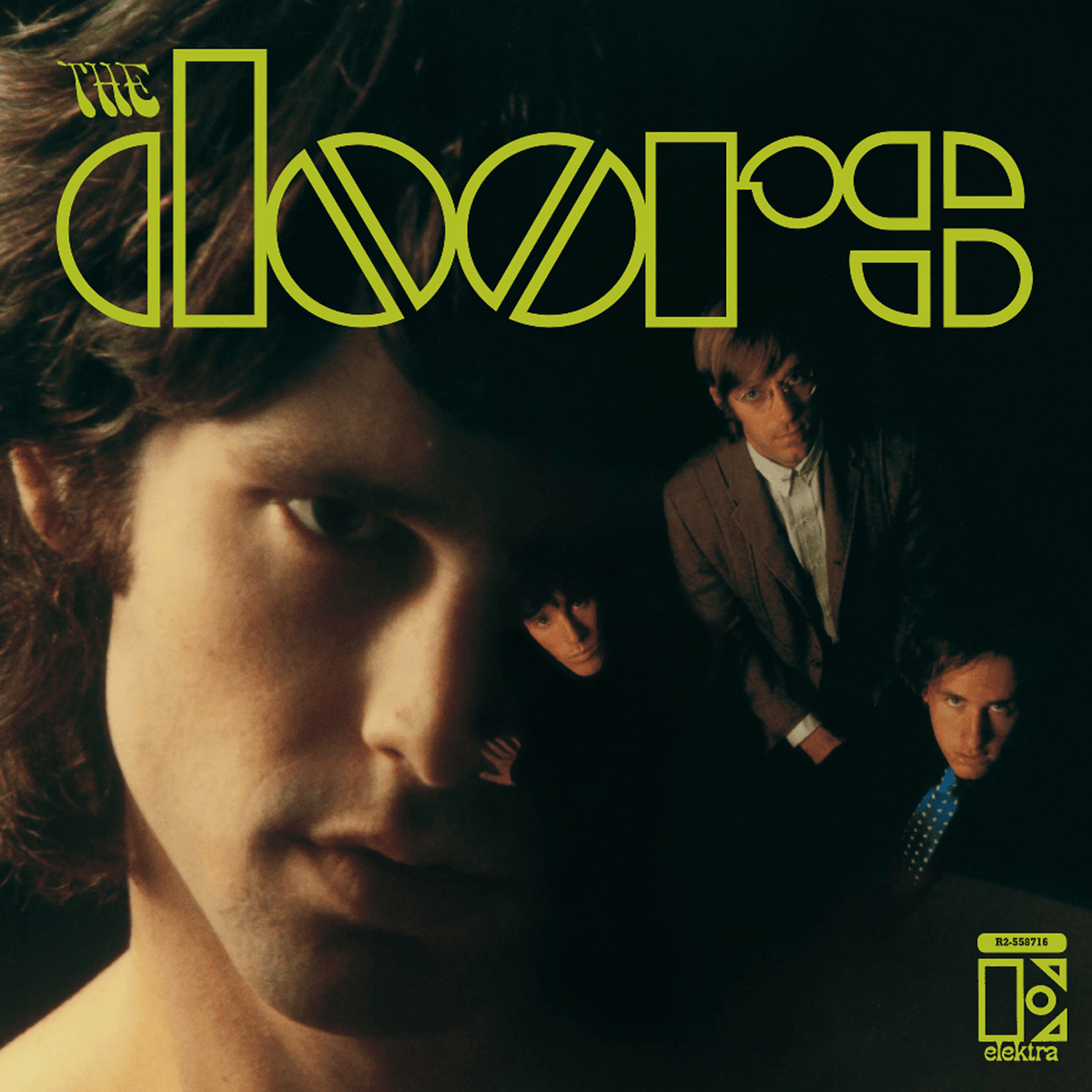
When Jim Morrison was asked about this song, he explained, “It could be almost anything you want it to be”. While it may be that the song is open to interpretation, the majority of listeners associate ‘the end’ with death, and the harrowing nature of the instrumental seems to back up such an assessment.
Given it’s 11 minutes long, during the second half of the song, Morrison decides to recite poetry, which culminates in cries to kill his father. The song became even darker when it was included at the beginning of Apocalypse Now, as it enforced the strange nature of the track and really emphasised it as being something twisted and terrifying.
Black Sabbath – ‘Black Sabbath’
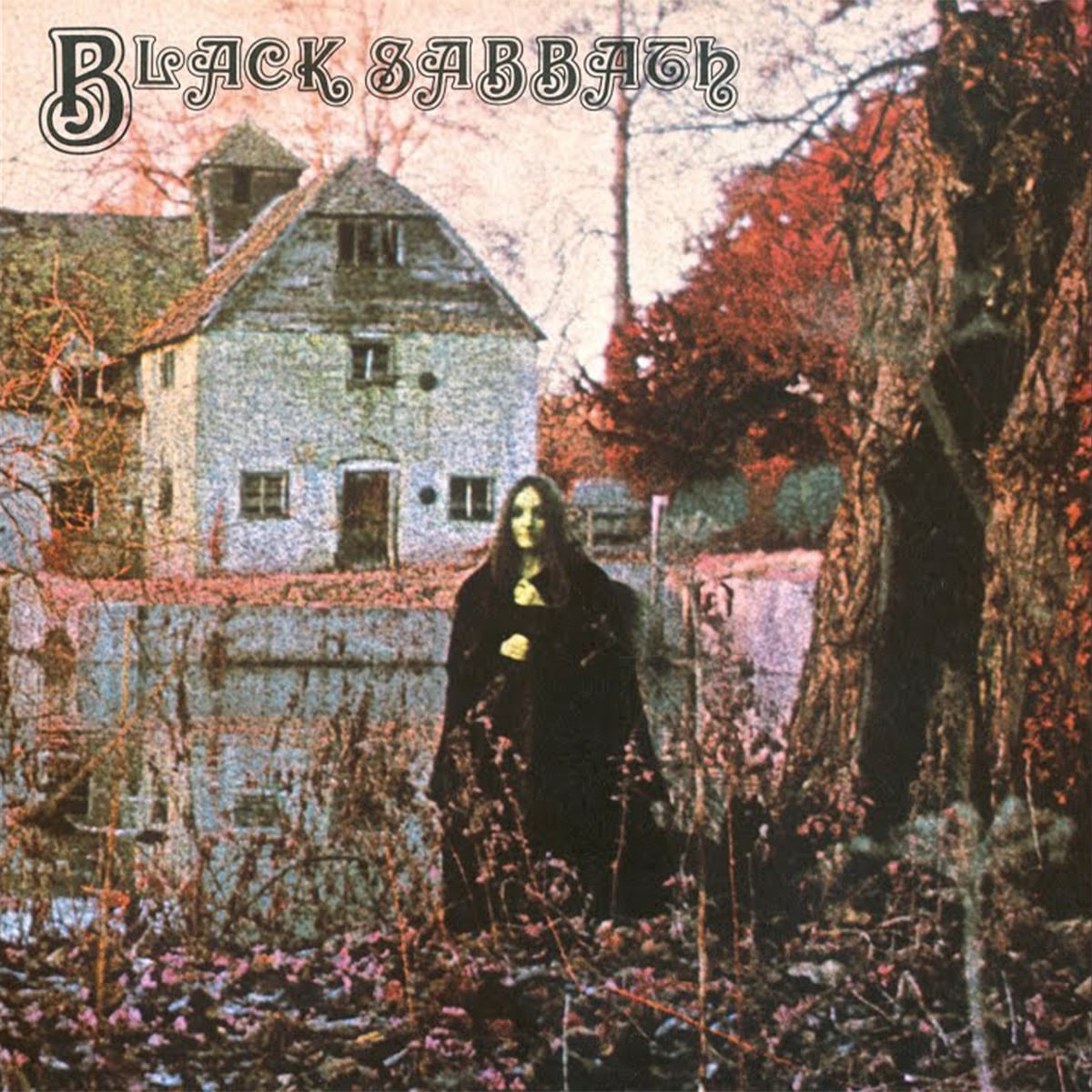
There are very few songs that have had the same impact as a track like ‘Black Sabbath’ did. You know that the band knew they were onto something, as this title reverberated as a group name, album title and lead single. What they had tapped into was a blend of rock and horror, something which was both haunting and that made people want to bang their heads. Lovers of distortion and innovative music everywhere found themselves obsessed with the track and curious about what might come next.
“Sabbath was the band that put heavy in my head,” said James Hetfield of Metallica, one of many bands that were influenced by this new sound, adding, “That first Sabbath album I would sneak out of my brother’s record collection and play on the forbidden record player. I wasn’t supposed to touch any of that stuff, but I did, and the first Sabbath album got in my head. That initial song, ‘Black Sabbath’, was the one when you’d put your headphones on and sit in the dark and get scared to death. Then the Devil’s riff comes in, and it got you!”
The Cure – ‘Lullaby’
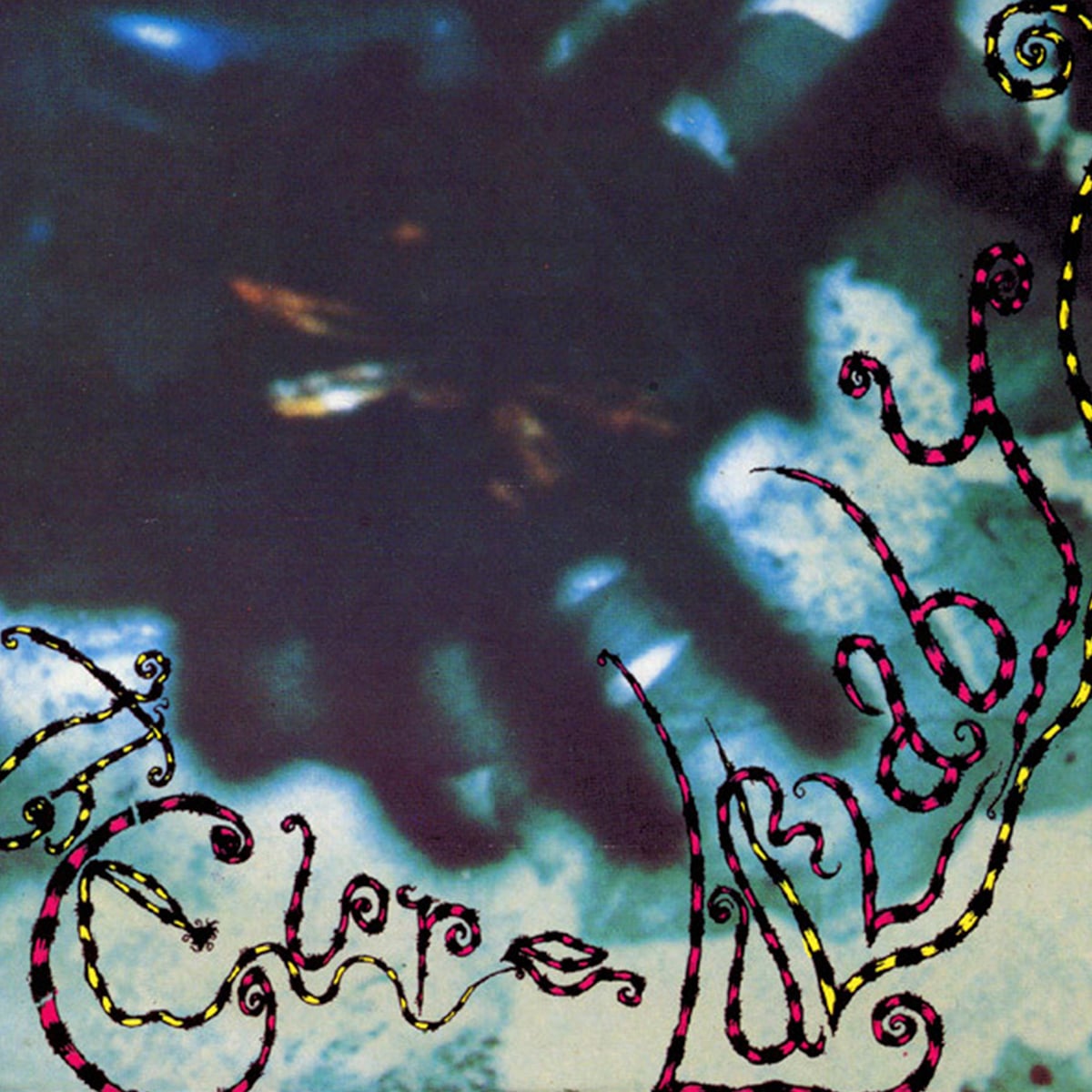
A lot of people think that goth music and the culture as a whole is pretty inaccessible, as they hold the opinion that you’re either a part of it or you’re not. While there might be some truth to this, The Cure are no doubt one of the best bands for any newbies to the genre, as while they have that standard captivating sound, what are essentially love songs remain some of the most easy to get into goth tunes out there.
Of course, there are exceptions to this rule, and ‘Lullaby’ is certainly one of them. Dreamy lyrics are cast aside for the stuff of nightmares, as Robert Smith sings about being in bed and having a giant spider crawl into the room and start eating him. As Smith reels off the horrifying events, the repeated words “don’t struggle” make what was already a disturbing image something so much worse.
Nirvana – ‘Scentless Apprentice’
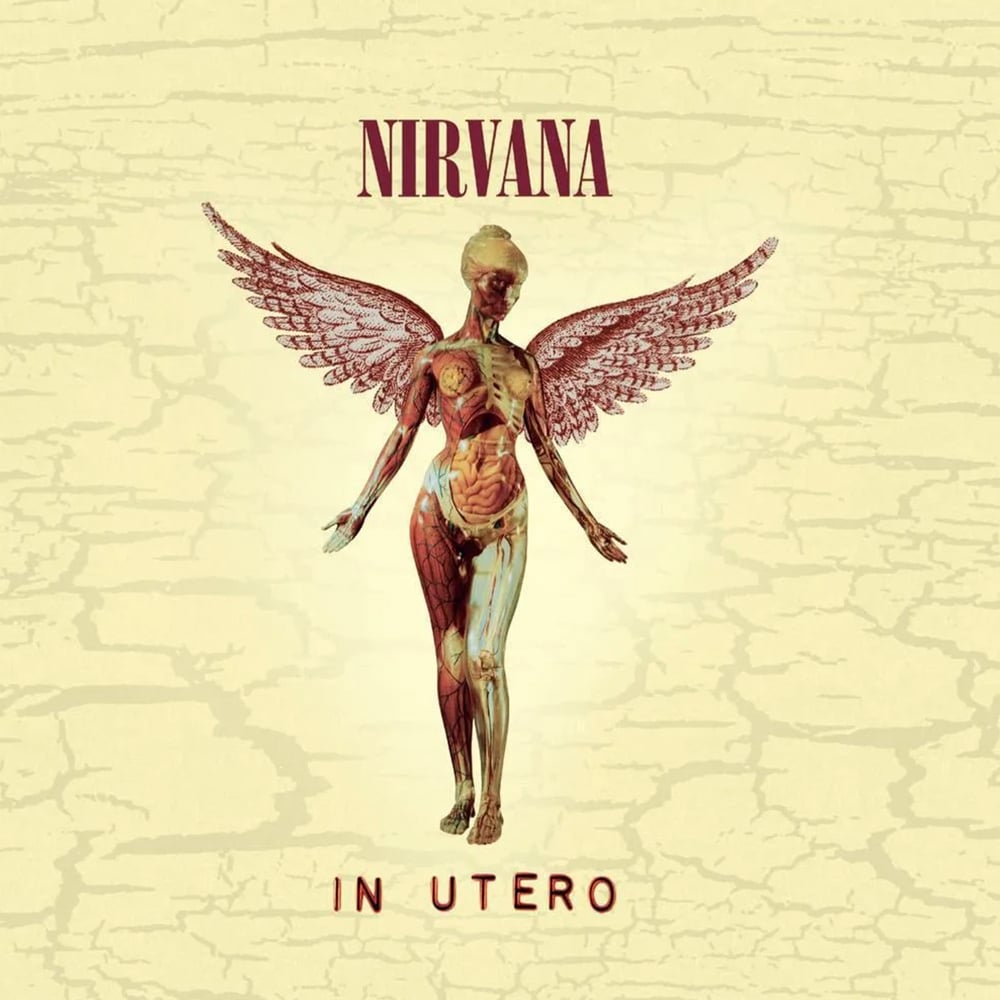
A lot of lyricists are inspired by other writers, and Kurt Cobain was no exception. There’s nothing wrong with enjoying the work of an author and writing lyrics as a result for as much, but did Cobain need to get inspired by such a disturbing novel? ‘Scentless Apprentice’ takes from Patrick Süskind’s Perfume, which focuses on murder and having a heightened sense of smell.
While the book itself is troubling, the way that Cobain ties that theme into his own internal struggles really makes for a haunting number. “One of my favorite lines in a Nirvana song – which is f–king dark and which I didn’t realize the weight of until I sat in my house in Seattle playing the first mixes of In Utero is the line on ‘Scentless Apprentice’ where Kurt sings, ‘You can’t fire me because I quit’,” recalled Grohl, “If there’s one line in any song that gives me the chills it’s that one. Maybe all those things that people wrote about him painted him into a corner that he couldn’t get out of.”
The Velvet Underground – ‘Heroin’
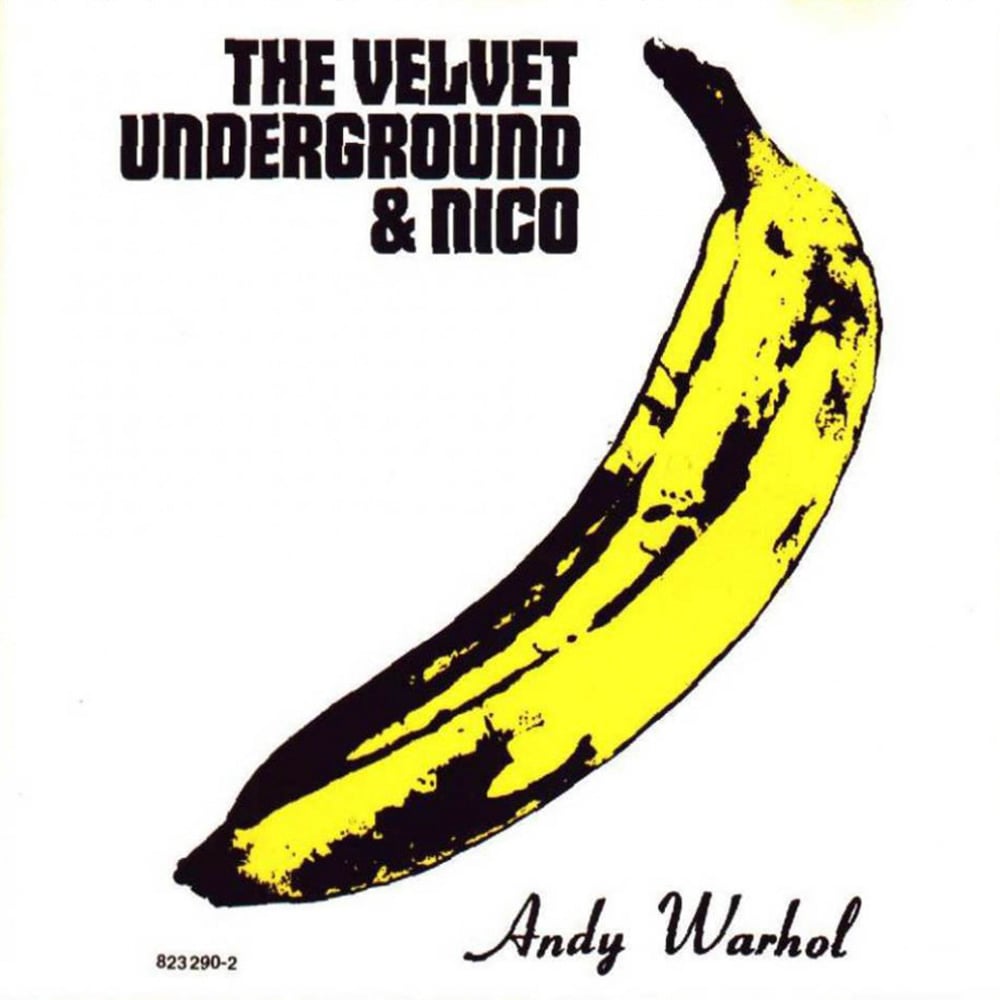
Sometimes it’s not the intention behind a song that makes it troubling, but rather, it’s the impact. When Lou Reed wrote ‘Heroin’, he was trying to speak his reality into music, but the song wound up creating a backdrop against which people would take drugs; it’s certainly a troubling image and not one that Reed was very happy about.
“Because, like, people would come up and say, ‘I shot up to ‘Heroin’, things like that,” he said, “For a while, I was even thinking that some of my songs might have contributed formatively to the consciousness of all these addictions and things going down with the kids today. But I don’t think that anymore; it’s really too awful a thing to consider.”
Suicide – ‘Frankie Teardrop’
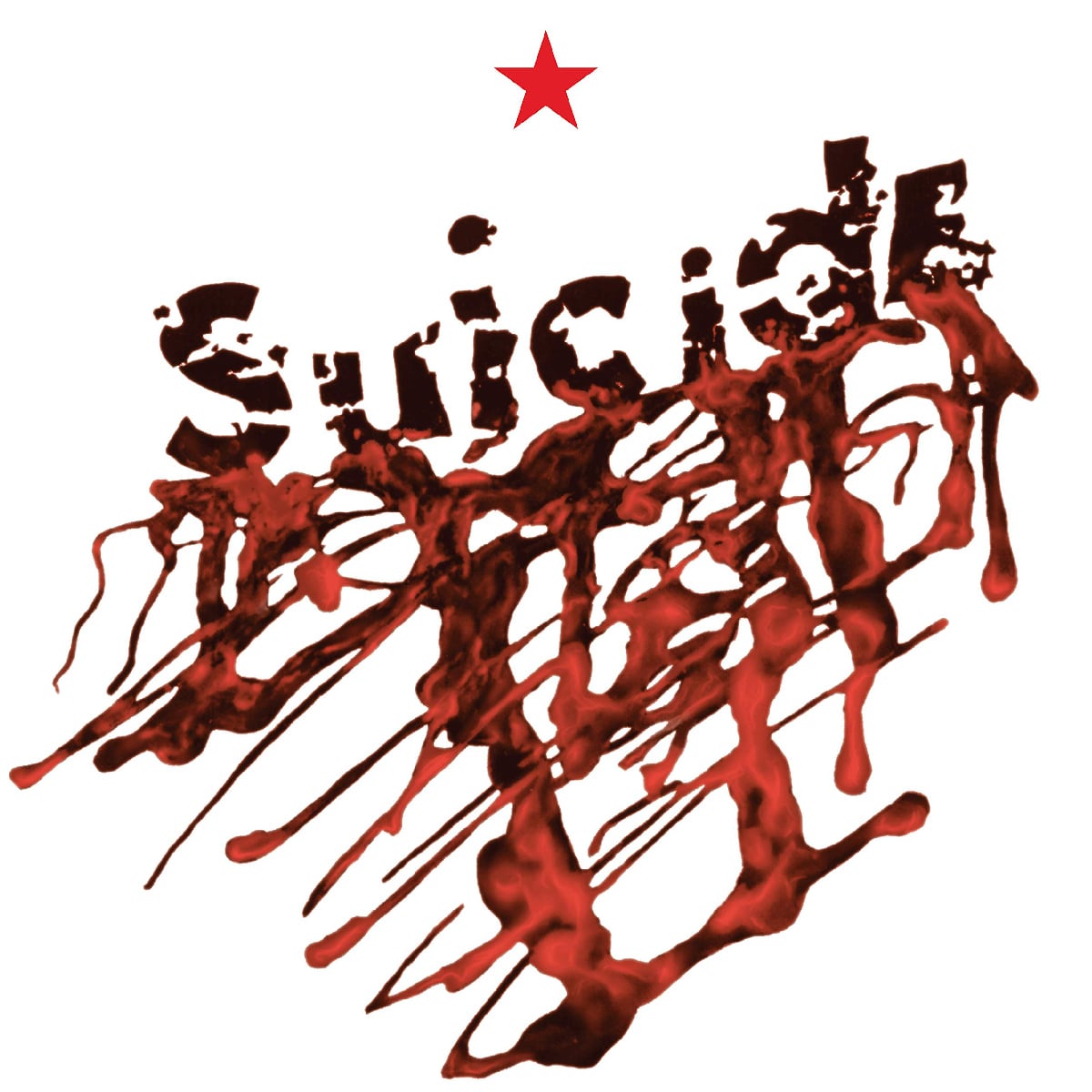
This is a ten-minute synth punk track which is truly quite haunting. The song was inspired by a story in the newspaper that Alan Vega read when he was putting a track together about a factory worker who had lost his job and so killed his wife, his child and then himself, which he used as the backbone for his track.
Bruce Springsteen was a big fan of the song and used it as inspiration for his Nebraska album, which also told stories of some of society’s most troubled over music. “Oh, my God!” he said, “That’s one of the most amazing records I think I ever heard. I love that record”.
Tom Waits – ‘The Ocean Doesn’t Want Me’
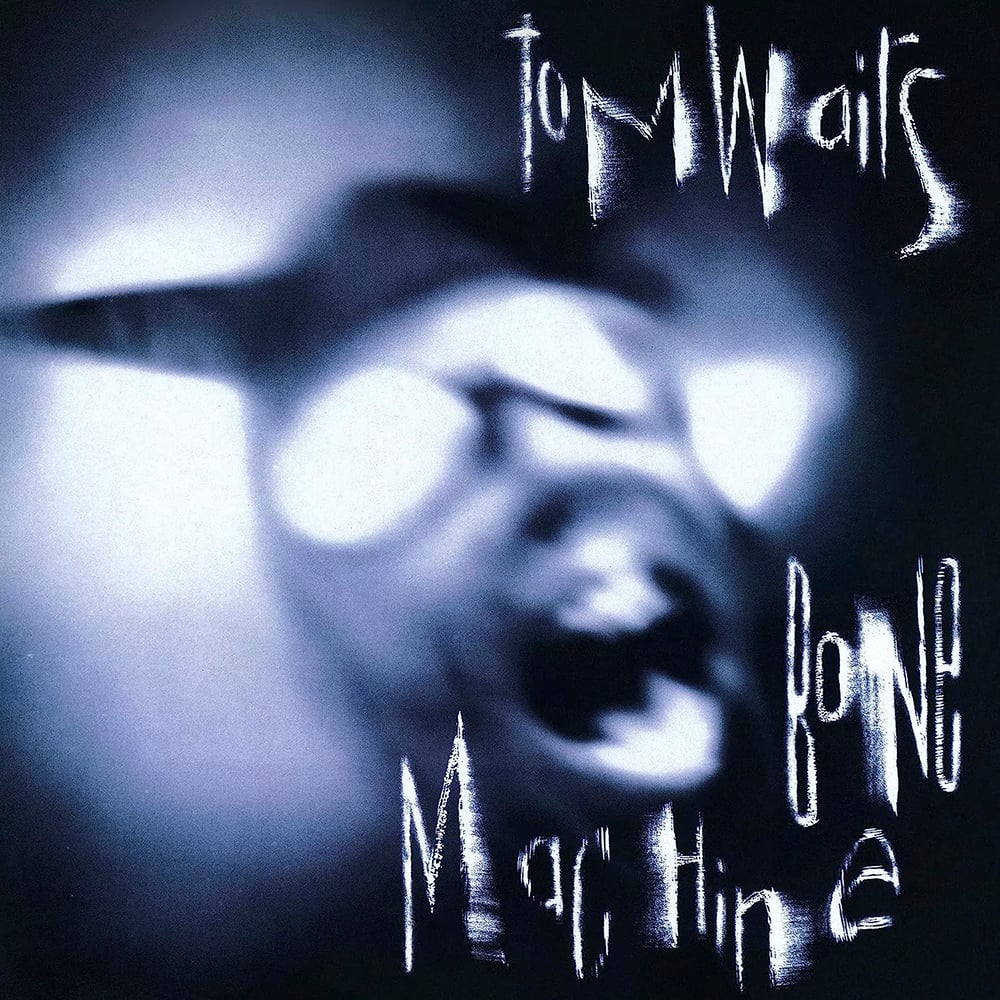
Tom Waits is a musician who often leans into songs that are more glum than troubling; however, some of his experimental numbers cross that fine line and become less of a sad song and more a track that makes you genuinely quite concerned. One of the best examples of this is the track ‘The Ocean Doesn’t Want Me’, which is a pretty tricky one to forget once you’ve heard it.
Bordering on a soundscape rather than music, Waits puts poetry over an ambient number and creates something truly strange. With a low rumbling voice, he talks about wanting to walk into the ocean and never come back up, for a truly tricky number to listen to at times, with an incredibly harrowing backdrop accompanying every second.
Slayer – ‘Hell Awaits’
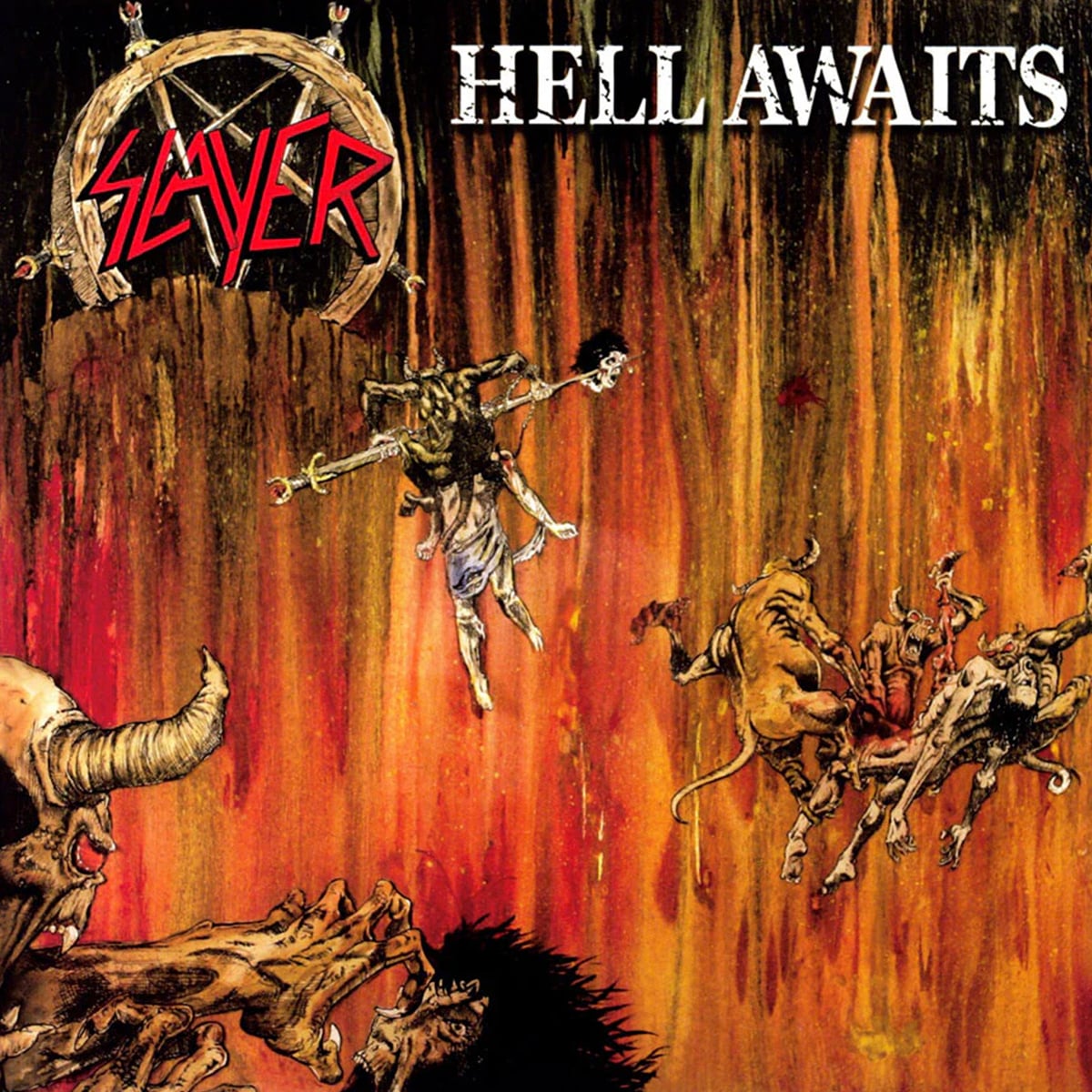
For a lot of people, you could put every song Slayer ever wrote on this list, as their aggressive sound, grunting vocals and common depictions of hell are the kind of thing people stand outside with placards protesting. However, if one song were ever to make a list like this, it would be their offering of ‘Hell Awaits’.
Yes, the focus on hell and all things satanic helps make this song well and truly terrifying, but one thing that transforms it into one that borders on troubling is the potentially hidden messages throughout. Some eagle-eared listeners realised that if you were to play the song backwards, you could hear a voice repeatedly saying “join us”. This will no doubt be a bit of technical trickery, but it doesn’t make the song any less disturbing.
The Beatles – ‘Revolution #9’
We’ve all had the experience of listening to the beauty of The Beatles’ White Album and then being thrown off as soon as ‘Revolution #9’ kicks in. It’s a baffling number, one which takes the standard melody of Beatles tracks that people were so furiously obsessed with and replaces it with something experimental and deeply confusing. John Lennon said it was his interpretation of what music would sound like in the future, but regardless of its meaning, there’s no escaping that it’s a pretty troubling number.
“All the thing was made with loops, I had about thirty loops going, fed them onto one basic track. I was getting classical tapes, going upstairs and chopping them up, making it backwards and things like that, to get the sound effects,” said Lennon, “One thing was an engineer’s testing tape, and it would come on with a voice saying ‘This is EMI Test Series #9’. I just cut up whatever he said, and I’d number nine it.”
The Police – ‘Every Breath You Take’
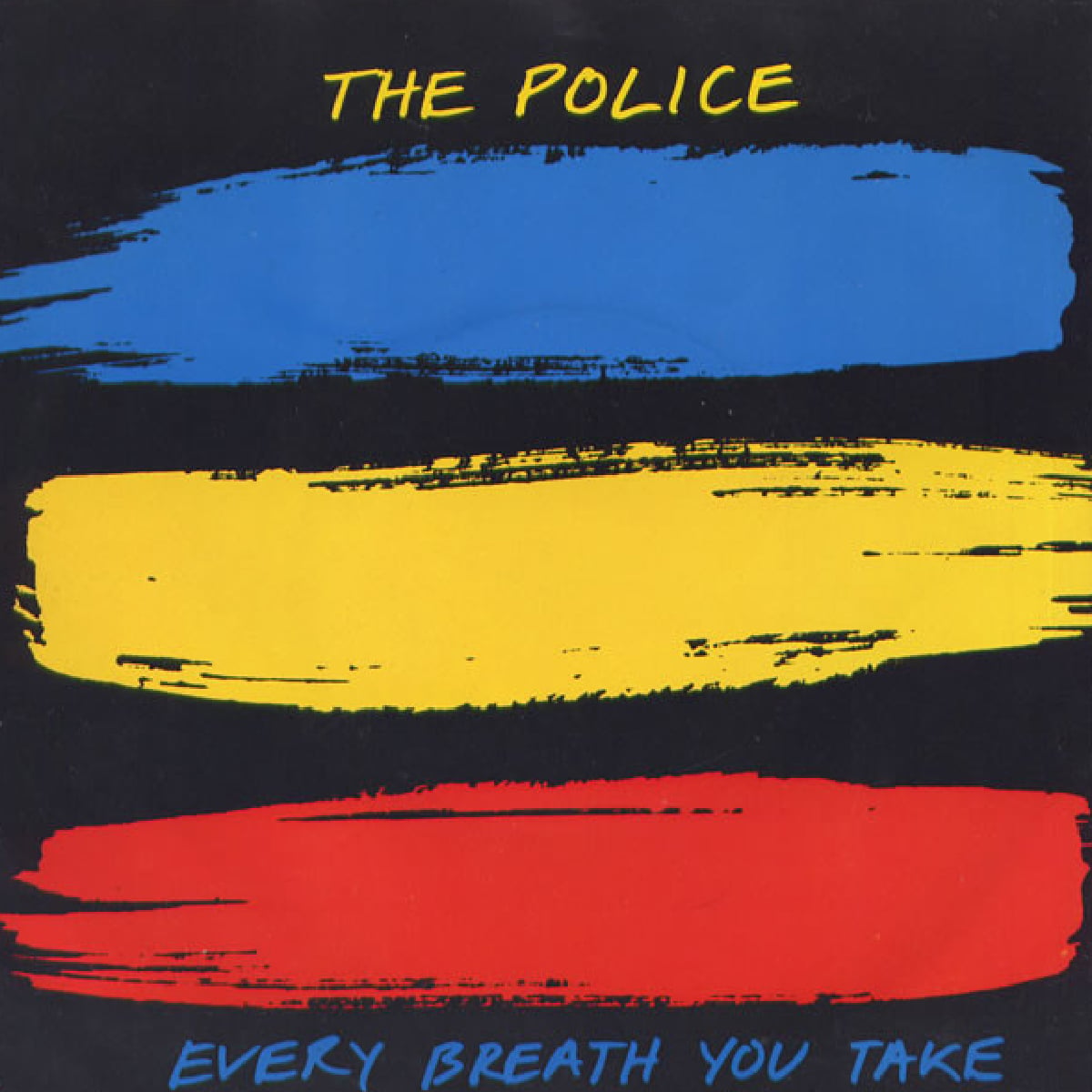
Songs are often misinterpreted, and perhaps one of the biggest instances of this happening takes place on The Police’s track ‘Every Breath You Take’, where the number of romantic montages that have used this song as a backdrop are completely missing the point. The song wasn’t supposed to be a romantic number, despite that sweet-sounding guitar line, and instead, is a twisted track about a stalker who is overtly obsessed with the track’s muse.
“I think it’s a nasty little song, really rather evil. It’s about jealousy and surveillance and ownership,” said Sting when discussing it, “I think the ambiguity is intrinsic in the song, however you treat it, because the words are so sadistic.”

Never Miss A Beat
The Far Out Beatles Newsletter
All the latest stories about The Beatles from the independent voice of culture.
Straight to your inbox.