


10 classic rock albums that no one wanted to make

Most artists want to make something they’ve never heard before when they enter the studio. Although it might seem difficult having to start from scratch every time they walk into the studio, there are always those handful of records that shine brightly above the others as landmark achievements in music history. Whereas most artists see records as an opportunity to stretch their muscles, artists like Fleetwood Mac had nothing but bad memories when cutting their masterpieces.
For all of the great ideas that the records may have going into the project, none of the band members were particularly enthused about working on them. After becoming one of the biggest groups in the world, these were the moments when everything started to hit a brick wall for them, either falling out in terms of business or not having the same spark when they walked into the studio.
Then again, it also has to do with what was going on outside the studio. Even though the band may have been a massive creative front when they played their music, various business dealings, as well as personal vendettas against each other, led to many of the records coming out lopsided, with one member refusing to compromise their vision or insisting that things stay exactly how they were supposed to.
While the band may have washed their hands of the records in insight, there are still a handful of bright spots across many of them, if only for the massive miracle it took to finish them. While many artists may find their calling trying to make the kind of music that no one had ever heard, this is the sound of musicians tired and willing to do anything but make music.
10 albums no one wanted to make:
10. One By One – Foo Fighters
At first glance, being a member of Foo Fighters seems like the single greatest gig in the world. As much as the band may have their ups and downs, they have congregated into the ideal rock and roll family throughout their time together. No one gets there without a few bumps in the road, though, and Dave Grohl remembered the nightmare of getting One By One off the ground.
Despite being confined to a trio for There is Nothing Left to Lose, the friction between Grohl and drummer Taylor Hawkins reached a high point during these sessions, with Hawkins thinking that Grohl wasn’t devoting enough time to the band. The entire project almost stopped midway through during a trip to a stadium gig, resulting in the band potentially disbanding when their scheduled dates were finished.
Once the band finally got back together, they realised they had spent almost $1 million dollars on an album that they didn’t even like, eventually re-recording everything from scratch and getting a few hits out of the deal like ‘All My Life’. Although Grohl was proud that they could soldier on afterwards, he said he never wanted to revisit half of this record again.
9. Echo – Tom Petty
During the mid-1990s, Tom Petty quickly became rock and roll’s lovable uncle. Even though he may have still been hanging around with classic rock titans like Jeff Lynne, his album Wildflowers would end up crossing generation lines, becoming revered amongst the alternative crowd and the traditional rock fans. While Petty may have been free to do whatever he wanted, a huge dilemma awaited him when he returned home after a long time.
Going through a lengthy divorce from his wife, Petty poured most of his sorrow into the making of Echo, including many songs that featured him despondent and on the verge of collapse. Looking back on the time working on this album, Petty said that he could hardly remember working on most of the songs, thinking he wasn’t paying attention to whether it even sold.
Although the band tried to keep everything together, another black cloud was looming overhead, with bassist Howie Epstein passing away after the album’s production from a heroin overdose. While most of Petty’s best work talks about escaping from the horrors of everyday life, Echo is the sound of a band truly lost, trying desperately to find their way back home.
8. Red Hot Chili Peppers – Red Hot Chili Peppers
Any up-and-coming rock band will want to put everything they can into their debut record. Since this is everyone’s grand introduction to what you have to offer, it’s always important to ensure everyone is working at the top of their game regardless of whatever’s happening in their personal lives. Although Red Hot Chili Peppers were ready to kick ass when working on their debut, one giant of the world of post-punk hung like an albatross around their neck.
When shopping around for producers, the band landed the opportunity of a lifetime when Andy Gill of Gang of Four wanted to produce their initial demos. Although the band liked the idea of one of the titans of dance-punk operating behind the board, Gill didn’t like the group one bit, wanting to rearrange most of their songs and going so far as to call one of their favourite songs terrible.
What listeners got is a mishmash of what both sides wanted, including songs that feel decidedly neutered by Gill’s production and too hectic to be considered properly finished half the time. The band may have found their footing later in their career, but something went awry when the demos for the album ended up sounding better than the final product.
7. Balance – Van Halen
The idea of Sammy Hagar replacing David Lee Roth in Van Halen feels like some strange miracle. Although Roth may have been one of the founding members of the band and one of the greatest in his field, Hagar soldiered with the band to create one of the best albums of their career with 5150. While everything seemed like it would work out perfectly, Hagar stuck around for about as long as Roth did by the time they got to Balance.
Marred by creative disagreements, this was when Eddie Van Halen and Hagar’s creative clashes reached a boiling point, with neither wanting to compromise what they wanted. Although the songs resulted in decent tracks like ‘Don’t Tell Me What Love Can Do’, a handful never sat well with Eddie, being appalled at the lyrics for ‘Amsterdam’ after hearing that they were all about cannabis.
Even though Eddie would try to get sober when working on the album, things ended up going so poorly that he immediately started drinking again once he got out on the road to promote the album. Soon after the tour and subsequent greatest hits album, Hagar would be out the door, leaving Van Halen to enter one of the darkest periods of their career for the album Van Halen III.
6. Gone Troppo – George Harrison
As George Harrison entered the 1980s, music became almost a hobby next to his other endeavours. Compared to his former life as a Beatle, Harrison wanted to spend more time working on his film company and taking exotic vacations than in the studio. When his label demanded one more album for him to crank out, Gone Troppo resulted from ‘The Quiet Beatle’ begrudgingly going back into the studio.
Although there aren’t many great songs throughout the record, the real fault behind this album is how little Harrison wants to be there. Throughout songs like the title track, he seems to be more concerned with creating the kind of lacklustre 1980s schlock that had been the norm for the past few years, leading to him sounding like someone created a digital preset for him on a synthesiser.
While the album would be sent kicking and screaming out the door, Harrison would eventually find his muse again, working with producer Jeff Lynne to help him Frankenstein the sounds of his comeback album, Cloud Nine. Any new George Harrison is rarely a bad thing, but something went wrong when even he doesn’t sound like he’s having a good time on his album.
5. St Anger – Metallica
At the start of the 2000s, Metallica felt more like an institution than a proper band. Although they may have had plenty of detractors in their time, thanks to the Load era of their sound, their classic material quickly became untouchable among any other metalheads in their field. While the band were determined to continue expanding their sound into the next decade, things fell apart midway through the making of St Anger.
After bassist Jason Newsted quit after being treated poorly by his fellow bandmates, the band’s decision to have a therapist come in to oversee their sessions led to James Hetfield walking out of the session, leaving for a year to confront his alcohol problem. Even when he came back, Hetfield would have to be talked into continuing, unsure if he wanted to play with the band anymore.
Although they would eventually pick themselves back up, St Anger was the sad document from those sessions, featuring some of the most uninspired music the band had ever made and Hetfield sounding like he was phoning it in every single time he sang. While St Anger may have played a role in keeping the band alive, it did leave more than a few audible scars on those who made it.
4. The Wall – Pink Floyd
Every single album Pink Floyd released in the 1970s was aimed towards something bigger. Even though the band had made a crowning achievement with Dark Side of the Moon, Roger Waters had a vision for the next phase of the band that was not going to be stopped by anyone else. For as much as Animals may have been a brilliant concept album about those in power, The Wall shifted attention to one specific dictator: Waters himself.
Throughout the recording of the album, Waters was unwilling to relinquish control to anyone, using the rest of the band as hired hands trying to get the sound he wanted. While he would ultimately listen to what David Gilmour had to say for songs like ‘Comfortably Numb’, the rest of the band didn’t fare much better, with Nick Mason being replaced on the song ‘Mother’ and Richard Wright being fired only to be rehired as a session musician for the rest of the album.
By the time the band tried to realise Waters’s vision on the live stage, it was clear that everyone had had enough, leading to Waters departing for a solo career and Gilmour fighting over the use of the Pink Floyd name for the rest of the 1980s. Although the band did create the closest thing to Waters’s vision as they could, it wasn’t worth compromising their abilities as musicians.
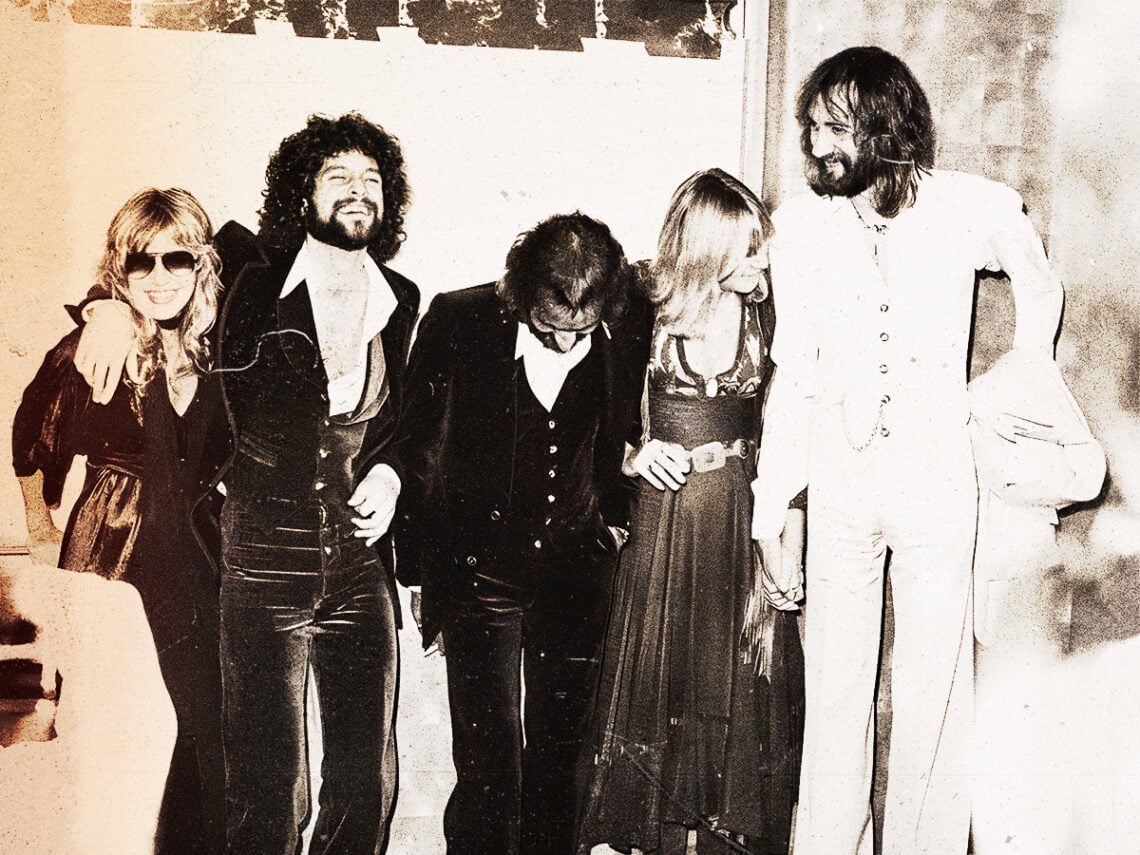
3. Tusk – Fleetwood Mac
How is one able to recreate the magic of an album like Rumours? Although Fleetwood Mac may have been at each other’s throats when making their masterpiece, no one knew how they would equal their predecessor’s success, especially not wanting to go back to their emotional hangups yet again. With limitless options, the band turned in a double album that turned into an albatross around their neck.
After returning from the tour, every songwriter was on a different creative page when creating Tusk, with everyone going into their separate corners. While Stevie Nicks was still making recognisable ballads like ‘Sara’, many of Lindsey Buckingham’s songs involved him trying his hand at making nervy new wave music in the vein of contemporary bands, leading to two separate albums that sound like they’re being forced to stand in the same room.
Combined with Christine McVie’s earnest approach to songwriting, much of Tusk feels like the band’s equivalent to The Beatles’ White Album, with each song ping-ponging off each other without any sense of cohesion. Considering how many sonic avenues they tried to make on one album, it’s no surprise everyone began taking a break while Nicks departed for a solo career in the early 1980s.
2. The Long Run – Eagles
No artist is safe from burnout now and again. Even though it might seem like the easiest thing in the world to make amazing songs at one moment, there are always those few days when you wake up, and the signature magic just isn’t there anymore. When you still have an album to promote, the Eagles didn’t have a choice when going into the studio to create The Long Run.
With raw wounds left over from the sessions from Hotel California, no one showed up to the studio with anything completed, leading to long hours where nothing got done. Although the band did get some fresh blood in Timothy B Schmidt for the hit single, ‘I Can’t Tell You Why’, most of the album involved everyone struggling to get anything recorded, with simplistic songs becoming like pulling teeth.
As the band struggled to get the old magic back on the road, the entire enterprise came crashing down after a gig in Long Beach, where Glenn Frey and Don Felder got into a heated argument and ended the band for good. Whereas most bands tend to fall apart due to creative disagreements or business dealings, this is one of the few times where exhaustion got the better of everyone once they went on the road.
1. Let It Be – The Beatles
The aura that The Beatles brought across tended to feel like spending 24 hours having fun. Although the band had grown from their mop-top roots by the time of albums like Sgt Peppers, every album still felt like an event, including the randomness that permeated their self-titled White Album. While the band weren’t on the same page when they got back together for Let It Be, being alone led to everything going up in shambles.
As the band began recording in Twickenham film studios, the lack of atmosphere in the room and their creative disagreements led to George Harrison quitting the band halfway through. While he was eventually coaxed into coming back, the rest of the album didn’t fare much better, as the band made their way back to Abbey Road Studios and had trouble finding the right sound on most of the songs.
Rather than put out something subpar, the Fab Four elected to restructure it from the ground up, putting together Abbey Road as a final salvo for fans, only for the album to get released anyway to fulfil their contract. While the album would sell massive numbers and become a favourite among fans, every member of The Beatles have had problems with some aspects, from shoddy production to lack of decent material.
