


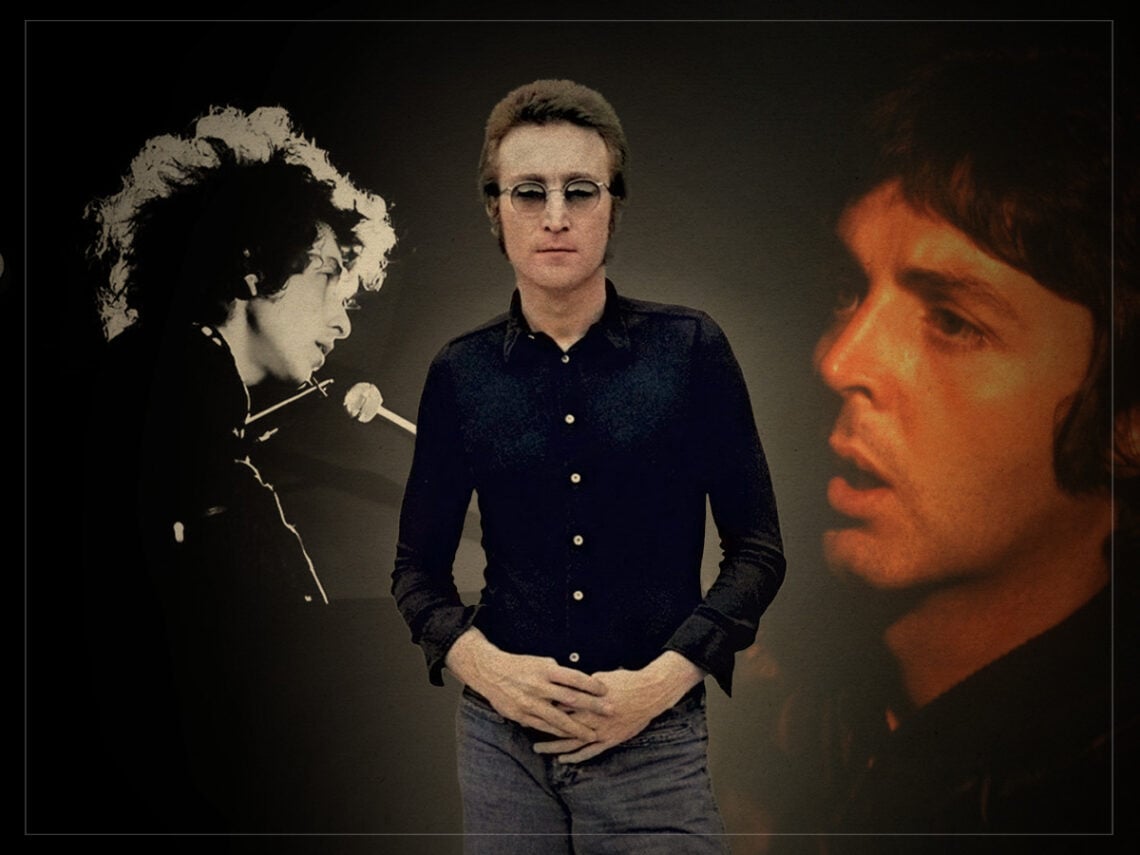
10 classic rock albums that never lived up to the hype

Most albums that have been given the ‘classic rock’ status have earned it for a damn good reason. Despite the passage of time, the songs within the slabs of vinyl hold up as timeless pieces of art, often being dissected by some of the greatest critics in the world as to what they mean.
That reputation, however, can sometimes create the illusion that every album released by a legendary artist deserves the same level of reverence. In reality, even the most celebrated musicians have produced records that failed to live up to their own towering standards.
Then again, there are always those few albums by legends like Van Halen and The Doors that have also not taken to the passage of time.
While each classic rock artist has made some albums that have withstood the test of time, some of their forays don’t cut it by today’s standards. Granted, that might not be the artist’s fault, either, with the production values sounding horrendous or a major screwup happening midway through recording the album.
Any good album can get by with some mediocre production, right? In theory, yes…but not here. Regardless of how the record sounds, some artists needed to go through some sort of quality inspection before pressing their songs to vinyl, making for some of the most questionable songs of their career and more than a few that should never be listened to again.
Although a selection of these albums lived on as brilliant pieces of music in the minds of some, there’s likely a good majority that is enjoying the album just to marvel at how much of a trainwreck it can seem from start to finish. No artist can claim to be perfect, but listening to some of the early records makes fans wonder whether their favourite classic rock bands had lost their better judgment.
These records may never sit alongside the defining achievements of classic rock history, but they remain important parts of the story. They remind us that artistic greatness is rarely a straight line and that every legendary career contains moments of failure, experimentation, and occasional disaster. In many ways, those missteps make the masterpieces that followed all the more impressive.
10 overrated classic rock albums:
‘Milk and Honey’ – John Lennon

It was a sudden shock when John Lennon was taken from this world on that cold day in December 1980. Despite being absent from the rock world for years, Lennon was just starting to reenter the fold with some of the strongest songs he had released in his solo career, finally happy to be at peace with the world. Although there was already a follow-up in mind, Milk and Honey can’t help but feel like fragments of what could have been.
Though some fans hail Lennon’s posthumous swan song as one of the better projects he has made, his songs are more than a little bit rough around the edges. From the strange sounds of ‘I Don’t Wanna Face It’ to the ramshackle groove of ‘I’m Steppin Out’, Lennon’s contributions tend to be nothing more than table scraps, assembled (albeit beautifully) by his widow, Yoko Ono.
And while some fans consider it sacrilege, Yoko is on par with her husband throughout the track listing, boasting some of her strongest songs alongside the demo recordings that her husband left for the world to hear. There’s no telling what Lennon would have thought of his songs being released in this state, but it’s clear that fans are listening to a remnant of what could have been a phenomenal record.
‘The Soft Parade’ – The Doors

95% per cent of Jim Morrison’s appeal came down to his sultry swagger. Although he might not have known how to play a single chord on any instrument, his way with melody and playing off the crowd during every Doors performance lit a fire in the belly of millions of stoned hippies. That energy usually got translated onto the tape, but The Soft Parade was the first time that formula had diminishing returns.
While most of the band holds things together regarding their blues credentials, some of their attempts to incorporate other elements like jazz and swing into their repertoire is a bit uneasy. Despite the lavish sounds of the breakout single ‘Touch Me’, the rest of the album tends to falter, with the epic finale on the title track not holding up nearly as well as ‘The End’ or even ‘When The Music’s Over’.
When the band aren’t trying to make a few songs fit into a succinct package, there are also strange tunes that don’t make sense at all, like letting Robbie Krieger showcase his bluegrass chops and coming off like a parody of Bob Dylan on the song ‘Runnin Blue’. Every band should be applauded for taking chances, but just because The Doors decided to work outside their comfort zone doesn’t mean the results are automatically good.
‘A Saucerful of Secrets’ – Pink Floyd

The late ‘60s were not exactly the best time to be in Pink Floyd. Although their first foray into space rock with Syd Barrett brought bold new inventions, Barrett’s declining mental state started to show in their live shows, leading to the band bringing in David Gilmour on second guitar. The live shows may have already gotten off to a shaky start, but A Saucerful of Secrets is the exact definition of a mixed bag.
On one hand, Roger Waters has started to refine his talents as a songwriter, with ‘Set the Controls for the Heart of the Sun’ being one of their best tunes from the era. When delving into the Syd-fronted songs, things just start getting weird, like ‘Corporal Clegg’ banging out some of its greatest musical passages on kazoos and sprawling out into weird jam sessions that feel like the band decided to throw on their instruments and see what happened.
The album’s legacy doesn’t exactly hold up, either, with Barrett being forced out of the band shortly after making the record and disappearing from the public eye before turning up in the studio for the album Wish You Were Here. In some respects, everyone’s contributions make this the ultimate Pink Floyd album, but that comes with a huge asterisk next to it.
‘OU812’ – Van Halen

There are still Van Halen fans who argue whether bringing Sammy Hagar into the band was a good idea. Although Hagar certainly had the chops to be in the band, the era of the group with David Lee Roth brought them their iconic material, and anything after that would always be compared to it. While 5150 solidified Van Halen as a powerhouse force again, OU812 suffers from one of the biggest problems of their later career: bloated runtimes.
Despite the good ideas throughout the tracklisting, half of the album seems to be buried under walls of production and meaningless long runtimes. While a song like ‘When It’s Love’ earns every bit of its epic scope, songs like ‘Cabo Wabo’ and ‘Finish What Ya Started’ go on a bit too long without saying anything beyond the central riff.
While the message was meant to be a play on Roth’s first solo outing, Eat Em and Smile, the lacklustre sounds behind the songs made Roth look far more animated than the musicians he left behind. Van Halen would cut a lot of the fat on their next release, but this is the closest they would ever come to making boring dad rock.
‘Yellow Submarine’ – The Beatles

It’s borderline apocryphal to say anything bad about half of The Beatles’ discography. Despite all of the great stuff that the Fab Four have made, even John Lennon didn’t think that his songs were up to snuff most of the time, even calling some of his most classic material garbage. While some readers probably are looking to burn me at the stake right now, Yellow Submarine is easily the worst project to come out of the golden years of history’s greatest band.
Granted, it’s not hard to see why it was made. Coming from the animated film of the same name, The Beatles were tasked with making a soundtrack for the movie right as they were making some of their most ambitious material. Since they didn’t want to give them anything too good, only four new tracks turn up on the album, with the back side of the LP consisting of orchestral music arranged by George Martin.
While ‘Hey Bulldog’ and ‘It’s All Too Much’ are nice slices of rock and roll bliss, it feels cheap when the album promises a Beatles release and all that’s there is a handful of tracks. Given the cutting-edge animation for the time and the good-natured fun, this might be the only time a Beatles movie has much more payoff than the album accompanying it.
‘Hotter Than Hell’ – KISS

The first three KISS albums were what the band’s trademark empire was built upon. Although they may not have claimed to be the greatest musicians in the world, tearing through songs like ‘Got To Choose’ and the title track off of Hotter Than Hell remained a staple of the band’s setlist for decades based on their sonic power. That’s all well and good…so why does the final master of the album sound like ass?
While Hotter Than Hell wouldn’t be considered a sophomore slump by most, it’s easily one of the worst production jobs the band ever had, sounding like most of the instruments are being played out of some dingy radio across the street. Marking the first time the band recorded in California, the guitars are also brick-layered, having little to no nuance and even sounding out of tune in a few spots.
The only reason the songs merit inclusion on this list is because of what half of them sound like on the album Alive!, having a much more forceful presentation and sounding like being in the middle of the concert experience. While Hotter Than Hell may have been the greatest tracks that KISS could do at the time, it doesn’t bode well for its legacy when half the track list is nullified because it sounds better live.
‘Boston’ – Boston
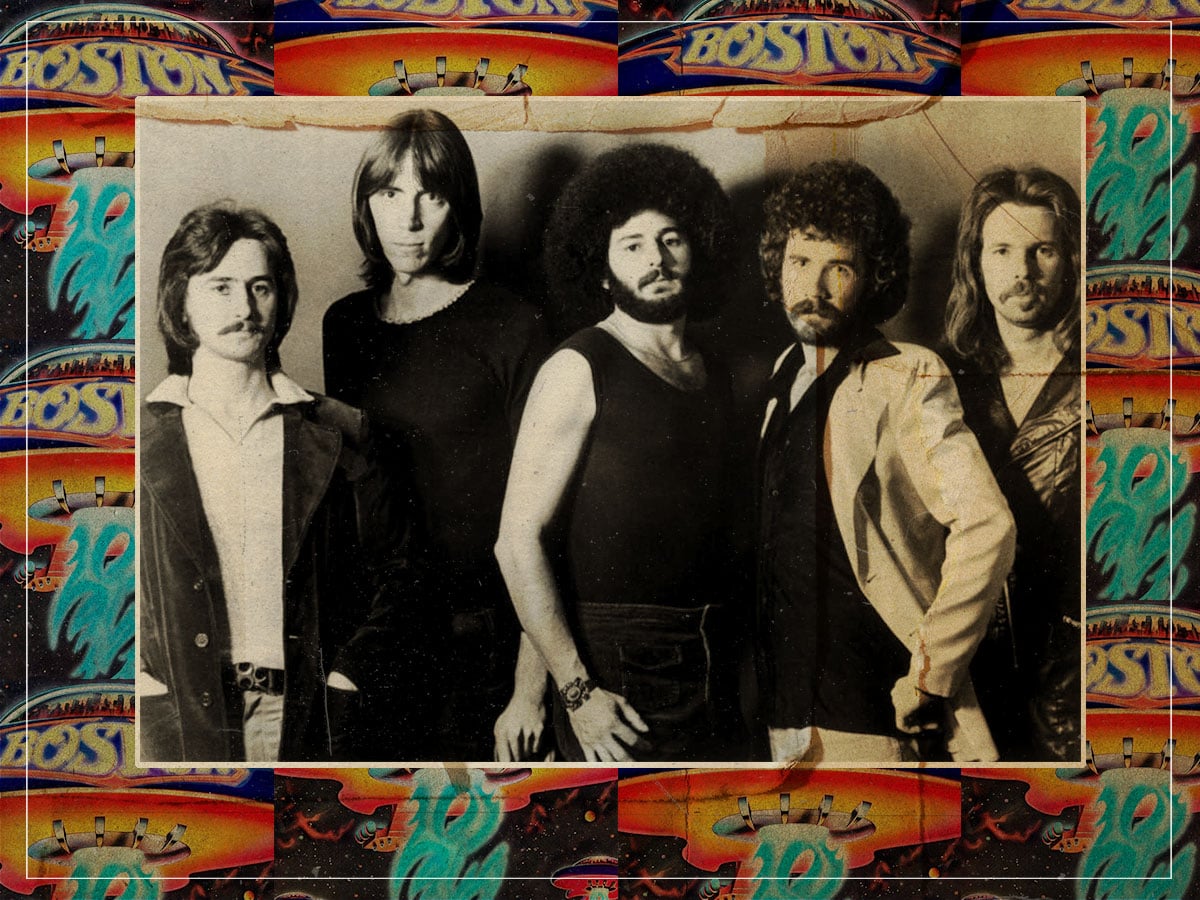
There will be no argument here about the pure sonics that come with Boston’s debut. In a sea of toothless dad rock, Tom Scholz helped create the modern sound of rock to come with this album, taking the guitar’s midrange and turning it into the searing sound of electric euphoria. It’s just a shame that half of the songs had to be paired with some of the most uninspired lyrics of the time.
While there might be some decent single tracks on the album, like ‘More Than a Feeling’ or ‘Foreplay/Long Time’, many of them get kneecapped by the lyrics, which usually boil down to nothing but “rock and roll is cool, man”. For as breathtaking as the album sounds, hearing some of the most base-level lyrics behind them is like drawing a huge smiley face on the Mona Lisa.
The instrumental breaks are still intact, though, with ‘Foreplay’ opening up the album with one of the greatest swirling effects heard in music, alongside a phenomenal bass line and clavinet duet that keeps things punchy throughout. Seeing how many toothless AOR bands were born from this one album, though, it feels like half of the rock scene took the wrong lessons from Boston’s style.
‘Pipes of Peace’ – Paul McCartney
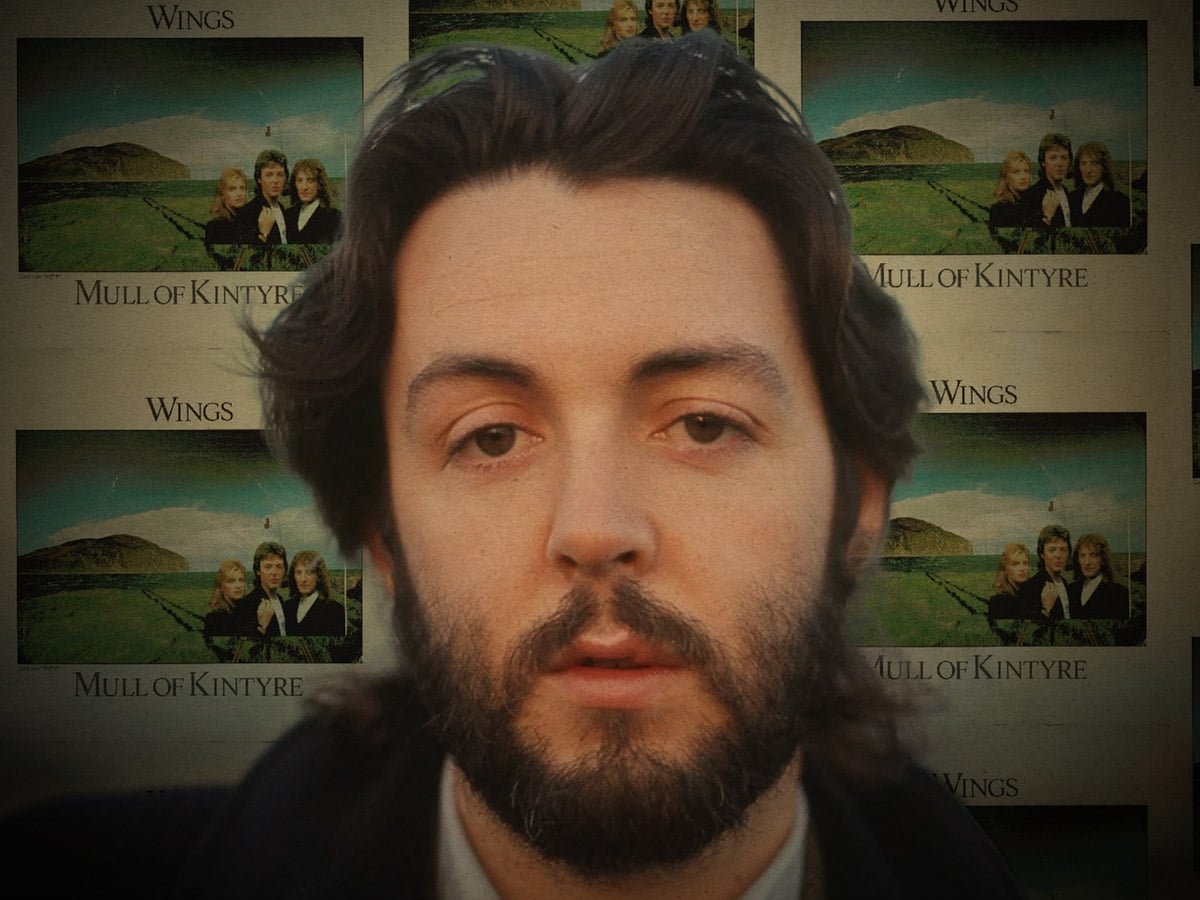
After years in rock and roll, Paul McCartney became a pop star all over again in the ‘80s. His experimental side on McCartney II had given way to brash pop sounds on Tug of War, and despite the diabetes-level sugar high of ‘Ebony and Ivory’, Macca was still heralded as one of the best older pop stars in the world. After trying his hand at something new on his first ‘80s records, Pipes of Peace marks the first time McCartney started to falter slightly.
Granted, the album at least gets off to a good start, boasting the amazing star power of Michael Jackson on the song ‘Say Say Say’. After that, the only highlight is the ballad ‘So Bad’, as most of the album delves into goofy sounds like the theatrical number ‘Average Person’ and the first use of poetic lyrics like “dustbin lid” in ‘The Other Me’.
Although most Paul McCartney albums are far from what most people would call bad, what seals the deal for the album being one of his lesser efforts is ‘Tug of Peace’, a Zulu-tinged version of the title track from his last album. When fans realise how infectious a leftover from a good Macca album can be, they’ll probably see how much better material he has done in the past.
‘Presence’ – Led Zeppelin

Throughout most of the ‘70s, any form of rock music was dominated by Led Zeppelin. From their folksy tendencies throughout Led Zeppelin III to reinventing every side of their sound throughout the rest of their career, Physical Graffiti marked the apex of their influence, now toying with some of the greatest songs of their career. Seeing how much hype had been built up, there was only one way to go after reaching such a euphoric high. Enter Presence.
Compared to the tour-de-force that most Zeppelin fans had been expecting, this is by far the least interesting album of their glory years, consisting of nothing but plain bluesy covers between some half-decent experiments like ‘Royal Orleans’. Since Robert Plant was also in a car accident during the production, it’s hard to make out what he sounds like, especially considering he was relegated to a wheelchair when cutting some of the tunes.
The one shining point comes on the opening track, ‘Achilles Last Stand’, being one of the last true Zeppelin epics over ten minutes and placing the listener in the middle of the daunting battlefield where mythical beings go out to battle for the final time. They may have come through with one final hoorah for their career on In Through the Out Door later, but Presence was the first time it felt like Zeppelin was about to run out of gas.
‘Self-Portrait’ – Bob Dylan

There is probably no other artist in the history of rock music that has been poured over like Bob Dylan. From his folksy years to his time going through his rock and roll reinvention, Dylan was always treated as a musical prophet, looking to steer his generation through their lives and tell them what the meaning of life was supposed to be. Dylan was listening to those comparisons, though, and decided to shake them off on Self Portrait.
After surviving a life-threatening motorcycle accident, Dylan isn’t looking to please anyone but himself on this record, making some of the most ill-advised choices of his career. Although Rolling Stone famously lambasted the album upon release, they may have had a good point judging by some of the song choices, like deciding to cover Simon and Garfunkel’s ‘The Boxer’ or his meagre attempt at ‘Blue Moon’.
While Self Portrait has been lauded by Dylan-philes for being one of his most “human” albums, it tends to be flawed in the wrong ways as well, as Dylan desperately tries to find something that will stick and never actually gets there. Dylan’s iconic status would never go away, but this at least proved to his audience that he wasn’t necessarily perfect either.
