


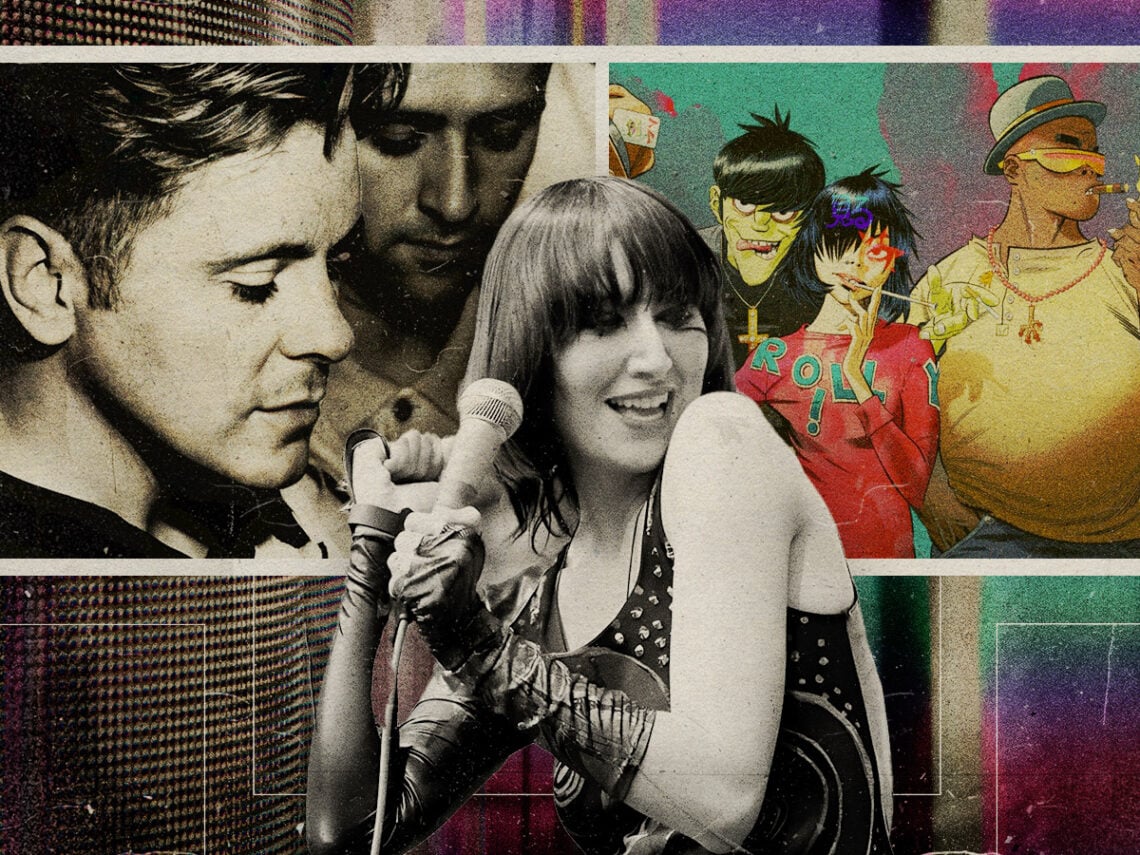
10 artists that bridge the gap between indie and electronic

Youth subculture is often split between guitar enthusiasts and electronic aficionados. The former spend their evenings seeking out local indie bands at underground venues, while the latter favour dark clubs and strobe lighting, and never the twain shall meet.
The reality, however, is not that clear cut, and the overlap between the two is ever-increasing. New Order laid the groundwork for indie and electronic music to mix in the 1980s. With an increasingly synthy sound and the legendary Haçienda at their disposal, both indie and electronic were permitted to thrive in Manchester.
Since then, a huge number of artists have blurred the lines between indie and electronic, with some dubbing themselves ‘indietronica’. As the world has produced more music, and granted more access to music, people are far more willing and able to explore outside of their comfort zone.
Below, we’ve collated ten of our favourite artists that bridge the gap between the two genres, capable of pushing even the most stubborn guitar addicts into new territory.
10 artists that merge indie and electronic music:
New Order
Born out of the gloomy post-punk of Joy Division after the death of Ian Curtis, New Order saw Bernard Sumner, Peter Hook, and Stephen Morris take a different direction sonically. Maintaining their guitar-focused, post-punk roots but incorporating elements of synth and dance, New Order expertly fused indie and electronic on hits like ‘Blue Monday’ and ‘Bizarre Love Triangle’, while keeping the indie kids interested with riff-focused tracks like ‘Age of Consent’.
New Order’s non-music ventures also exposed the indie kids to electronic music. The band were pivotal in the founding of Factory Records and its iconic accompanying venue, The Haçienda, which they financed at its opening and throughout its volatile existence. The Haçienda became a hub of Madchester, and rave culture, boosting the careers of acid house outfit 808 State and electronic duo The Chemical Brothers.
M.I.A.
Toeing the line between the 2000s indie sleaze scene, British rap, and electronica, M.I.A.’s sound is an absolute amalgamation of influences. In her youth, she was a huge fan of hip-hop, pop, punk and Britpop, influenced by the likes of The Clash and The Slits. After studying arts in London, she became acquainted with Damon Albarn and Elastica, eventually designing artwork for the latter and accompanying them on tour.
It was this tour that would lead M.I.A. to a conversation with electroclash soloist and support act Peaches, who encouraged her to eventually begin making her own music. She went on to forge a unique kind of alt-rap which combined all of her influences and is beloved by cult indie audiences and rap fans alike.
Gorillaz
There are few names as important to indie fans as Damon Albarn. The Blur frontman pioneered Britpop in the 1990s, becoming known for his laddish lyrics and atonal vocals. By the end of the decade, Albarn had joined forces with Jamie Hewlett to form a new project, Gorillaz. It was a far cry from the guitar-focused Britpop and honesty of Blur.
Instead, Albarn’s new project was a fiction band, influenced by electronic, trip-hop, and dub. Despite the marked differences from the musical output Blur fans had come to know and love from Albarn, his presence provided a gateway into a whole new world for indie enthusiasts. The endlessly danceable ‘Feel Good Inc.’ and the effortlessly cool ‘Clint Eastwood’ provided Albarn devotees with an accessible way into more experimental territory. Their impressive number of collaborations have brought in artists from every genre possible, meaning indie fans can stay in their comfort zone with Peter Hook, Mark E. Smith and Lou Reed or push themselves with the likes of JPEGMAFIA and Thundercat.
Hot Chip
Perhaps the ultimate indietronica band, London-born Hot Chip make synth-based alt-dance that endears itself to electronic lovers and indie kids. Their sound is easy to groove to and full of electronic repetition, but Alexis Taylor’s vocals contain an indie quality. Hot Chip’s music is malleable to any kind of music fan.
From the sparkling repetition of ‘Over and Over’ to the sprawling indietronica of ‘Flutes’, Hot Chip create music that is so exciting and listenable it transcends genres and subcultures.
The Yeah Yeah Yeahs
The Yeah Yeah Yeahs are undeniably indie. From the twangy guitars of ‘Maps’ to the cathartic climaxes of their recent collaboration with Perfume Genius, ‘Spitting Off the Edge of the World’, Karen O and the band forge definitively art-rock soundscapes. And yet, with the release of ‘Heads Will Roll’ in 2009, the Yeah Yeah Yeahs bridged the gap from indie to electronic.
The hauntingly cool track incorporated dance, disco and synth elements, and Karen O’s repeated lamenting of, “The men cry out, the girls cry out”. The Yeah Yeah Yeah’s venture into the world of electronica didn’t lose momentum there. A Trak popularised the song with a remix, which appeared in Project X in 2012. It became a dance anthem which retains cultural relevance to this day – Nia Archives borrowed from the track earlier this year with ‘Off Wiv Ya Headz’.
Oneohtrix Point Never
Unlike the Yeah Yeah Yeahs, the music of Oneohtrix Point Never, or Daniel Lopatin, exists only in the electronic sphere. The experimental producer utilises sampling and synths to forge unique soundscapes. Though it’s a fairly accessible way into the electronic sphere, it certainly doesn’t veer into indie sonically.
Lopatin’s indie tendencies come from his collaborations. In 2017, he soundtracked beloved indie filmmakers Ben and Josh Safdie’s Good Time with a feature from punk legend Iggy Pop. A year later, he collaborated with David Byrne on American Utopia before working with the Safdies once more on Uncut Gems. His track ‘Babylon’ features vocals from indie icon Alex G. Though Oneohtrix Point Never focuses his efforts on electronic musically, he operates in indie spheres, which exposes him to new fans.
Sweet Trip
The early 2020s have seen a revival of one of indie’s finest moments: shoegaze. Spearheaded by the likes of My Bloody Valentine, Slowdive and Ride and characterised by excessively distorted guitars, volume, and reverb, shoegaze isn’t usually associated with electronic spheres. But there is one band that masterfully defied this idea.
Sweet Trip combined the fuzz of shoegaze with elements of techno, glitch, and IDM, particularly on their second album, Velocity : Design : Comfort. It’s an aggressively dense collection of songs that combine the caustic noise of shoegaze with experimental electronic production. Years on from its release in 2003, the record, like shoegaze, gained a resurged interest in internet circles who have admired its experimental approach to genre-blending.
Soulwax
Belgian electronic collective Soulwax make music in their own right, but when it comes to inducting indie kids into electronic scenes, their real appeal comes from their remixes. Soulwax have remixed everyone from Kevin Parker’s beloved psych project Tame Impala to Irish post-punk outfit Fontaines D.C. to cult favourites Warmduscher.
Remixing well-loved indie tracks into sprawling, danceable electronica, Soulwax paved the way for indie fans to open their hearts to electronic. Their remix of Wet Leg’s ‘Too Late Now’, for example, almost doubles the original in length, replaces subdued guitars with thumping bass, and adds glitches to Rhian Teasdale’s detached vocals. They’ve even remixed tracks from a number of indietronica peers, including Metronomy, LCD Soundsystem, Gorillaz, and Hot Chip.
Cut Copy
Australian synthpop band Cut Copy actively think of themselves as bridging the gap between indie and electronic. On Spotify, they describe themselves as leading “a trailblazing path between the worlds of alternative rock and dance music”, and it’s no exaggeration. Their biggest hit, ‘Lights & Music’, is a prime example of their mixing of synth, pop, and dance influences for an indie audience.
Vocalist Dan Whitford once explained how Cut Copy’s sound came about in the Sydney Morning Herald, stating “I was inspired by indie lo-fi stuff as much as dance. I saw a way to combine them.” He recalls that people either went to clubs or gigs: “But we liked Daft Punk as much as we liked Guided by Voices.”
Panda Bear
Through his work both with the experimental indie band Animal Collective and as a soloist, Panda Bear, or Noah Benjamin Lennox, has combined psych and electronic. Forging a new, progressive style of indie rock, the multi-instrumentalist combines harmonised vocals, psych soundscapes, and electronic production to create songs full of emotion.
Panda Bear’s bridge between indie and electronic, again, stretches beyond his own music. Through a number of collaborations, he’s bridged the gap between indie and electronic for Animal Collective fans. In 2013, he brought the two worlds together by collaborating with Daft Punk on their electro single, ‘Doin’ It Right’. He’s also collaborated with Australian electronic producer Flume.
