


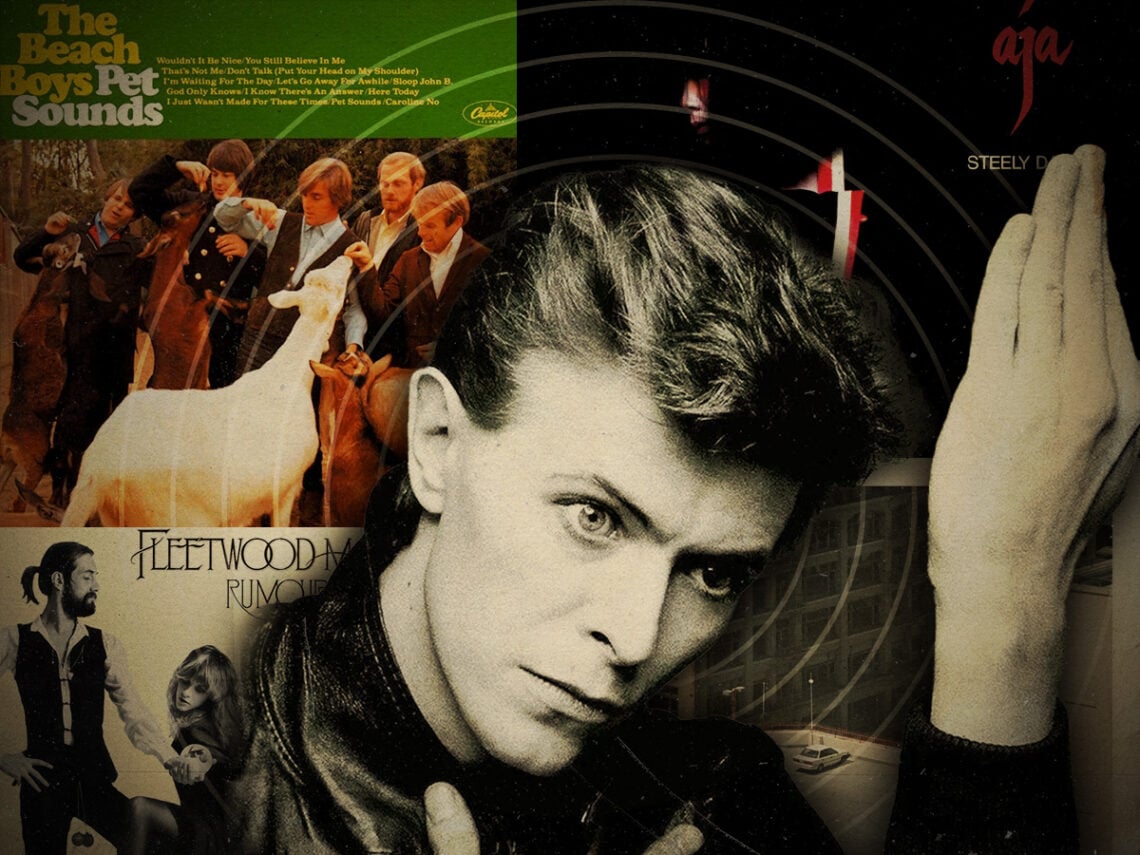
10 albums with tracklists in completely the wrong order

The final piece of the musical puzzle is actually putting it together. Months spent carving out the individual pieces of a record preceded this moment, and now it comes down to the not-so-simple task of figuring out how they fit together.
It’s clearly not easy for artists to see the wood from the trees and get an understanding of how the wider picture of their album should look. So invested in the stories that make up the song on an individual basis that the tapestry of the story can’t be seen.
Great artists have fallen victim to this and have ruined near-perfect records with their simply bizarre tracklisting that either misses a grand opportunity to close on a perfect note or a more nuanced option of stitching three songs in perfect sonic sequence to create a mini world inside the album.
The most infuriating part of it all is that we, as fans, would simply love the opportunity to craft the narrative arc together. As the listeners, we so deeply feel the lyrical, sonic and mood shifts that take place throughout a record and feel as though we can perhaps understand the wider journey better than the artist. We know how we want to feel when the first side finishes and when the second side picks us back up, so it’s so damn frustrating when they get it wrong.
This list proves that no amount of experience can perfect the art. Simply put, some of the best, most revered artists of all time have truly messed up the opportunity to make their already special albums, basically perfect.
10 albums crying out for a reshuffle:
The Beach Boys – ‘Pet Sounds’ (1966)
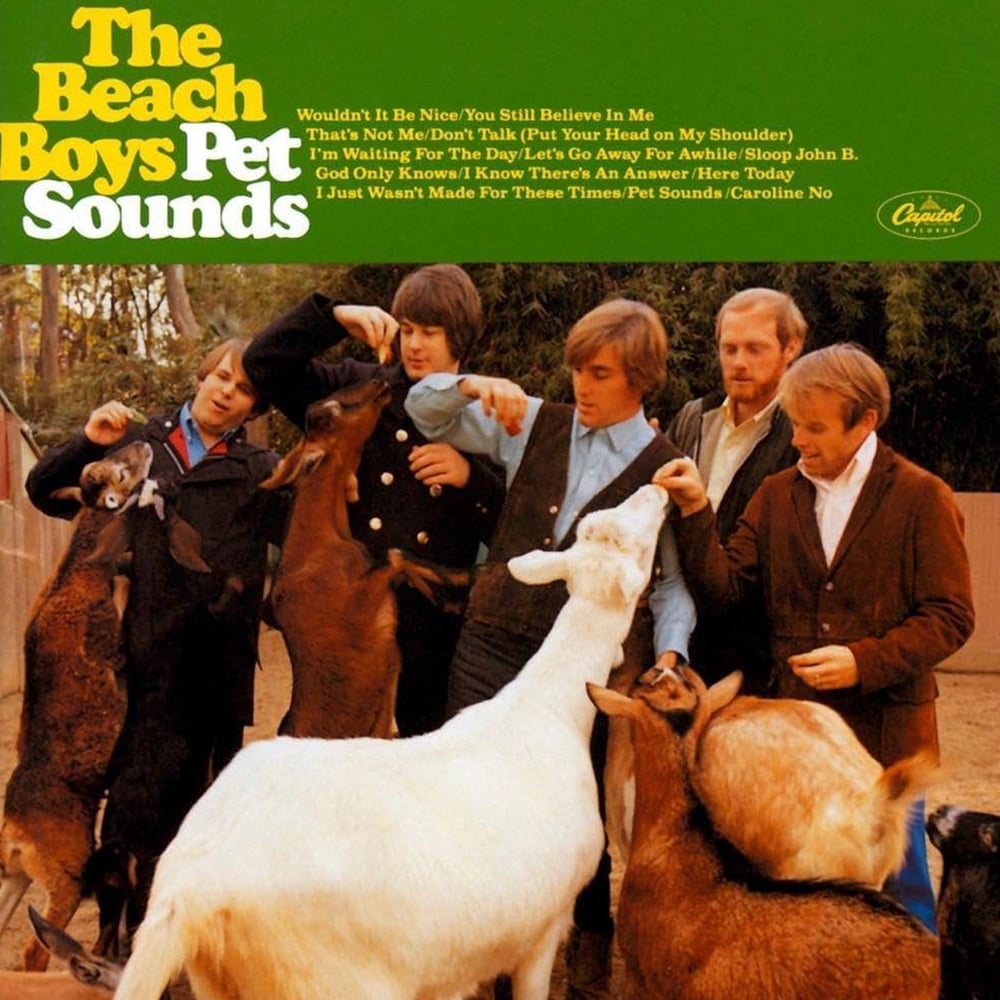
Pet Sounds is a phenomenal album from front to back, and an absolute masterclass in pop songwriting that doesn’t waste a single moment in demonstrating its brilliance. That being said, one thing that the album could certainly improve upon that would set it apart from being one of the greatest albums ever made and being virtually untouchable is its sequencing, which, to a nitpicker, might seem as though it’s disrupting the flow of what could become absolute perfection.
Closing the first half of the album with ‘Sloop John B’, a song that doesn’t exactly demonstrate the growth of Brian Wilson’s arrangement skills, might seem as though things are ending with a dampener, and having the instrumental of ‘Let’s Go Away For Awhile’ might have been a better option to segue into the second half.
On a similar note, ‘God Only Knows’, despite being the greatest pop song of all time, can be substituted for ‘I’m Waiting For The Day’ as the opener for side two, with its emphatic timpanis kicking things off with a bang, and the final closing moments of the album perhaps could have been ‘I Just Wasn’t Made For These Times’ rather than ‘Caroline, No’.
But hey, Pet Sounds is still pretty damn perfect as it is, right?
Simon and Garfunkel – ‘Bridge Over Troubled Water’ (1970)
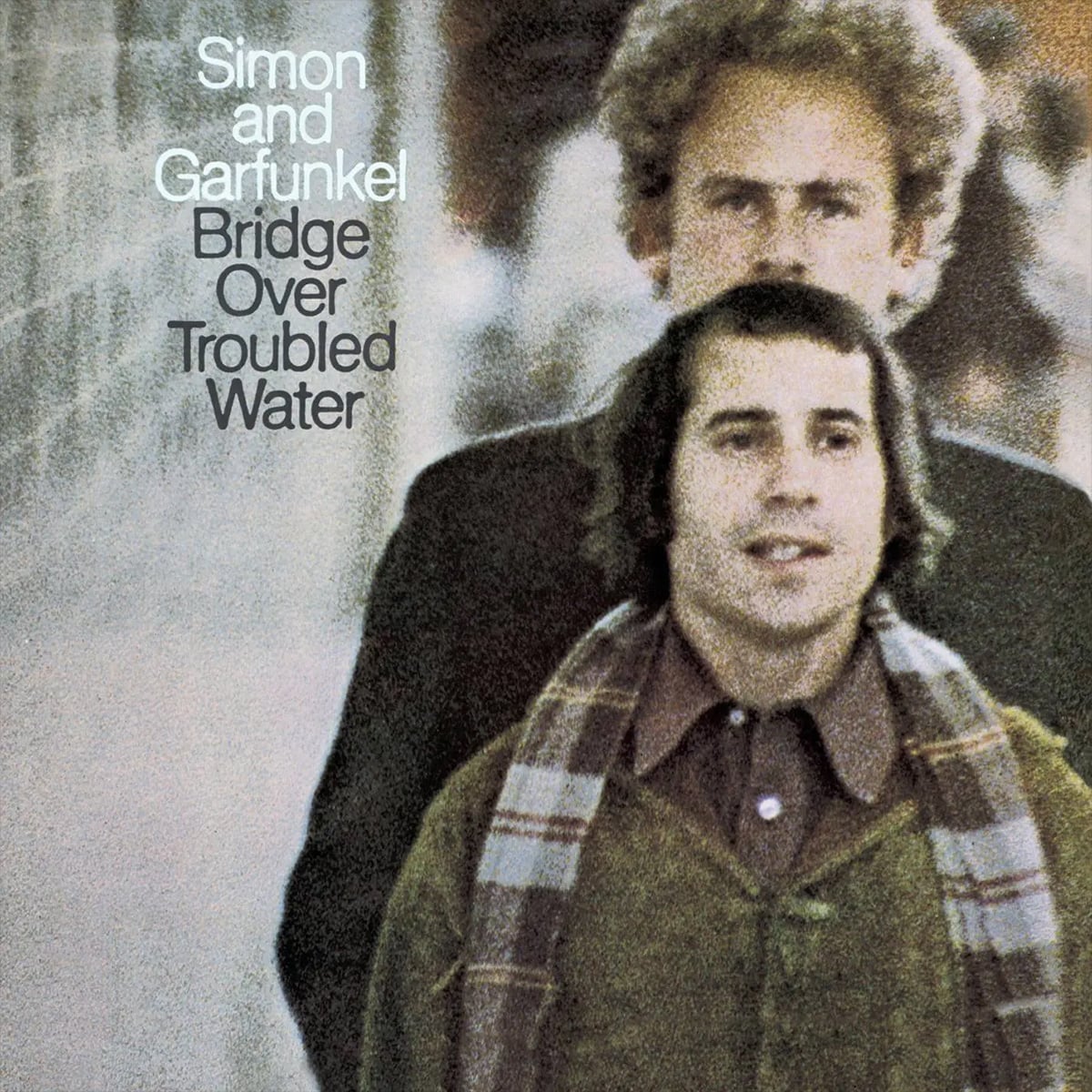
The title track to Bridge Over Troubled Water could have occupied only one of two spots. In fairness to Simon and Garfunkel, they chose one of those two, and it’s hard to argue with it. Opening the album, the seminal title track does indeed feel like an appropriate way to introduce the listener to this world.
But every time I listen to it, I cannot help but think that it belonged at the very end. It would have been a sweeping and emotional reprise to this story of a record; the gospelling crescendo of the record sets a pretty difficult stall for the remaining tracks to follow, and would have finished on the right morale tone.
The right morale tone because the album was riddled with the behind-the-scenes friction that would ultimately end the famous musical pairing, and so ‘Bridge Over Troubled Water’ would have felt like a comforting bookend, no matter the outcome.
The Beatles – ‘Help’ (1965)
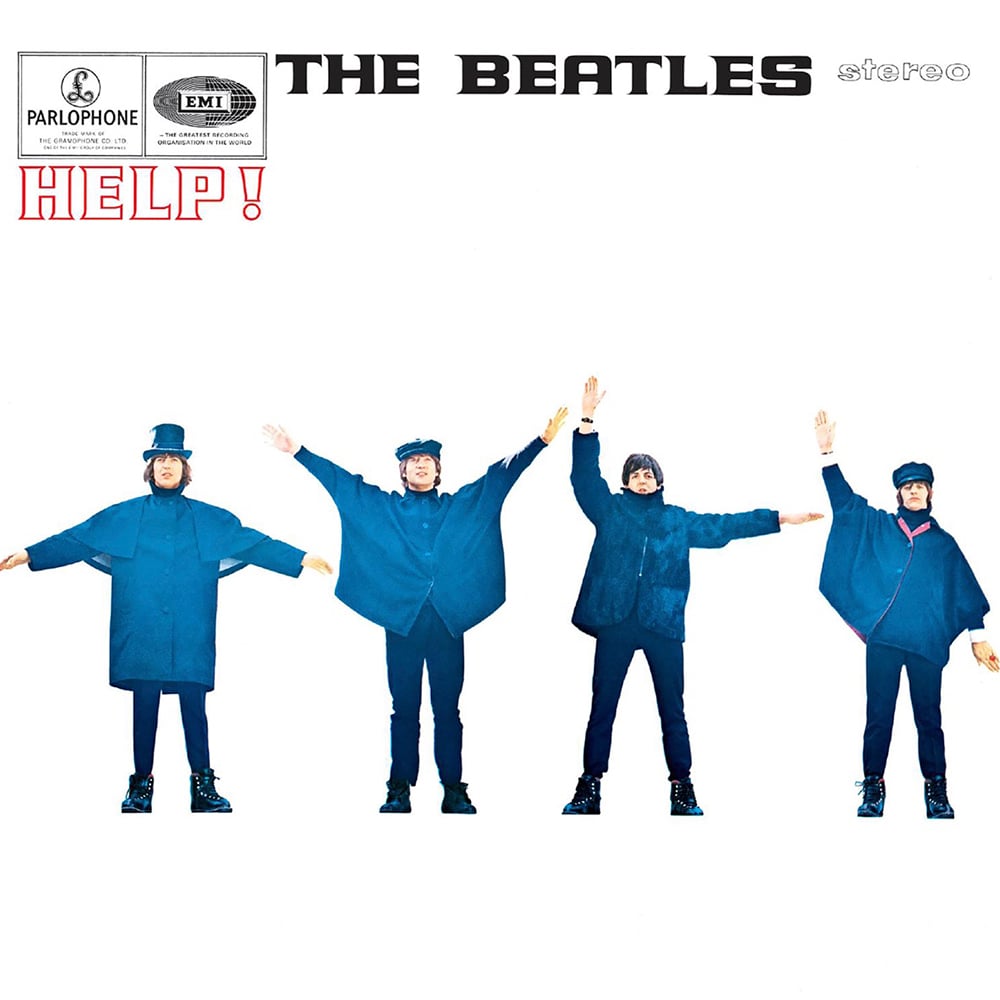
When Paul McCartney sat down and finished writing ‘Yesterday’, he may well have felt like he had completed the art of songwriting. It might just be one of the very greatest songs of all time and needs absolutely no follow-up. In fact, it shouldn’t, for anyone listening to it needs time to reflect and absorb what has just happened.
Yet, despite that and all of their genius, The Beatles, for some reason, decided to put it at the very penultimate position of Help! Just after ‘Yesterday’ finishes, in comes ‘Dizzy Miss Lizzy’, which completely changes the mood and transports us back to the innocent realms of the blues rock they were evolving out of.
Worst yet, it was a cover. First written by Larry Williams in 1958, it served as the sort of song The Beatles should cover whenever they felt the mood strike, but surely come 1965, and in the wake of ‘Yesterday’, that wasn’t the time.
Talking Heads – ‘Remain In Light’ (1980)
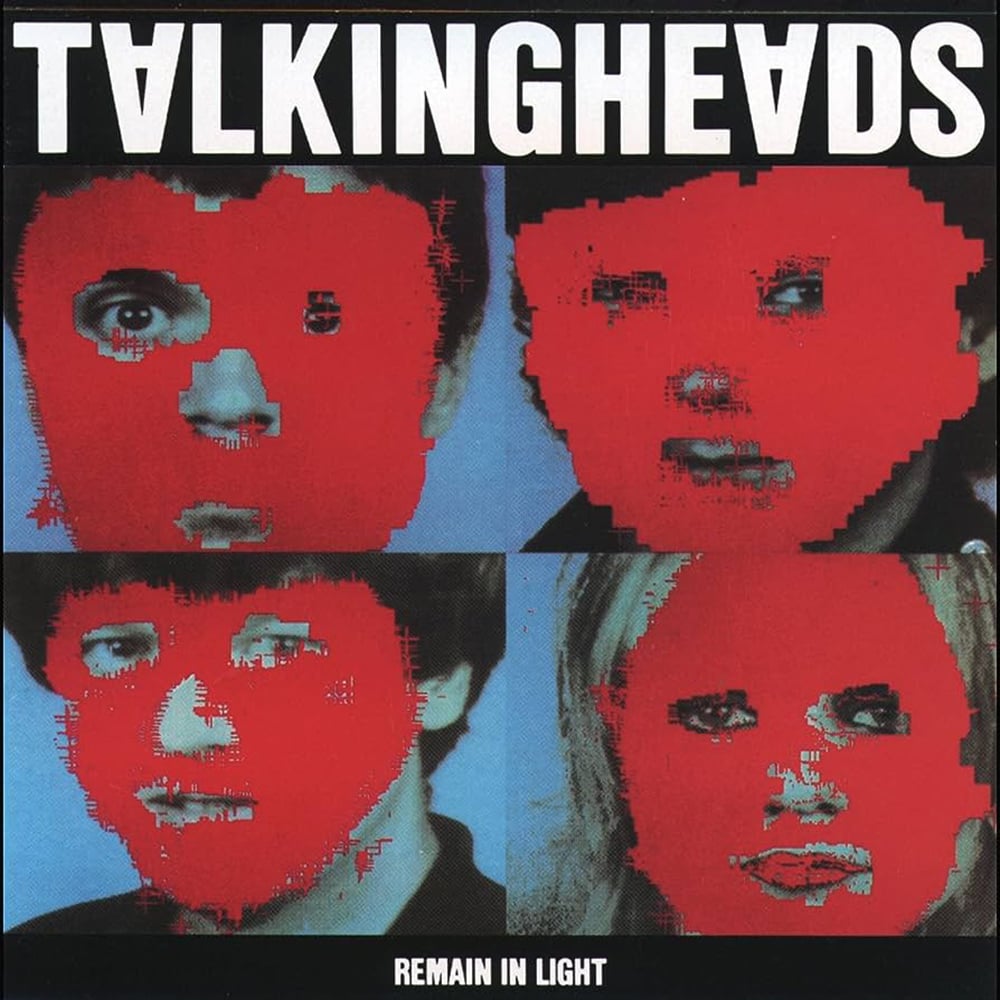
Sorry to hit you with a gigantic truth bomb, but Fear of Music is the best Talking Heads album, and that’s all because of one simple issue with Remain in Light‘s tracklist. If ever there’s been a flawless album let down by the fact that it was front-loaded with groove and given a slow dirge of a second half, it’s the New York group’s fourth outing.
‘Born Under Punches’ is a bold opener, but then realistically, you don’t need to crash straight into ‘Crosseyed and Painless’ and ‘The Great Curve’ to keep a sense of high-octane momentum. Why not go for something a little more subdued, like ‘Houses in Motion’, then return with the energetic feel of one of the aforementioned songs with a touch too much pep in their step? The buzz of the album comes all at once, and is then lacking significantly by the end of the record.
Remain in Light is frequently reported to have been made under the significant influence of cocaine, and it shows. Given the addictive nature of the drug, you want to keep taking it to preserve that energy before you can’t take any more, and the frenzied first half of the album coming to a lethargic lull by the time ‘Listening Wind’ and ‘The Overload’ arrive represents a noticeable high and low of a narcotics binge. Spacing it all out would have served the flow of the record much better, and maybe, just maybe, it would top Fear of Music.
Van Morrison – ‘Astral Weeks’ (1968)
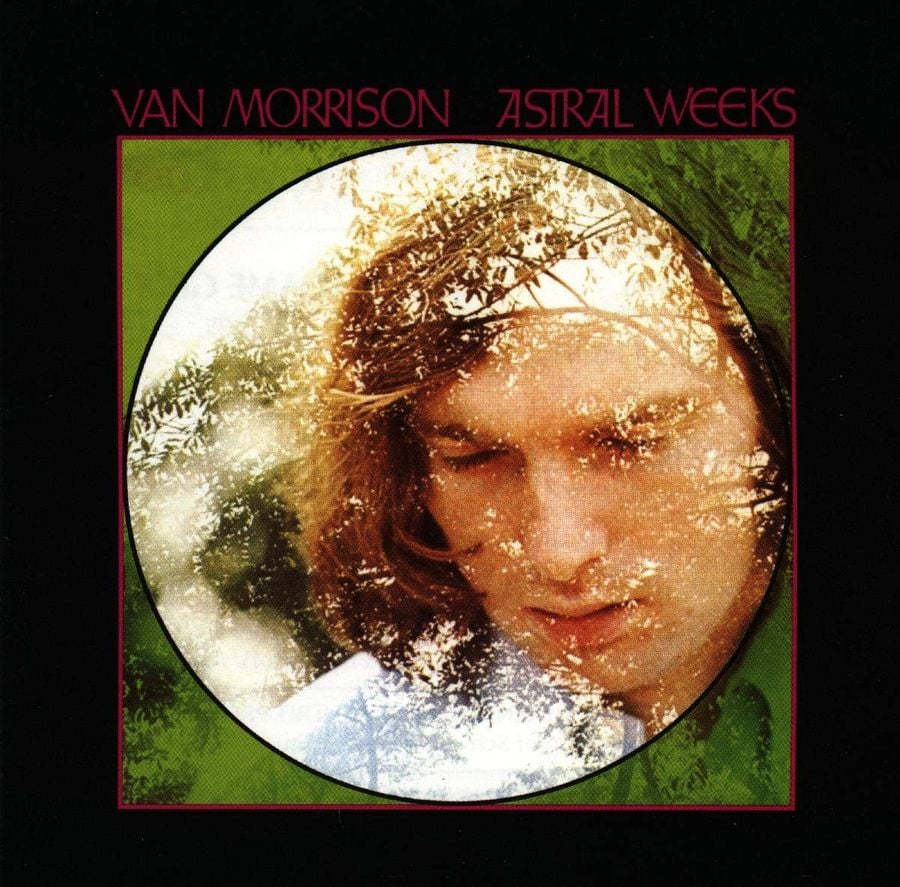
At eight songs long, Van Morrison could perfectly separate his songs into mini chapters that told the whimsical story of his folk-laden love. In ‘Astral Weeks’, he began that journey, with a near-perfect seven-minute ballad that sets the scene for this carefully curated world. The A-side seemed to follow suit just as flawlessly, right until you realise it doesn’t.
The second side should have undoubtedly started ‘Sweet Thing’ instead of ‘The Way Young Lovers Do’. It’s almost like the sonic version of stretching your arms out on a calm spring morning and has the perfectly timed introduction to welcome in this more pensive second side, which again should have been switched around further.
The ten-minute epic ‘Madame George’ should have been the closer, and had it been, it might have been remembered as one of the greatest of all time. Instead, it is consigned to the central role of the B-side and loses the extra drama it could have had by closing. That’s not to say ‘Slim Slow Slider’ shouldn’t be a closer, but rather on the A-side, taking the place of ‘Sweet Thing’ that has now been bumped over.
Radiohead – ‘The King Of Limbs’ (2011)
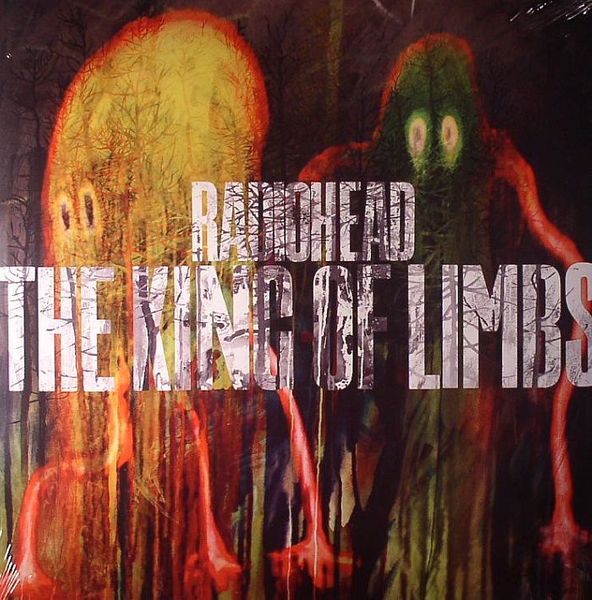
Pablo Honey aside, which would take more than just a rearrangement of the track order to rescue, The King of Limbs is frequently seen as being the next-weakest album in Radiohead’s otherwise pristine discography, but in reality, what it could have done a better job of is rearranging itself in a more flattering manner.
Radiohead taking a bold left turn between albums wasn’t anything new by this point in their career, given how Kid A and its electronic stylings came as a sudden shock after the release of their alt-rock masterpiece, OK Computer, but as a follow-up to In Rainbows, The King of Limbs doesn’t flatteringly portray the different approach that the band wanted to take. The songs on part of their eighth album are rhythmically challenging, whereas some of the songs that are pushed towards the back end are atmospheric and luscious.
What could have been done differently is finding a way to integrate these better, with a much more even balance of the cerebral and polyrhythmic tracks up against the balladesque songs that feel as though they could have originated from earlier on in the band’s career. The King of Limbs probably wouldn’t become the favourite album of many Radiohead fans if ‘Separator’ were shunted forward and ‘Lotus Flower’ plonked on the end, but it could potentially go up in their estimations if it flowed more coherently.
Arctic Monkeys – ‘The Car’ (2022)
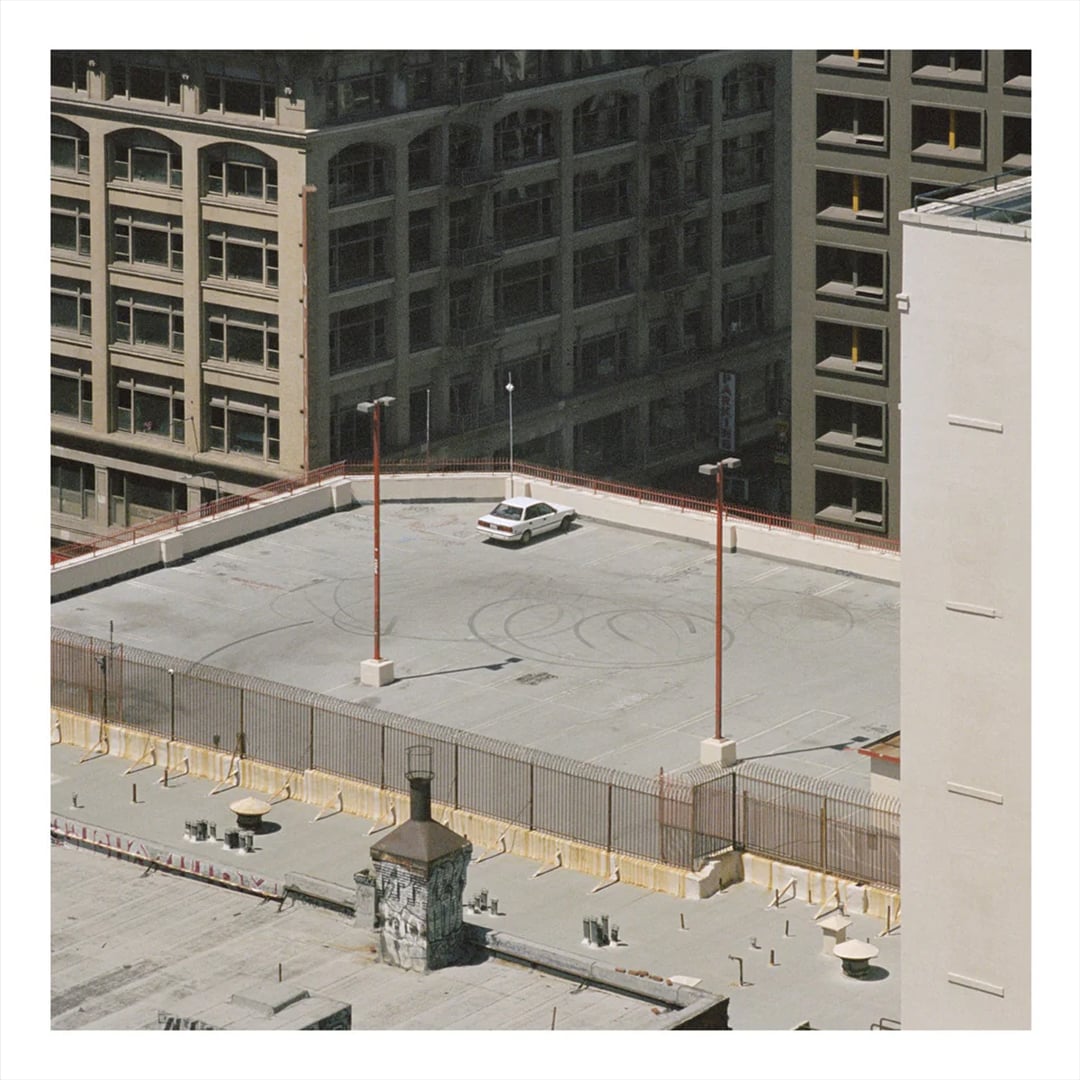
The mere fact that they opened their shows with it proves that ‘Sculptures of Anything Goes’ should have been the opening track. The drama of that low humming synthesiser is the perfect curtain opener for this even more theatrical Arctic Monkeys era, that slowly simmers through the darkness to then unveil itself into light come the final section and Alex Turner’s high note.
It would have been the perfect litmus test for already sceptical Monkeys fans, who would have had to grapple with the lounge-club aesthetic of the subsequent tracks. They would not have known how to interpret them for the entire album at that point, still listening to them through the dark lens of ‘Sculptures’.
That would have been until they finished with what they should have, ‘There’d Better Be a Mirrorball’, and suddenly this entire record would have made perfect sense. ‘Mirrorball’ stands a shout at being the band’s greatest ever track, and so finishing this controversial chapter with it would have been suitably jarring for fans on the fence.
Steely Dan – ‘Aja’

To many people, Aja is Steely Dan’s magnum opus in a career of highlights (ignoring the fact that they reformed in the ‘90s and were terrible). However, if you think it’s virtually impossible to make a complete dog’s dinner of sequencing an album that only has seven songs on it, but Donald Fagen and Walter Becker certainly managed to offer up a brilliant rebuttal of this school of thought with a record that stumbles its way through its tracklist.
One thing that it does get right is choosing ‘Black Cow’ as the opener, which immediately sets the tone for a sleazy yet groovy offering, and perfectly highlights where the strengths of the duo lie. However, following it up with the two longest tracks on the album, not that they’re in any way bad, takes a little bit of the shine away from how strongly it opens.
Instead of leaving it to the end, ‘Josie’ could easily be the next song after ‘Black Cow’, with ‘Aja’ finishing up side one, and then ‘Home At Last’ would probably be the most logical replacement for ‘Josie’ as an album closer. ‘Peg’ and ‘I Got The News’ are good, lighthearted buffers for the lengthier compositions and could reasonably be included anywhere, but it’s the positioning of everything else that needs a little bit of tweaking as far as we’re concerned.
David Bowie – “Heroes”
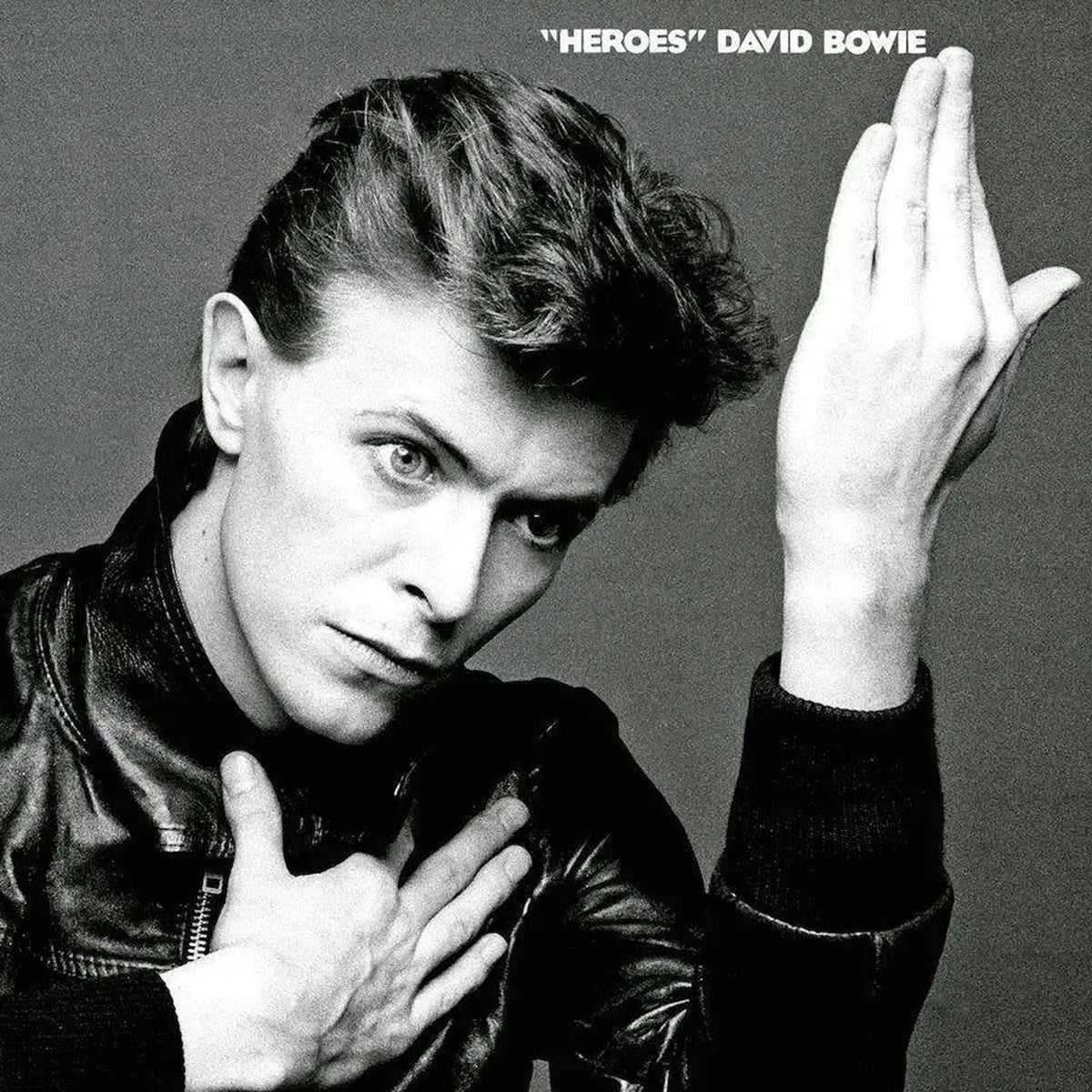
Towards the end of the 1970s, David Bowie was not just on a creative hot streak, but he was making some of the most adventurous music of his career, preceding what would go on to be known as his Berlin Trilogy with Station to Station before kicking off the infamous three-album run with the equally otherworldly Low. However, it’s the second part of the trio that, despite being another incredible entry into his catalogue, suffers a little bit as a result of its track order.
Now, you could make the argument that Low and Heroes have the same issue due to the fact that they follow a similar pattern, but it’s considerably more apparent on the latter of the two records, where the sequencing drags a bit more. Low was deliberately sequenced so that the more accessible songs were placed in the first half, better known as the ‘day side’, while the experimental instrumental tracks were put towards the end as part of the ‘night side’.
The problem with repeating this on Heroes is that it does exactly the same thing on two consecutive albums, which is perhaps one of the most un-Bowie moves that he could have made. It works on Low because of how unexpected this change of pace is, but falls slightly flatter on Heroes, given how listeners were already acutely aware of his newfound love of making more ambient-influenced instrumentals, and the whole album would possibly have worked better if they were scattered throughout.
Fleetwood Mac – ‘Rumours’
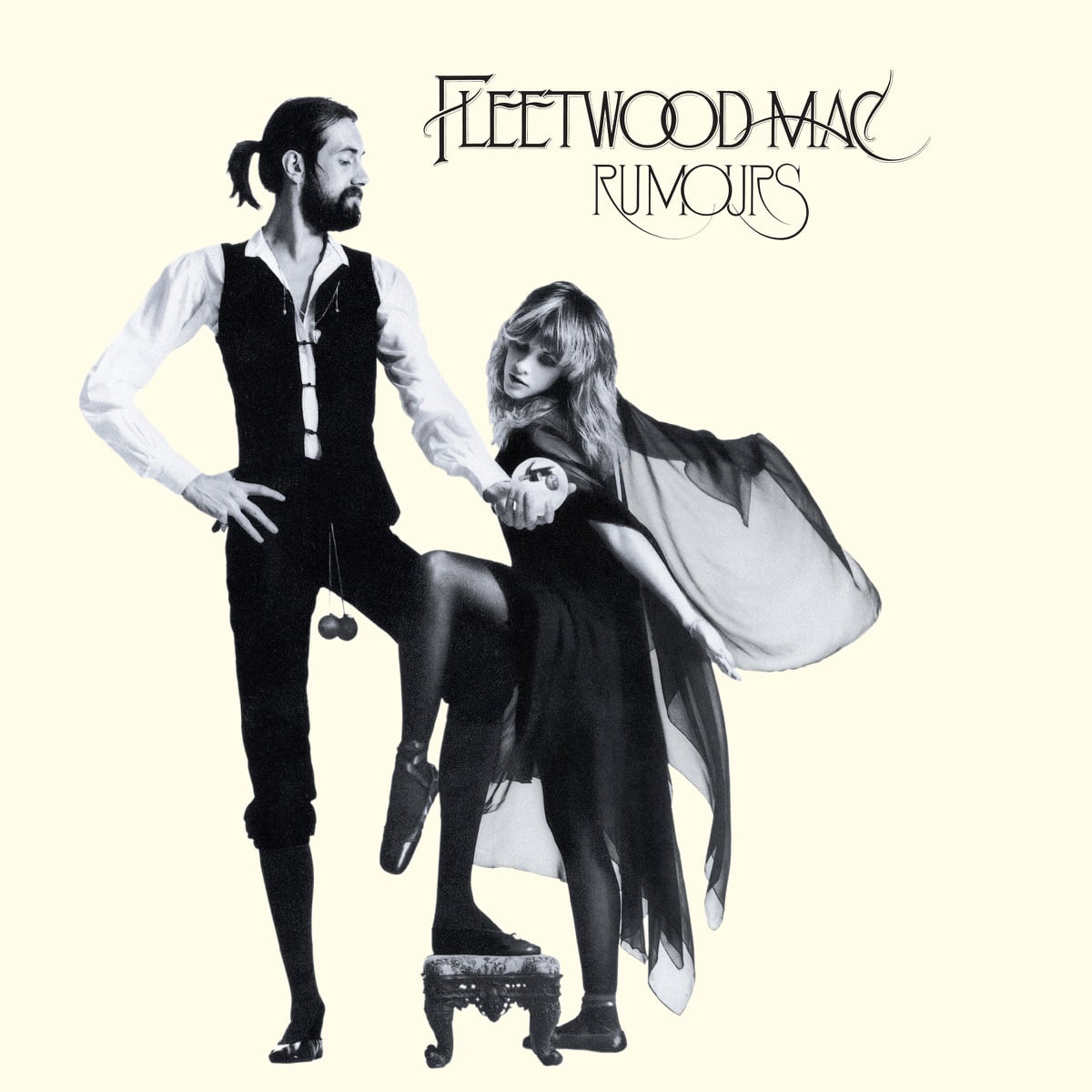
The first side of this record is near perfect; Lindsey Buckingham and Stevie Nicks relentlessly trade jabs with their iconic break-up songs that run back to back with one another, except the brief pause of Christine McVie’s ‘Don’t Stop’ and ‘Songbird’, which feel like corner breaks in between rounds.
But then, the second side rolls into a muddled order that seems to reflect the concussed haze of their drug-addled fighting. McVie should have kicked the second side off again with their sultry hit ‘You Make Loving Fun’ for the bassline provided by her ex-husband serves as the perfect introduction to a new segment.
Then ‘The Chain’ should have obviously been the last track on the record. It was a collective siren call for the band to stay together throughout whatever turbulence is thrown their way in music, and that’s not mentioning Lindsey Buckingham’s guitar solo, which serves as the perfect conclusion to this epic album.

Never Miss A Beat
The Far Out Beatles Newsletter
All the latest stories about The Beatles from the independent voice of culture.
Straight to your inbox.