


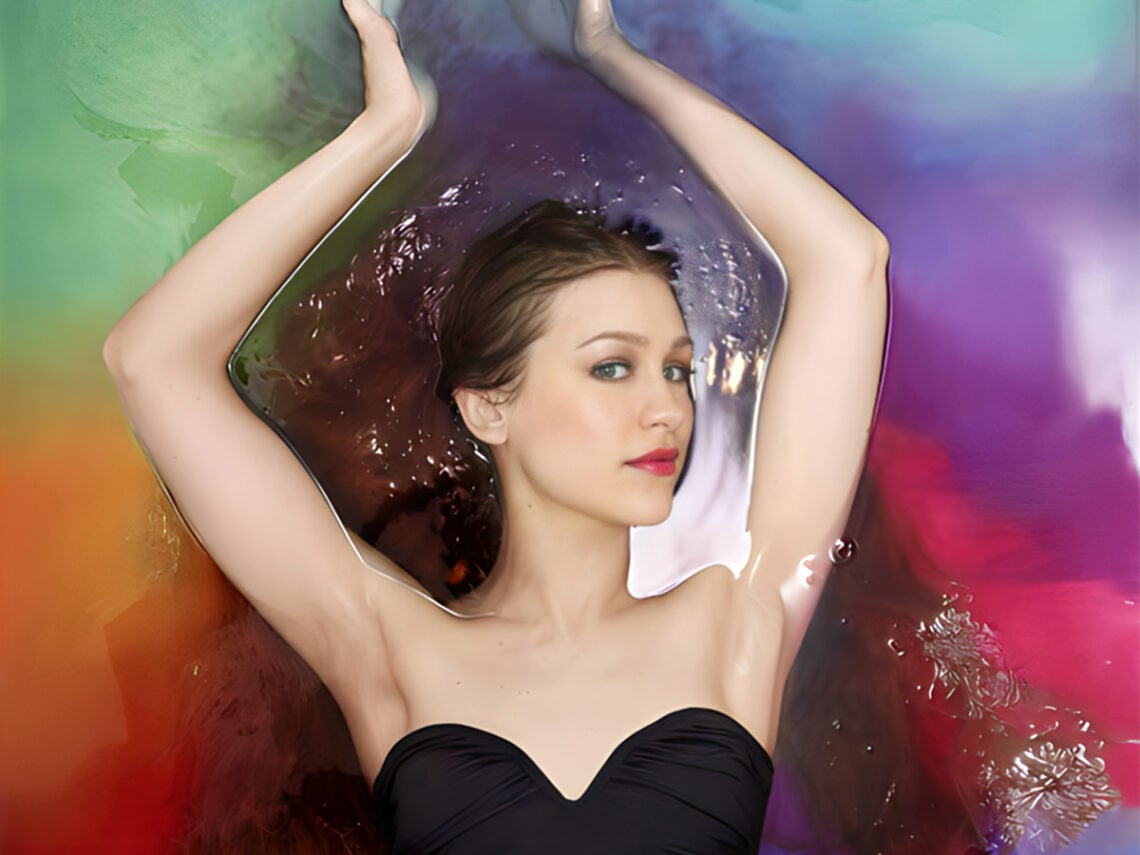
‘Ys’: Joanna Newsom and the dawn of indie’s expansion

Even though there appeared to be a flurry of excitement surrounding the glut of bands that dominated during the early-2000s indie rock boom, it can be argued that after the initial buzz of acts like The Strokes and The White Stripes, very little else of the same calibre emerged, and the urgency of said bands and their successors began to fizzle out. Even with acts such as Arctic Monkeys and Bloc Party emerging slightly later on in the UK, there weren’t a great deal of alternatives that offered the same vivacity, and the trend appeared to lack any serious lasting power.
Were the musicians becoming less imaginative in their craft, or had guitar-oriented indie rock run its course due to having been exhausted beyond its full potential? There’s plenty of talk of how ‘indie landfill’ became a phenomenon towards the end of the decade, with every band possessing their own carbon copy of Alex Turner and churning out increasingly drab pastiches of their observational wit, but there’s less discussion of how the emergence of other scenes was keeping the nail from being hammered into indie’s coffin by proffering a new style that would end up being absorbed by the genre’s main proponents.
Around the same time, the US was seeing an upsurge in folk-adjacent artists who were adding progressive and experimental elements to a traditional form in an attempt to renew interest in the centuries-old genre. Some acts like Devendra Banhart and Animal Collective offered a psychedelic take on the tradition that was dubbed ‘freak folk’, drawing inspiration from American Primitive guitarists such as John Fahey and Robbie Basho, while others took a more baroque and lavish arrangement style, with Sufjan Stevens and Arcade Fire being leading names in that camp.
However, also among these new innovators in modernist folk was Joanna Newsom; a harpist and composer who released her debut album, The Milk-Eyed Mender, in 2004. While the record received acclaim in some circles for its freewheeling approach to folk, others lambasted it for being too twee and whimsical. Despite this, the seeds were already being planted for her most revolutionary work; one which would arguably transcend the world of folk and have a significant impact on the indie rock landscape upon its release.
Her 2006 record, Ys, proved to be a crossover hit that tore down the boundaries of genre classification, and while its five lengthy compositions (the longest, ‘Only Skin’, clocking in at 16 minutes) being appealing to the indie rock audience seems almost inexplicable, there are actually plenty of good reasons as to why it ended up making the impression it did.
Everything about Newsom was unique – the approach to song structure, her shrill yet enchanting vocal delivery, her verbose storytelling, and much more – and all of her primary strengths were things that indie rock was becoming stagnant due to a lack of. Bands began to ask why they should limit themselves to guitars, bass, drums and vocals, and began embellishing their sound with string sections, woodwinds and deft percussion, and with that, they were also starting to realise that not every song has to be a three-minute blast that follows a linear structure.
Monotonous, droll vocal deliveries were out, and even though Newsom’s voice was hard to replicate, it did at least mean that people weren’t half-assing their attempts at melody anymore. The literary and folkloric influence to her lyrics was also encouraging other songwriters to become more adventurous, and the spirit that had been present in the earlier years of indie rock where lyrics had a similar poeticism had been rejuvenated.
With a number of collaborators from disparate scenes assisting her on the record such as Van Dyke Parks, Steve Albini and Bill Callahan, there was always going to be potential for cross-pollination, and you’ll find people who cite Newsom as a major influence in all corners of the modern musical landscape. While immediate adopters of a folkier spin on indie rock included the likes of Grizzly Bear, Fleet Foxes and Bon Iver, it’s in acts today such as Black Country, New Road and Angel Olsen where we see the truly longlasting effect of Newsom’s influence on the genre.
Artists in the indie rock sphere, as loose as the term may be, are no longer afraid of straying away from what’s considered conventional. Acts have no fear in starting a song with a mini-epic like ‘Emily’ or conceiving of something so unabashedly complex as ‘Sawdust & Diamonds’, and Ys was arguably the record that asked if it would be possible to expand the genre’s horizons.
Newsom’s music may be challenging, but indie rock was in dire need of a challenge during the mid-2000s. Her two subsequent albums, Have One on Me and Divers are no less expansive or experimental, but having visionaries like Newsom as a presence in the neighbouring scenes was ultimately the revitalising kick that gave indie a second wind. There might not be another album that sounds quite like Ys, but that doesn’t mean there aren’t traces of its influence coursing through the veins of your favourite modern act.
