


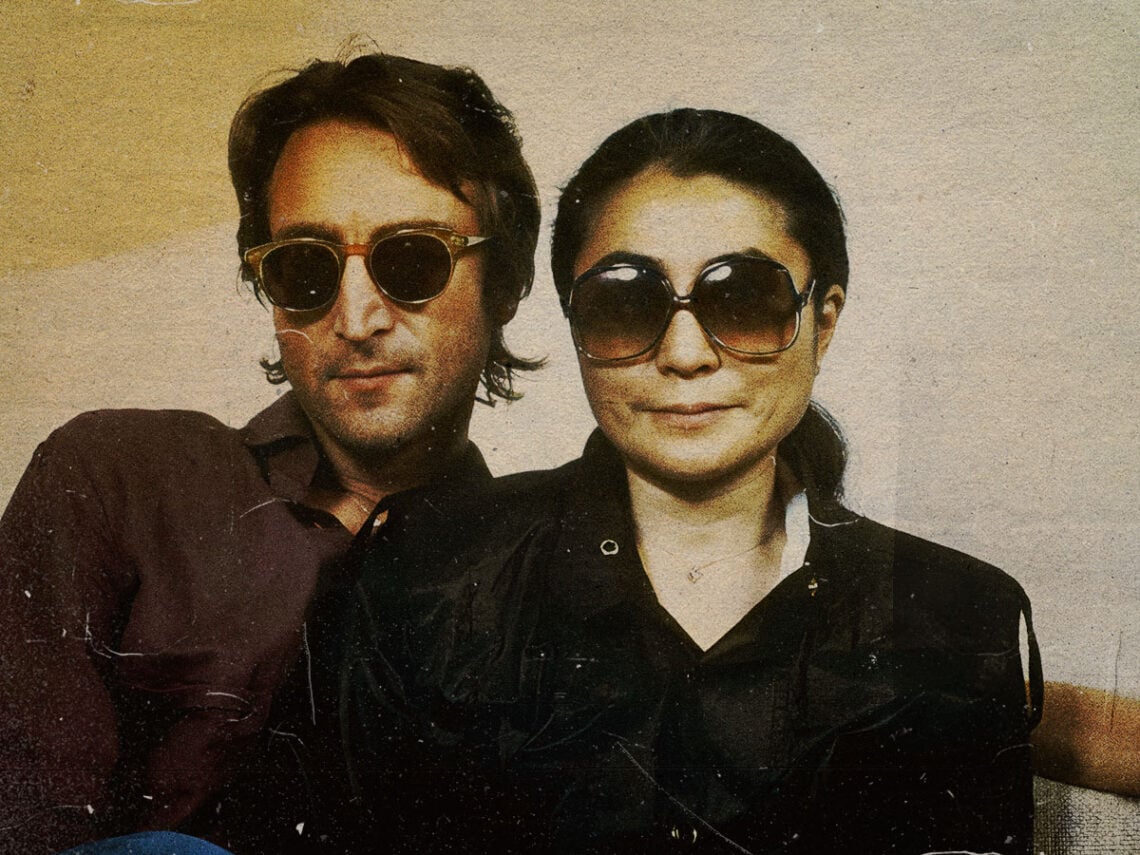
“He was good at anthems”: Yoko Ono’s 10 favourite John Lennon songs

Songwriters come and go, but there will only ever be one John Lennon.
Among the most profound and beloved writers of the 20th century, Lennon penned countless groundbreaking tracks alongside The Beatles and in a solo capacity. For that expansive body of work, the Liverpudlian was afforded an unparalleled reputation within music, which only increased in the years following his untimely death in 1980. Many of his most beloved songwriting efforts arose from the inspiration provided to Lennon by his wife, Yoko Ono.
A groundbreaking artist and musician in her own right, Ono first encountered Lennon in 1966 when the Beatles songwriter attended her exhibition at the Indica Gallery in London. Soon after, the pair engaged in an affair, which eventually caused Lennon to abandon his wife, Cynthia Powell and their child, Julian Lennon. From that point onwards, Ono became inseparable from the songwriter. Much to the annoyance of the rest of The Beatles, the Tokyo-born artist became a regular attendee of Beatles recording sessions, often giving suggestions to the band.
Yoko Ono is often blamed for the breakup of The Beatles, but – while there may be a small element of truth in that – the band were always going to implode eventually. Their level of success, along with the pressure placed upon them, was simply too great. However, when the band did go their separate ways, Ono’s influence over Lennon became much more prevalent within the songwriter’s output.
His debut solo album, John Lennon/Plastic Ono Band, was released in tandem with Ono’s similarly titled record, and many of his subsequent releases featured performances or songwriting credits by Ono. Over the next decade, the pair provided constant artistic inspiration to each other, inspiring each other to create groundbreaking art, in addition to protesting against war and US involvement in Vietnam. Even after his death, Lennon never stopped providing inspiration to Ono.
Back in 2010, Rolling Stone asked Ono to curate her ten all-time favourite tracks by her late husband. Expectedly, the resulting list focuses heavily on Lennon’s early solo work, featuring no songs from his days in the Fab Four. Still, Ono’s picks offer an unparalleled insight into her relationship with the former Beatle and the appeal of his work. The artist selected some of Lennon’s most renowned tracks, including ‘Imagine’, of which she shared, “He was good at anthems”.
Elsewhere, Ono highlighted the importance of ‘Give Peace a Chance’, a song written and released while Lennon was still a member of The Beatles. “You can’t miss this one,” said Ono. “It’s proof that he could be very personal, but also he could cover the big picture and get people to think about that. And it worked. He really did affect the world a lot.”
Another notable conclusion is ‘Grow Old With Me’, which was one of the last songs Lennon ever wrote before being murdered in 1980. At the time of his death, the song only existed as an at-home demo recorded by the husband and wife. “He was saying it to me, but also to a whole generation: ‘Let’s grow old together,’” the artist shared. “After his passing, all I had was a cassette of it. I had it in my handbag. When I went to sleep, I had some bells on my door, so if anyone came in, I’d hear it. I didn’t want people to take it from me.”
While Ono’s favourite Lennon songs might be ignorant of his extensive credits within The Beatles, the list does act as an incredible introduction to the power and revolution at the heart of the songwriter’s solo material. Every song selected by Ono seems incredibly pertinent both to their relationship and to the inherent values and aims of John Lennon as a songwriter. As Ono correctly said while discussing ‘Gimme Some Truth’, “He was before his time.”
Yoko Ono’s favourite John Lennon songs:
- ‘Oh My Love’ (1971)
- ‘Gimme Some Truth’ (1971)
- ‘Give Peace a Chance’ (1969)
- ‘God’ (1970)
- ‘Grow Old With Me’ (1984)
- ‘Imagine’ (1971)
- ‘Scared’ (1974)
- ‘Jealous Guy’ (1971)
- ‘I Don’t Wanna Be a Soldier Mama’ (1971)
- ‘Mother’ (1970)
