


Exploring the eclectic world of Welsh cinema

British cinema is a catch-all term that’s seen the United Kingdom become established as one of cinema’s pre-eminent hotbeds for striking original films, but breaking it down into its core parts, the world of Welsh cinema is intriguingly eclectic.
The country was quick to get in on the act, too, with the first films shot in the country in 1896, just a year after the Lumière brothers had developed their cinematograph. By 1898, local filmmakers were already hard at work building the nation’s filmic catalogue, with Arthur Cheetham screening silent shorts at various events.
The first notable filmmaker to emerge during the early years was arguably William Haggar, who gained particular recognition with 1903’s forward-thinking chase movie Desperate Poaching Affray. However, great swathes of history were lost, and it arguably wouldn’t be until the 1990s that something approximating a boom period or renaissance would begin, leading to a slew of memorable motion pictures emerging from Wales.
Hedd Wyn became the first Welsh title to ever land an Academy Award nomination for ‘Best Foreign Language Film’, with Paul Turner’s stirring anti-war biographical drama telling the story of the title character also known as Ellis Humphrey Evans, a poet killed in battle during World War I.
1991’s literary adaptation Un Nos Ola Leuad was another acclaimed Welsh-language film, while 1993’s Gadael Lenin was named as the most popular British film of the 1993 London Film Festival. Evolving with the times, the seismic shift in independent cinema saw Welsh filmmakers craft distinctive works in a variety of genres, all of which carried a distinctly local flavour.
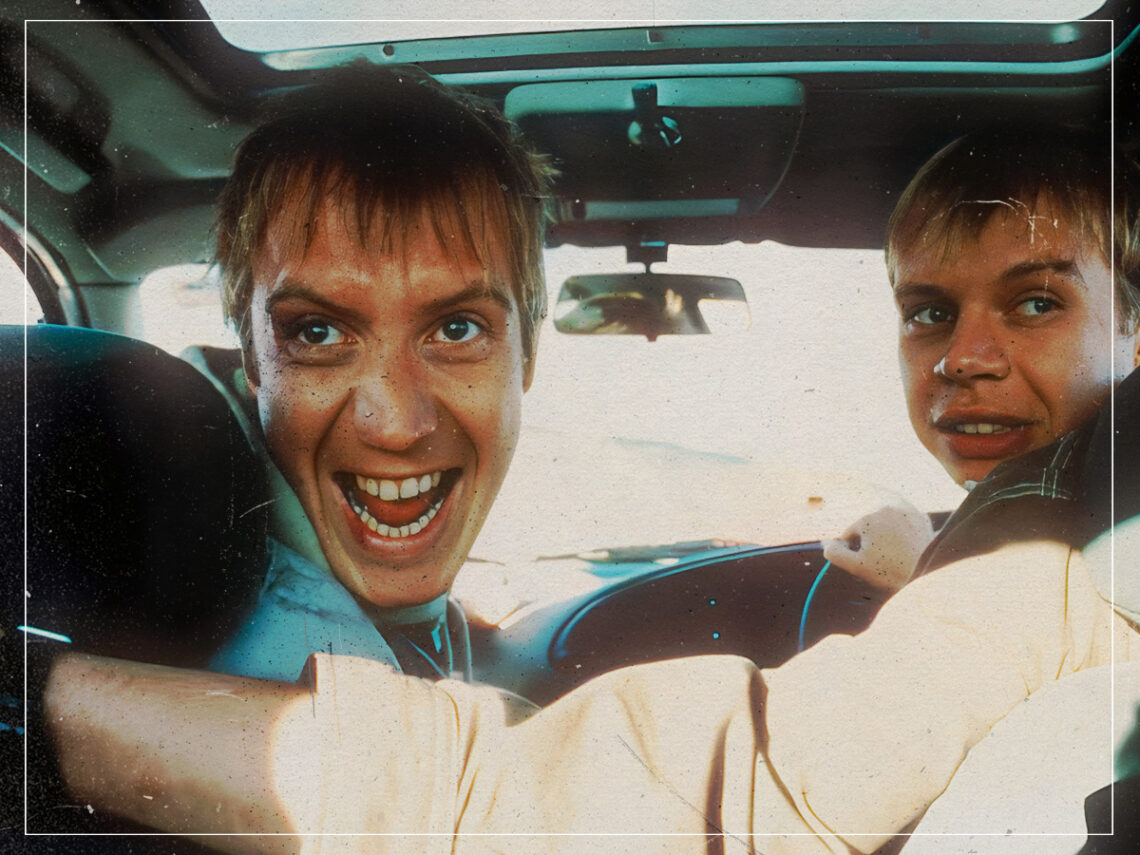
Marc Evans’ dysfunctional family drama House of America won ‘Best Directorial Debut’ at the Stockholm International Film Festival, writer and director Kevin Allen’s Twin Town was a riotous, darkly comic crime caper that launched the career of Rhys Ifans, while Justin Kerrigan’s Human Traffic is one of the defining British cult movies of the 1990s, and all three were lauded as part of the wider ‘Cool Cymru’ cultural movement that stretched across entertainment, arts, sports, and culture.
Paul Morrison’s Solomon & Gaenor landed another ‘Best Foreign Language Film’ nod at the Oscars in 2000, before the turn of the millennium gave rise to comic capers House! and Very Annie Mary, as well as popular forays into horror through the likes of The Dark and Evil Aliens. Wales even sunk its hooks into redefining action cinema, with local lad Gareth Evans directing The Raid and its sequel, while there are a huge array of well-known stars and filmmakers to call the country home.
Welsh cinema doesn’t get singled out all that often when examining Britain’s history on celluloid as a whole, but as well as being an early adopter of the medium, local productions have regularly punctured the mainstream, proven themselves capable of tackling the widest variety of genres, and even found some Oscars recognition into the bargain.
