


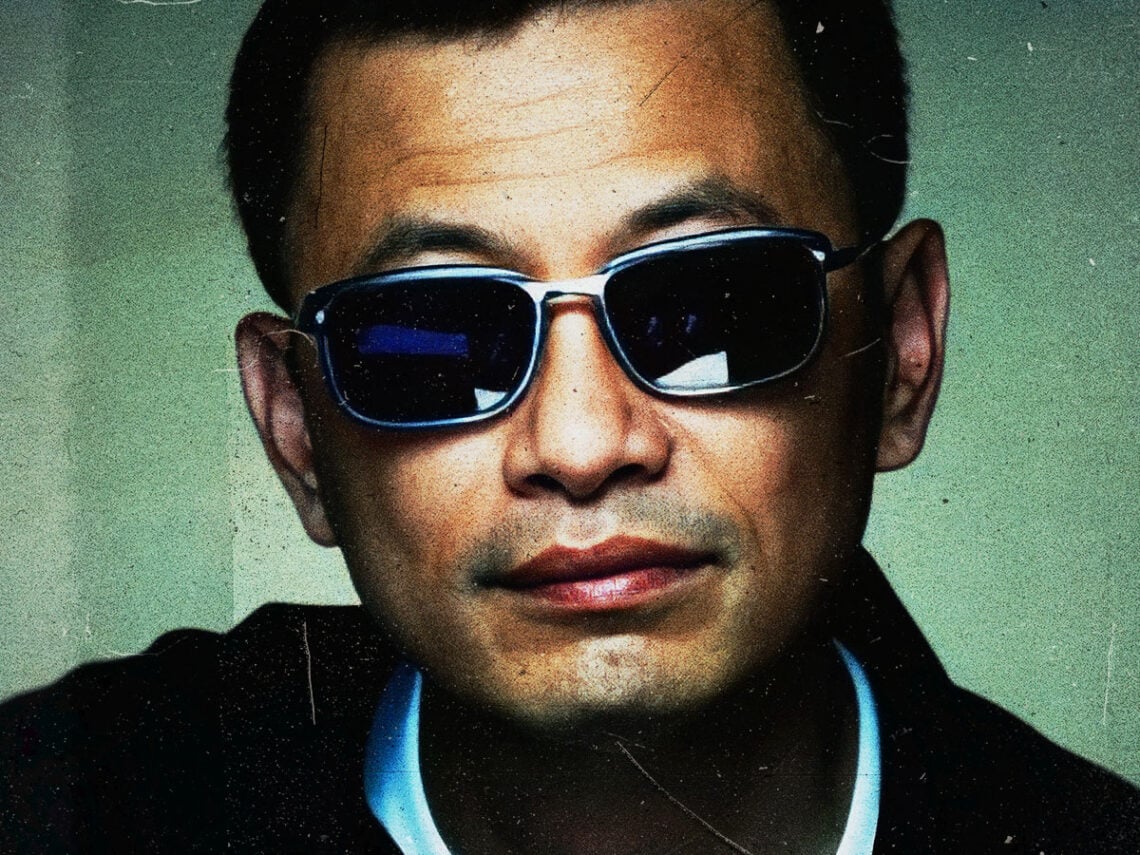
Wong Kar-wai names his favourite Hollywood directors

The 1990s saw a new young crop of filmmakers emerge who made a significant impact on modern cinema. Quentin Tarantino was causing waves with his stylistic yet violent debut, Reservoir Dogs, New Queer Cinema was booming, Sofia Coppola was carving out a space for young girls to be taken seriously, and Harmony Korine was making audiences squirm. Wong Kar-wai also rose to prominence during this period, finding success in both Hong Kong and many other countries, such as the United States.
His first film, As Tears Go By, was released in 1988, but it was Chungking Express, which came six years later, that really put him on the map. Divided into several sections with different stories, the romantic comedy stars Takeshi Kaneshiro, Tony Leung Chiu-wai, Faye Wong, and Brigitte Lin. It’s stylish, humorous and heartfelt, and as a result, it quickly attracted praise.
He followed the film with Fallen Angels, which is a companion piece to his latter movie. Wong’s dreamy, otherworldly style is on full display here, with green-saturated hues illuminating the nighttime settings and cameras filming the characters from unusually intrusive front-facing angles.
While Wong is best known for the gorgeous romantic drama In the Mood For Love, which came out in 2000, the filmmaker seems to be attracted to tales of crime, too. While most of his popular films revolve around romance, many are undercut with scenes of violence, such as in Happy Together and Fallen Angels. It’s no surprise then, that Wong cites three contemporary filmmakers who often use violence as some of his favourite modern directors.
When talking to The Playlist, Wong said, “Christopher Nolan, Martin Scorsese, of course, and Quentin Tarantino are great filmmakers.” Each have been working relentlessly since they emerged, with Scorsese beginning in the ‘60s while Nolan and Tarantino made their debuts in the ‘90s.
Not only does Wong admire Tarantino, but the filmmaker also helped to distribute Chungking Express in the United States, subsequently helping him to become popular internationally.
When asked why he likes each filmmaker, Wong replied, “I think each of them has their own world, it’s like they are seeing things from a very specific angle, which gives you something fascinating.” Indeed, each filmmaker manages to craft a distinctive world that their movies inhabit, with Tarantino perhaps doing this the most obviously. You can tell when Tarantino has made a movie – even when those who take clear inspiration try to emulate his style, you can always recognise when it’s not the real deal.
He is known for using specific camera techniques, such as extreme close-ups and using witty, seemingly irrelevant dialogue to make his characters feel both larger-than-life and realistic. It’s these skills that make Tarantino such a beloved filmmaker.
Similarly, Wong always manages to create cinematic worlds that feel distinctively ‘Wong Kar-wai’. With his sumptuous use of colour and heightened attention to the overall atmosphere of the film, it’s not hard to spot one of his films, even from just a short clip.
As for Scorsese, Wong has previously shared a conversation about his film The Grandmaster with the veteran filmmaker. He noted that one of Scorsese’s films proved to be a significant source of inspiration. Wong shared, “It was a very hard process to do the action for this film and, in fact, when we were doing the choreography sequence, I always look at your sequence in Raging Bull with my Director of Photography because I think that it’s one of the best action scenes made in the history of cinema.”

Never Miss A Take
The Far Out Quentin Tarantino Newsletter
All the latest Quentin Tarantino content from the independent voice of culture.
Straight to your inbox.