


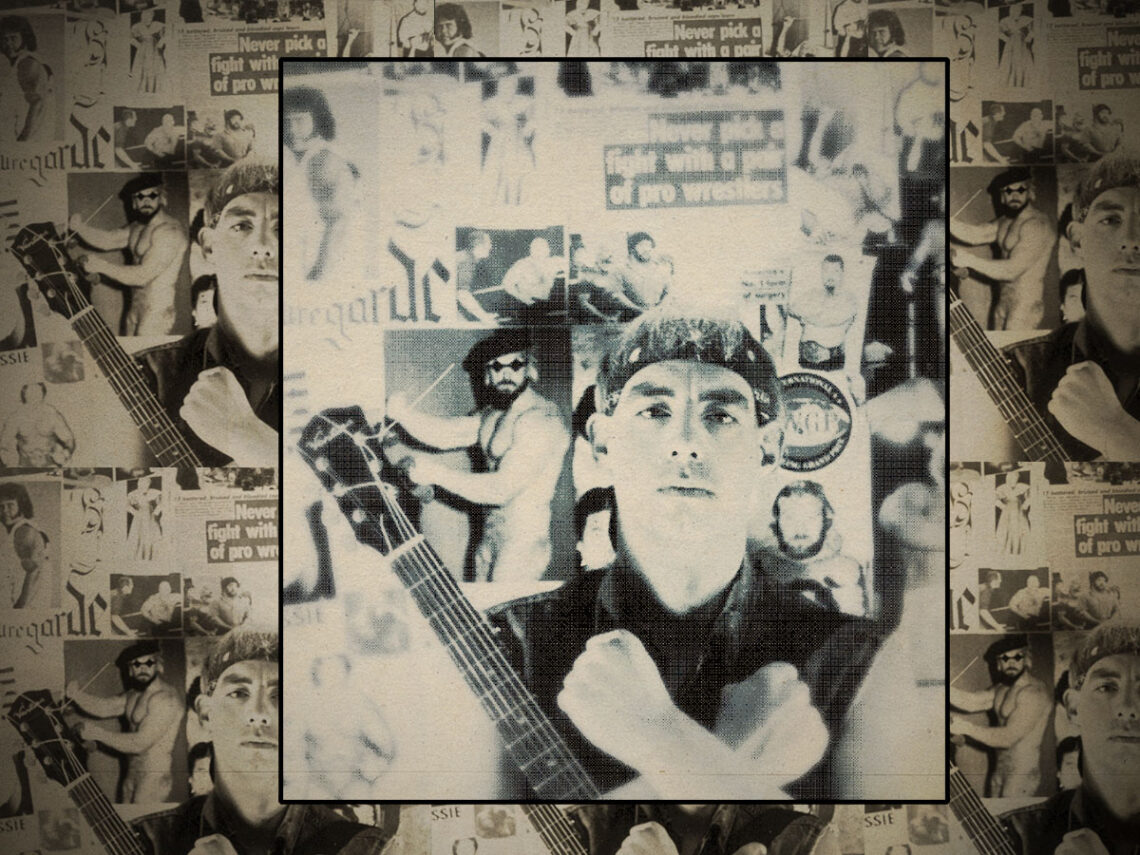
Wipers and wrestlers: when Greg Sage played with an NWA star

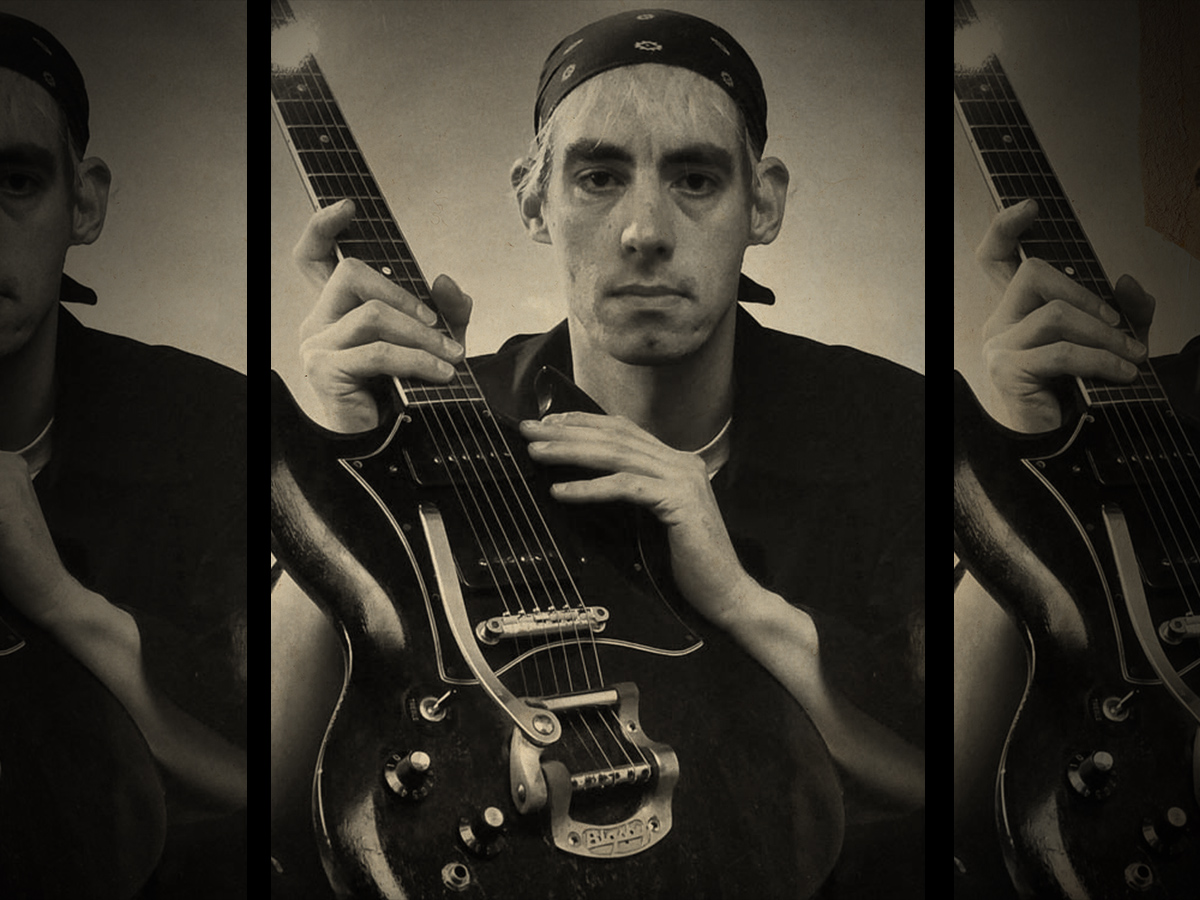
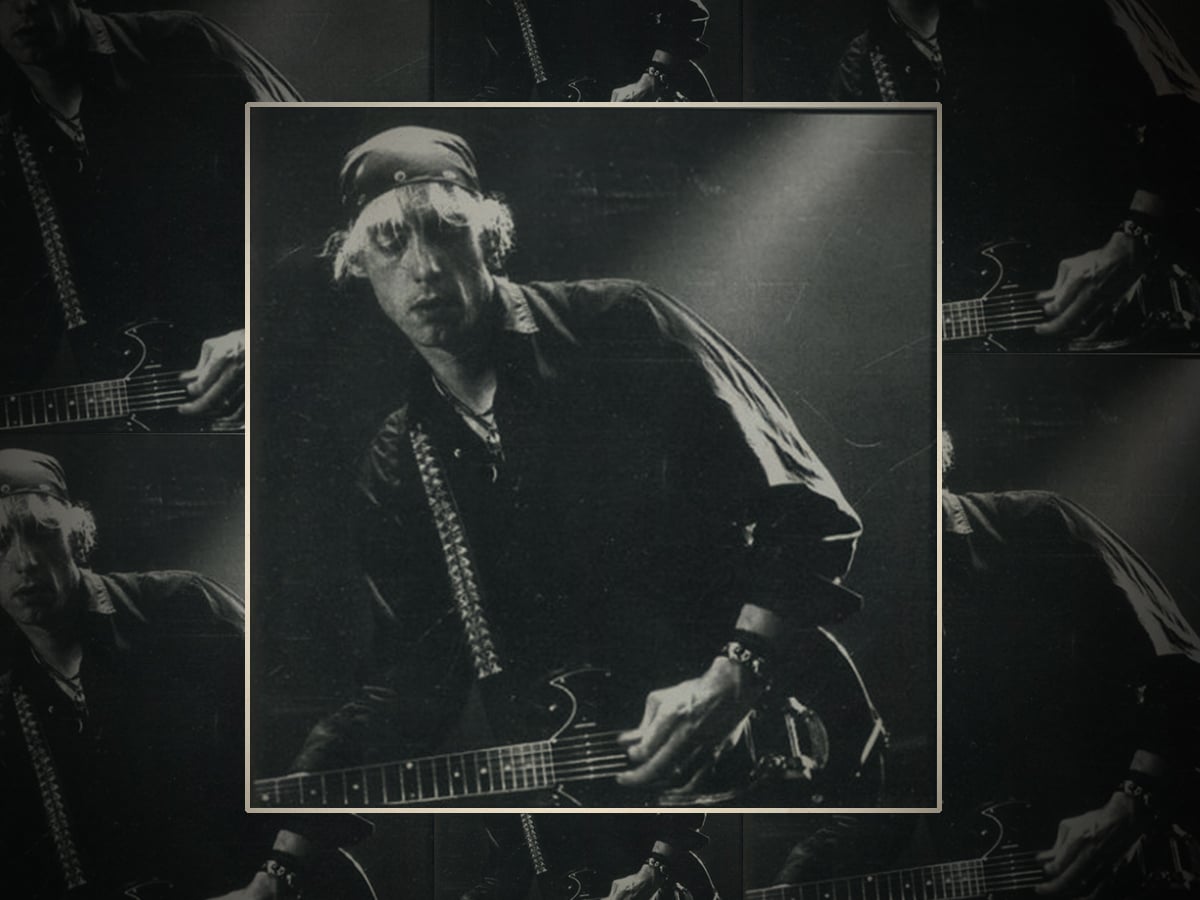
Greg Sage was one of the key figures in the Pacific Northwest punk scene.
While never embracing the label in earnest, his Wipers band, formed in 1977, would cut a distinct mark in Portland, Oregon’s small but vital punk underground, wrapping his lyrical vignettes of empty alienation and confused angst with a deft, jangle guitar attack that flaunted a proficiency at odds with punk’s embrace of amateurish, DIY urgency.
Several years his peers’ senior, Sage landed in the punk wave as a seasoned musician attracted to the movement’s combativeness while still venerating studied technique, citing Jimi Hendrix as a key influence and old enough to have been taking notes as a high school kid.
While making little impact at the time, Wipers’ first three albums, Is This Real?, Youth of America and Over the Edge would set the Seattle music scene alight, with future members of Green River and Mudhoney eagerly catching Wipers live in 1984. A few years later, a new generation would be turned on to Sage’s sullen songcraft with Nirvana’s covers of ‘Return of the Rat’ and ‘D-7’, memorably including the three said Wipers LPs on his famed ‘Top 50 Albums’ diary entry.
Long before Wipers’ founding or even punk’s seismic arrival, Sage had already enjoyed a session credit on a little-known blues-rock record from a local celebrity wrestler. Already familiar to the teenage Sage, having encountered the eccentric showman while keenly watching Portland Wrestling on Saturday nights, ‘The Sensation of the Nation’ Beauregarde encountered Sage filling in the guitarist’s absence for a friend’s band. Impressed, Beauregarde strode over and requested his contributions to an album he was working on. Amazed, the young Sage eagerly said yes.
Born in Ohio in 1936, Larry A Pitchford would enter the world of wrestling largely as a draft-dodging measure. Heading to the University of Hawaii on a wrestling scholarship, Pitchford was spotted by fellow wrestler Neff Mivia and offered a spot on his planned Philippines series of shows he was promoting, which led to his adopting the moniker Eric the Golden Boy. The Philippines gig ran out of money and steam pretty quickly, but his enduring alter-ego was forged during his brief spell in the Southeast Asian republic.
Paired up with Roy ‘Ripper’ Collins under the guise of The Southern Rebel, a flash of minor wrestling theatre cemented his mononymous and enigmatic nickname. “He used to pass out this Confederate money, little fake Confederate money, and it was signed by General Beauregarde,” Pitchford revealed in The Pro Wrestling Hall of Fame: The Heels. “Ripper looked at it and he said, ‘Beauregarde, that’s a good name’. I said, ‘Aw, that’s a f***** name’. He said, ‘Now wait a minute, listen to me. One name stays better with you than two names—Liberace, Donovan, Fabian’.”
After further cutting his teeth and receiving stitches in Hawaii, Portland was where Beauregarde’s fame seriously took off. By the 1960s’ close, Beauregarde was one of the biggest names of the National Wrestling Alliance—the governing body now owned by The Smashing Pumpkins frontman Billy Corgan—having won the Pacific Northwest Tag Team Championship twice. His popularity was amplified by his flamboyant and gregarious showmanship. TV was his perfect foil, routinely claiming to have been related to all manner of history’s heroes and villains, each week dressed as anybody from Cleopatra, the Pope, Al Capone, and even a caveman.
It’s these colourful TV spots Sage caught back as a teenager growing up in Oregon: “My introduction to Beauregarde and pro-wrestling came one Saturday night while flipping through the local Portland TV channels in late 1969, and here was this guy in a pirate costume spewing some of the most brilliant insults to some unknown opponent. This was my first wrestling experience and still the most memorable… He was a comic genius that no one has yet come close to matching.”
A wrestling standard now but unusual for the time, Beauregarde would arrive in the ring to music. Conceived for his animated entrance in mind, ‘Testify’ was written and cut by Beauregarde himself, even shooting a promo video featuring his driving through the city on a gargantuan three-wheeled chopper interspersed with his wrestling action. Buoyed by the regional success of his foray into professional music, ‘Testify’ reportedly outsold Neil Diamond’s Billboard Hot 100 topper ‘Cracklin’ Rose’ in the Portland, Oregon, record stores; Beauregarde eagerly sought to cut a full-length debut LP.
Early in 1970, Sage and early Wipers bassist, Dave Koupal, were shepherded to the studio under Beauregarde’s mighty wing and cut the entire album in an afternoon. The sessions went smoothly enough, except for a clash with the engineer when an earnest Sage had made a suggestion regarding his amp mic. “…he grabbed me by the collar and dragged me to his office to show me his framed certificates, and basically told me that I did not know what I was talking about and he did. Beauregarde came in and politely said, ‘You don’t need to put your hands on my friend, you can deal with me’. Beau said, ‘Greg knows what I want’.”
Allegedly, the irate engineer announced a break. Upon return, somebody else was in his place. “This was the only time I ever saw Beau get upset with anyone,” Sage recalled. “He was the most mellow and friendly person you would ever meet. The contrast between Beauregarde the wrestler and Beau the person was a testament to his brilliance and uniqueness as a performer and actor.”
Released the following year on local label F-Empire, Beauregarde delivers a more than respectable dive into blues rock and dashes of psych-garage, all held together by Beauregarde’s radiating confidence and Sage’s guitar virtuosity. ‘Testify’ is featured and naturally grabs attention with its testosterone-fuelled organ swagger, but ‘I’m Talkin’ Time’s’ Louisiana R&B steals the show, featuring spooky cackling laughter and cavernous horror production. Countering the record’s camp is ‘Super Star Super Star’, a sincerely transportive and moving blues piece lamenting the young lives lost to rock hedonism. Beauregarde made up for his unrefined singing style with sheer emotional gravitas and a trusted sense that he was touched by the tragic demise of Hendrix, Janis Joplin and Jim Morrison, whom he lyrically honoured.
As the 1970s rolled along, Sage would form Wipers and make his mark on punk, and Beauregarde would start winding down the whole wrestling gig. The new generation of wrestlers was getting bigger and more sophisticated, for the 5’9” man facing off against the likes of Ernie Ladd, touching seven feet and convincing nobody, least of all himself.
Moving to Florida and wrestling with old-timer Eddie Graham several times a week around a construction day job, Beauregarde would later help with the promotional activities of the Championship Wrestling from Florida HQ with Graham as its owner. Moving from the wrestling business to the drywall and sheet rock trade, before retiring and spending the twilight of his life in an apartment by the ocean, he would pass away in a Pennsylvania nursing home in 2024.
Sage never forgot Beauregarde and his impact on his musical ambitions, as well as general fandom for the Portland wrestling legend. Having founded the independent Zeno Records in the early 1980s, mainly to issue Wipers’ releases, Beauregarde was remastered and made available on the online store as a CDR. The wrestler received the occasional royalty but was never too concerned with the profit motive.
“Every now and then, he [Sage] will send me a few dollars,” Beauregarde told the Ring Around The Northwest newsletter. “It is not that much. I just like the recognition. I was the first rock and roll wrestler. Everything with wrestling now is rock and roll. I wrote all my own music and arranged it.”
While not strictly true, Maple Leaf Wrestling star Frank Townsend dropping ‘If You Believe’ in 1957, supported by the love song or possible finishing move B-side ‘Baby, I’ve Got a Crush on You’, Beauregarde certainly anticipated rock’s swift immersion in the world of the now dominant World Wrestling Entertainment behemoth.
More than just a slice of Wipers lore, however, Beauregarde’s 1971 LP effort with Sage stands on its own as a perfectly respectable blues-rock effort that’s charged with soul and integrity—a record that no other wrestler with musical fancies will likely ever get close to pulling off.

Never Miss A Beat
The Far Out Punk Newsletter
All the latest Punk content from the independent voice of culture.
Straight to your inbox.