


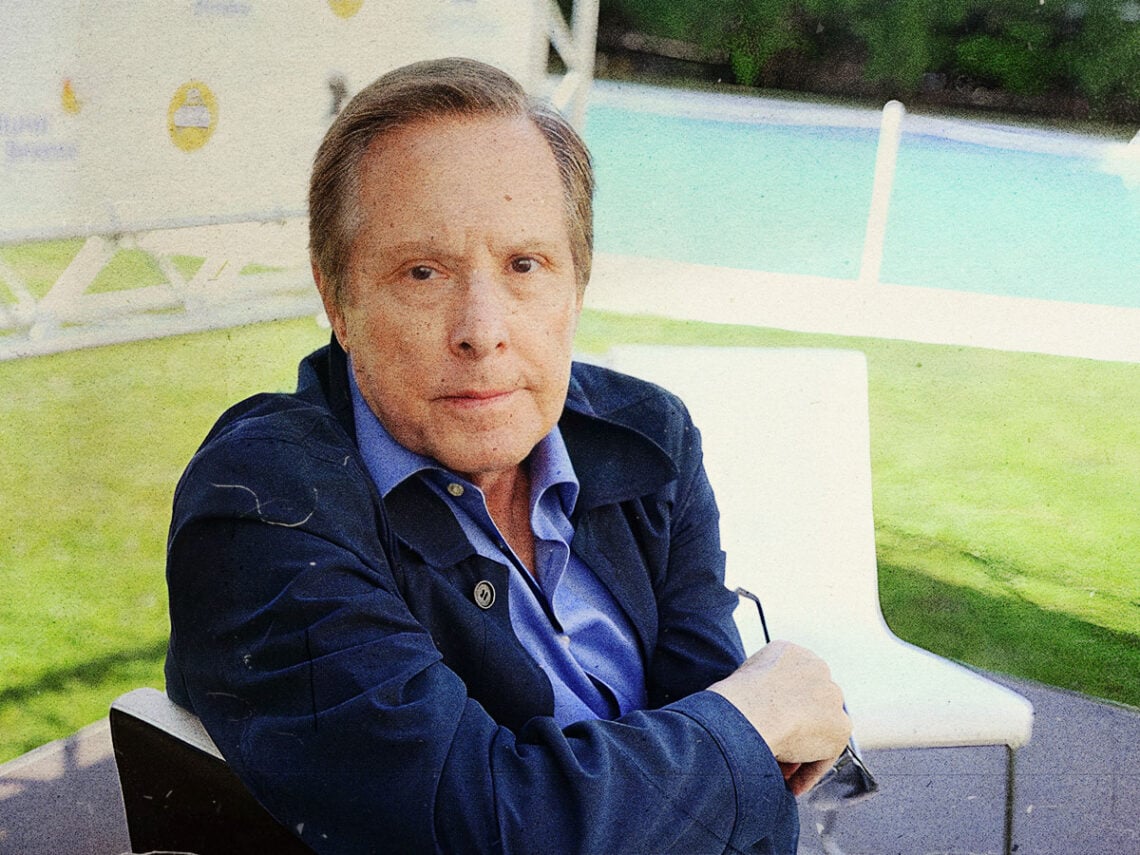
William Friedkin names the movie that changed his life: “My only education”

Many generation and era-defining filmmakers burst onto the scene with unmistakable promise to make it clear from the outset they were destined for big things, but with all the respect in the world, William Friedkin wasn’t one of them.
The director got his start in documentaries, helming death row story The People vs Paul Crump and the American football tale Mayhem on a Sunday Afternoon before he’d even made his narrative debut, which came on an episode of anthology series Alfred Hitchcock Presents.
When he finally took the plunge and helmed a movie, he was less than impressed with his own results. The western comedy Good Times, which starred Sony and Cher, failed to recoup its modest budget at the box office and was decried as “unwatchable” by Friedkin, who was already into his 30s by the time it hit cinemas.
It was a slow-burning climb up the ladder, which retrospectively made sense considering Friedkin was less than a decade removed from watching the film that changed everything for the first time. Countless directors have been exposed to transformative pictures at a very early age that would go on to inspire their entire careers, but the future Academy Award winner was 25 by the time he got around to catching Citizen Kane.
“It changed my life,” Friedkin admitted to Roger Ebert. “It made me understand that film was an art form and a unique way of storytelling that I had never considered. I started to go regularly to the city’s other arthouse and revival theatres. That would have been my only education in film. I was anxious to do something without knowing what the hell it was.”
Friedkin had been enthralled and mesmerised by Welles’ legendary calling card—which coincidentally was released when the wunderkind actor, writer, director, and producer was 25 himself—and he knew from that moment forward he wanted to pursue a career in cinema despite his knowledge of its intricacies being rudimentary at best.
Practice makes perfect, though, with Friedkin’s fifth feature, The French Connection, establishing him as one of the most important auteurs of the 1970s. The crime thriller won five Oscars including, ‘Best Picture’ and ‘Best Director’, which helped put him on the map and at the forefront of the ‘New Hollywood’ movement, and he capitalised in spectacular style when he followed it up with The Exorcist.
The highest-grossing R-rated film in history, the first horror to be shortlisted for ‘Best Picture’, and a second ‘Best Director’ nod anointed Friedkin a made man, none of which would have happened had he not had his eyes opened and mind widened by Citizen Kane. Then again, maybe if he’d gotten around to seeing it before the age of 25, he may have gotten there sooner.
