


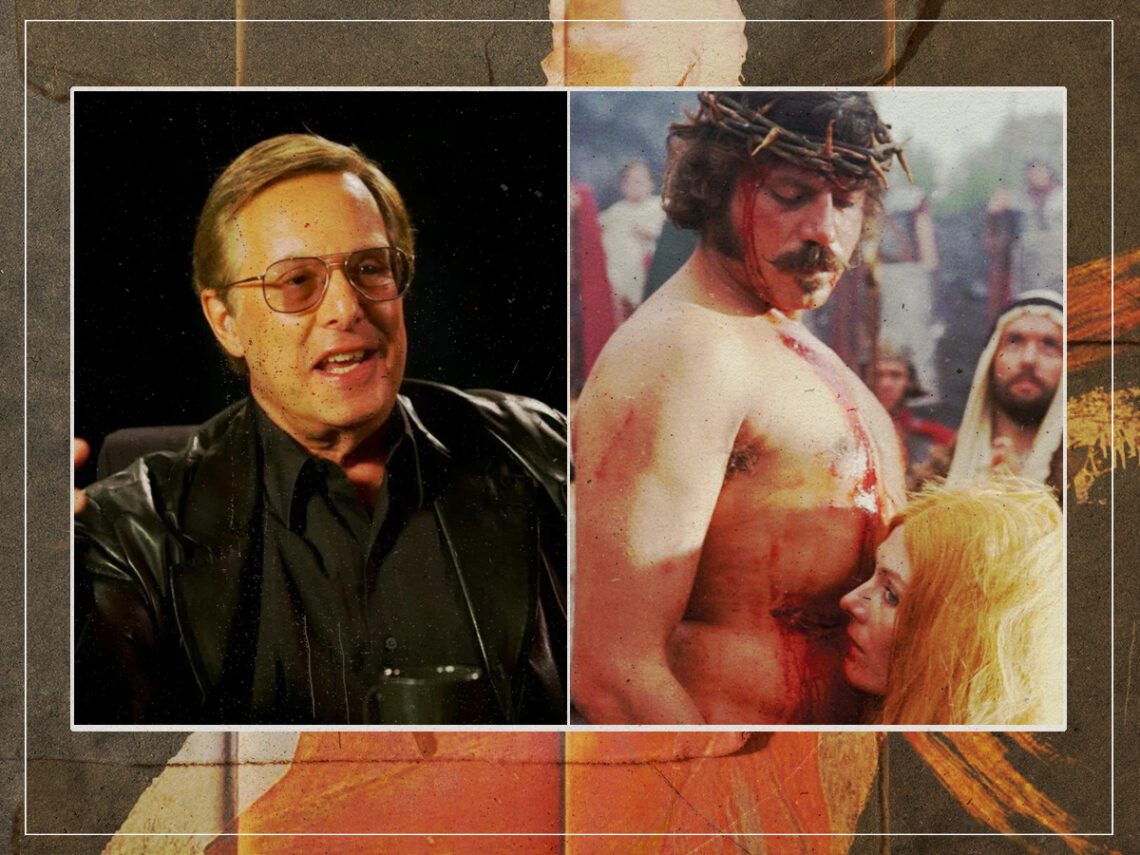
William Friedkin explains why Ken Russell’s ‘The Devils’ was torn to shreds

Demonic cinema was all the rage in the 1970s, but William Friedkin got a much better end of the bargain than Ken Russell, despite their equally acclaimed movies on very similar subjects released just two years apart.
Russell’s The Devils may have won awards and become a minor success at the box office after earning $11million, but there was plenty of controversy along the way. Original backers United Artists dropped out of funding the production after reading the shooting script, but Warner Bros was at least bold enough to step in and foot the bill.
The Devils stars Oliver Reed as an unorthodox priest who carries views on sex and religion that go against the grain of the church, influencing a cabal of nuns along the way. Dealing with themes of sexuality, repression, and corruption, it was hit with a dreaded X-rating in both the United Kingdom and the United States, even being banned outright in several countries.
It was publicly condemned by the Vatican, too, who were far from being the only organisation to find themselves up in arms over its graphic, salacious, and blasphemous content. The Devils did find an audience who appreciated it eventually, but at the time of its 1971 release the backlash was swift and vociferous.
Fast forward two years, though, and the landscape had shifted significantly. Friedkin’s The Exorcist carried several shades of The Devils through it theological and spiritual undertones, although it was embraced to an extent that Russell wouldn’t have ever dared even dream of.
Becoming the highest-grossing R-rated film in history, The Exorcist earned ten Academy Award nominations, including ‘Best Picture’ and ‘Best Director’, won two for its screenplay and sound, becoming a cultural sensation that cast a massive shadow over mainstream horror for decades to come.
The films weren’t too dissimilar from each other, but Friedkin had an idea as to why he’d thrived where Russell had failed. “It’s probably the way they were handled,” he said to Richard Crouse. “The Exorcist, in spite of its notoriety, was perceived to be a realistic presentation of real people in a supernatural background. But it was also a popular novel before it was a film, and people came to it knowing what to expect.”
The Exorcist was undoubtedly controversial in its own way, but Friedkin also pointed to the relaxing attitudes of the people in charge as another factor. “The main difference is the ratings board,” he offered. “The ratings board had changed and become more liberal from the time of The Devils to the time of The Exorcist.”
For his money, Russell’s flick was “over the top and excessive” compared to his more solemn, sombre chamber piece, which are both classics in their own right despite suffering vastly opposing fortunes among critics, paying customers, and awards bodies.
