



Why were prog-rock songs always so long?

Since it first blossomed in the late 1960s, prog-rock has been one of the most divisive genres in all of music. The tag is somewhat of an umbrella term that, depending on the beholder, can incorporate The Beatles because of their work on Sgt. Pepper’s Lonely Hearts Club Band, as well as metal legends Dream Theater.
However, when talking about prog-rock, it usually centres around the British wave that was borne out of the psychedelic rock movement in the late 1960s, with the usual suspects being Genesis, Yes, King Crimson, Jethro Tull, ELP and tentatively, Pink Floyd. This scene is not all British, though, with the likes of Todd Rundgren also playing a part in its development.
The story surrounding this set of groups is one you’ve probably heard before. They were inspired by the expansive blueprint established by Sgt. Pepper and the loose-knit but incredibly impactful Canterbury scene. Elsewhere, prog-rock also heavily drew on acid jazz and classical music to create a form of rock that was both majestic and intensely cerebral. In short, this was rock music embracing high culture, embodied by Yes’s Jon Anderson labelling it “a higher art form”.
That fusion of styles didn’t just expand the sonic palette of rock music, it also redefined what audiences expected from it. No longer confined to simple structures or predictable hooks, prog encouraged listeners to engage more actively, rewarding patience and attention with moments of musical complexity and surprise that conventional formats rarely allowed.
At the same time, this ambition created a natural divide. For some, the genre represented the pinnacle of artistic progression, a space where musicians could fully explore their capabilities. For others, it felt like rock losing its immediacy and emotional punch, trading instinct for indulgence. That tension between accessibility and experimentation would come to define prog’s reputation just as much as the music itself.

Investigating the genre for The New Yorker back in 2017, Kelefa Sanneh offered an interpretation of what the genre is about: “In April, 1971, Rolling Stone reviewed the début album by a band with a name better suited to a law firm: Emerson, Lake & Palmer. The reviewer liked what he heard, although he couldn’t quite define it. ‘I suppose that your local newspaper might call it ‘jazz-influenced classical-rock”.
I’d argue that Sanneh’s account is the most succinct definition of prog-rock out there. This “jazz-influenced classical-rock” tied a set of similar groups together, creating a scene and giving fans and detractors a paradigm to understand. However, the genre’s story does not end there.
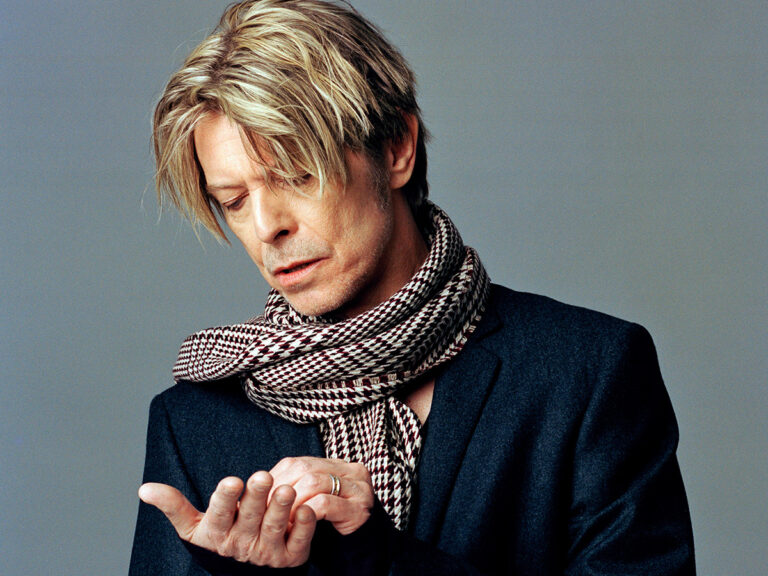
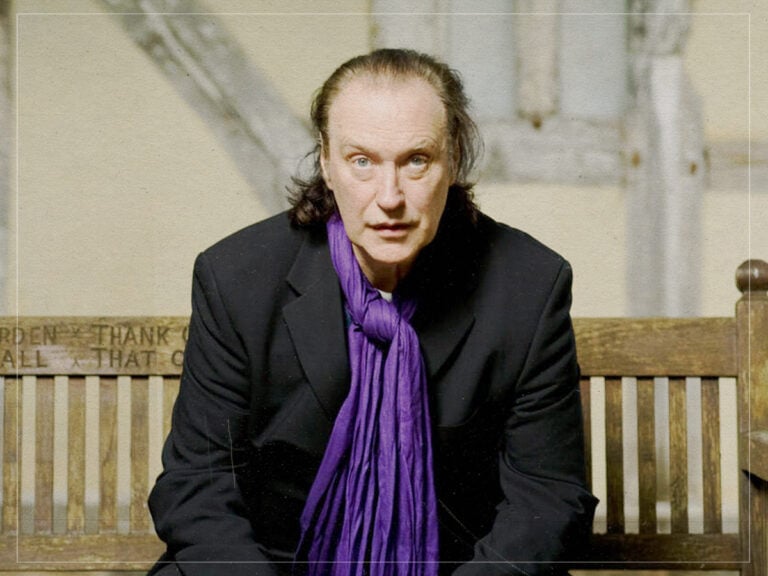

For a brief while, prog-rock became a pompous parody of itself, which led to it being derided by many and eventually being sent to the guillotine by the first wave of punk in the late 1970s. The overuse of the synthesiser, glitter, and capes became the grotesque symbols of the genre, and the refreshing essence it might have initially faded into downright anger at these middle-class warlocks’ refusal of self-awareness.
Other key hallmarks of the genre were shifting dynamics, lyrics steeped in fantasy and, most notably and polarising of all, that prog songs were so extensive, often broken into suites, that they have the power to either bore or scintillate, depending on the listener. The extended piece, in all its different forms, is arguably the most defining feature of prog, with it still alive and well today in the works of bands such as Dream Theater and Queensrÿche.
But why is it such a vital element of the genre? It boils down to one thing; prog is inherently technical. Every act regarded as the most important in the genre wanted to expand music past the stifling, three-minute realm of pop music and create something of the same majestic quality as the classical and jazz that inspired them.
The extended song was not only a means of denying popular music but also a way of exploring more “intellectual” themes than ever before. Conveniently, it also gave them room to show off their technical skill, which was clearly much superior to everyone else’s.
To get a taste of what it was about, check out Yes live in 1977 below. It is the most prog thing you’re likely ever to see.
