


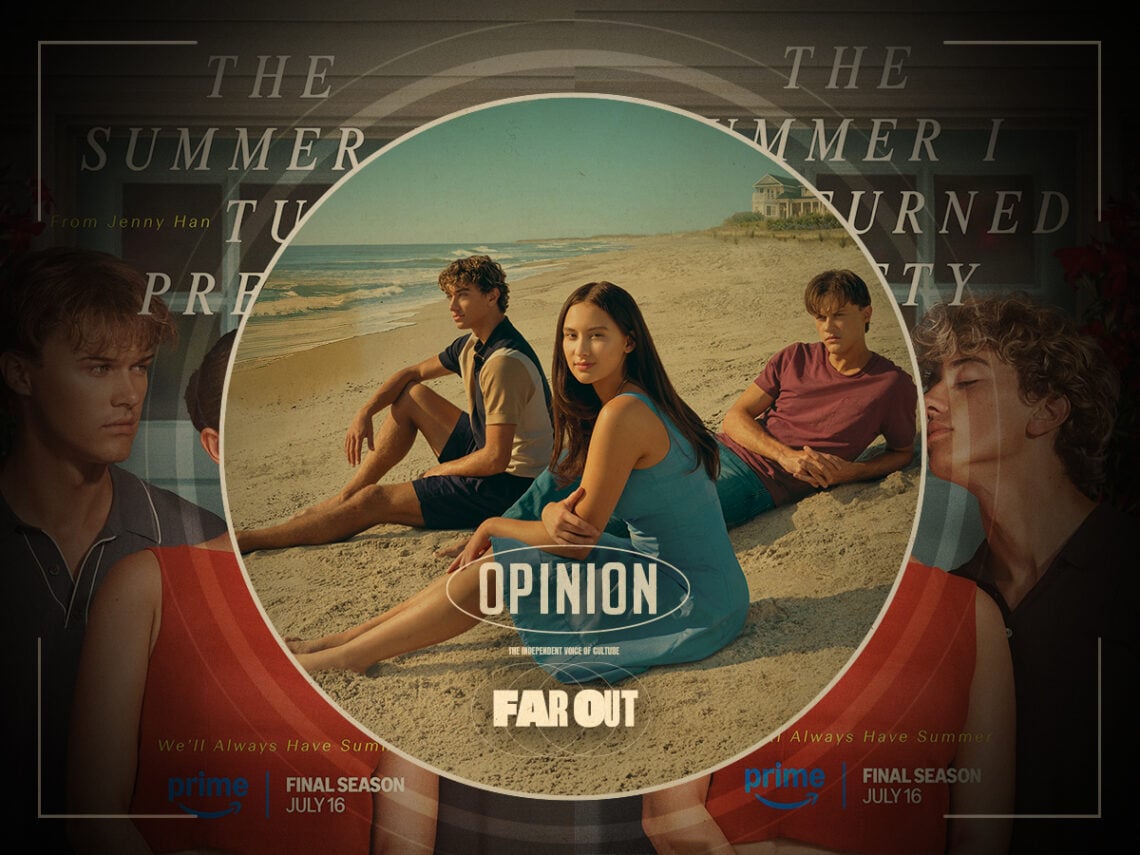
We don’t need a ‘The Summer I Turned Pretty’ movie

This keeps happening. A hyped, unique, and yet perfectly self-contained series takes to the big screen for one last hurrah. An ending flourish in the form of a cinema release, a special stand-alone movie, a fictitious film finale. Internet craze and Amazon Prime success story, The Summer I Turned Pretty, is only the next in a growing line of series that pivot, last minute, into a money-grabbing theatrical debut.
In some cases, the grandeur of a particular series might finally have its heyday on the big screen. Take Downton Abbey, a series that ran for over 15 years, whose third and final film spin-off is currently in cinemas. We might forget that the biggest news story that came out of this movie feature was that series favourite Matthew Goode was not included in the picture. We might take note of the curious comments made by season creator Julian Fellowes, who shared that Goode decided “once he’d done the series, I think he felt he’d done the job.” We might note the disappointing international box office numbers.
In some cases, a movie affords a series the privilege of finality it might not otherwise have experienced if it were to continue in its first form. Take the Netflix craze Heartstopper, which will end in a singular movie due to Kit Connor’s admission that he can’t commit to the filming demands of another series. Without Connor’s British charm and cherubic face, the series has no chance.
We might shrug, pay the tenner to watch familiar TV characters renewed with that all-American movie gleam, happy to have the door close behind us.
So what about The Summer I Turned Pretty?
Based on three young adult romance novels written by Jenny Han, The Summer I Turned Pretty has taken the world by storm. The final season drew 25million global viewers in its first week. Lead actor Lola Tung has since released a plea to fans to sever their parasocial connections to the actors, decrying, “Please don’t threaten to kill someone if something doesn’t go your way – I promise you, it’s not that serious.” Most marketing teams have released their own quirky take on Team Conrad or Team Jeremiah, so humongous was the online response to the final season.
Like many other 20-somethings pining after the nostalgic rush of teen romance, I fell into the jaws of the unassuming show. There was something familiar, between an eye-roll or two, about the ridiculous mundanities blown to end-of-the-world proportions in the show. I even took to rewatching most of the last season with a friend on a trip to New York, rather than exploring the sights and smells Brooklyn had to offer.
But when I finished the final episode and was immediately met with headlines “The Summer I Turned Pretty movie green-lit by Amazon,” I felt that a last-ditch attempt at greatness had once again ruined a beautiful thing. Not everything can have the impact that Twilight once had, and it’s high time we all admit that.
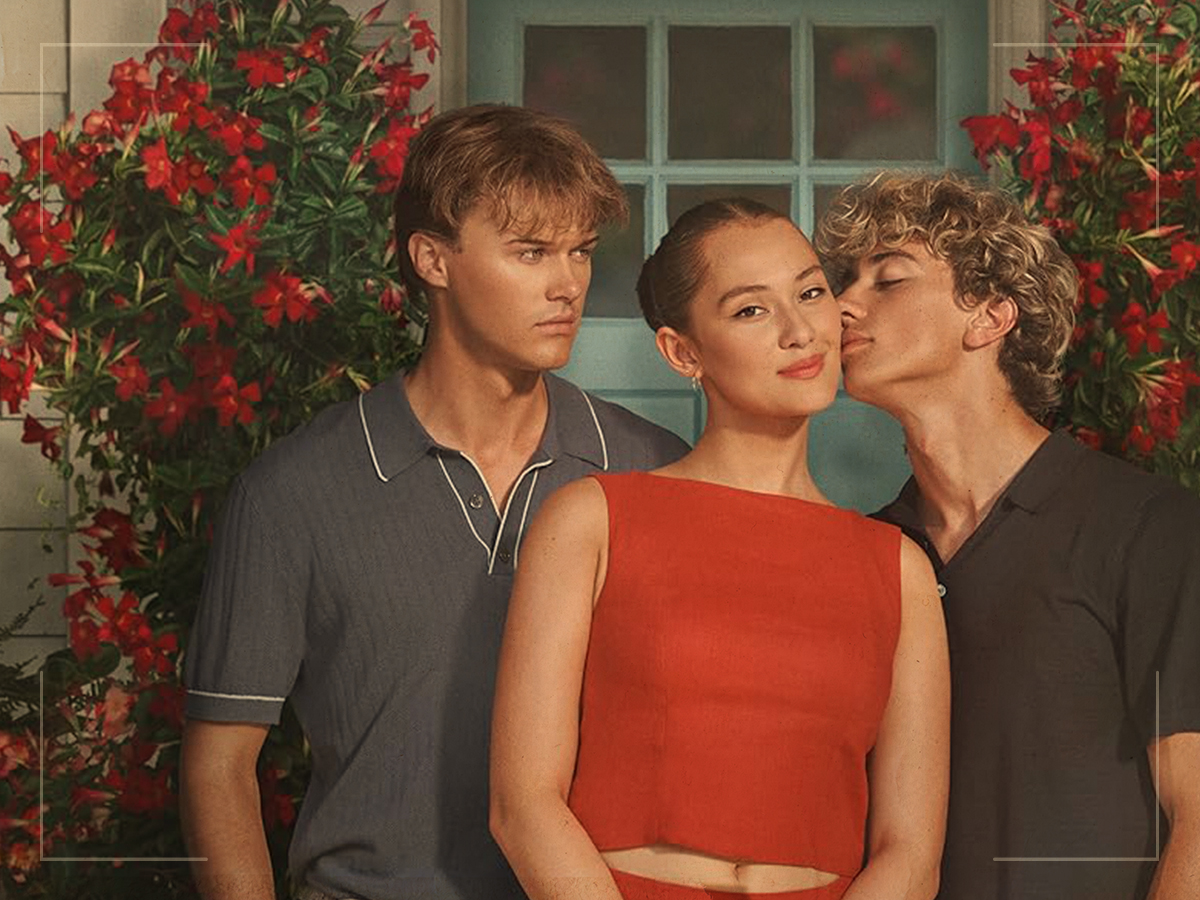
Why is a movie such a bad idea?
Halt here for spoilers. The final episode was a near-perfect amalgamation of the hot tension at the heart of Han’s beloved tale. The pacing, the guesswork, the red-rimmed eyes, the outrageous confessions, the public displays of affection, the cobbled streets of Paris, the phallic symbol of the Eiffel Tower, the natural end-stop of poetic relationships, the Taylor Swift soundtrack. While previous episodes took a nose-dive in their offering, the season finale resolved every point of conflict, smoothing the waters of star-crossed love until we saw ourselves smiling back in that crystal blue. We laughed, we sighed, we cried.
We even saw the couple, a year on, driving through Cousins in all their heteronormative glow, returning to a big house that it is likely they will inherit. An emblem for their perfect all-American future, tied in a perfect bow. A drone shot pulls out, making light of the Confederate flags on the house next door, and the viewer is afforded a near-perfect end. Roll credits.
The viewer might wipe a dramatic tear from their left cheek and flick from Prime over to social media, to learn, there in bed with that soft Phoebe Bridgers song still playing on a loop, that there is such a thing as gluttony, such a thing as overkill.
The nature of a series is that you, too, can grow alongside it. Tung’s Belly and Chris Briney’s Conrad Fisher had a love that lasted a lifetime, reflected in the very form it was presented within. The reason fans welcomed the sepia-washed, slightly cringe-worthy throwbacks to the childhood romance is that we could feel the tug of time run with us. For over three years, fans were hooked. A standalone movie cannot evolve. There is no romanticism in its lack of outward relationality. You can’t dip in and out of a series without losing a stable, flirtatious sense of continuum. Without the irksome feeling that you are missing a piece of the story, at least.
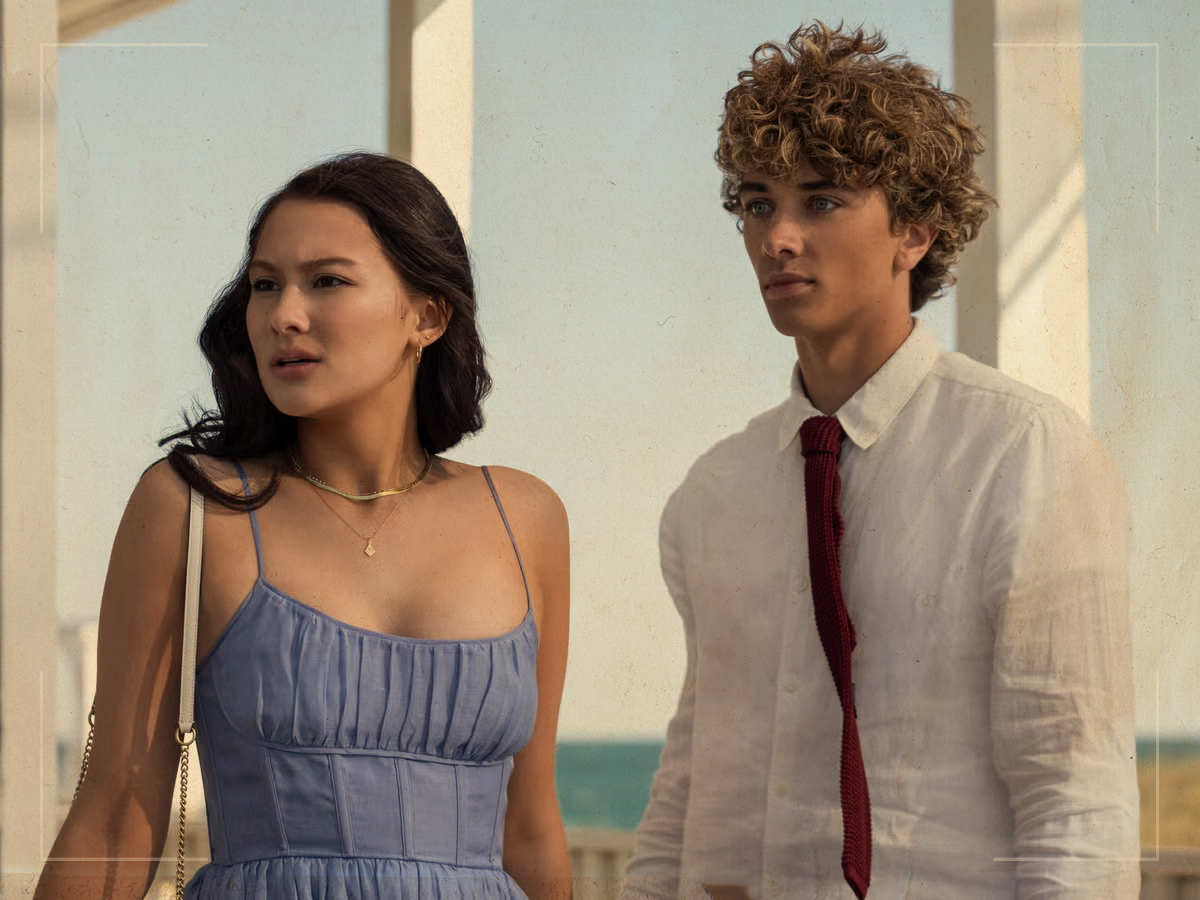
A movie, however, can always be re-watched in its entirety. The very allure of The Summer I Turned Pretty is that the central romance wanders over aeons, stretches and warps, but always returns no matter how long has passed. There can be no central conflict so graceful for these characters as the undeniable chemistry between Belly and Conrad Fisher.
“There is another big milestone left in Belly’s journey, and I thought only a movie could give it its proper due,” Han said in a statement announcing the movie. Take to the book, and we know exactly what she’s referring to here: their wedding. The worst conflict we might find in the upcoming movie is that the limousine suffers a wheel puncture on the way to the wedding, or Belly gets another haircut she hates, or, in Anna Karenina style, Conrad forgets to iron his wedding shirt.
The triviality of a shaky wedding we know will nonetheless prosper (and it does in only a few paragraphs in the book) might otherwise be complicated by other couples. Let’s consider this: Belly and Conrad are off the hook. We might let a different couple provide a central issue. One problem: the contrapuntal storylines were already running thin.
Take the last episode, where Belly and Conrad run wild around Paris, flirting under an iridescent moon, steaming up the windows in a taxi, lit by candlelight and the charm of unfamiliar tongues. Meanwhile, Jeremiah struggled with his oyster order, Taylor and Stephen had a fake fight, and Adam brought another case of the champagne from Jeremiah’s failed wedding to a dinner party. A lacklustre attempt at screen equity. Han has already proved that these two polyrhythmic stories could never compete, so why try on the big screen?
Briney’s dramatic yearning for his forever-girl is over. He’s won the battle. The love triangle is broken, the curtains are closed. Sometimes things end. The good thing? They can trundle on quietly in our imaginations as much as we like. We might all do well to remember this.
