


Why was the movie ‘Sound of Freedom’ so controversial?

Box office hits come in all shapes and sizes, but few in recent years have been as unexpected – or controversial – as co-writer and director Alejandro Monteverde’s Sound of Freedom.
From the outside looking in, it was one of independent cinema’s biggest success stories of the decade. Produced by the faith-based production company Angel Studios for less than $15 million, the thriller inspired by real-life events took on some of Hollywood’s heaviest hitters and defeated them handily.
Ending its theatrical run with almost $185 million in the coffers from the United States alone, Sound of Freedom was the tenth highest-grossing domestic release of 2023. For comparison, that put it above Harrison Ford’s Indiana Jones and the Dial of Destiny, Tom Cruise’s Mission: Impossible – Dead Reckoning, Vin Diesel’s Fast X, and even Taylor Swift’s The Eras Tour.
When the dust had settled, Sound of Freedom squeaked past a quarter of a billion dollars globally, turning a hefty profit for Angel Studios. However, it wasn’t without its controversies, one of which saw the film’s studio accused of fudging the numbers to inflate its box office takings.
Utilising a pay-it-forward scheme, Angel Studios added a message to the end of the movie urging viewers to buy an additional ticket for “someone who would not otherwise be able to see the film.” As a result, it was insinuated that the ratio of people who’d purchased tickets to Sound of Freedom compared to those who’d actually sat down in a theatre and watched it was skewed heavily towards the former.
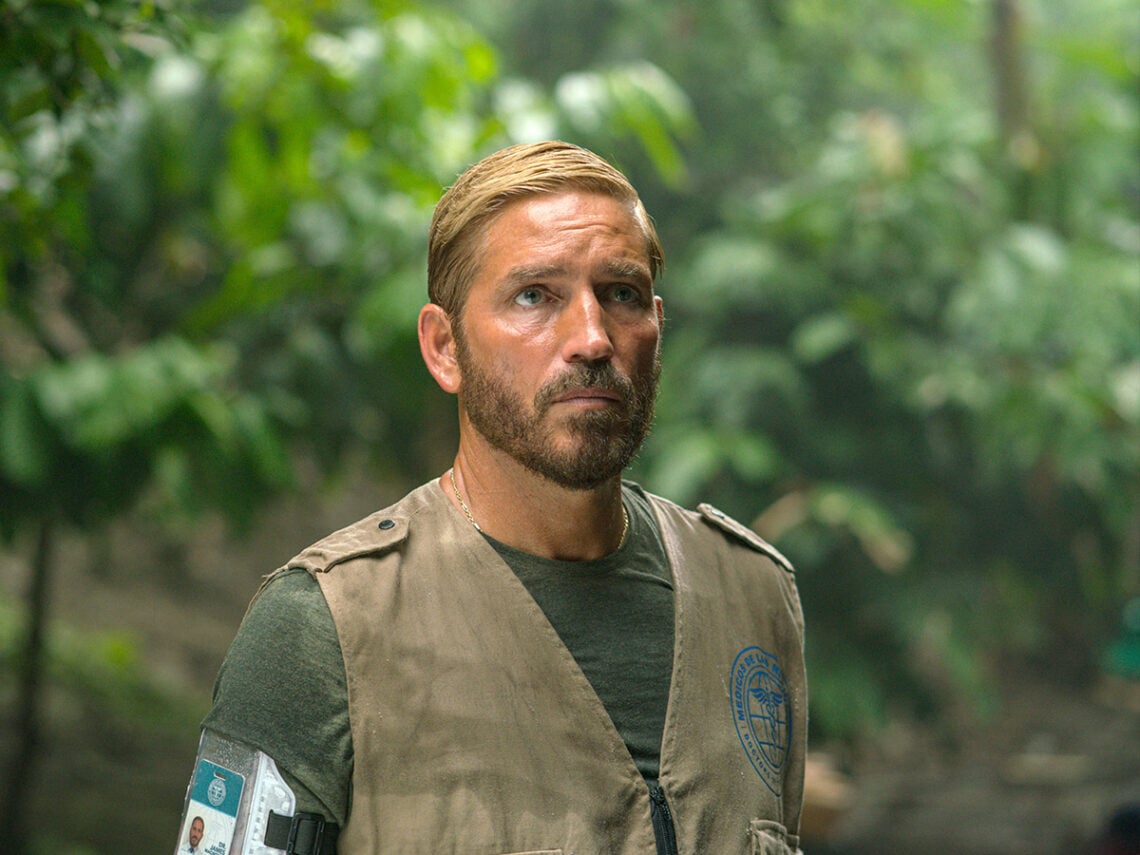
The story follows Tim Ballard, played by The Passion of the Christ‘s Jim Caviezel, who quit his job at the government’s Department of Homeland Security to found Operation Underground Railroad, an organisation that worked with the local authorities in several countries to apprehend sex traffickers.
It was purported to be inspired by genuine events, although Ballard himself admitted that some of the situations and scenarios in the film had been “overreported” for dramatic effect. Beyond that, the group has faced criticisms for not only its conduct during these trafficking raids but also accusations of exaggerating its accomplishments.
In December 2023, Ballard was removed from his position as the figurehead of Operation Underground Railroad following an investigation that determined he had “engaged in unprofessional behaviour” that went against company policies and values, while investor Fabian Marta was arrested the month after it had premiered in cinemas and charged with child kidnapping, an unsavoury irony given the subject matter, although the charges were dropped in October 2023.
Monteverde was left devastated by the controversy surrounding his feature, explaining to Variety how badly it affected him. “I was like really sick. I was like, ‘This is all wrong. That’s not true’. It was heartbreaking when I saw all this polemic and controversy going on,” he said. “My instinct was to run. I want to hide. I don’t want to give any more interviews.”
Sound of Freedom may not overtly embrace any political leanings and/or conspiracy theories, but the movie was nonetheless interpreted as endorsing the QAnon conspiracy, something Caviezel has publicly supported. That, coupled with the allegations levelled against multiple people involved with the production, makes it easy to see why the staunchly family-friendly Disney dropped the picture long before it came within an inch of the multiplex.
Why did Disney drop Sound of Freedom?
Shooting on Sound of Freedom began in the summer of 2018 and wrapped long before the end of the year, only for the finished article to spend almost five years sitting on the shelf.
Distribution deals had been made with various subsidiaries of 20th Century Fox, but when Disney completed its corporate takeover and absorbed its former rivals, Sound of Freedom was swiftly cast aside and placed into cinematic purgatory.
While the Mouse House scrapped many Fox-adjacent projects when it took over, plenty of them survived the cull and were eventually released under the rebranded 20th Century Studios banner and its associated offshoots. However, considering the subject matter and the controversy it brought, there was realistically no chance that Disney would tarnish its wholesome public-facing image with such a film.
Disney passed on the chance to distribute Sound of Freedom, and the pandemic further stymied its chances of release. It was unsuccessfully pitched to other streaming services and studios, and when that failed, the filmmakers purchased the rights themselves and partnered with Angel Studios, making a lot of money in the process.
