


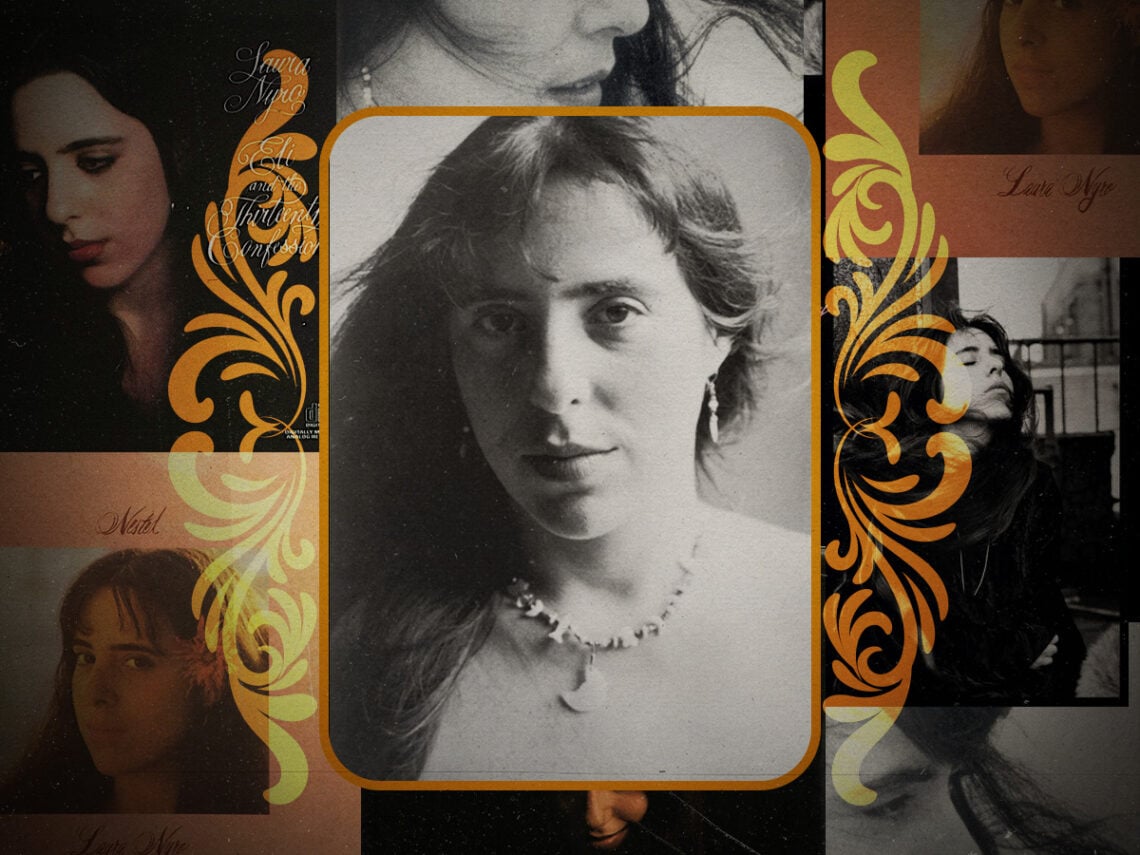
“Like nothing I’d heard before”: Why was Laura Nyro never a star?

Laura Nyro is one of those artists who deserved widespread acclaim and praise, though she never got quite the amount that was due.
The singer-songwriter influenced fellow artists from when she emerged in the late 1960s, a foundational presence among the ranks of musical greats, but her stardom would not soar in her lifetime. Her music, however, persevered amidst career highs and lows.
Nyro was born Laura Nigro (“nigh-gro”) in the Bronx, New York City, on October 18th, 1947. Of Russian Jewish, Polish Jewish and Italian-American descent, Nyro’s father, Louis, was a piano tuner and jazz trumpet player, while her mother, Gilda, was a bookkeeper.
From childhood, she showed signs of being a prodigy: she taught herself piano and composed her first song at the age of eight, while absorbing her parents’ shared record collection, travelling across soul, R&B, jazz and classical music. Nyro found her voice in high school, as she began singing with her friends and strangers alike on the streets and in the subway stations of the city.
“I would go out singing, as a teenager, to a party or out on the street, because there were harmony groups there, and that was one of the joys of my youth,” Nyro explained, quoted in the liner notes to a 1997 anthology of her work, Stoned Soul Picnic: The Best of Laura Nyro. “I mean, you could just go out and sing. If I look back now, all these years later, I must have had a spiritual, holistic feeling from all of that.”
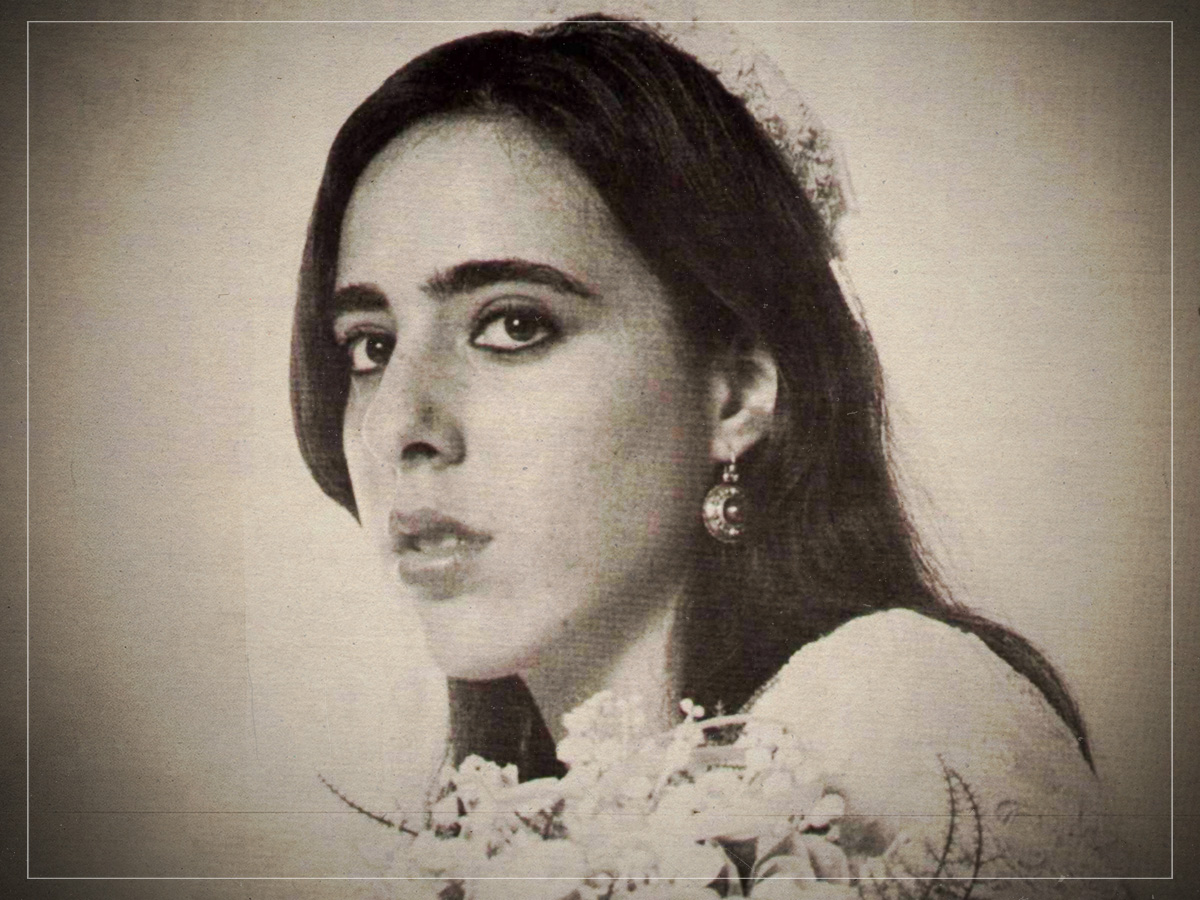
Once she graduated from Manhattan’s High School of Music & Art, she changed her surname to Nyro (“neer-oh”) and decided to forego college in favour of pursuing a music career. In 1966, from his job as a piano tuner, Nyro’s father, Louis, met Artie Mogull, the record executive responsible for signing a young Bob Dylan to his first recording contract. Insisting that Mogull meet his daughter, Laura, then being 18 years old, Mogull soon offered her a recording, management and publishing deal.
Her first album, More Than a New Discovery, debuted the following February. On this album is ‘And When I Die’, an early song of Nyro’s that she wrote when she was 17, first recorded by Peter, Paul and Mary, the year prior (it was later recorded by the jazz-rock band Blood, Sweat & Tears – a band which Nyro was, at one point, supposed to be the frontwoman of – in 1969).

Unfortunately, from the beginning, Nyro’s career would confront this pattern: having her songs gain more attention when sung by other artists, rather than recognising the talents in Nyro, alone. Most often, Nyro would be placed alongside artists that, for one reason or another, achieved commercial achievements that she was never quite afforded – at least, not in the same way.
In mid-June of 1967, Nyro would take the stage at the Monterey International Pop Festival, which saw the teenage singer situated alongside icons in the making, from The Mamas and The Papas and Jefferson Airplane to The Jimi Hendrix Experience and Janis Joplin with Big Brother and the Holding Company. In contrast, Nyro’s eclectic sound – a mix of the genres that informed her childhood knowledge of music, from jazz to soul – did not quite fit in with the hippie culture of the age. Armed with a setlist that featured some of the songs to be revealed on her sophomore album, her performance saw a mixed response. Though she conquered what would remain the biggest concert of her career, the notion that she had not done well followed her for years.
Most importantly, Nyro’s songwriting abilities prevailed above all. With a distinctly feminine passion, she wrote of topics such as sexuality, addictions and the complexities of all-consuming emotions. It was Nyro’s vision as a storyteller, undoubtedly unique, as her identity was, that sparked the attention of David Geffen, soon after her appearance at Monterey Pop. After listening to her debut album, he got in touch with the singer and began representing her, relieving Nyro from her previous contracts, having her privately audition for Clive Davis and sign to Columbia Records, and establishing a publishing company, Tuna Fish Music, with her.
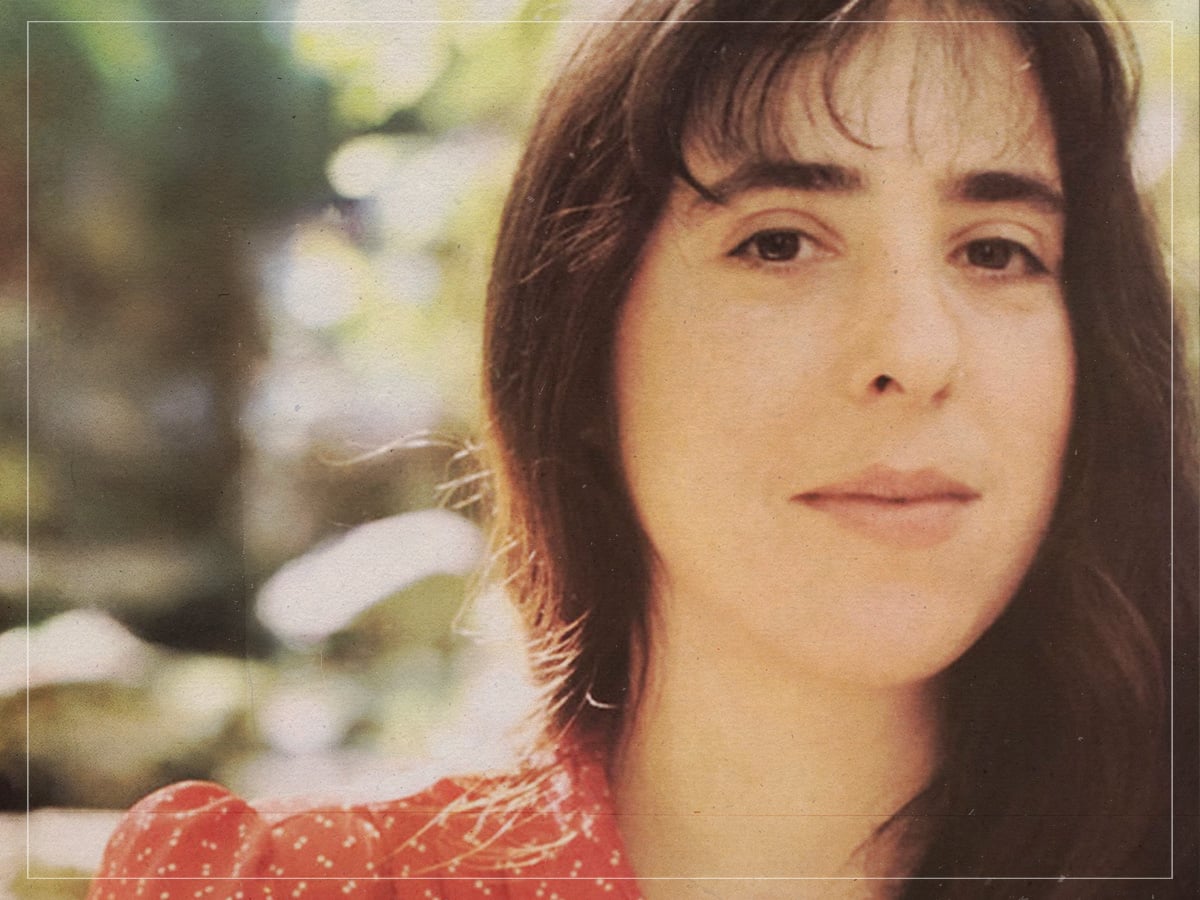
Nyro’s newfound artistic freedom yielded 1968’s Eli and the Thirteenth Confession, her landmark sophomore album that would remain the singer’s defining work. Alice Cooper has named Eli his favourite album of all time, and called Nyro his favourite songwriter, in turn: “Nobody was ever in the league that Laura Nyro was in,” the shock-rocker asserted to American Songwriter. Elton John felt the same way about Nyro’s lyricism, once expressing, “The soul, the passion, just the out-and-out audacity of the way her rhythmic and melody changes came was like nothing I’d heard before.”
Joni Mitchell would later credit Nyro as a direct influence, even inspiring her to begin playing piano again. While Eli is remembered today as a stellar display of Nyro’s craft, it did not garner the attention in real-time that it deserved.
“You basically have Christ singing doo-wop on a street corner,” singer-songwriter Janis Ian described of Eli to Rolling Stone, in a brilliant retrospective of Nyro’s life and music. “That album is severely unrecognised… It’s not a surprise. God forbid women be recognised for orchestration or arranging.”
Such is an unavoidable truth that factors into the “why” of Nyro’s lack of recognition, over the near-60 years since her debut: The creation of Eli may have seen Nyro regain a creative control that she was not afforded on her first album, with being able to play her beloved piano and given the space to step into herself, as an artist.
However, Nyro’s position as a singer-songwriter in the male-centred scope of music was one that was constantly under scrutiny. She’d received scorn for her Monterey Pop performance, she’d been victim to poor marketing with her debut, and despite the so-called progressive mentality of the late 1960s, Nyro and many other female musicians were still subject to ridicule, no matter how blatant their talents were.
“It’s usually men that you associate with hard work, with really crushing things. But women have a great capacity for things,” Nyro told Life magazine, ahead of the release of her third, highest-charting album, 1969’s New York Tendaberry. “Certainly, women have a great capacity for pain, and if doing what I do is a painful process, a woman can take it.”
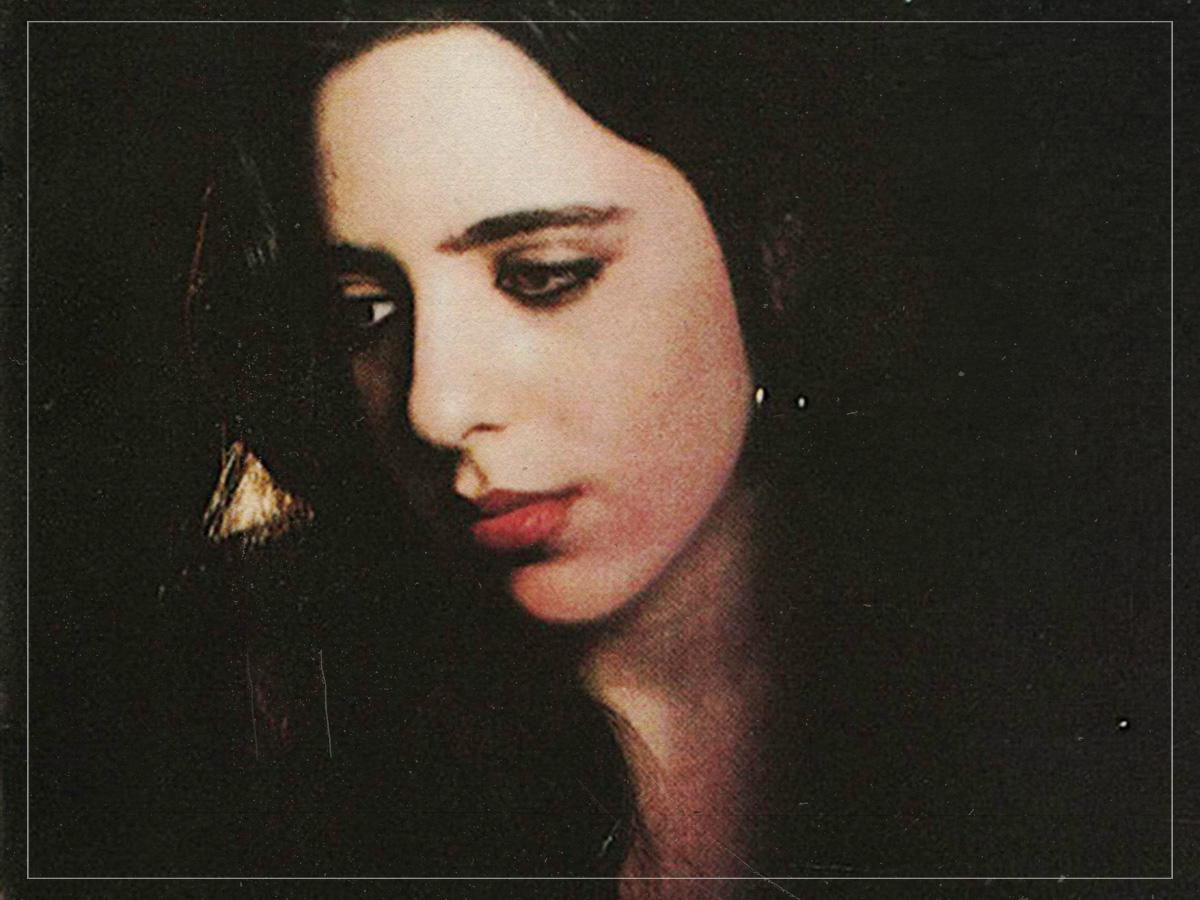
Eli, still, remained a success that saw Nyro reach her career’s peak, part of which meant that her songs began to be covered by other artists. Songs that she had penned were becoming hits, in their own right, as it all began with Peter, Paul and Mary’s rendition of ‘And When I Die’. Numerous artists would follow, such as The 5th Dimension, a vocal group from Los Angeles who frequently covered Nyro’s songs, including ‘Stoned Soul Picnic’ and ‘Sweet Blindness’ from Eli. Blood, Sweat & Tears would follow with their version of ‘And When I Die’, which became an especially big hit.
Perhaps most famously, Barbra Streisand recorded her rendition of ‘Stoney End’ from Nyro’s debut album, with Streisand’s becoming the title track of her 12th album, released in 1971. “Many people had hits with her songs,” Alice Cooper told Rolling Stone. “But her versions were always better.”
All the while, her recording contract with Columbia would expire in 1971, which left the artist stranded between singing with Asylum Records, a new label started by Geffen, or re-joining Columbia. Initially favouring the former, Nyro changed her mind and stayed with the latter, effectively ending the relationship between her and Geffen for good (Tuna Fish Music, their company together, would be sold to Columbia). She had gotten married, moved to Connecticut and became disillusioned at the idea of celebrity. Thus, at the end of 1971, at 24 years old, Nyro announced her retirement from music.
Nyro made her return to music five years later, in 1976, with the release of her album Smile, followed by 1978’s Nested and 1984’s Mother’s Spiritual, inspired by her experiences with motherhood after the birth of her only son, Gil Bianchini. But, in the midst of new material and various tours, she would never see the successes that the initial phase of her career’s beginnings saw. Her final album of original material, Walk the Dog and Light the Light, came out in 1993. From the early 1980s, she spent the rest of her life with her partner, Maria Desiderio, and her son, Gil, in Danbury, before her death from ovarian cancer on April 8th, 1997, at age 49.
The question of where Nyro’s success has been in the six decades since her career began can have a mixed answer: the politics of the music industry, surely, and Nyro’s identity as a young woman in music, both remain factors. Possibly even more so, Nyro did not achieve widespread success because she did not want to be immersed in the ebbs and flows of fame. Despite no longer having the commercial recognition she very well deserved, she continued making her music out of sheer will, more than anything else.
Her body of work persists through, and for, the listeners who connect most strongly with it, particularly the women who may see pieces of themselves in her candid stories.
