


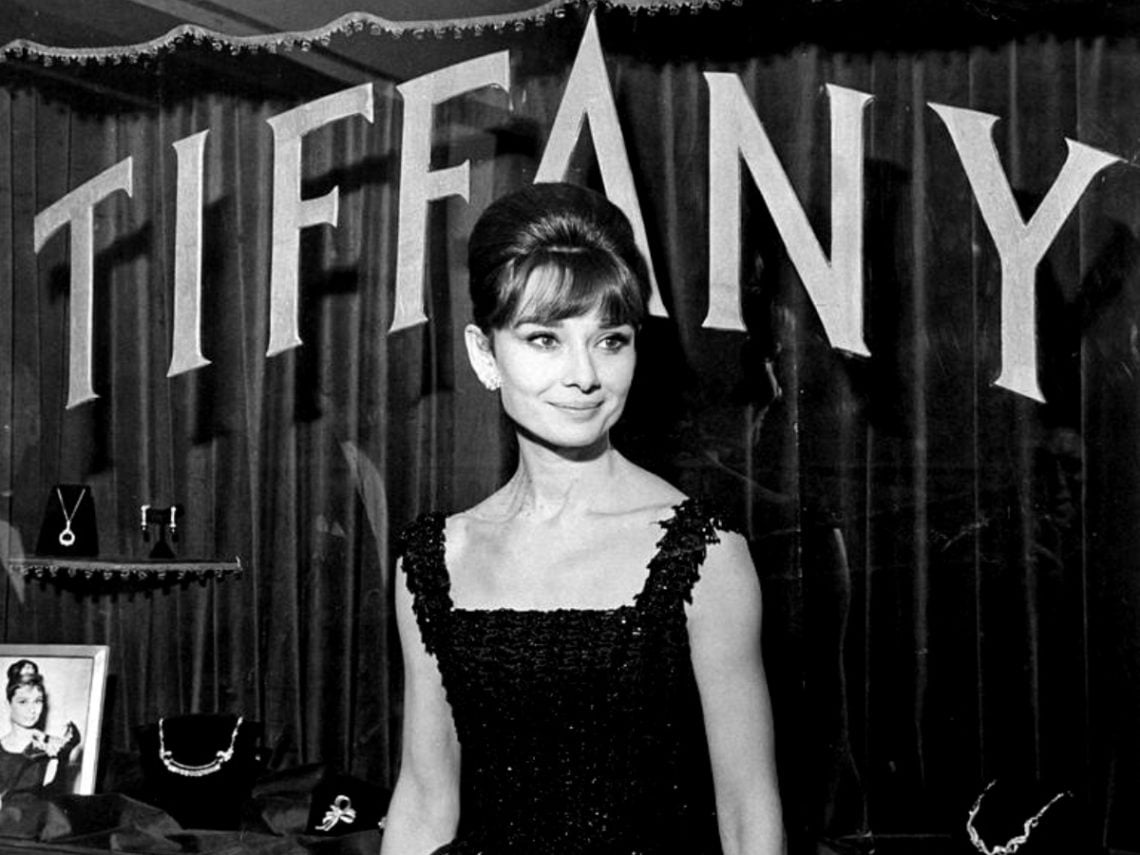
Why Truman Capote hated ‘Breakfast At Tiffany’s’

There have been instances in which writers have expressed dislike for film adaptations of their work. Stephen King famously detested the way Stanley Kubrick rewrote The Shining, as did Anthony Burgess, the author of A Clockwork Orange. It must be a tough pill to swallow, seeing your hard work reworked into something that doesn’t live up to your expectations. Truman Capote, too, definitely struggled with this aspect of the adaptation process.
Capote is held up as one of the great American writers. His crime novel In Cold Blood is one of the most famous and beloved texts in the genre. But none of his work is better known than Breakfast At Tiffany’s. However, despite being released in 1958, there is no denying that the 1961 film adaptation has usurped the book in popularity.
For those who have read the novella, the difference between the film and the text is striking. In Capote’s original, the character of Holly Golightly is more a mirage than a person. She is a total mystery to his unnamed narrator and, really, to everyone around them. There is a darker implication that the Golightly in the text is involved in sex work, but Capote insists that she is a kind of “American geisha” there to entertain men with charm and conversation, not seduction.
In the movie version, Holly Golightly is blown up into one of Hollywood’s most iconic roles. It’s perhaps the most defining character of Audrey Hepburn’s lengthy career – but it was her depiction that Capote hated.
While Hepburn’s take on Golightly is widely celebrated, with the actor utterly embodying the role, Capote disagreed. He called it “the most miscast” movie and spent his life openly critiquing the adaptation.
When asked what was wrong with the movie, the author replied, “Oh god, just everything”. Capote believed the film missed the nuance and turned it into a romance instead. In the novella, the narrator is never named or really given a character beyond his interactions with Golightly. In the movie, Paul Varjak’s character is created in his place. Played by George Peppard, Varjak and Golightly end up together in the film, in contrast to the open-ended mystery of the book, in which his protagonist simply disappears.
To Capote, that mystery was the entire point. According to the biographer Gerald Clarke, “Holly was Capote’s favourite creation”. Holly represented all of his ‘swans’, the magnetic women he found buzzing around the rich and elite that he’d become friends with. Golightly was based on an amalgamation of the women he knew, which is why the role and Hepburn’s depiction was so important to him. Rewriting her ending was utterly unforgivable to him.
“The main reason I wrote about Holly, outside of the fact that I liked her so much, was that she was such a symbol of all these girls who come to New York and spin in the sun for a moment like May flies and then disappear,” he said. “I wanted to rescue one girl from that anonymity and preserve her for prosperity.”
From the casting to the rewritten romantic ending, the Breakfast At Tiffany’s presented on the big screen that the world knows best isn’t the Breakfast At Tiffany’s Capote wrote and cared so deeply about.
