


From Gulaggh to Ghost Orchid: the disappointing pitfalls of true crime in music

For as long as news has been reported, people have had a deep interest in true crime. In recent years, though, that fascination has skyrocketed, partly because we are naturally drawn to the darker aspects of life but also because anything shrouded in mystery or intrigue tends to pique our interest. Simply put, if something seems both macabre and puzzling, it is the ultimate binge-watching bait.
Of course, the issue of desensitisation always comes hand-in-hand with true crime, whether it’s in movies or the documentary format, but our knack for searching out real-life narratives comes from something much more ingrained. When watching something from the comfort of our own homes, it’s easy to both immerse and distance ourselves, enjoying dimensions that otherwise wouldn’t usually cross over into our real lives.
While we have come far from the days of Most Haunted with platforms like Netflix offering an array of reality or true crime stories, the basic premise of our intrigue remains the same. Whether ghost hunting or the chronicling of real crimes like those committed by the Menendez brothers, these stories will always draw in global audiences, keeping them hooked on long and comprehensive accounts of real events.
In music, however, the concept has been a little slower on the uptake. While such movies and series garner widespread intrigue, the crossover with true crime and real events in the music world doesn’t always provide the most accessible venture for listeners, and the reason why is especially interesting. While many musicians draw from real experiences, events, and even crimes to form the basis of their vision, sourcing real, firsthand material, like voice recordings, interview snippets, and samples of captured evidence, hasn’t really caught on as much as it has in other realms of entertainment.
This makes complete sense on the surface. However, when you consider it, music serves a completely different function than other art forms. While there are many similarities, like the obvious streams of escapism, connection, enjoyment, and engagement, there are also many differences, like the format of music usually existing to serve the sole purpose of bypassing the need for any surface-level intellectual interpretation.
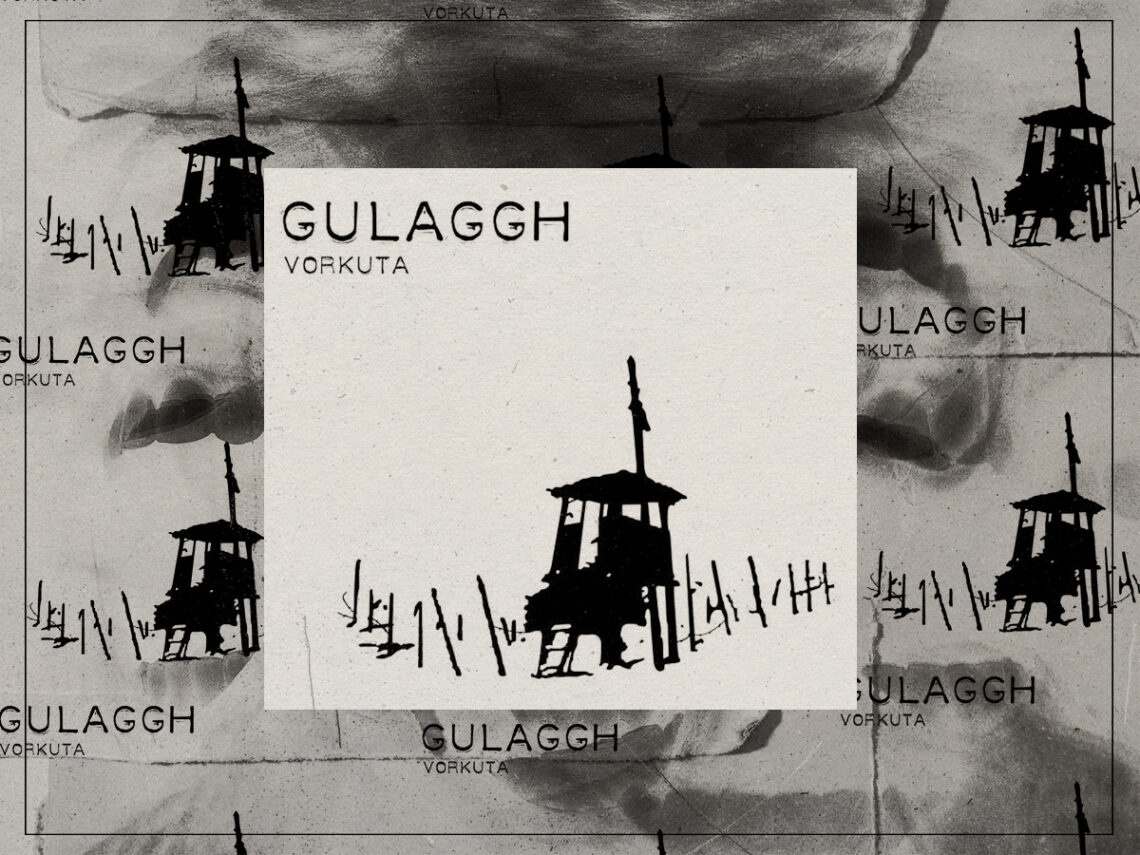
However, the moment music crosses over into more realistic, documentary-style realms or presentations of research, the experience becomes a little convoluted and confusing, making it difficult to establish how you’re supposed to be consuming the content. Take Gulagg’s Vortuka, for instance—aside from generally being one of the most enigmatic entities in all of music, Vortuka collected real recordings of the screams and wails of mental patients for the purpose of creating art that exposed the darkest sides of life.

Its distorted sound was a deliberate choice, and its sonic torment aimed to provide a loud and harsh listening experience that thrives on the listener feeling uncomfortable. Explaining their fascination with the subjects, Gulaggh explained that “the mind” of mental patients “is far more interesting than the minds of sane people,” adding that their constant living in “fear and pain” makes “the soul fill with hate and despair”, giving you “visions of the realms of darkness and death”. While many people entertain such thoughts from time to time, the difference here is that, for their subjects, “these images feel real.”
It’s a fascinating concept and one that would make for a killer Netflix docuseries, but in the music realm, it’s anything but interesting or engaging, to say the least. There’s an obvious element of intrigue when looking at the premise on paper, but that’s to be expected. When it comes to the actual material, the interest dissipates, and you’re left wondering why you thought hitting ‘play’ was a good idea to begin with. So, why do real stories and true crime fail to captivate in music the same way in film?
Well, explaining that comes with another great example of an interesting idea that falls short in execution—Ghost Orchid’s An Introduction to EVP. This one utilised a similar line of thinking by incorporating ‘real’ recordings, except this time, it concerned the sounds and voices of real spirits captured by paranormal researchers. EVP wasn’t the first project to blend such findings with music, but it was certainly the first of its kind to apply real findings to the conventions of experimental music.
Experimental music might be difficult to get on board with for a lot of people by its very nature, but by utilising EVP, Ghost Orchid created something that neglects to resemble anything you might have heard before, bombarding with unsettling static sounds and jumbled speech and providing an atmosphere filled with barely audible musings from various sources of material. It’s completely unnatural, which, again, is entirely the point, but, again— being uncomfortable, for whatever reason, isn’t enough to warrant consistent intrigue when reality converges with the music realm.
Part of this reason is the inherent dissonance such a crossover upholds. With these projects, the emotional connection from the music is removed, and the broader context isn’t as easy to come by. While films and television shows rely on a certain patience to evoke atmospheres, settings, and narrative contexts, music preludes a certain expectation that emotional connection and gratification will be more instantaneous.
Therefore, when records like EVP and Vortuka don’t connect, not only does this ensure they have served their purpose, but it also fails to live up to the escapist criteria a lot of music is able to fulfil. Understanding this is easier when separating the difference between inspiration and source material: any musician can take inspiration from real events and make a smash hit or a record you will visit over and over—Nick Cave is the first artist that comes to mind on that front—but using documented or scientific recordings without conforming to some of the fundamental aspects that make music enjoyable renders any usual listener expectation obsolete.
Of course, there is also the obvious removal of visual aids and recorded elements, and music, in the traditional sense, can only rely on the audio format to grab and maintain attention. While Gulaggh or Ghost Orchid’s projects would likely make a fine documentary, their primary format restricts their reach, ensuring that those who do stumble across it won’t engage with the content in the same way they would with a true crime film or series.
