


An assortment of screams: how Gulaggh made music from the harrowing yells of psychiatric patients

To feel is to understand horror, terror, and fear. To exist is to understand these emotions, even if it’s impossible to put it all into words. To be a victim, whether that’s of society, the system, yourself, or another human being, is to know ugliness on another level and have to live with it every day despite the rest of the world continuing, safe in the comfort of apathy. Nobody knows who Gulaggh are, but their mission is very clear: to expose the disturbing realities of the world and force others to face up to its shortcomings.
What you hear when you listen to Gulaggh isn’t necessarily music in the conventional sense; rather, it combines recordings of screams delivered by mental patients, all with the aim of exploring nihilism and misanthropy. But the whole project is surrounded by mystery, which adds an extra outer layer of intrigue to an already engaging concept.
The only details available about this dark rock band are that they’re from Holland, but it’s unclear where exactly. There’s not really a lot of information out there except for one interview a few years ago and a set of forums discussing what the group is all about. Other than that, they leave you to fend for yourself when it comes to interpretation, for good reason.
The screams and wails of mental patients were recorded when one of the members worked at a psychiatric institute. Rather than utilising recordings of the patients in the midst of pain, they worked with the band knowingly, delivering screams for the purpose of serving the art. The sounds created evoke a sort of dissonance, the dreadful kind you would expect of mental patients, urging you to turn it off instinctually – but that’s the point.
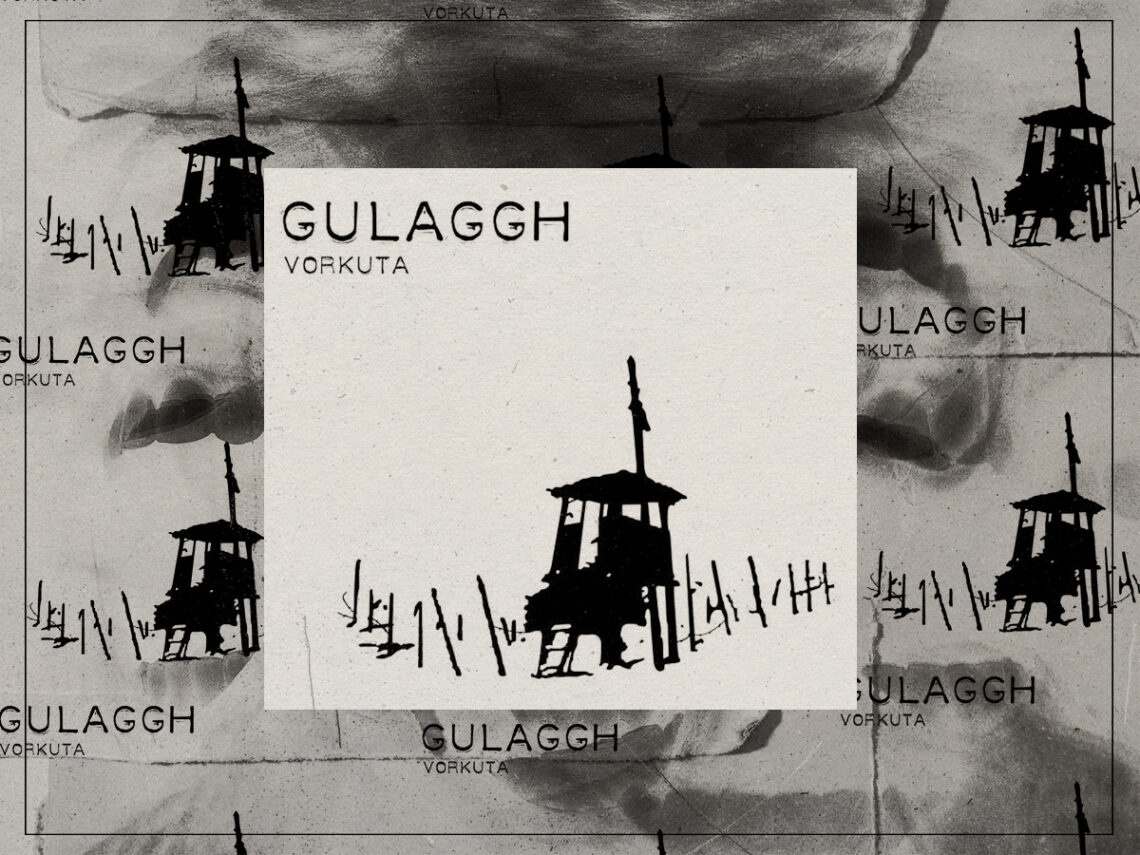
Gulaggh used to be called Stalaggh, before they changed their name for the purpose of altering their sound to lean towards a more orchestral feel, one that would deliver similar sinister soundscapes but without the heavy distortion of their previous work. One of the projects under the Gulaggh moniker, Vorkuta, comprised a single 45-minute track involving echoes, electronics, violins, strings, and wails from mental patients, rape victims, ex-sex workers, and more.
It’s a disastrous nightmare, but that’s a deliberate choice, as the band achieves a visceral sonic torment based on a series of real suffering, both through the patient’s screams and the overuse of various instruments. This worsens the more you listen, the voices becoming louder and harsher, a focal point in Gulaggh’s noisy and unavoidable atmosphere.
Surprisingly, this harrowing piece was mostly safe to construct. It relied on mutual respect to ensure it was delivered exactly as the band envisioned. While they “wanted the pain and suffering in the vocals to be real and not acted,” they told Noisey, they ensured that “all patients who have worked with us gave their full written permission”.
Explaining their fascination with their subjects, they said that “the mind” of mental patients “is far more interesting than the minds of sane people,” adding that their constant living in “fear and pain” makes “the soul fill with hate and despair”, giving you “visions of the realms of darkness and death”. While many people entertain such thoughts from time to time, the difference here is that, for their subjects, “these images feel real.”
Some might argue that utilising such sounds might be a morally corrupt route to venture down, but the group maintained that “they can transfer their mental suffering into sound” and the band can “spread their despair and fear across the minds of many others, and make it feel real to them as well”. For this reason, urging the patients to sign written permission was never a difficulty, as they appeared more than willing to let the world in on their own experiences.
“Most of them agree with our ideology,” the band explained. “Their mental illness makes them hate humans and their society, so it is not hard to convince them to become part of our projects.” Where it grew murky was the use of children’s screams, but Gulaggh devised a plan to cultivate the screams, even if the fabrication appeared a little questionable.
Using the alias Luther Feuer to write to the psychiatric institution, they would write “a fake proposal” explaining that he “wanted to compose a classical piece of music based on the screams of the children.” They only allowed them an hour to get what they needed, but the results were immense, and there was one girl who became an integral part of the final recording, even if the way she delivered it was disturbing.
For the everyday music lover, all of this sounds extreme, especially considering the more conventional ways mental health themes are filtered through music. But Gulaggh’s project is extreme, controversial and potentially unethical even, but that’s also why the band chose to remain anonymous. Moreover, although, for the most part, everything was dealt with grave appreciation, the danger was never far away, as was proven when one of their members “was almost strangled to death by one of the patients,” a moment they actually kept it in the final recording.
Conducting such an intricate project might leave you wondering where they go from here, but it’s no use to speculate: as they once explained, once their “mission” is complete, they will “cease to exist”. Ominous and unsettling, yes – but maybe it’s for the best. Sometimes, subjects so sensitive shouldn’t be a subject or made into art unless treated with the delicacy they deserve, and while Gulaggh seemingly made every effort to ensure this, the anonymity and drippings of fictional provocation may be too perturbing for some.
