


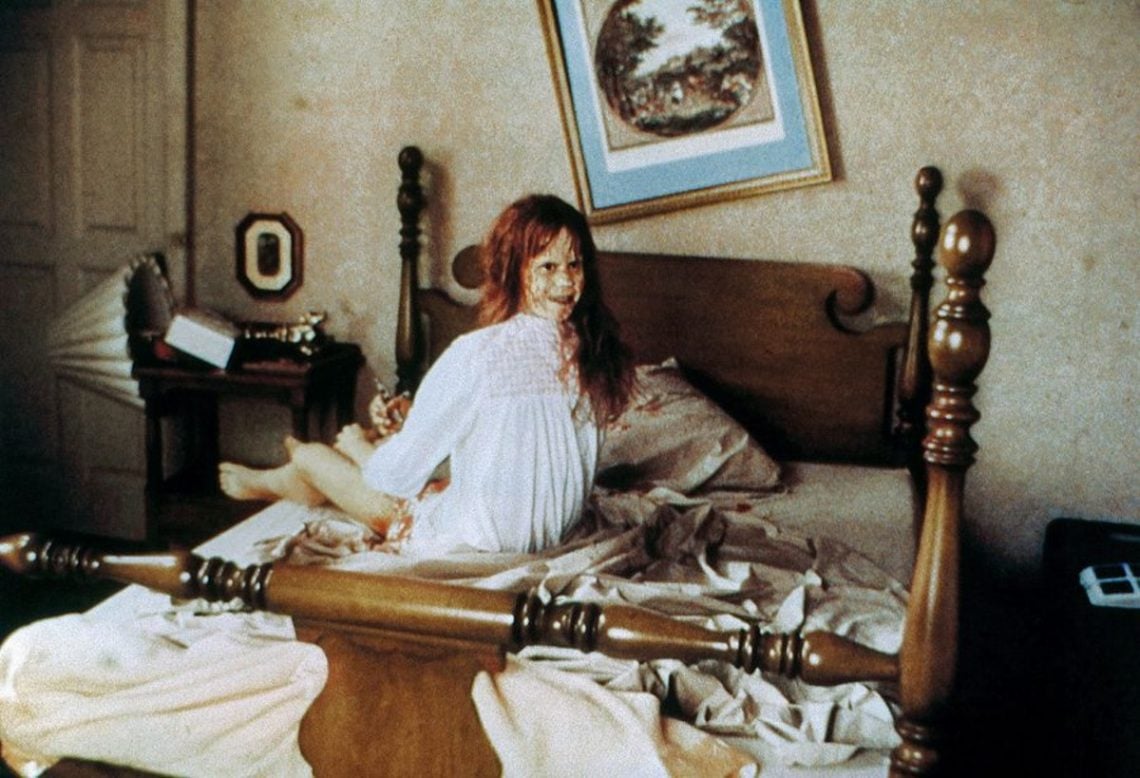
Why ‘The Exorcist’ was finally accepted and made by studios

It’s been exactly 50 years since The Exorcist was unleashed on audiences, simultaneously mesmerising and terrorising audiences beyond belief. Although it would receive significant recognition at several prestigious awards ceremonies, including ten Oscar nominations, winning two (‘Best Sound’ and ‘Best Adapted Screenplay’), the movie’s release was initially marked by the unprecedented response it evoked in the audiences.
Depending on how you looked at it, the cultural phenomenon, or crisis swept through America with such force that it has never been rivalled since. Vomiting and fainting were regular occurrences – one man was reportedly wheeled off to the hospital on a stretcher after sitting through only 20 minutes.
Other cases were darker; a woman allegedly experienced a miscarriage during a screening, and psychiatrists and parishioners both received calls in the thousands related to those who had either lapsed in their faith or were being spoken to by God for the first time – all gripped by fervent and crippling bouts of psychological and spiritual calamity.
People queued around the block in the freezing December winter for a chance to watch this new cinematic sensation, allured by critical praise of the movie as a genuine masterpiece and hysterical news reports about the ‘cursed’ film that had caused such widespread panic. Buzz surrounding the movie had such a monopoly in the media that journalists complained about attention being diverted from the Watergate scandal, the investigation of which was at its peak during The Exorcist‘s release.
However, only several years before, it looked unlikely that the movie would be made at all. Based on the novel by William Peter Blatty, who adapted his work into a screenplay, the script for The Exorcist was passed back and forth between studios as if it were toxic waste. A horror movie heavily focusing on the demonic possession of a young girl was one thing, but one that featured that same girl making constant blasphemous remarks, cursing, and using a blood-soaked crucifix to masturbate was almost unthinkable – and certainly unfilmable.
If it weren’t for an utterly coincidental stroke of luck, we probably would have never even heard of The Exorcist today. The script was now sitting on some desk at Warner Bros, probably gathering dust after yet another group of executives had decided not to greenlight it. However, when a guest on The Dick Cavett Show unexpectedly dropped out, Blatty was invited to stand in and discuss his book, which in turn was inspired by the well-documented account of a 1949 exorcism of a boy.
Blatty’s appearance on the show and his passionate and sincere discussion about whether demons and, therefore, the Devil were real or not enthralled audiences. According to Blatty, who would live on until 2017, sales for the previously poorly-selling The Exorcist had skyrocketed to the top of The New York Times bestseller list in under two weeks. Lo and behold, Warner Bros’ ears had pricked up, and Blatty had their attention. They agreed to make the movie – and the best horror of all time was made.
