


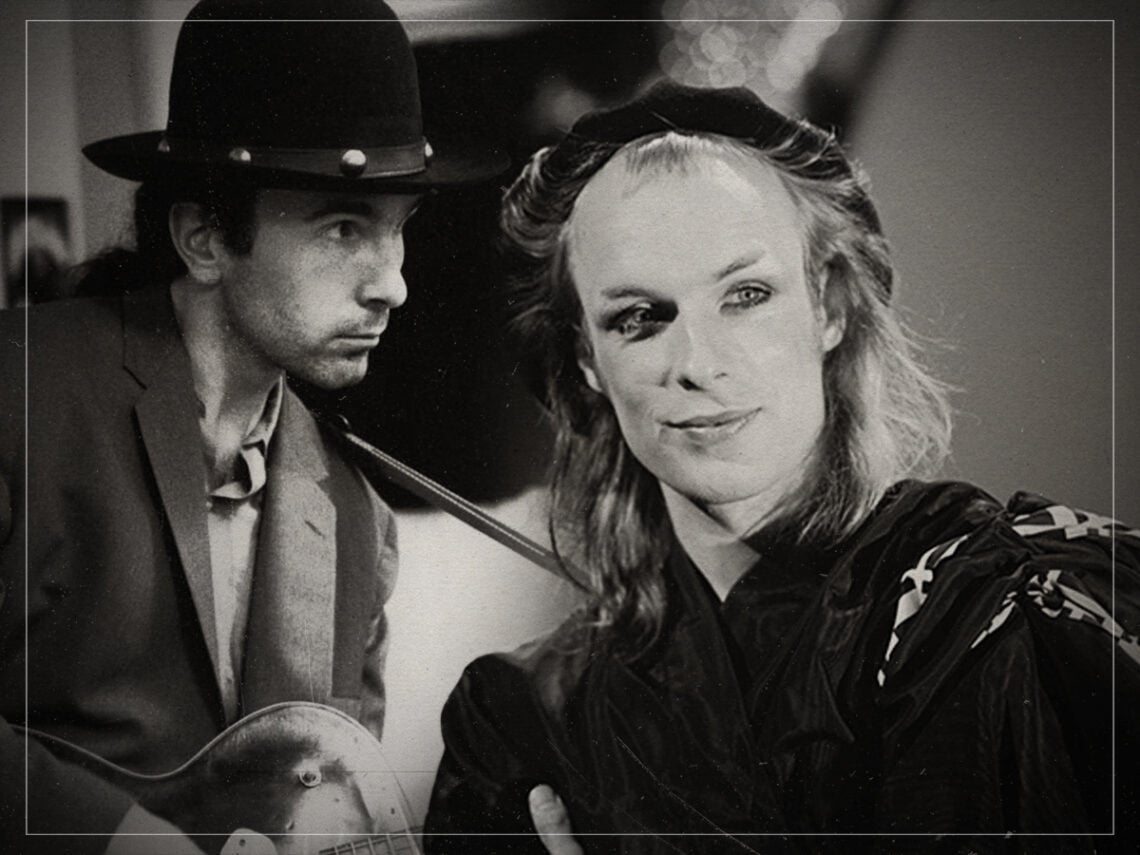
The Edge thought Brian Eno wasn’t a good musician: “He doesn’t have the craft”

While U2 were big, it took a chance with Brian Eno’s leftfield production magic to finally propel the Irish post-punks to stadium-level stratosphere.
Across the last decade or so, Eno already boasted a serious artistic pedigree. Landing in the pop charts as Roxy Music’s mysterious synth twiddler during their glam debut, Eno would drop a succession of increasingly idiosyncratic avant-pop solo records before wandering into the strange pools of ambient music by the end of the 1970s. Around this was his masterful gift for coaxing creative ingenuity from some of rock’s biggest names, David Bowie, Talking Heads, and Devo, all seeking the maestro’s unique vision.
Such a gift for sonic expanse and a healthy prodding of the brain’s left side suited U2. Finally finding their niche with 1983’s explosive War, a developing vista of anthemic stir and earnest lyrical command courtesy of Bono’s frontman charisma, demanded a canvas vast enough to contain such lofty ambitions.
In came Eno, albeit reluctantly, having all but abandoned the production business to pursue video art. Unsure of his commitments, he brought along engineer and right-hand man, Daniel Lanois, as an intended candidate for U2’s anticipated fourth LP.
Yet, Eno eventually sat in the producer’s chair along with Lanois for The Unforgettable Fire sessions at County Meath’s Slane Castle across 1984, prompting a curious assessment of his contributions by band guitarist The Edge.
“He’s not a great keyboard player, he doesn’t write great songs really, he doesn’t have the craft that, say, Bowie has to write a song, or Paul McCartney,” The Edge confessed to One-Two Testing at the time. His engineering and technical abilities are limited as well. In fact, he knows very little about an awful lot, but it’s how he applies that knowledge. “I suppose it’s down to confidence, too.”
He wasn’t wrong. Eno was never one to wow the crowd on his synths with Roxy Music or thrill an audience with some virtuosic guitar solo, or any instrument for that matter. He’s a conceptualist, an ideas man, someone brimming with unorthodox ideas to push a band stuck in a rut toward a shimmering creative pasture. Across his compositional and production work, a robust and dependable eye on music’s uncharted terrain always feels firmly in sight across his over 50-year career.
Magic was had, whatever The Edge’s slightly curt take. The Unforgettable Fire topped the UK Albums Chart, as had War, and raised U2’s global stature as one of the era’s biggest live acts. It established a new immersive sound that would stay with the band in various fashion to this day, as well as forge a decade-long studio partnership, as recently as 2009’s No Line on the Horizon.
Eno has said as much himself anyway. Mere weeks after the release of his Here Come the Warm Jets debut in 1974, Eno offered Record Mirror a highly self-deprecating yet knowing revelation about his technical skills. “I can’t play anything well,” he quipped. “I can manage one string at a time on the guitar, usually the A string, and I can churn out a sound or two on simplified keyboards, but that really is the extent of my musical knowledge.”
