


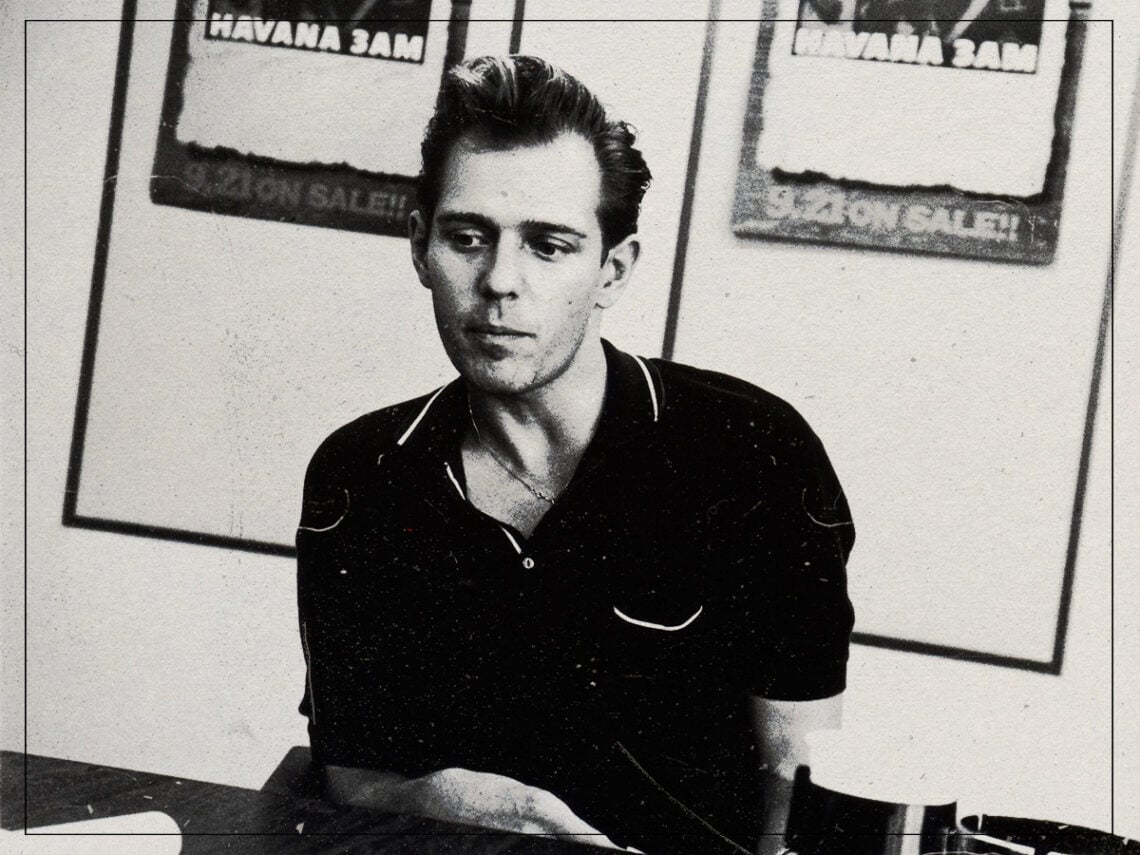
Why stadium rock made The Clash’s Paul Simonon “feel like throwing up”

Throughout the 1970s, political and societal unrest infiltrated musical forms, resulting in the widespread skyrocketing of the punk movement. The subculture didn’t just aim to educate others on the value of criticising establishment values; it used music to aestheticise the image and supercharge everything that fueled the fire. Unfortunately, another outfit that emerged around the same time seemed to be gaining a lot of traction despite appearing far less substantial than its counterparts.
Infiltrating music with raw and aggressive honesty wasn’t invented by the punk movement or during the 1970s, but this iteration far exceeded any predecessors on account of its unapologetic catapult into the mainstream. Specifically, this was a time when many artists banded together with the general public to challenge the establishment and rally for change.
As Sex Pistols’ John Lydon put it: “Early 1970s Britain was a very depressing place. It was completely run-down, there was trash on the streets, total unemployment – just about everybody was on strike.” He added: “Everybody was brought up with an education system that told you point blank that if you came from the wrong side of the tracks… then you had no hope in hell and no career prospects at all.”
Alongside the Pistols, The Clash became a significant forerunner in the rage against the machine, creating music that spotlighted Britain’s shortcomings regarding delinquent youth, unemployment, drugs, rioting and corrupt policing. At the same time, however, other musicians were quickly gaining popularity despite their polished sound and far less sharp edges.
Despite being widely hailed as one of the greatest rock outfits ever, Led Zeppelin’s place during such a monumental societal upheaval seems a little out of place in hindsight, and many at the time noticed their seemingly mismatched values. Although they established themselves as major players with albums like Physical Graffiti, by the time the decade came to a close, their sound appeared much less authentic.
Noticing this, many who aligned with the punk movement chose to shun Zeppelin’s successes and turn a blind eye to their music. As Paul Simonon reportedly expressed: “Led Zeppelin? I don’t need to hear the music. All I have to do is look at one of their album covers, and I feel like throwing up.”
Of course, the band’s very own Robert Plant wouldn’t have shown any indication of agreement at the time, but, looking back, it became clear to him why people felt so strongly. During an interview with Q magazine in 1988, Plant had a lot to say about attitudes towards Zeppelin at the time, and even showed a lot of understanding when it came to people who didn’t enjoy or resonate with their music.
“If you absolutely hated ‘Stairway to Heaven,’ no one can blame you for that because it was so pompous,” the musician said. “Those accusations that were levelled at Zeppelin at the end, during punk, those accusations of remoteness, of playing blind, of having no idea about people or circumstances or reality, of having no idea about what we were talking about, of being deep and meaningless and having vapid thoughts –there was a lot of substance in what was being said,” he added.
Directly addressing criticisms about Zeppelin’s lack of passion and willingness to be a part of the outcry for societal change, he continued: “People were quite right to say all that. It hurt at the time, but I’d have to plead guilty.”

Never Miss A Beat
The Far Out Led Zeppelin Newsletter
All the latest stories about Led Zeppelin from the independent voice of culture.
Straight to your inbox.