


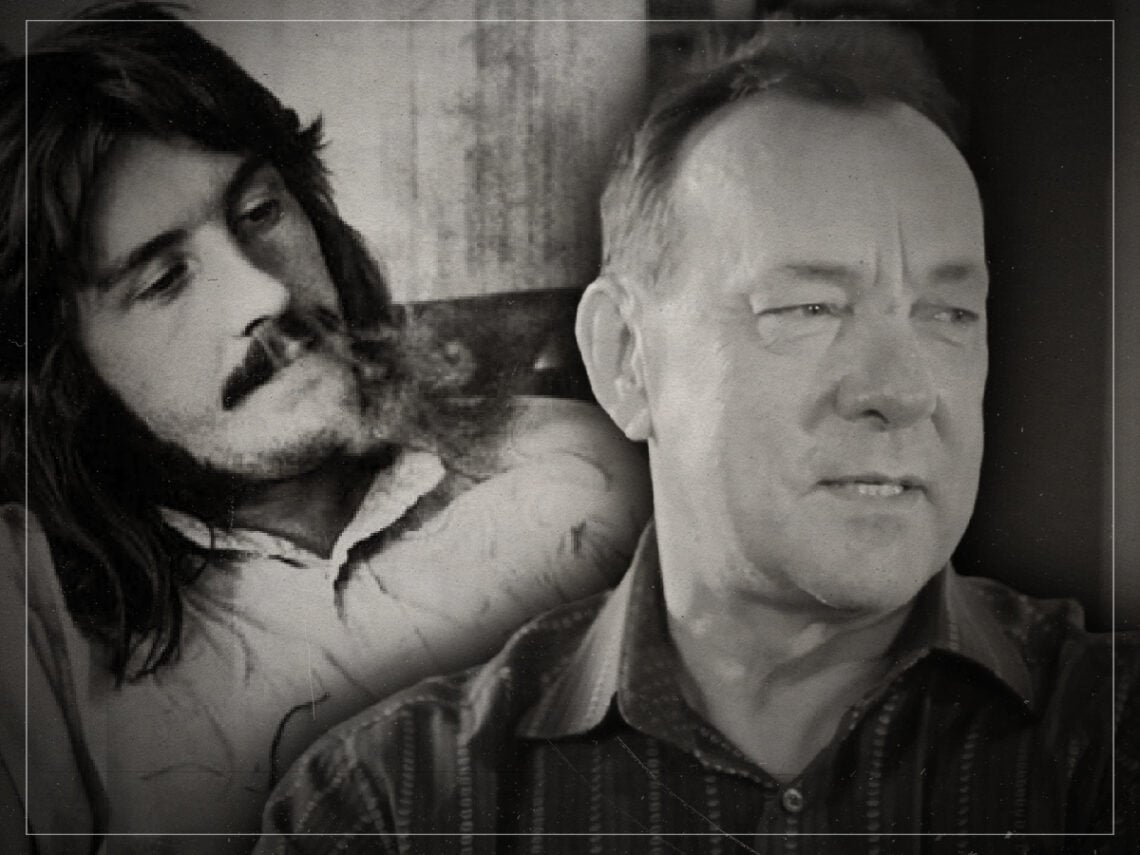
Why Neil Peart never enjoyed John Bonham’s drum solos: “It does get overwhelming”

Every Rush album should have come equipped with a warning label whenever it came to Neil Peart.
There are thousands of drummers who have followed in the footsteps of some of the greatest of all time, but even by those standards, no one could fully comprehend what Peart was doing whenever he played a lot of his fills. He was a demon that was being unleashed on every single Rush song, but even when making some of the finest performances of his career, there was always a set structure to everything he played compared to a lot of his predecessors.
Because when you listen to any of his drum solos from his prime, Peart was never trying to make the typical rock and roll barrage of chaos whenever he played. There were definitely moments where he could improvise and go out on a limb with something that might not have been typical of his playing style, but there were more than a few times where he was willing to work on drum solos that were like songs within themselves, to the point where it felt like a drum clinic being put on during every single set.
Then again, it’s almost impossible not to have a good time when listening to John Bonham’s breaks on any Led Zeppelin record. The magic of the band was his playing slightly behind the beat whenever he performed, but when Peart heard the live versions of tunes like ‘Moby Dick’, he felt that the tracks were a little too chaotic compared with the kind of massive drum solos that he wanted to play.
Bonham was still a monster, but Peart was just a different breed of drummer, saying, “I’ve been getting a lot more improvisational, but I seem to have a mental clock that shuts me down before I ramble. [laughs] Okay, that’s enough! I’ve watched some historic solos – John Bonham, for example – and even as a drummer and an admirer, it does get overwhelming. So I appreciate concision. And I think you’re even more critical of yourself in the onstage situation, where I won’t let myself dwell, or I’ll feel like I’m meandering long before I am, so there’s an automatic steering wheel that corrects and keeps you moving.”
And when you look at a lot of his inspirations, it’s not hard to see why Peart went in that direction. Some of his favourite drummers did have a lot of fire in them, but there was also a sense of precision that went beyond being a wild animal. Buddy Rich was a fantastic drummer who every rock and roll drummer tried to emulate, but even when looking at his classics, he was looking to serve the song rather than spend the entire time trying to make the most accomplished drum performance ever laid to tape.
There are plenty of drummers who had that same sense of fire, but Peart wasn’t always looking to play like them. He would have been the first person to tell you that he was one of the world’s biggest fans of The Who, but when looking at the way that Keith Moon played, he didn’t necessarily want to play like that for the rest of his life. And sadly, the same thing applies when he heard John Bonham’s drum solos.
But it’s hard to really say that Bonzo is rambling on any of the live performances that he played. Any other non-drummer would have seen it as self-indulgent, but Zeppelin knew what they had on their hands with him, and the fact that they quit right after he passed away was a testament to how important he was as a member, even when working from the back of the stage.
The same thing could be said when Rush called it a day when Peart passed away, but when the Canadian now-duo decided to reform with Annika Niles, it wasn’t like she had to absorb everything about Peart to learn his lines. His approach to music was a lot more structured, and it was all about trying to find the right time and place to hit hard.
