


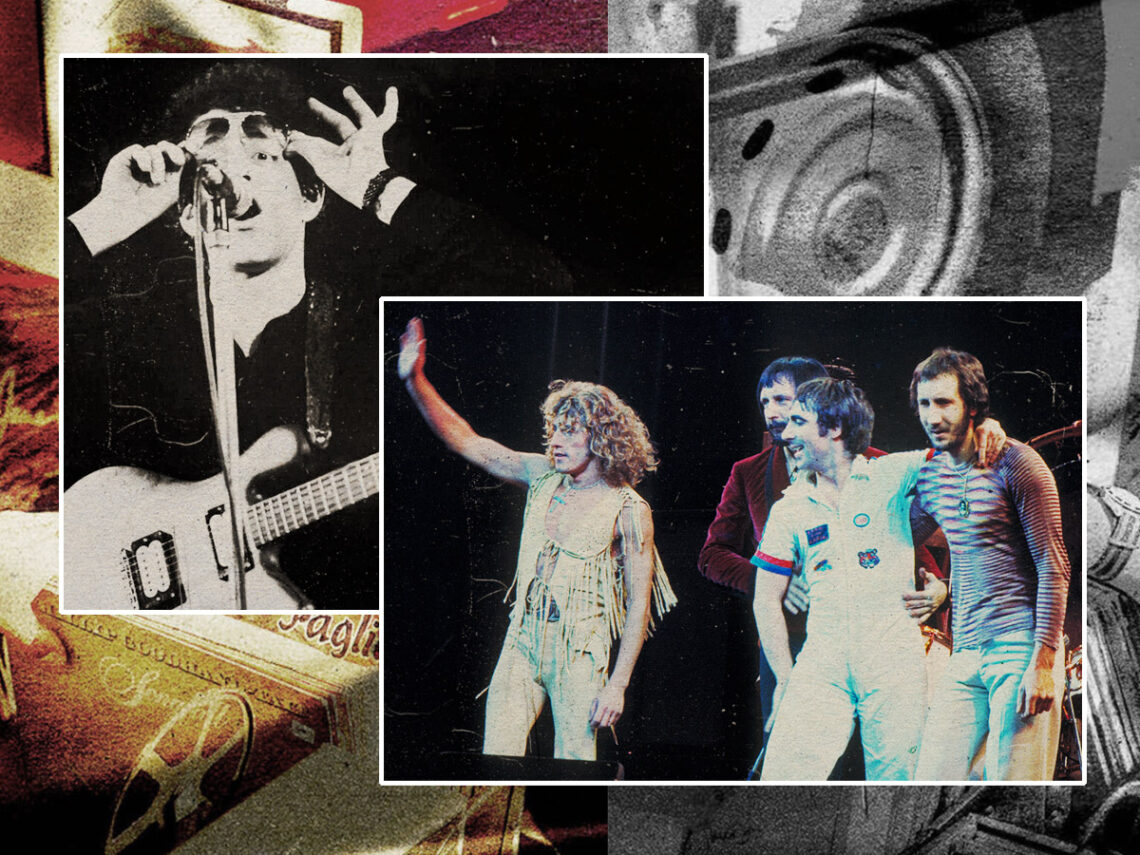
Why Lou Reed hated The Who

No decade has had such a profound effect on popular music as the 1960s. In the United Kingdom, bands like The Beatles led the charge, introducing avant-garde influences into the mainstream, assisting music’s rise to prominence as an artistic endeavour, and pioneering innovative recording techniques. The British Invasion took the world by storm, with bands such as The Rolling Stones, The Who and The Kinks also signalling this new, youth-driven cultural revolution.
Yet, across the pond, movements such as the folk revival and hippie culture also gained prominence, signalling a widespread fascination with artistic renewal and innovation. However, in the murky depths of New York’s creative underground, where artists such as Andy Warhol and his cast of fascinating characters dwelled, you could also find Lou Reed.
The musician began making music with Welsh musician John Cale in 1964, naming themselves and their subsequent bandmates The Velvet Underground. Inspired by avant-garde music and free jazz, particularly the work of Ornette Coleman, the band pushed the boundaries of rock and roll, working with an experimental approach. With the help of Warhol and German singer Nico, the band’s incredible debut album, The Velvet Underground and Nico, was released in 1967.
With songs such as the fantastically repetitive ‘Venus in Furs’ and the abrasive ‘European Son’, they pioneered a sound that has since led them to become one of the most influential bands ever. Acting as key precursors to punk and noise rock, The Velvet Underground were, as their name suggests, underground icons.
While Reed was one of the most important American musicians to come out of the United States, he was also very opinionated and didn’t hold back when it came to criticising his contemporaries. Over the years, he shared biting comments about bands that shaped the course of popular music at the same time as him, from The Beatles to The Who.
The latter formed around the same time as The Velvet Underground, becoming considerably more commercially successful than Reed’s band. The Who were one of Britain’s biggest acts, defining an era with songs such as ‘My Generation’ and ‘I Can’t Explain’.
Yet, Reed was not a fan of the English rockers, once proclaiming how much he disliked the band’s rock opera Tommy, released in 1969. He humorously sneered in a mid-70s interview, “Tommy is such – Jesus, how people get sucked into that.” He added, “So talentless, and as a lyricist [Pete Townshend is] so profoundly untalented, and, you know, philosophically boring to say the least… like the record ‘The Searcher’ [meaning ‘The Seeker’]; ‘I ask Timothy Leary…’ I wouldn’t ask Timothy Leary the time of day, for cryin’ out loud!”
While Reed wasn’t a fan of Tommy, it became one of the band’s most successful works, spawning several spin-offs, including a movie directed by Ken Russell. It may well have been this success that put Reed off the group. Known for his preference for subversion, the overtly popular group and their shining rock opera may have appeared a step too far away from the fundamentals of rock and roll that Lou Reed held so dear.
