


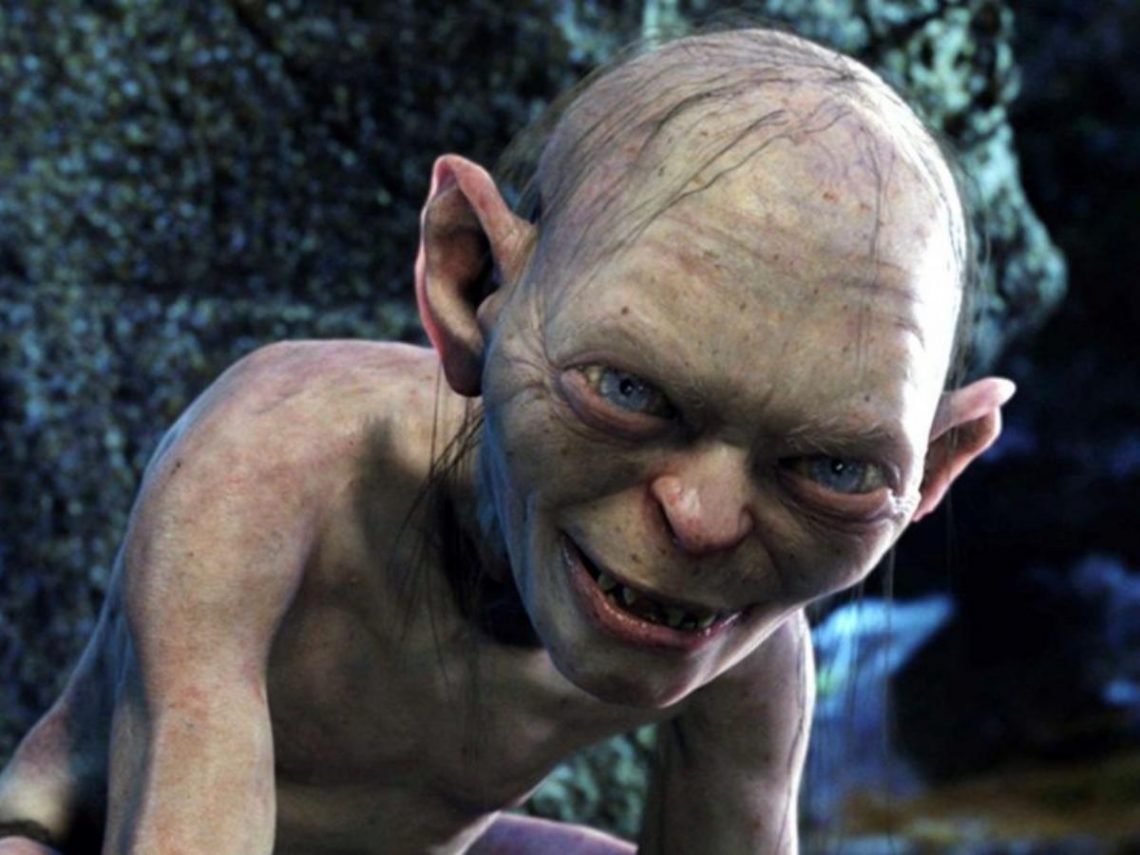
Why ‘Lord of the Rings: The Hunt For Gollum’ is already doomed

In a development that nobody was asking for, Warner Bros confirmed plans to return to Middle-Earth in live-action with Lord of the Rings: The Hunt for Gollum, a movie that absolutely does not need to exist in any way, shape, or form.
Peter Jackson’s original trilogy remains a monumental achievement in cinema history, with the director laughing off the notion that J.R.R. Tolkien’s literary series was unfilmable by mounting a jaw-dropping, immersive, awards-laden, and all-round incredible adaptation of The Fellowship of the Ring, The Two Towers, and The Return of the King.
Thanks to the multi-billion dollar success of the trio, the studio was never going to let a lucrative property sit on the shelf and gather dust. To say The Hobbit was a downgrade would be a colossal understatement, with Jackson giving off the impression he only helmed the prequels because Guillermo del Toro dropped out shortly before the start of the production and he was the only person qualified for the job.
With the rights being scattered to the four winds, The Lord of the Rings isn’t going anywhere, but does it really need to come back to the big screen? Prime Video’s The Rings of Power was the most expensive TV series ever made and it didn’t make much of a cultural imprint, animated epic The War of the Rohirrim is slated for release in December 2024 and isn’t carrying an ounce of buzz, but back to the well we go anyway.
Plonking Gollum in the title reeks of a scent somewhere between desperation and creative bankruptcy, with Warner Bros presumably operating under the impression that an iconic character and fan favourite will be enough to justify its existence. However, the recent video game that put the ragged creature front and centre was such an unmitigated disaster that the company responsible for it was left with no other option but to issue an apology.
Company boss David Zaslav outlined his motivations in the past by referring to The Lord of the Rings, Harry Potter, and DC Comics as “content that has been underused”. Quite frankly, that’s a bullshit statement that doesn’t hold a drop of water considering audiences have been inundated with a nonstop barrage of blockbusters for years.
Including The War of the Rohirrim and The Hunt for Gollum, The Lord of the Rings has generated eight films since 2001. Harry Potter ran for eight, got three prequels, and has an episodic reboot in development. DC, meanwhile, has backed 26 features since the turn of the millennium with a Joker sequel, a Superman reboot, and an entire overhaul of its shared universe to come, so in reality, Zaslav is being driven entirely by the bottom line in the most cynical way. Creativity and originality? Nah, fuck it, IP all the way.
The return of Andy Serkis as both star and director is a cynical move designed to conjure up memories of his unforgettable contributions to the initial trilogy, much, in the same way, his cameo in The Hobbit was leaned into as a key marketing tactic. He shot the second unit on the second trilogy to give him an inkling of how to craft a feature set in Tolkien’s rich and expansive world, in fairness, but the results weren’t up to much.
As a filmmaker, he’s still relatively unproven, too, with only the biopic Breathe, the long-delayed and quickly forgotten Mowgli: Legend of the Jungle, and superhero sequel Venom: Let There Be Carnage under his belt. While there’s going to be the inevitable pangs of nostalgia for seeing him back in the mo-cap leotard and placing Gollum at the forefront of his own adventure, the real question is why?
Jackson, Fran Walsh, and Phillipa Boyens are all on board in a producorial capacity, but that was also true of The Hobbit, and things didn’t quite go to plan. It’s become clear in the numbers that audiences are growing weary of the endless parade of reboots, remakes, and reimaginings, but for whatever reason, Warner Bros. thinks stuffing a mouthful of member berries down the throats of The Lord of the Rings fandom will be able to overcome the creative bankruptcy at the heart of the entire operation.
Why is Lord of the Rings: The Hunt for Gollum happening? Because there’s potentially money to be made, simple as that. And yet, it’ll take more than name recognition and familiar faces to convince the masses that heading back to Middle-Earth for the third consecutive decade is going to turn out any better than it did the last time. Sometimes, it’s OK to let a franchise reach a natural conclusion, not that Warner Bros. is interested in finding out.
