


Why is art so obsessed with sin?

Pride, greed, lust, envy, gluttony, wrath, and sloth have each been the force behind some of the most iconic images in art history. The Seven Deadly Sins provide an exhaustive guide to humanity’s worst tendencies, which artists have taken and run with throughout history. While its delivery is often inherently moralistic and religious, even contemporary work treads a similar path.
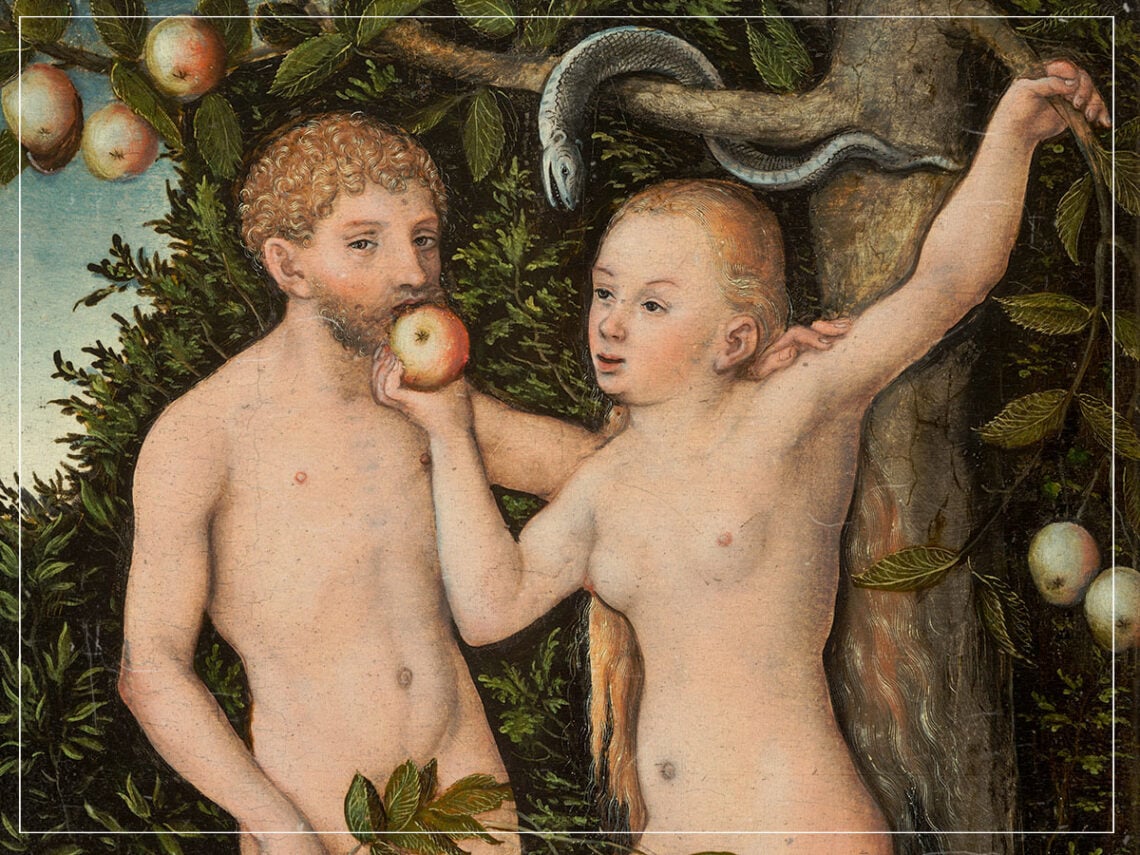
Tracey Emin’s My Bed might not have the Biblical context of Adam and Eve (Original Sin) by Lucas Cranach, the Elder, but it’s one of the most striking comments on sloth and gluttony in Western art and speaks to the longevity of the concept that has long been an obsession for artists and audiences alike.
It’s easy to see why it’s an intriguing subject for creatives. Even beyond the Renaissance artworks more closely associated with religious sin, if you look at some of the most significant cultural offerings of recent times, whether it be Succession or blockbusters like Oppenheimer, they each grapple with sin to some degree. Their broad strokes depict the human condition – the need to acquire and dominate.
Somewhere amongst the tangle of emotions that all kinds of art can deliver will nearly always be one of the seven, with the latest choice depictions being greed and pride. As narratives about late-stage capitalism increasingly seep into art, visual ideas that stemmed from the initial concept of greed as a sin have adapted with time, allowing artists the platform to explore colonialism, racism and belonging.
James Boyce argued in The Guardian that the original sin “led to a Western obsession with self-help”, but if we look at modern depictions of sin in art, an alternative way of looking at it is that we’re just revelling in the debauchery. Particularly after the pandemic, audiences wanted their senses shaken alive again. Art shows soon became immersive exhibitions, getting bigger and involving dance and music. Maybe that in itself is a testament to the temptation of greed to want bigger and better things to absorb.
The self-help angle is clearly evident in more religious work, which aims to push the viewers towards moral judgments of the scenes in a painting, and also themselves, as in works like Hieronymous Bosch’s The Seven Deadly Sins and Augustus Leopold Egg’s Past and Present, No. 1. But the subversive reframing of that holiness, like Joyce Lee’s Prayer series, toys with the idea of sin in a way that isn’t centred on punishment, and is free of Biblical guilt.
We’ve warmed to the idea of the forbidden so much that thousands routinely pack out an entire museum dedicated to banned artworks. In an era bogged down in debates on free expression, our relationship to sin in art has changed and, if anything, has given it a more enthusiastic platform than its hyper-religious beginnings intended.
