


Exploring The Museum of Forbidden Art

As you might imagine, several highly controversial pieces are displayed in The Museum of Forbidden Art. You could cherry-pick a single name from the artists on display and find a wealth of controversy. Walking into the exhibit itself is just as arresting. Within a few minutes of walking through its display of formerly banned art, you’ll be greeted by a punching bug shaped like a woman’s stomach and a selection of high heels resting on a prayer mat.
Most of the contemporary pieces have been widely debated, called upon either as an example of overzealous censorship or as evidence of conceptual arts immorality. Of the 200-plus works displayed, a few are well known for triggering a mass hysteria that somehow went beyond a question of artistic choice and waded into legal waters. Robert Mapplethorpe’s X Portfolio has found a home in the Barcelona Museum of Forbidden Art after a previous museum had been taken to court on criminal charges related to displaying his BDSM photography.
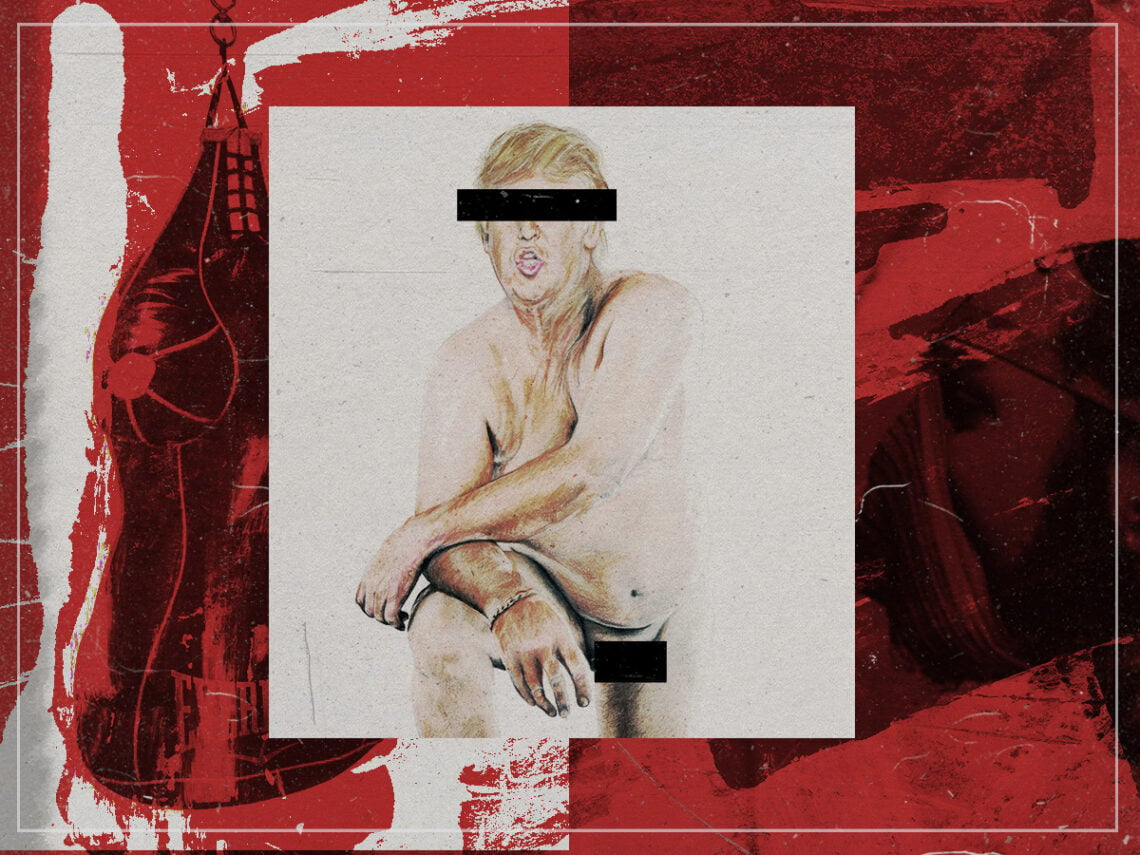
Likewise, a similarly controversial photograph by Andres Serrano – Piss Christ – was proudly displayed close by a nude drawing of Donald Trump. But the most important element of the exhibit doesn’t lie in its shock value but more in the tangible evidence that art is being increasingly clamped down on. Visitors are welcome to walk in, but they’re just as free to walk out should they completely disagree with the works on display.
But that comes with its own complications. Many of the pieces included have been vandalised or attacked previously, either by protest groups or people overcome with shock. It’s a quiet concern that director Rosa Rodrigo must keep in mind. Likewise, she believes visitors should be prepared to make their own judgments on the more provocative pieces. “We want our visitors to feel comfortable, not that they are in a fortress,” Rodrigo told the Associated Press, “Because if we did that, we would be sending the wrong message.”
The museum is now the only one in the world dedicated to showing art that has been suppressed from public view. The artists included can thank Taxto Benet, an art collector who owns all but one of the 42 works being shown, as well as the 200 in storage. Thanks to his dutiful collecting of banned artworks, they’ve now been put in front of over 13,000 gallerygoers.
The pursuit of shocking art seems to be male-dominated, but the exhibit’s most impactful pieces come from female artists, either scrutinised for their feminist sentiment or deemed intolerable by conservative groups. Zoulikha Bouabdellah is the artist behind the prayer rugs covered in stilettos, which take up the central spot in the exhibit. Domestic violence is darkly portrayed in Zoya Falkova’s sculpture of a punching bag shaped like a woman’s torso. The content in the exhibit might be shocking, but the work of those women, in particular, is a powerful reminder that it’s not without purpose.
