


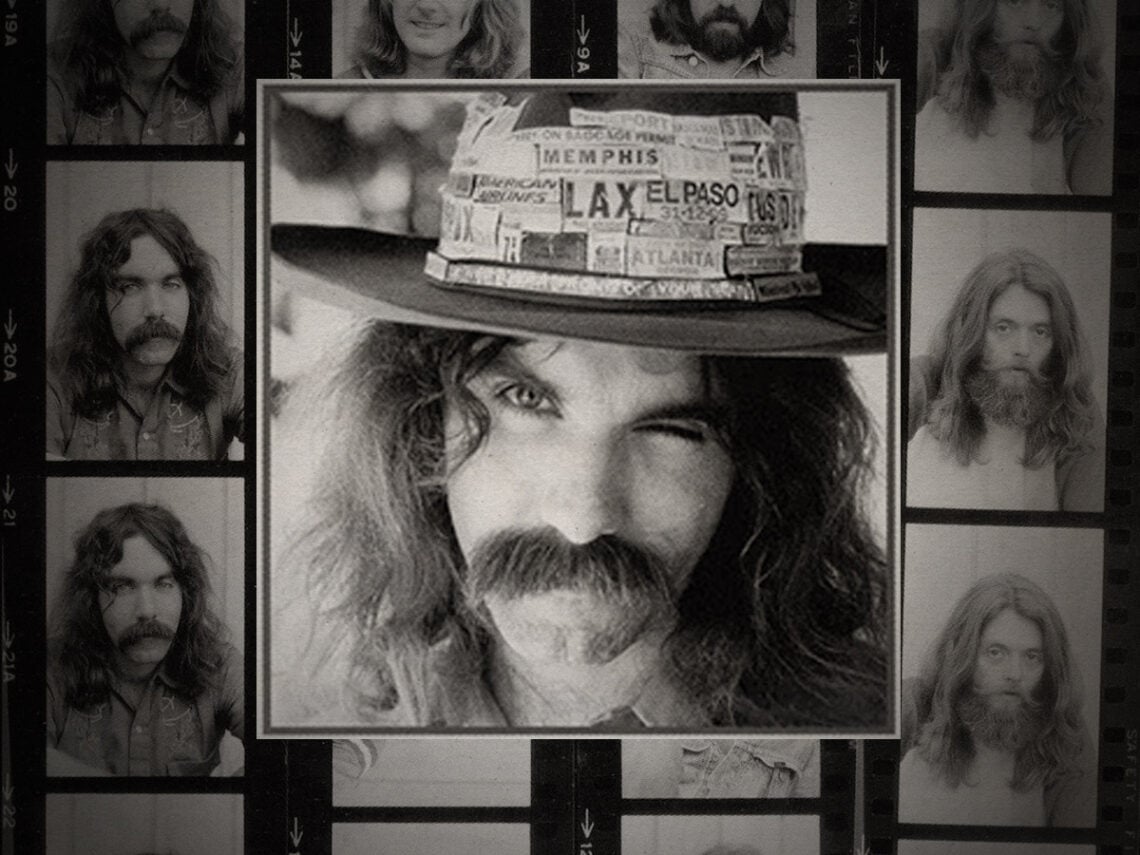
The three reasons why Gene Parsons was sacked from The Byrds

Nothing lasts forever, particularly in the fast-moving dog-eat-dog landscape of the music industry and particularly, as in the case of hippie psychedelic masters The Byrds, when everybody in your band is on a perpetual acid trip.
Inevitably, then, that pioneering band ended up becoming the musical equivalent of the Ship of Theseus as the years marched on.
Upon their original formation back in the pre-hippie days of 1964, The Byrds existed as a run-of-the-mill folk trio consisting of Jim McGuinn, Gene Clark, and David Crosby. That incarnation quickly expanded for the band’s masterpiece debut Mr. Tambourine Man, but as they delved further and further into the mind-expanding realm of LSD experimentation, original members fell away, rejoined, and fell away once more, while the remainder of the line-up featured an endlessly revolving door of spaced-out hippie and well-meaning but ultimately unprepared musicians – in fact, McGuinn ended up being the only consistent member.
As with any band that underwent continuous personnel changes, every Byrds fan has their own take on which particular era or line-up of the band was superior, with some purists favouring the purity of the group’s early sound while others tend to lean more towards their much more experimental offerings in the mid-1970s, for instance. What most listeners can agree on, however, is that Gene Parsons became an integral part of one of the band’s most prolific periods when he joined the ranks during the late 1960s.
Parsons was drafted into the band as a replacement for the short-lived drum stylings of Kevin Kelley, but his role in the band quickly expanded to being a key songwriter, occasional guitarist, and banjo player. Without his expansive talents, classic records like Dr Byrds & Mr Hyde simply wouldn’t have been the same, which is perhaps why Parsons lasted so long with the band – well, longer than most would have done, anyway.
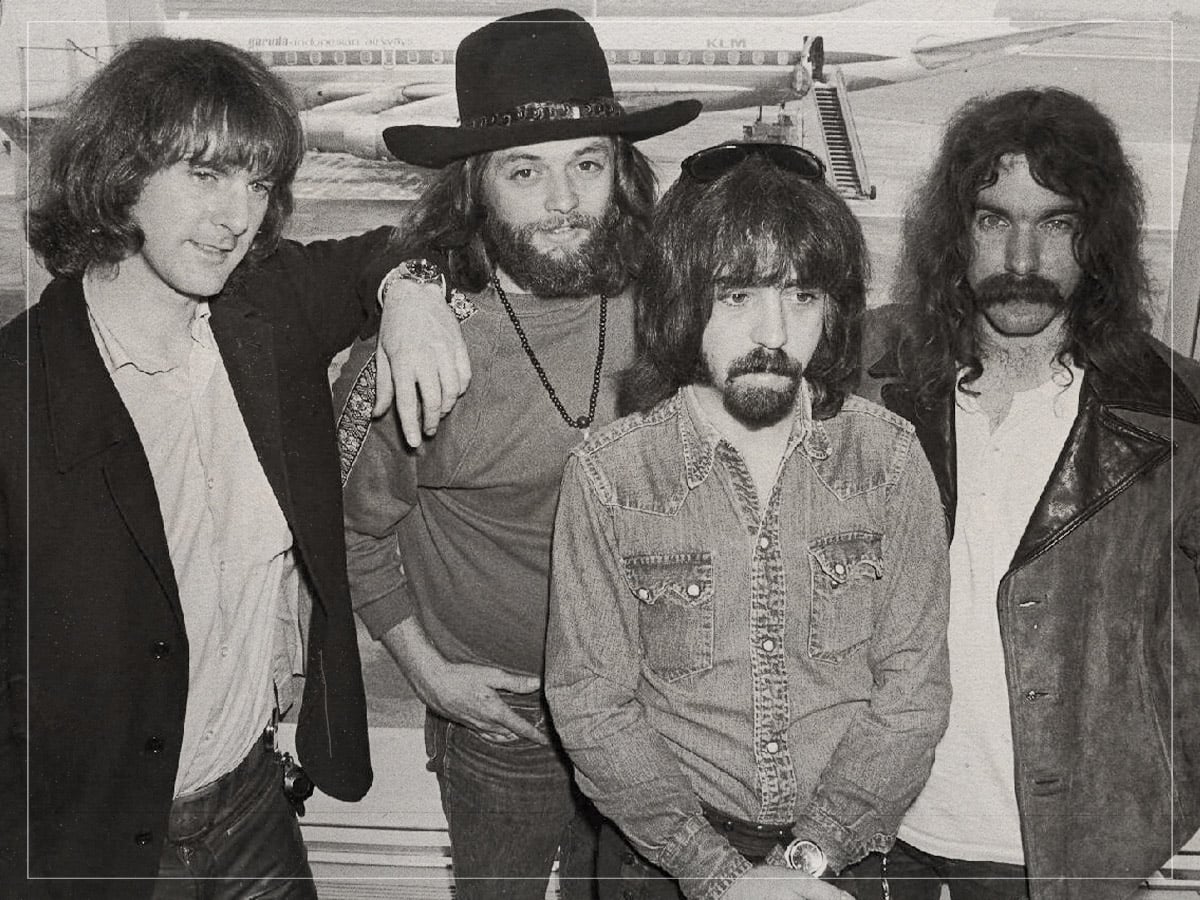
In the space of two years, Parsons recorded five blistering albums with The Byrds – an accolade even more impressive when you take into account the lifestyle adopted by the psychedelic outfit. Still, his songwriting talents and drumming mastery weren’t enough to cement his position in the band forever. Shortly following the release of 1971’s Farther Along, Parsons was unceremoniously sacked from the group at the request of Jim McGuinn, and in 2004, the songwriter revealed his theory on why he was sacked to Mojo.
“Partially, it was musical differences,” the drummer explained, citing the route-one option for any band break-up. Seemingly, though, those differences came from the rapidly developing technological advancements in the music industry of the 1970s. “[McGuinn] had gotten a Moog synthesiser and was experimenting with that,” he continued.
“Being string-oriented – I was originally a five-string banjo-player, I also play guitar, bass, pedal steel, mandolin, harmonica, and sing – that wasn’t the direction the rest of us wanted to go.”
Inevitably, though, money also played a role in the dismissal. “It was also partially financial,” Parsons affirmed. “Clarence, Skip, and I were never signed to the record company. We were retained as sidemen through the band’s management, but told that we would share in profits from the records. Well, that’s where the problem arose.”
“And partially, it was just our personalities,” Parsons went on, concluding the holy trinity of his dismissal from The Byrds. “As much as [McGuinn] and I ever tried to get along with one another, I don’t think there was ever much love lost between us.” In fairness, it’s probably quite difficult to form a strong bond with a bandmate if they are in complete control of your personal finances.
In the end, The Byrds only lasted for one more eponymous album after Parsons’ dismissal, arriving in 1973 and acting as the epilogue for a band which was simultaneously one of the most important, inventive, and pioneering, while also being continuously disjointed and plagued by infighting and a constantly changing line-up.
