


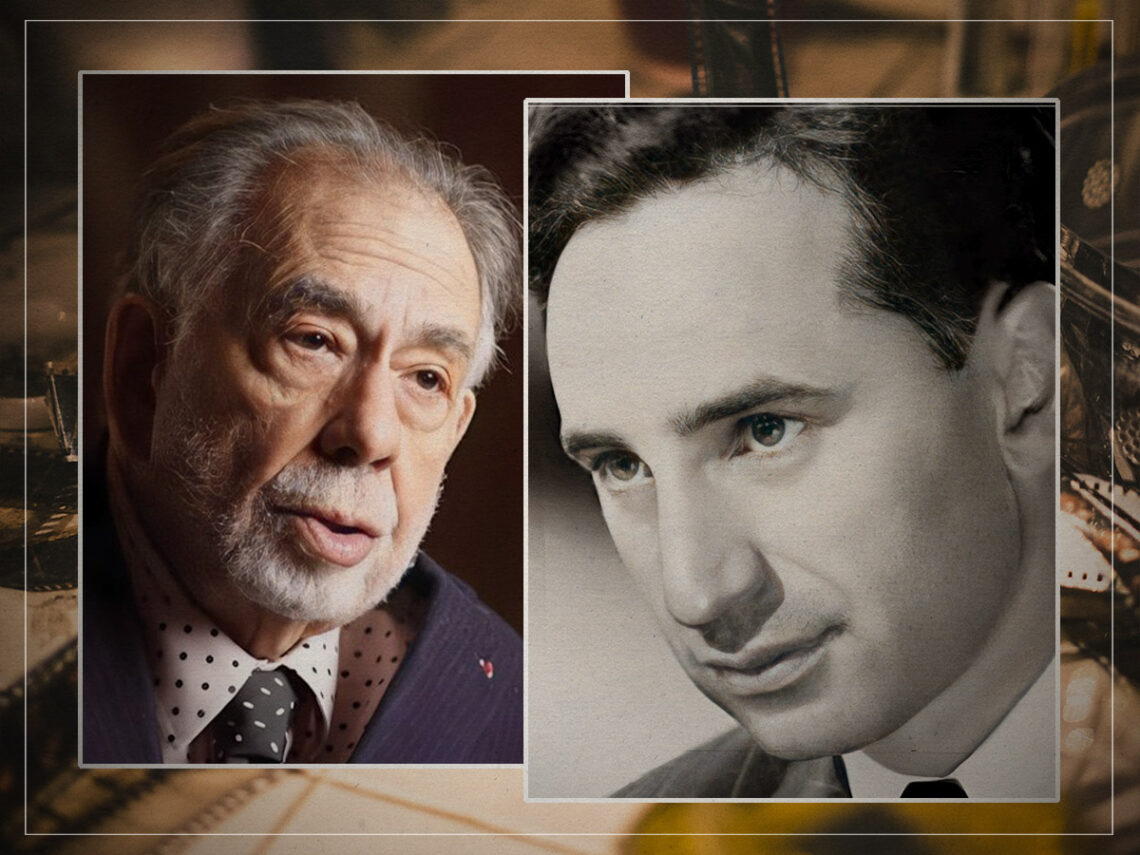
Francis Ford Coppola “had nightmares of seeing Elia Kazan” on the set of ‘The Godfather’

There are some artists who just don’t know when to quit, just look at Francis Ford Coppola, for example.
Today, he is viewed as something of an embarrassing uncle in the film world. He says the wrong things, he does the wrong things, and he makes absolutely gobsmackingly confusing films like the self-funded disaster that was Megalopolis. Even so, it’s impossible to completely give up on the old man, given what he managed to achieve in his prime.
During the transition between the studio-led era and the auteur-led New Hollywood movement, Coppola delivered some of the most important films ever made. The Conversation is a masterpiece in the art of building tension, elevated by an all-time great Gene Hackman performance, while Apocalypse Now, which was a mess behind the scenes, was all worth all the grief borne when the finished product burst onto cinema screens. Then there’s the big one, whose third instalment we don’t talk about, that comes up time and time again in celebrity ‘Four Favourites’: The Godfather.
Released in 1972, Coppola’s adaptation of Mario Puzo’s novel, on which the author closely co-worked on the screenplay with the director, changed the movie landscape forever, with knockout performances by Al Pacino, James Caan, and Marlon Brando that still inspire generations of actors, writers, and directors. While it would be a sin to question its greatness today, such a novel idea at the time led people to be unsure about the success that would hit its stride.
“If you’d checked with the crew while we were filming, they’d have said The Godfather was going to be the biggest disaster of all time,” Coppola told Playboy in 1975. “The French Connection came out while we were filming, and people who’d seen the film and who saw The Godfather rushes implied that our film was boring by comparison.”
The director agonised over the project until the release, which in hindsight may seem like he just needed to calm down, but failure was a real threat, admitting, “There were rumours that I was going to be fired every day… I couldn’t get to sleep at night. When I did, I had nightmares of seeing Elia Kazan walk onto the set, come up to me and say, ‘Uh, Francis, I’ve been asked to…'”
Coppola was only in his early 30s when filming began on what would become his opus. Paramount Pictures were concerned about the director’s lack of experience, so they tried to get rid of him several times during production. Alongside Otto Preminger and Arthur Penn, Kazan was one of the potential replacements lined up. This would have made sense at the time, as he had experience working with Brando, whom he had directed on the set of On the Waterfront. It was only after the original director delivered a key scene that his bacon was saved.
He also revealed that, when he felt like the screws were being tightened, one of his leading men was there to comfort him. “Marlon was a great help,” he revealed, “When I mentioned the threatening noises, he told me he wouldn’t continue the picture if I got fired”. Luckily, neither man was forced to walk away and was able to walk into the limelight together.
It’s hard to imagine a version of The Godfather not guided by Coppola’s vision, but it’s important to remember how much of an unknown entity he was prior to its release, making him just as famous. The movie helped make him the man he is today, which, given how his later career has turned out, would incline you to not feel very warmly towards him, but his past might just make up for it.
