


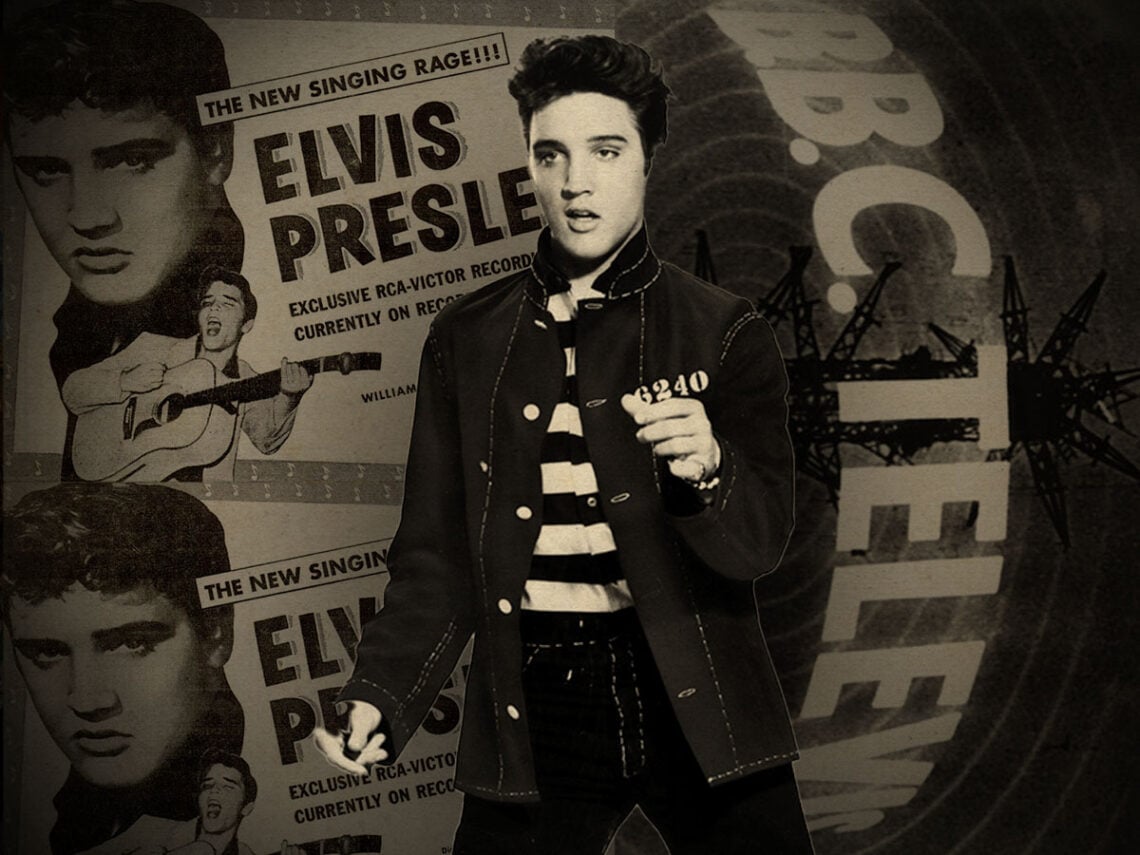
Why was an Elvis Presley song banned by the BBC?

In the modern day, the BBC banning your song acts as a form of endorsement.
Following the censorship from an establishment whose executive decisions are coming increasingly under the microscope, a revolutionary frenzy will soon stir, thrusting the song into counterculture reverence.
But historically speaking, that hasn’t always been the case, with the BBC’s radio stations wielding an unmatched level of influence that could help make or break an artist. It had a monopoly on the industry to a point where it acted as a nationally cultural tastemaker, and without it, burgeoning musicians wouldn’t get the exposure they so desperately desired.
But the most worrying part about it was that their barrier for offence was shockingly low. As an organisation, they seemed inherently inept to understand subjectivity or lyrical abstraction and so cast an iron fist on simply anything that seemed remotely provocative.
Even British darlings The Beatles felt the full wrath of this, having their iconic hit ‘A Day In The Life’ banned due to concerns that the lyrics advocated drug use. The band received a letter from the broadcaster, which read, “I never thought the day would come when we would have to put a ban on an EMI record, but sadly, this is what has happened over this track.”
It continued: “We have listened to it over and over again with great care. And we cannot avoid coming to the conclusion that the words ‘I’d love to turn you on,’ followed by that mounting montage of sound, could have a rather sinister meaning.”
If that was in 1967, a year when society’s acceptance of more liberal ideas was beginning to grow, then you can only imagine how tight the rules were a year earlier. Conservatism was still the overarching sentiment in the ‘50s, despite how hard Elvis Presley sought to change that, and so censorship rules were tightly locked – as he soon found out.
Why was his song ‘Hard Headed Woman’ banned by the BBC?
Originally written by Claude Demetrius, the song’s lyrics focus on the notion that “women have been trouble for men since the beginning of the world”, then citing biblical figures Adam and Eve, Samson and Delilah, and Jezebel to highlight this point.
On the track, Elvis sings, “A hard-headed woman / Been a thorn in the side of man / I heard about a king / Who was doing swell / ‘Til he started playing / With that evil Jezebel”.
While you may breathe a sigh of relief at the thought of the BBC intervening on account of misogyny, you’ll be saddened to realise that that wasn’t the root cause of their censorship. No, that was less of a concern to them than the biblical references, which they instead deemed as the primary cause of concern for Elvis’ track.
However, the BBC then reversed their ban, allowing for it to get airtime on their radio station so long as it received express permission from the Assistant Head of Light Entertainment. All the while, The Beatles’ psychedelic classic was still locked away because of its wildly abstract drug references.

Never Miss A Beat
The Far Out Beatles Newsletter
All the latest stories about The Beatles from the independent voice of culture.
Straight to your inbox.