


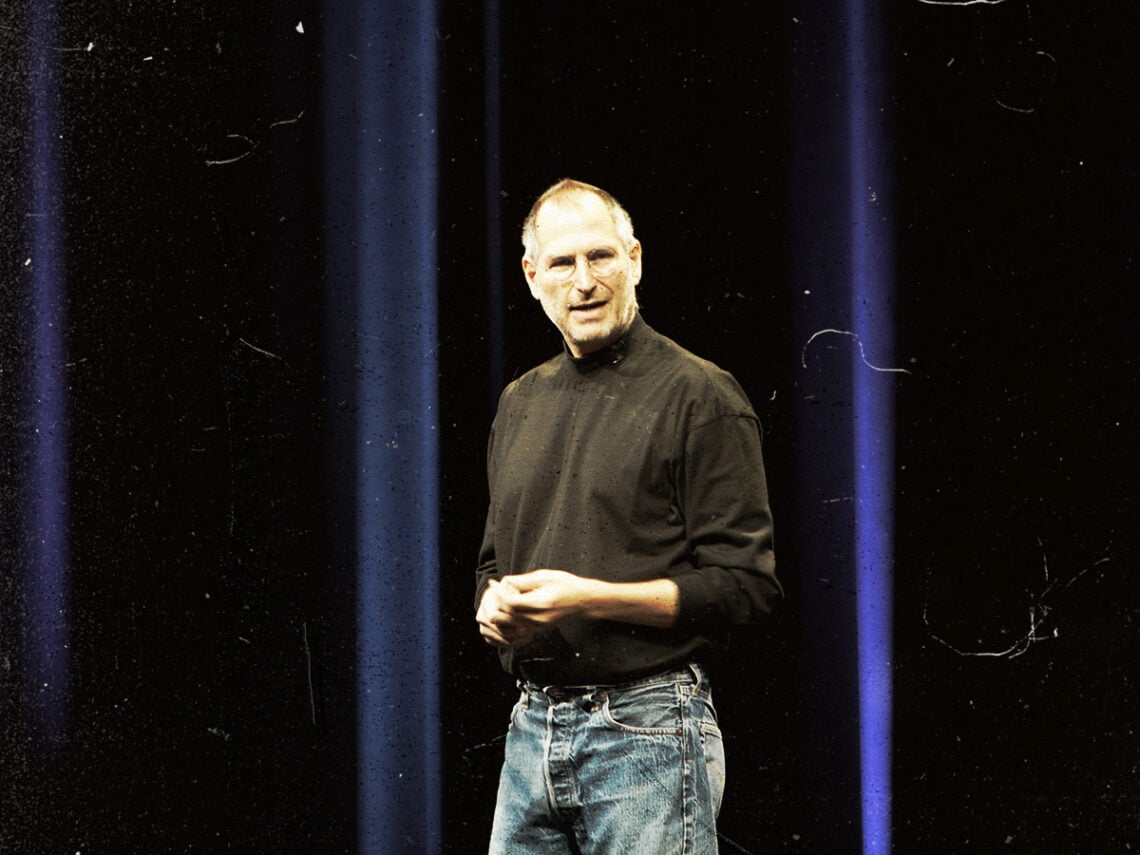
Why did Steve Jobs sell Pixar to Disney?

Pixar, one of the most influential animation studios of all time, known for movies like Toy Story, Ratatouille, WALL-E, Up and The Incredibles, separated from the Lucasfilm computer division in 1986 when Apple co-founder Steve Jobs offered funding and became its principal shareholder. However, in 2006, Jobs made the difficult decision to sell the company to Disney.
Bob Iger was the CEO of Disney back in the mid-2000s when the sale took place. At the time, Disney had been faltering somewhat, and they were relying on co-productions with Pixar to make bit hitters like Toy Story, Monsters, Inc. and Finding Nemo. The relationship between the two companies was on the verge of breakdown, though, as a distribution deal could not be settled.
Iger soon realised that the best way to save Disney was to buy its competitor outright, and in an interview with Bloomberg, the media business executive explained how he saw his fortunes being improved with a big business deal. “I thought the fastest way to accomplish that, albeit at the riskiest and the most expensive, was to buy Pixar,” Iger said. “When the notion of buying Pixar came to me, I called [Jobs] up. I was actually quite nervous.”
He continued, “I said, ‘I’ve got a crazy idea, and I come up and talk to you about it?’ Anyone that knew Steve would know that if you said to Steve, ‘I have a crazy idea,’ he would have to hear right away.” So immediately, Iger had Job’s attention, and when he told him his “crazy” idea, Jobs’ response was simply, “Well, it’s not that crazy.”
Jobs, known for his analytical skills and visual presentations, met Iger at Apple headquarters to discuss the plan. After listing out all the pros and cons of a deal, he noted, “A few solid pros are more powerful than dozens of cons.” Sure, Jobs would no longer be in complete control of Pixar, but the deal could still be beneficial to all parties.
Jobs already had a good working relationship with Disney, given the prior collaborations between the company and Pixar, and he ensured that he would remain a shareholder in Disney so as not to lose complete control. It was around that time that Apple had also been on the brink of revolution with the release of the iPhone, so by allowing the executives at Disney to take care of Pixar, Jobs was able to focus on his main business: technology.
Of course, there would also be significant dividends for Jobs himself, and he netted a serious profit on the sale of Pixar, proving that he was not only interested in creating the best entertainment for millions of people across the world, but he was also a shrewd businessman indeed, or as Iger put it in his autobiography, “It’s hard to imagine a better salesman for something this ambitious.”
Disney ended up buying Pixar in 2006 for £7.6 billion, with Jobs becoming a member of the Disney board as well as the largest shareholder in the company. When he died back in 2011, his widow Laurene Powell Jobs inherited the 138 million shares in Disney her late husband had owned, and by 2017, the Powell Jobs Trust reduced its holding to just 4%.
