


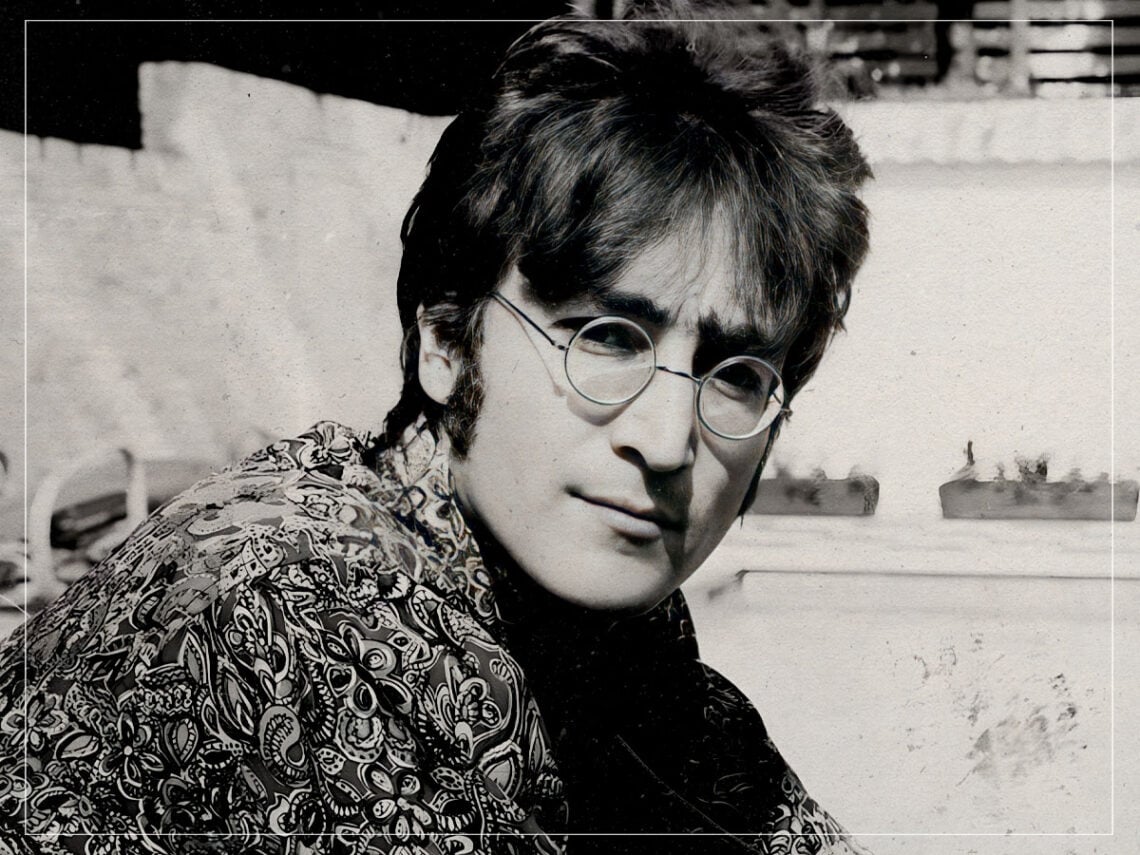
Why did John Lennon feel The Beatles needed to compromise their truth?

When The Beatles first found success, while they certainly took a moment to revel in it, they were also immediately put under tremendous pressure. It’s no secret just how much music their label demanded from them, as Paul McCartney and John Lennon were told they had to write a great deal of music to meet a strict release schedule. This led to some great songs, but it also slightly distorted members’ vision.
All The Beatles knew they needed to write good music consistently, and then tour said good music. Finding a tone of voice with such strict time constraints is difficult, as there is little time to fully engage with your creativity when there are deadlines to meet. Granted, The Beatles had been together for some time when they became famous, so they had a good idea of how the band wanted to be, but they were very creative people, and the framework for a creative mind is constantly shifting.
Those shifts can be easily seen when you look at the band’s discography as a whole, as they experimented with a range of different styles and sounds, particularly towards the end of the band. But the privilege of being more open and out there only came when they had cemented themselves as a legendary band.
Before that, the band’s music had to strictly conform to the catchy pop sound that they became famous for. Equally, they had to compromise on their style and personalities during this period, too, in a bid to really get their foot in the door. John Lennon spoke about the compromises the band had to make at the start of their career and realised how much it stunted them creatively and honestly.
“We weren’t as open and as truthful when we didn’t have the power to be,” said Lennon, “We had to take it easy. We had to shorten our hair to leave Liverpool. We had to wear suits to get on TV. We had to compromise.”
It’s interesting reading this, as even despite these compromises, they were still met with some controversy. Many people, especially in the US, called their appearance into question, as even with the clean cuts and sharp suits, people said their hair was too long and their clothes were too tight. Lennon didn’t believe those early iterations of The Beatles accurately reflected the band and instead was their attempt at being palatable enough to be accepted into the mainstream.
“We had to get hooked to get in, and then get a bit of power and say, ‘This is what we’re like,’” said Lennon, “We had to falsify a bit, even if we didn’t realise it at the time.” As the band became more popular and had more of a standing in the music industry, the real them started to protrude, which led to some of their more outlandish albums and concepts.

Never Miss A Beat
The Far Out Beatles Newsletter
All the latest stories about The Beatles from the independent voice of culture.
Straight to your inbox.