


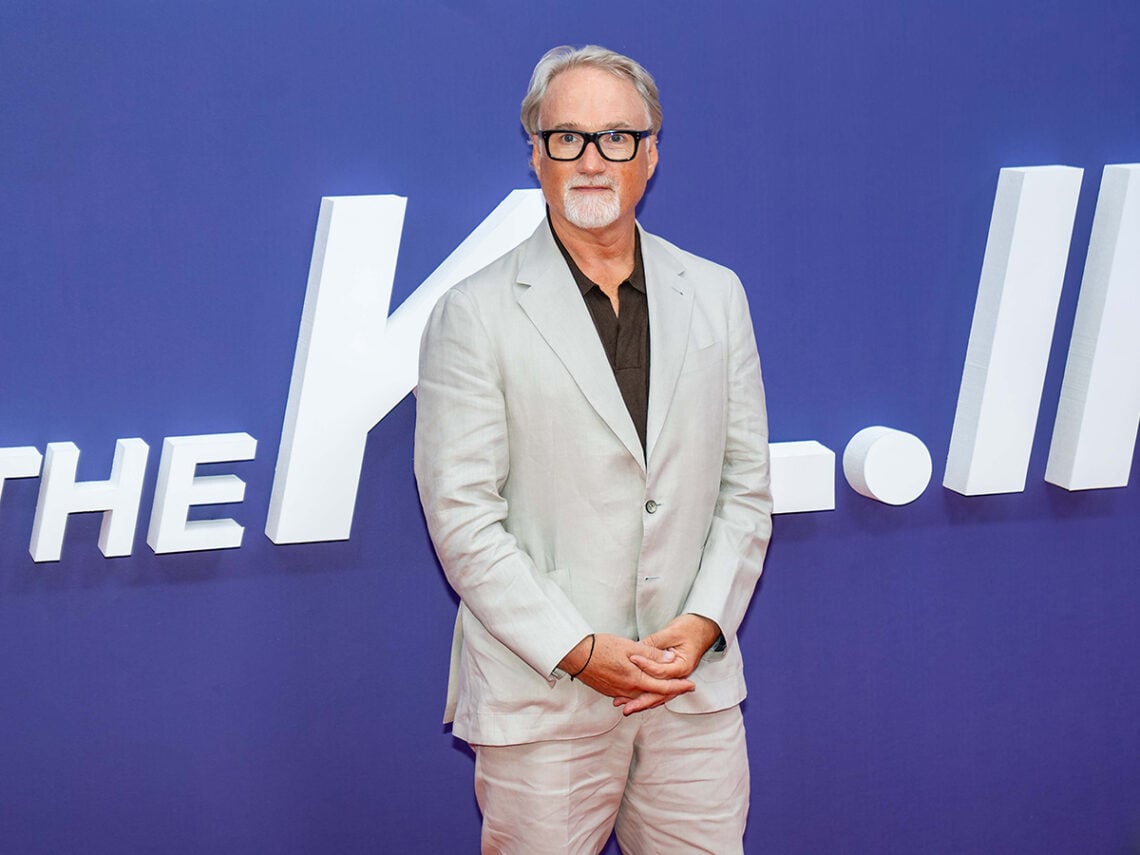
Why David Fincher refused to work with Disney: “It’s going to be pulling teeth”

Known for his psychological thrillers littered with gritty horror, suspense and mind-bending plots, David Fincher is a once-in-a-generation director who’s not afraid to confront the extreme.
His films like Zodiac, Fight Club, The Girl with the Dragon Tattoo, Gone Girl, The Curious Case of Benjamin Button, and perhaps most famously, Se7en, a neo-noir-tinged detective thriller, have collectively grossed over $2.1billion worldwide, continually challenging audiences to face the darkest corners of society and people’s inner psyches.
So when the possibility arose to transform French writer Jules Verne’s 1870 novel, Twenty Thousand Leagues Under the Sea, there was no way he would be holding back.
The science fiction adventure novel traverses the depths of the ocean, exploring themes of British imperialism and the East India Company, environmental impact, and Homer’s epic poem, The Odyssey, which inspired the novel’s protagonist, Captain Nemo’s name.
Speaking to Letterboxd, Fincher revealed his remake of Verne’s classic was going to be “gross and cool and wet and steampunk and all that”, but Disney had other ideas. The studio wanted a more commercially viable, easily exploitable film.
Fincher said of their creative differences, “Disney was in a place where they were saying, ‘We need to know that there’s a thing that we know how to exploit snout to tail, and you’re going to have to check these boxes for us’.”
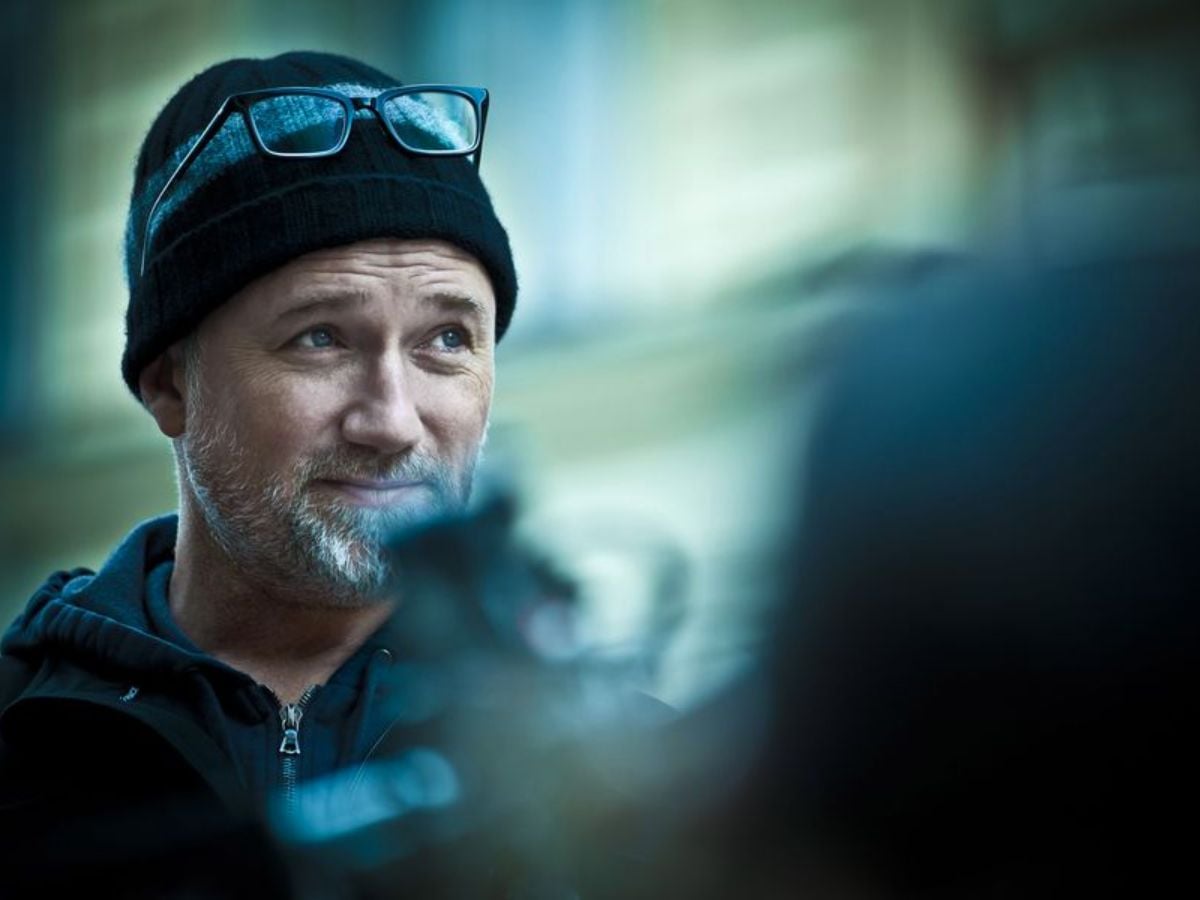
Fincher pushed back, saying, “And I was like, ‘You’ve read Jules Verne, right?’ This is a story about an Indian prince who has real issues with white imperialism, and that’s what we want to do. And they were like, ‘Yeah, yeah, fine. As long as there’s a lot less of that in it.”
At loggerheads with the studio, Fincher ultimately decided to leave the project because he didn’t want to mess it up, noting, “I don’t want you to discover at the premiere what it is that you’ve financed. It doesn’t make any sense because it’s just going to be pulling teeth for the next two years.”
Valuing his time and that of the audience, he explained his decision to decline, “I mean, life’s too short”.
But it seems Disney found a way to realise their own commercial vision, instead looking further afield, releasing a Latin American adaptation of the novel as a series titled 20,000 leguas de viaje submarine, in July this year. The original movie from 1954, directed by Richard Fleischer and starring James Mason and Kirk Douglas, is also available to stream on Disney+.
And it appears the classic novel was even recently transformed into a ten-part British Australian television adventure drama directed by James Dormer. The new series, titled Nautilus, and produced by Amazon Prime and FX, reimagines the novel through the eyes of Captain Nemo.
Despite its omnipresence, Fincher doesn’t regret the decision, instead going on to write and direct the ‘Bad Travelling’ episode of Netflix’s hit shorts show, Love, Death & Robots, of which he is also the executive producer and co-creator. He told Letterboxd the episode “scratched that itch”.
In keeping with the director’s obsession with the dark and merciless style, it was recently confirmed that he would be developing and working on the American adaptation of the popular Korean series, Squid Game. He is also due to direct a sequel to Quentin Tarantino’s Once Upon a Time in Hollywood, with Tarantino writing the script and Brad Pitt attached to star.
