


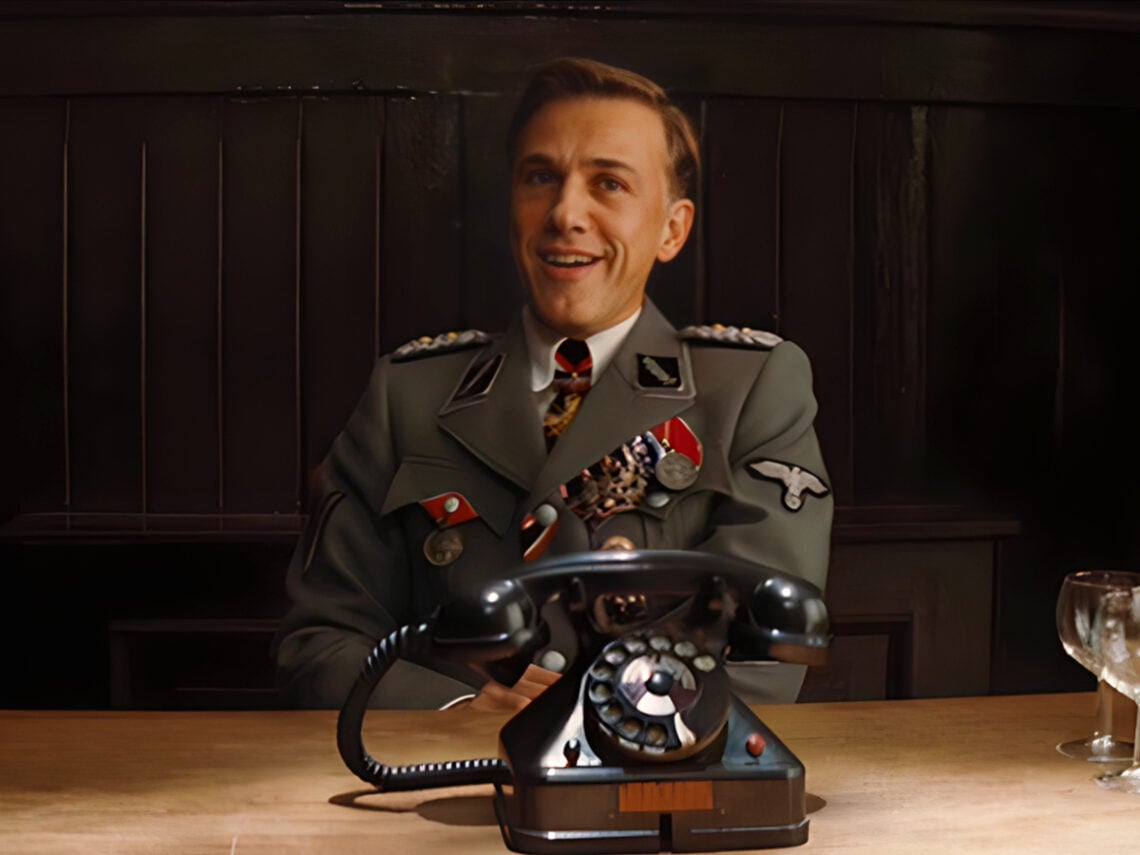
Why Christoph Waltz doesn’t subscribe to method acting: “It can be a little burdensome”

While method acting has existed for as long as cinema itself, it has gathered increasingly negative connotations in recent years. At best, the most extreme stories involve actors like Daniel Day-Lewis not breaking character when the cameras stop rolling to send text messages or packages, taking the idea to almost parodical heights of commitment. At worst, Jared Leto is gifting his colleagues dead rodents to play a comic book clown.
This is why actors synonymous with frequently being at the height of their craft are often asked whether or not they subscribe to the much-debated method. One of them is modern acting great Christoph Waltz, who is assuredly not a fan of it.
Method acting arguably can be traced hundreds of years into the past, wherein even ancient Roman and Greek actors have described the process they employ as channelling real, past experiences: “The great secret…for moving the passions (in others) is to be moved ourselves”. However, the modern formalisation happened in New York in the 1930s. Actor and teacher Lee Strasbourg was inspired by the realistic performances of Konstantin Stanislavsky’s Moscow Art Theatre troupe, who visited the American city in 1923.
What Stanislavsky called ‘The System’, Strasbourg adapted and taught as ‘The Method’ at the school he founded almost ten years later. At the heart of the methodology is the idea that an actor shouldn’t merely mimic human emotion or experience but relive it using similar emotions or experiences they’ve had in their real lives. Essentially, once you’ve mastered it, your acting should be inseparable from simply being.
Even while it was being popularised on screen in the mid-century by actors like Marlon Brando – most famously in A Streetcar Named Desire – it had its detractors. Alfred Hitchcock, who had his own rigorous ways of working with performers, had little patience for method acting. He said of working with method actor Montgomery Cliff on I, Confess: “The most difficult things to photograph are dogs, babies, motor-boats… and method actors.”
Today’s movie industry finds a similar divide between those who method act and those who don’t. Decorated and highly respected actors like Meryl Streep, Cillian Murphy, Tom Hardy, Joaquin Phoenix, and many more subscribe to the technique, leaving others, such as Waltz, to be probed about why they don’t.
Waltz became synonymous with playing great movie villains after his breakthrough English-language performance in Quentin Tarantino’s Inglorious Basterds in 2009. His chillingly calm portrayal of Nazi Hans Landa was a scene-stealing turn. Both this and his next collaboration with the director for Django Unchained earned him Academy Awards, and he went on to cement this reputation as Bond villain Blofeld in Spectre and No Time To Die.
Speaking on The Playlist podcast about the film Downsizing in 2017, the Austrian-German actor was asked about his feelings towards method acting, for which he expresses clear distaste. “I wouldn’t [tell them not to do it], but I wouldn’t want them to tell me their way either,” Waltz says. “It can be a little burdensome, yes. So, you just steer away. Yes, I could engage in a dispute about it because I think I have a few arguments ready from my experience and what I have studied and learned and trained, but that doesn’t mean more than that. It’s still them that have to do it and they should be entitled to be able to do it their way.”
While Waltz’s “burdensome” comment hints at some of the same irritation with method acting that Hitchcock felt, his response is mostly diplomatic: a consummate professional whose two Oscars doubtless speak for themselves.
